


 日本語
日本語  English (UK)
  Русский
  العربية
  한국어
한국어  Magyar
  Türkçe
  Español
  Čeština
  Svenska
  Português
  Ελληνικά
  Suomi
Suomi  Nederlands
  Română
  Italiano
  Français
  Polski
  Українська
  Deutsch
  简体中文
简体中文  Slovenčina
 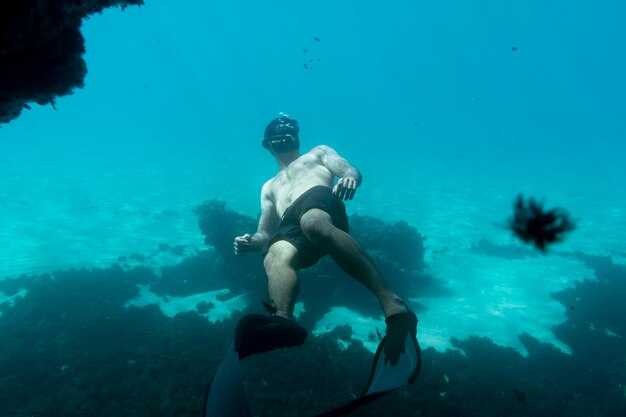 Category Diving in Hawaii – The Ultimate Guide to Top Diving Spots, Gear, and Safety">

Recommendation: Start with a three-island itinerary that emphasizes the archipelago’s diversity, giving you a great balance of surface comfort and underwater exposure. If you’re getting into the gear mindset, this approach keeps momentum without overwhelming you. Focus on lava tubes, reef passages, and wrecks, then rotate through morning trips to maximize visibility and chances to observe feeding events and プランクトン blooms. This opportunity comes with a side of memorable adventures and helps you realize your dream of exploring Hawaii’s currents with confidence.
Molokini Crater, Maui: The crescent caldera delivers reliable visibility and calm conditions. Expect 30–100 ft views and depths around 20–40 ft in the inner reef, with sea life including schooling fish and occasional turtles. Operators run morning trips from Kihei and Maalaea, and the site is ideal for photographers who want a clean backdrop and easy entry. You’ll be near プランクトン hotspots during certain seasons, which can attract dramatic feeding events for larger pelagics nearby.
Kona Coast, Big Island: The night manta encounter is a signature adventure with a high probability of sightings; mantas reach 12–15 ft wingspan and glide through 70–100 ft visibility at night, in water around 72–78°F. Dress in a 3–5 mm wetsuit for comfort, bring a primary and backup light, and listen to your guide’s safety briefing on feeding areas and entry procedures. Lava-tube passages along this coast enrich the experience, offering surreal channels between molten formations–an opportunity to learn about the volcanic past while staying within your limits.
Wrecks, currents, and safety on Oahu and Kauai: On Oahu, several shallow wrecks lie in sheltered areas, offering accessible connections to ship history and vibrant reef life. When planning a trip, consult a licensed operator and follow depth limits; regarding currents, always plan an exit and keep an eye on air. Use a surface marker buoy to signal your side of the team and to aid safety. For Kauai, drift dives along the north shore require local guidance for the best visibility and experience.
Gear, planning, and safety basics: Start with a 4/3 mm or 5/4 mm full suit for year‑round comfort, a good mask and fins, a regulator with an alternate, and a computer with safety stops. Pack a surface marker buoy, whistle, and reel for entry-and-exit scenarios near lava shelves or wreck lanes; consider a small camera rig for adventures and keep a second light for night sites. For your itinerary, schedule two to three main dives per island and leave space for rest days to recover and getting used to Hawaii’s currents. These choices give you a steady rhythm and ensure you have enough energy for your best shots and most memorable moments.
Regional Dive Planner and Gear Checklist for Hawaii
Start with a practical plan: base in Honolulu as your hub, then schedule inter-island hops to kauais and other islands, limiting to three sites per trip to keep the pace comfortable. This approach keeps the feet moving and helps you manage dozens of options across the state while staying on top of changing conditions.
Gear for Hawaii action splits into personal items and operator gear. Personal kit should include a low-volume mask with tempered glass, a compact snorkel, fins, booties in 3-5 mm, a 3/2 or 4/3 wetsuit, a weight belt, and a buoyancy compensator with a reliable regulator and octopus. Rent tanks, weights, and other essentials from local ops when possible to stay flexible for inter-island moves. Carry a surface marker buoy, whistle, waterproof notebook or slate, and a compass. For night experiences, add a headlamp and spare batteries. Bring a safety reel for currents and a spare mask or dry bag for transitions between hubs.
Site selection tips: choose shallow, sheltered reefs when you base in Honolulu or kauais. Iconic spots often sit near calm bays with thriving corals and intriguing sea life. Start with dawn sessions to enjoy magic light and calmer seas, then switch to afternoon tours when winds pick up. Always check the latest conditions and wind map before departures.
Inter-island planning details: check flight and boat schedules; dozens of operators offer transfers between islands; book a buffer day after a long crossing to stay rested. If you stay on one island, concentrate on a handful of reefs that are easily accessible by boat or shore. This approach reduces fatigue and keeps you safe in populated anchorages with helpful crews.
Weather, seas, and safety tips: monitor forecast updates from a trusted source (источник local operators) and carry a simple weather card; Hawaii seas range from glassy to moderate chop, rarely exceeding moderate on most coasts. Winds shift with seasons; count on 70-80°F (21-27°C) water temps in summer and 68-76°F (20-24°C) in winter. Pack layers and a warm layer for post-experience. Consider a lightweight dry suit for winter nights when cruising coastal sites. Stay with a buddy, stay in daylight hours, and keep a clear plan at each site to prevent fatigue and maximize enjoyment.
Checklist quick-reference: mask, snorkel, fins, booties; wetsuit; weights; buoyancy compensator; regulator with octopus; surface marker buoy; signaling gear; underwater slate or notebook; compass; light and spare batteries; safety reel; dry bag; hydration. Store a digital copy of local operator contact numbers and emergency numbers. Mark each site with arrival times and currents, so you can adjust quickly during inter-island itineraries.
Oahu Beginner Dives: Region Access, Rental Gear, and Buoyancy Basics
Start with a guided, beginner-friendly outing from Waikiki and rent a basic gear set (mask, snorkel, fins) from a reputable shop. This approach is perfect for building comfort and planning a solid base for your oahus experience.
Region access centers on three practical options. Waikiki waters offer gentle, nearby entries for first sessions, while outside Waikiki you’ll find Hanauma Bay Nature Preserve with protected reefs and clear water, and Ko Olina’s calm lagoons that suit first-timers. Each location provides different landscapes, but all fit a category of beginner experiences with low current risk and straightforward exits.
Buoyancy basics start with a neutral stance about two to three feet (roughly 60 to 90 centimeters) below the surface. Breathe slowly, keep your breaths even, and make tiny adjustments with your chest and hips rather than big leg kicks. This slightly controlled method helps you stay close to the reef without touching life or stirring silt, which benefits everyone being in the water with you and improves comfort as you gain experience.
Rental gear should cover essential items: a well-fitting mask, a snorkel that clears easily, and fins sized for your feet. Add a lightweight exposure suit if the water feels chilly (April mornings can be cooler), and consider a small weight belt to help achieve neutral buoyancy at the surface. Check the shop’s gear for wear, mask seal, and valve function before heading out, and confirm any regulator or buoyancy aid options if you plan a longer session with a guide.
For beginners planning a Hawaii itinerary, a local susan, a trusted guide, can tailor the day to your pace and skill level. Her advice helps you maximize the advantage of calm mornings, choose a route that avoids heavy surf, and stay safe while exploring nearshore habitats. Many operators offer short, original routes around waikiki waters that emphasize gradual progression and clear safety briefings, which keeps your planning focused and realistic.
Be mindful of wildlife and reef life. Frogfish sightings exist in some pockets of Oahu reefs but are not guaranteed, so manage expectations and stay relaxed about outcomes. If you’re curious about hammerhead activity, know that those encounters are famous in Kona, not common around oahus, but you’ll still enjoy watching a diverse array of small reef fish and friendly reef structures on your region day. The goal is steady improvement, not chasing a single moment, and the right preparation will help you gain confidence with every session and with every new location you visit within the island’s waters.
With a clear plan, the right gear, and a patient guide, your first weeks as a beginner on oahus will feel approachable and rewarding. The category of beginner experiences on this island offers a practical path to build skills, enjoy calm conditions, and grow into more confident underwater moments as the months progress, especially when you align your outings with favorable weather and sea states.
Molokini Crater Dives: Visibility, Boat Access, and Marine Life Encounters
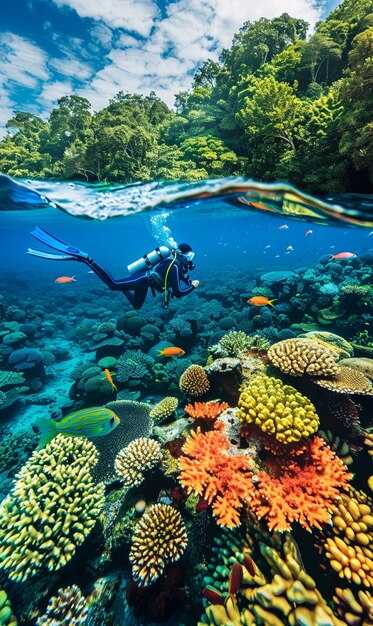
Book a morning boat charter from Maui to Molokini Crater and snorkel the crater rim for the clearest visibility and calmer currents.
Molokini sits about 2.5 miles off Maui’s southwest coast and is accessible from Lahaina, Kaanapali, or Maalaea Harbor. Plan a 2.5–4 hour excursion, including time at the site, with 30–45 minutes of cruising each way depending on wind and seas.
Visibility on ideal mornings reaches 60–100 ft (18–30 m) commonly, with peaks above 100 ft when trade winds are light. Surface temps hover in the mid-70s F, and water temps typically linger in the mid-70s to low 80s F–comfortable for a long session in a lightweight wetsuit or rash guard. The night sky over hawaiis oceans fades as dawn approaches, and the first light enhances visibility for the morning trip.
Marine encounters deliver an abundance of reef life: expect schools of tangs and surgeonfish, bright wrasses, parrotfish, morays in crevices, and green sea turtles cruising the outer shallows. Sightings of reef sharks are possible near the outer wall, and pelagic species may drift by the edge on calmer days. If youre lucky, you might even spot spinner dolphins skimming the channel at dawn.
Boat access is straightforward: multiple operators offer morning departures, with pickups from Maui resorts and nearby towns. Resorts and transfer services arrange convenient options for visitors; check-in times are typically 6:30–7:15 am to maximize visibility and wildlife activity. Remember that the outer rim can experience stronger currents; stay with your guide, use provided flotation, and avoid stepping on coral for an intriguing, respectful experience.
Practical tips: bring a waterproof camera, reef-safe sunscreen, a light layer for the chillier wind, and a small snack. Read the operator briefing ahead of time to understand zones to avoid and how to minimize disturbance to wildlife. Molokini’s location, combined with the neighboring lanai and nearby Oahu itineraries, makes a visit to this area part of thrilling adventures in hawaiis oceans and a must for any visitor to visit.
Kauai Night and Macro Dives: Lights, Photography, and Tiny Critters
Get a compact macro-lighting kit: a 60–100 mm lens, two compact strobes, a focused LED light, and a red-light option to preserve natural colors. Getting the most from Kauai’s night macro opportunities starts with patient, steady movements and a plan that keeps you close to the subject (about 8–15 cm) while youre getting the composition right. This setup is a great foundation for intriguing close-ups as the marine world wakes after sunset.
Great locations include caves along the Na Pali coastline, lava tubes, and sheltered reef flats where you see diverse tiny life. Those high-contrast walls offer abundance and a choice of subjects, including gobies, pygmy shrimps, nudibranchs, and small octopuses found in crevices. Expect endemic species such as the hawaiian reef goby and the Hawaiian bobtail squid to appear, plus the iconic hawaiian monk seal occasionally at the water’s edge–keep your distance and let those majestic animals pass. At sunset, a turtle glides by, offering a larger silhouette against the tiny world you’re documenting. These sites provide tropical color and plenty of options for getting close to them, and you may also catch the occasional flying reef fish skittering through the current.
照明とテクニックを考えてみましょう。デュアルストロボ設定で被写体を照らし、バックscatterを減らすためにわずかに軸をずらして光を当てます。日没後、リーフの端近くにいると、水面近くでマンタの形が見えることがあります。濃い青色を背景にした優雅なシルエットは、リーフの外にある外洋を思い出させてくれます。マクロ撮影の場合は、ストロボを約40〜60度の位置に配置し、集光ライトで焦点を合わせ、マニュアルホワイトバランスでRAW撮影します。推奨設定:シャッター1/125〜1/200、絞りf/11〜f/16、ISO 400〜800。視界とバックscatterに基づいて調整します。.
ハワイアンボブテイルスクイッド、固有種のヌーディブランチ、洞窟に隠れたシャイなカニなど、多様な被写体に期待してください。近づくには忍耐が必要ですが、その見返りは大きいでしょう。貝殻の質感、小さな魚のエラの複雑なライン、熱帯のサンゴ礁の鮮やかな色彩。撮影中には、サンゴ礁の歌が聞こえてくるかもしれません。それは、何かがここに生きているという聴覚的な合図です。夕暮れ時に撮影すると、ドラマチックな色彩が加わり、ウミガメのシルエットが、あなたが記録している小さな世界にスケール感を与えてくれます。マクロ撮影をするなら、距離を置いて、豊かな生命が自ずと姿を現すのを待ちましょう。海の夜には、ミクロの世界が生き生きとする魔法のような何かがあります。.
セッション中は安全とエチケットを心がけましょう。エントリー前に潮流と風向きを確認し、リーフエッジに沿ってゆっくりと移動し、野生生物との接触は避けてください。被写体に決して触れたり、追いかけたりしないでください。スペースを与え、ストレスの兆候が見られた場合は距離を取りましょう。モンクシールやその他の保護動物には、敬意を払って距離を保ちましょう。あなたは観察するためにそこにいるのであり、影響を与えるためではありません。洞窟や溶岩洞の壁など、デリケートな生息地を保護するために浮力を維持しましょう。帰還後は、メモを読み返し、今後のトリップのために最高のショットをカタログ化しましょう。.
ビッグアイランド火山ダイブ:潮流、危険、安全に関する説明
正確な安全説明から始め、最新の潮流とうねりの予報を確認する。必ず二人一組で行動し、計画されたエントリー地点とエキジット地点を遵守する。火山性の沿岸海域では、流れが急に変化し、リーフの表面や狭い水路に押し寄せる可能性がある。ガイドと明確な最大深度を設定し、水面信号装置が準備できていることを確認し、緊急浮上計画を確認する。このアプローチはグループを保護し、リスクを軽減する。.
主な危険因子は、急な潮流の変化、巻き上げられた堆積物による視界不良、鋭利な玄武岩、不安定な瓦礫、ラインやギアとの絡まりなどです。新鮮な岩肌や水中の構造物との接触を避け、ガイド経路から外れず、指定された退出口を尊重してください。誘発された高波は、より深い峡谷へと押し寄せる可能性があるため、計画された範囲内にとどまってください。.
安全に関する説明では、バディとのペアリング、合図の方法、浮上と退出計画、ペース、水深制限、および器材チェック(BCD、レギュレーター、エクスポージャー・スーツ、グローブ、フィン)について説明します。島嶼部の事業者がこれらのツアーを提供し、状況に合わせて計画を調整します。必ず水面合図装置を携帯し、浮上する際は水面標識ブイを使用してください。視界が悪化した場合や潮流が強くなった場合は、中止してアセントラインに戻ってください。セッション終了後は、状況とギアの問題を記録し、帰る前にガイドと状況を共有してください。.
ハワイ水中冒険:ベストシーズン、天候、計画
早めに、ホエールウォッチングとリーフエンカウンターを提供する評判の良い業者に予約を。ザトウクジラの活動と良好な海況を目当てにするなら1月から3月がおすすめです。.
季節ごとのウィンドウを一覧で見る:
- 冬から早春 (11月~3月) – ザトウクジラが主役となり、忘れられないショーを繰り広げます。ピークは通常12月から3月。条件は海岸によって異なり、風下側は穏やかですが、北向きの露出した場所ではうねりが大きくなる可能性があります。水温は約23~26℃で、リーフでの透明度は通常18~30mです。野生生物の観察とリーフ探検を組み合わせたツアーを探しましょう。人工的なリーフ構造や豊かなgiffの地形が魅力を加えています。ガイドと相談して、あなたの経験に合ったプランを立て、最高の光と穏やかな海のために朝に出かけましょう。.
- 夏~初秋(5月~9月) – 海が穏やかになることが多く、透明度が上がり、多くのルートでよりスムーズな航行が可能です。この時期は、マウイ島、オアフ島、カウアイ島、ハワイ島周辺の多様な場所での長期のスキューバトリップやシュノーケリングに最適です。海での時間は充実し、イルカ、ウミガメ、マンタに出会う機会もよくあります。ガイドは、野生生物との遭遇を最大限に高めつつ、好ましい条件を維持できるよう、複数の場所を巡る旅程を頻繁に提供しています。また、午前中は特に良いコンディションであることが多いです。.
- ショルダーシーズン(4月、10月~11月) – 移行期間であり、混雑も緩和されます。新たなサービスを探したり、さまざまなオペレーターを試したりするのに最適な時期であり、直接比較することで、どのショップが最も価値を提供しているかを知ることができます。ほぼすべての場所がアクセス可能であり、ガイドはお客様の好みやスキルレベルに合わせて旅行をカスタマイズできます。.
重要: 現地の状況は変わりやすいので、必ず前夜に運行会社に確認し、最新の天気予報を確認してください。.
計画と安全チェックリスト:
- Timeframe – ピーク時は6~8週間前に予約。早春と秋は計画が必要な場合もあるが、需要は若干低下。.
- オペレーターとギア – 安全実績がしっかりしていて、自分のレベルに合った機材を提供してくれる業者を選びましょう。人工リーフや自分の目標に合った他のサイトについて問い合わせてみてください。.
- Itinerary flexibility – 沿岸の様々な場所を移動しながら、野生動物の観察機会を最大限に増やし、良好な状態を維持できるような選択肢を尋ねてください。.
- Preparation – 日焼け止め、リーフセーフの日焼け止め、ラッシュガード、タオル、水、軽食を詰め、防水バッグとボートへのアクセスに安全な履物を持参してください。.
- 野生動物のタイミング – ザトウクジラは早朝と午後の遅い時間に最も活発になります。動物との時間を最大限に活用するために、ガイドの推奨事項に基づいて計画を立ててください。.