


 日本語
日本語  English (UK)
  Русский
  العربية
  한국어
한국어  Magyar
  Türkçe
  Español
  Čeština
  Svenska
  Português
  Ελληνικά
  Suomi
Suomi  Nederlands
  Română
  Italiano
  Français
  Polski
  Українська
  Deutsch
  简体中文
简体中文  Slovenčina
 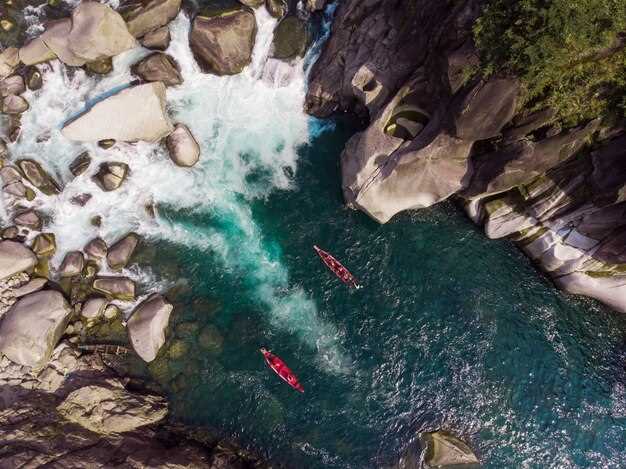 Best Snorkeling Sites in Palawan – Between El Nido and Coron">

Recommendation: Start with a dawn drift along a sheltered reef near the first gateway; here the tide is gentle, the water soothing, and snorkelers can ease into deeper swims in a remote inlet.
Expect visibility to range around 8–20 meters in the dry season, with surface temperatures around 26–29°C. In calmer morning hours the underwater atmosphere becomes radiant, and the vibrant corals reveal layers of life tucked into bommies and fans where those fish schools gather, and you can spot them gliding by.
Pros include a unique mix of reef structures and a classic island-hopping vibe. In several coves you’ll find a twin wreck site–an old gunboat resting near a soft slope–offering a surreal, photographable scene for snorkelers.
To minimize fatigue and sea-sickness, opt for mornings with powered boats that run at a steady pace. If you’re prone to sea-sickness, take preventive meds, sit midship, and dip into shallow margins. Ease back onto the surface as the tide shifts.
For those seeking a more tranquil itinerary, include a route through several microhabitats: seagrass flats, sandy shallows, and a wall that plunges into deeper water. Here the mind quiets as colors shift with the light, and you’ll notice unique inhabitants in the same moment.
Bring twin fins, a robust mask, and reef-safe sunscreen; the layers of shade and sun create a soothing rhythm as the tide shifts and you’re dipped beneath the surface.
Siete Pecados North Reef: marine life highlights, coral types, and snorkel routes
Start your snorkel outing at the shallow edge of pecados North Reef; visibility is usually clear, currents mild; chances of spotting tiny reef residents high.
Along the rim, a diverse ecosystem thrives; tiny fish dart past brain corals; macro crustaceans cling to polyps; shipwrecks lie along the slope, offering shelter for reef life. heres a note for budget minded explorers: a sunken gunboat sometimes marks the main drift, a feature that fascinates enthusiasts.
Marine life highlights
Highlights include large clusters of fusiliers, parrotfish, surgeonfish; clownfish in anemones; butterflyfish along ledges; sea turtles surface occasionally, especially during late morning light. Some visitors felt a thrill when moray eels peek from crevices; macro probes reveal small crustaceans; this display is fascinating for enthusiasts. Prone to sea-sickness should pace the drift; brief rests at the shallow edge cut wait time.
Coral types plus snorkel routes
Coral types here range from brain corals with ridged slabs; branching staghorn; plate-like table corals; tiny cup corals dot crevices. This variety provides texture; split habitats attract a broad spectrum of species. Routes split into two corridors: one along the shallow crest for macro life; another toward a deeper shelf for pelagic glimpses. Generally, start with the calmer portion; progress toward the deeper zone as comfort grows; weather allows; gear performs reliably.
From remote dimalanta launch points, morning trips are common; advance planning helps first-time visitors. For meals, pack compact options; spending stays in check. Needed gear includes mask, snorkel, fins; been prepared with reef-safe sunscreen; beauty remains a core draw for enthusiasts; setting generally suits climate, water clarity.
Siete Pecados South Reef: currents, safety tips, and photography angles
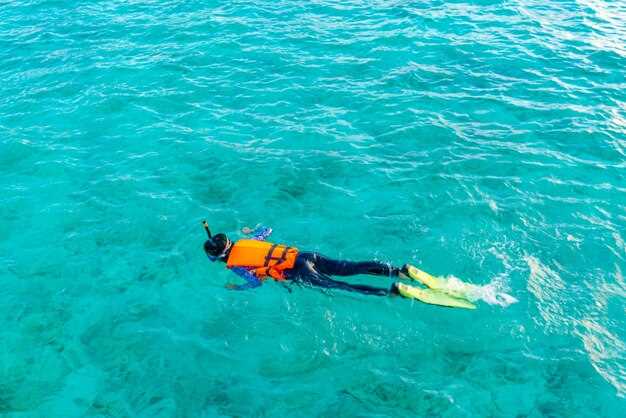
Booking with a licensed operator for slack-water entry is essential to keep currents manageable and ensure visibility.
Currents and drift approach: the site shows tidal variation, with calmer pockets near sheltered edges and stronger flows along exposed faces. A smooth drift runs along the wall for about the first half of the swim, then eddies form toward the channels. Enter from the southwest launch point and follow your guide’s instructions to catch a clear, collectible look at anemones and tiny reef life. Expect water depth from 3 to 8 meters in peak viewing zones, with higher energy near the crest when wind shifts occur. Look for white foam lines as cues to where volumes of life stay concentrated and where currents slow enough to pause without losing the group. The experience rewards patience and timing, not speed.
- Best window is a calm, mid-morning drift; if tides push, switch to a sheltered pocket and resume when safe.
- Maintain a relaxed pace; little bursts of motion save energy and reduce sand disturbance, making life above the reef easier to spot.
- Keep a safe distance from boats and shorelines; follow marker lines and your guide’s high-visibility signals to stay in clear water above the reef carpet.
Safety tips: always stay within sight of a guide and another swimmer; wear a buoyancy aid and a whistle, and keep your mask strapped tight to avoid losing gear near hulls. Do not touch corals or anemones; their white-tipped structures are delicate and recover slowly after contact. If current strength increases, switch to a sheltered approach, signal, and back off rather than press on. Choose a reliable operator such as Maru for regular shuttles; booking ahead helps you fully plan the day and ensures gear and instruction are ready. Pack light for a quick exit if conditions shift; cash tips for local crew are appreciated, but a prepaid booking protects your time and keeps the crew focused on safety.
- Stay close to your guide’s line of sight; non-swimmer should keep a flotation aid and stay in shallow, calmer zones.
- Protect gear from sharp coral edges and avoid grabbing rocks; coral health improves when divers treat the habitat with care.
- If you feel uneasy, return to the entry point together; the route offers safe zones where currents ease, allowing a peaceful finish to the look.
Photography angles and angles-ready plan: capture the ultimate visuals by combining macro, mid-water, and surface perspectives.
- 上から、水深4~6メートルでリーフの端と平行に漂い、前景に見える珊瑚の頂や小さな魚で青い広がりを縁取る。マスクをクリアに保ち、水面を穏やかに保つために、低く安定したキックを心がける。この角度は青と白い砂、そして波の動きを際立たせる。強いショットのための要素には、澄んだ水、頭上の太陽、そして辛抱強いスイマーが1人か2人いること。水面に対する自然なシルエットを探す。.
- マクロとクローズアップ:イソギンチャクの群生と小さな守護者の近くにアンカーを下ろし、背景をぼかすために広い絞りで撮影します。質感と枝に隠れた小さな生命に焦点を当てます。これらのフレームは、色のコントラストと繊細な礁の構造を明らかにし、自然風景写真の真の目玉となります。.
- アクションと流れのポートレート:水流に乗って滑るように泳ぐ人を捉え、水は濃い青色にきらめき、白い先端のサンゴが水面から立ち上がる様子を撮影。わずかに高い位置から撮影し、高さとスケールを伝え、次にフラットなアングルに切り替えて、壁に沿った生命のパターンを強調する。.
ヒント:早めに到着し、見学時間เต็ม一杯楽しみ、近くのビーチで短いピクニックを検討して一日を延長しましょう。この場所は、自然を尊重し、計画にさらなる "見る "瞬間を加える機会を提供する、ゆっくりとした、意図的なアプローチが報われます。より豊かな体験を求める方は、近隣の場所への追加訪問を計画して旅行を充実させ、この海事エリアでの時間を最大限に活用してください。.
エルニドまたはコロン発:シエテ・ペカードスへのアクセスルートと交通手段の実用ガイド
Recommendation: バキュイット湾のドックから日の出直前にプライベートバンカーをチャーターする。シエテ・ぺカードスまでの移動は25~30分で、穏やかな水面は最初のシュノーケリングに最適だ。そこでは、クマノミが水深5~12メートルの浅いリーフの上を漂っている。人が多くなる前に景色を楽しもう。注意深く計画し、島の自然な陰に滞在し、安全なエントリーのためにボートを配置すること。潮の流れに乗るのが好きなら、フリーダイバーのリズムに合わせて、ゆっくりとしたペースをリクエストしてみよう。ドロップオフの近くを滑空する好奇心旺盛なカマスが見られるかもしれない。.
カラミアネスの拠点からシエテ・ペカードスへの最速ルートは、複数回の乗り継ぎ便を利用します。まずマニラへ、そしてプエルトプリンセサへ。ドア・ツー・ドアで合計約6〜9時間かかります(乗り継ぎによります)。または、スケジュールが合えば、プエルトプリンセサへの遅いフェリー便もあります。その後、パラワン島北部の玄関口まで4〜6時間のバンでの移動となります。そこから、地元の船頭が操る朝のバンカに乗って、目的地まではすぐです。地元の人々はプライベートチャーターを手配できますが、許可が必要です。船内ではクレジットカードが利用できる場合が多いです。.
実用的なヒント:多くの業者が現金とクレジットカードの両方に対応しているので、現金またはクレジットカードを持参してください。丸一日かけて旅行を計画してください。水上での時間をより長く過ごすには、柔軟な立ち寄り場所を提供しているプライベートバンカーを予約してください。そこの礁原ではクマノミを捕まえることができるかもしれません。左側のオプションは標準ルートのままです。右側のオプションはプライベートチャーターのままです。季節によって変動があります。秋は比較的穏やかな海ですが、にわか雨の可能性があります。入水前に必ず潮流を確認してください。家族連れの場合は、保護者を一人乗船させてください。船内で飲み物が購入できます。近くには巨大なラグーンがあり、スケジュールが許せば2回目の立ち寄りも魅力的です。光の状態によりますが、数メートルの透明度があります。.
パラワンでのシュノーケリングに最適な時期:季節、潮、そして時間帯
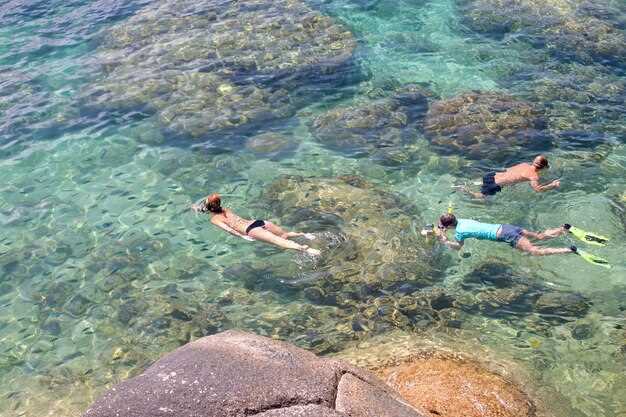
カヤンガン周辺の穏やかな海と澄んだ水、緩やかなドロップオフのために、乾季の09:30までにセッションを計画し、潮と風によって変化する潮流に注意してください。.
実際には、水の透明度は晩冬から早春にかけてピークを迎え、通常15〜30メートルの視界があります。北向きの湾から入り江まで、場所によって状況は異なり、熱心なシュノーケラーは、自然がサンゴ礁沿いに提供するゴージャスで魅惑的な生命を探し求めます。.
マリーのようなガイドは、難破船やカヤンガンなど、特別なルートを巡るツアーを主催しています。このような共有された旅程は、混雑を抑え、船酔いを軽減し、初心者からベテランまで、素晴らしい、自由な体験を提供します。.
価値を最大化するには、潮の満ち引きとサイクルに合わせて計画を立てましょう。さらに、予報が予想外だった場合は柔軟に対応してください。最終的な目標は、穏やかな朝と緩やかな流れを組み合わせ、ドロップオフが青い深みに消えていくアクセスポイントを観察することです。.
毎日の窓は光、風、そしてうねりのバランスを取る。早い時間帯(おおよそ07:00~10:00)が概して最も安定しており、安定した日には二番目の時間帯(11:30~13:00)も良い。状況が変われば、北海岸の穏やかな場所へ移動することで、船酔いを抑えつつ、魅惑的な海の生物の姿を垣間見ることができる。.
| Season | 理想的な潮汐 | 最高の毎日のウィンドウ | 備考 |
|---|---|---|---|
| Dry season (Nov–Apr) | 潮止まりから干潮時が、ドロップオフや干瀬へのアクセスに最適 | 07:00–10:00; 11:30–13:00 | 視界は15~30mであることが多い。朝は穏やか。カヤンガン、沈船などの人気スポットは根気強く選びましょう。 |
| 移行期間(4月下旬~5月) | 満ち引きは様々で、晴れる日もあれば、そうでない日もある。 | 07:30–09:30、10:30–12:00 | 天候は急変することがあります。marie-ledツアーでは、ルートを特別に最適化することができます。 |
| Wet season (May–Oct) | 穏やかな入り江と早朝に最適 | 06:30–09:00、10:00–12:00 | 潮流が強まる可能性あり。うねりが大きいと船酔いのリスクが高まります。風の予報に注意してください。 |
| 通年使えるヒント | 素晴らしいドロップオフへのアクセスは、湾によって異なります。 | 柔軟な時間帯、午前中が望ましい | 穴場スポットへは、小型の共有ボートを選ぶのがおすすめ。北海岸は、人が少なく、素晴らしい体験ができるでしょう。 |
ギア、安全、そしてエチケット:持ち物リストとリーフセーフの実践
おすすめ:ミネラルサンスクリーン、軽量の帽子、防水バッグ、再利用可能なボトルなど、万全なリーフセーフキットを準備しましょう。ラグーン探検を楽しむ一日に備えて、地元の人々の実用的なアドバイスを参考にしてください。.
持ち物チェックリスト
必要なもの:マスク、シュノーケル、フィン;ラッシュガード;軽量カバーアップ;広域スペクトルのリーフセーフ日焼け止め;生分解性ウェットティッシュ;マイクロファイバータオル;小型の応急処置キット;予備のリーフセーフリップクリーム;水筒;ギア用ドライバッグ;防水スマホケース;予備のメモリカード;保護ケース付きのフォトカメラ;必要な場合は個人用医薬品。ギアのレンタルが必要な場合、費用は1時間あたり数ドルから。自分でギアを購入すると、長期的な節約になり、パラワン旅行中の費用管理にも役立ちます。.
Safety and etiquette
注意すべき行動:指定区域内にとどまること、サンゴ、海草、海洋生物に触れないこと、カメに敬意を払って距離を保つこと、野生生物を追いかけないこと、貝殻を採取しないこと、日焼け止めは水際から離れた場所で塗布し、休憩中にも塗り直すこと、ツアー後は化学物質の持ち込みを減らすために真水で器材をすすぐこと、移動中は騒音を抑えること、コンパクトなゴミ袋を携帯すること、地元住民に持続的な富をもたらすために地元の市場で買い物をすること、写真を撮る前に許可を得ること、サービスに満足したらガイドにチップを渡すこと、敬意を払う行動を通してパラワンの多様性を支援すること、ラグーンに入る際はガイドを同伴すること、痕跡を残さないこと、ゴミは適切に処分すること。.