


 日本語
日本語  English (UK)
  Русский
  العربية
  한국어
한국어  Magyar
  Türkçe
  Español
  Čeština
  Svenska
  Português
  Ελληνικά
  Suomi
Suomi  Nederlands
  Română
  Italiano
  Français
  Polski
  Українська
  Deutsch
  简体中文
简体中文  Slovenčina
  Best Snorkeling in St Martin – The Ultimate Guide to the Best Locations">

おすすめの開始点 クレオールロックのようなスポットは、グランドケース沖の有名な場所で、透明度の高い水、鮮やかなサンゴ礁、そして頻繁な熱帯魚の観察ができます。水深は5~12メートルで、流れは通常午前中は穏やかですが、正午過ぎから速くなります。すべてのダイバーにとって、クレオールロックは岩場、砂地の水路、そして色彩豊かな海洋生物への穏やかな入門となります。ブダイやキンチャクダイ、そして人見知りのハタが、隠れた場所にいることを期待してください。. 素晴らしいパノラマ await.
次の停車駅 オリエントビーチ付近の浅瀬にある貨物船の残骸エリアとマンマリーフを含みます。貨物船の残骸は約8~14メートルの深さにあり、丈夫なサンゴの柱と付着したスポンジがあります。ハタ、フエダイ、イサキの群れに遭遇するチャンスがあります。ここの潮流は狭い水路を急速に通過することが多いため、リーフの近くにとどまり、高波が来た場合はブイのロープで停止してください。状況が許せば、短時間立ち止まって観察してください。.
クレオールロックを超えて, ティンタマーレ島のリーフには、大きな珊瑚の頭や回遊魚が多く見られるスポットがあります。数分間ドリフトすると、エンゼルフィッシュ、トロンボーンフィッシュ、ハタなどが姿を現すかもしれません。初心者の方は水深6~8mの浅瀬にとどまり、経験豊富なダイバーは12~15mの深場の棚を探検することができます。潮流の速さを読み、それに応じて停止計画を立ててください。.
旅程の注意点 バランスの取れた一日のための追加ヒントを含めます。日の出にクレオールロックからスタートし、穏やかな流れとカラフルなサンゴ礁があるママリーフへ移動、最後にマクロ生物と貨物室の棚があるカーゴレックエリアで締めくくりましょう。各スポットには複数の spots マクロの詳細やワイドアングルでの景色を学ぶ。海水浴後、ビーチバーで映像をレビューし、翌日の計画を立てる。.
プチクレ スノーケリング:アクセスポイント、海洋生物、実践的なヒント
現地の会社を通じて予約したタンタマールからの半日セーリングから始めましょう。穏やかな南側の海域は透明度が高く、シュノーケリングを楽しむ人にとってはリラックスしたエントリーができます。.
アクセスポイントは、礁の先端と白い砂地の間のプティット・クレフの入り口にあります。ボートでのドロップオフはタンタマール側から行われるため、事前にピックアップを手配してください。.
海洋生物には、ブダイやニザダイのような素晴らしい多様な魚が生息しています。岩棚に沿って滑空するカメや、割れ目に隠れているロブスターを見るチャンスがあります。近くには難破船の一部もあり、興味をそそります。.
実用的なヒント:波と貿易風の合間の穏やかな時期に訪れる;潮止まりはエントリーが容易;フィン、リーフセーフの日焼け止め、小型の防水バッグを着用;野生生物との距離を保ち、決して餌を与えず、珊瑚を保護するために砂地または岩棚に留まる;地元の人やオペレーターの話を聞く。地元の人や経験豊富なオペレーターから知識を得る。.
リブアボードのオプションには、旅程の南の拠点となるプティットクレフ(Petite Clef)が含まれます。オランダの帆船団も含まれており、これらの旅行はリーフトレイルと白い入り江、そしてアウトドアの時間を組み合わせたものです。経験豊富な船長のおすすめです。.
プチ・クレへのアクセス:陸からのエントリー vs. ボートでのドロップ
第一の選択肢: フロント湾からのショアエントリーは、手軽ですぐに浅瀬にアクセスでき、着地も容易で、岩や松林の近くで頻繁にカメを見ることができます。 混雑することは稀で、少人数グループや家族連れに適しています。 地元のブログの情報によると、マホ風と南向きの湾の周辺が良いスポットで、過去の訪問歴から信頼できると思われます。.
ボートドロップで南側のより深い場所がアンロックされ、難破船、グリーンロブスター、サメが見られます。プリンセスなど、名前が付けられた場所もあり、ツアーでガイドが使用します。風によって海流が変わる可能性があるため、ドリフトを避けるためにマールテンのそよ風を考慮して計画してください。.
持ち物に関するヒント:リーフセーフの日焼け止めと水。軽い装備で、過去の旅行情報を確認し、注釈付きのツアーに従って複数の場所を巡りましょう。フロントベイ周辺や南側には、緑豊かな生物、ロブスター、そして時折サメとの忘れられない瞬間を提供してくれる場所がたくさんあります。ピネル島や岩場は興味深い地形を作り出しています。.
| Access | Pros | Cons |
|---|---|---|
| 海岸エントリー(正面湾) | 浅瀬、カメ目撃多発、ピネル島上陸、少人数グループ | 風や波により視界が制限されることがある。季節的な変化 |
| ボートドロップ(南側) | より深い場所、難破船、サメ、ロブスター、より広範な探索、プリンセスなどの名前の付いた場所 | オペレーター必須;強風時のドリフトリスク;ロジスティクス |
プチ・クレフ シュノーケリング セッション ギア チェックリスト
プチ・クレ・セッション中にアイテムを乾燥状態に保つためのラベル付きコンパクトドライバッグ付きプランギアキット。海洋生物との密接な触れ合いを忘れられないものにするための推奨必需品。.
まず、必需品:強化ガラスのマスク、パージバルブ付きのシュノーケル、そして快適な素足で履けるサイズのフィン。.
岩場に備えてネオプレン製のブーティ(3~5mm)、リーフセーフの日焼け止め、ヴィーガンリップクリーム、軽量のラッシュガードを追加してください。.
外洋での快適性を保つには、小型の防水腕時計、カメラやライト用の小型パワーバンク、そして予備バッテリーを防水ポケットに保管しておくと良いでしょう。.
セント・マーチン島のマホ周辺の岩場に行くなら、リーフセーフの日焼け止め、つば広の帽子、そしてドライバッグにしまえるタオルを持って行きましょう。.
岩棚や入り江のような場所の間で、休憩時間を挟みつつ、外洋での時間とのバランスが取れた旅程を計画しましょう。プライベート送迎やミニフェリーを利用すれば、スケジュールをタイトに保てます。.
小型フェリーが岩場の海岸線沿いの入江を結んでいます。.
リーフの壁には生物が生息していますが、深場の棚の近くではサメに注意してください。距離を保ち、追いかけたりせず、海洋生物を尊重しましょう。.
ジュリアナとプリンセスの名前は地元住民の会話に残り、民間のブティックチャーターが小島間を運行し、プライベートスポットや外洋ルートへのアクセスを提供。マホなどのセーリングと組み合わせることができる。.
ギアチェックが終わったら、すべて真水で洗い流し、日陰で乾かし、セールの合間はドライバッグに保管しましょう。ギアが常に万全な状態であれば、外洋での航海は忘れられない思い出となります。.
プティット・クレフのおすすめシュノーケリングスポット:リーフ、水路、砂地
セント・マーチン島南部のプチ・クレフ・チャネルから始め、近くの岩礁、水路、砂地を探検し、透明度が高く、温暖な水温でバランスの取れたスタートを切りましょう。.
ベテランのスノーケラーも、旅行者も、このエリアは魅力的だと感じることでしょう。ピネル島に近いこと、クレオール文化に触れられること、そして静かな入り江が高く評価されています。オランダ側のサービスにより、信頼できる交通手段が提供され、年間を通して快適な環境が維持されています。プライベートな旅行では、柔軟なスケジュールを組むことができ、地元の船長から詳細を聞いて、自信を持って次の旅行を計画することができます。.
-
プチット・クレフ・リーフエッジ
- 水深4–8 m、透明度15–25 m、穏やかな朝は水の色が緑色で暖かい
- 鮮やかなサンゴ礁、ウミウチワ、ブダイ、そしてエビのようなマクロ生物を期待してください。水中写真家には特におすすめです。
- アクセス:入り江の南側にある隠れた場所から海岸エントリー;プライベートボートは、パインアイレットの近くで降ろして手軽に周回できる。
- 理想的な条件:朝のゆるい潮;東からの風;季節:乾季は水温を暖かく保つ
- ヒント:現在の線に注目。ビーガン旅行者は、しばしば昼食のために人里離れた入り江を選ぶ。
- レビュー:旅行好きや、サンゴ礁愛好家から一貫して高い評価
-
サザン海峡コリドー
- 水深6~12m、流れは中程度、透明度12~20m
- ハマダイ、イサキ、時折マダラトビエイが見られるでしょう。水路の壁にはサンゴの露頭があります。
- Access: from maho shoreline or pinel side; private tours ideal for guided drift with safety
- Ideal conditions: late morning through early afternoon when winds ease
- Tips: avoid strong tides when traveling with kids; bring a light net for small creatures
- information: private tours provide safety briefings and creole commentary about surrounding ecosystems; reviews from fishing lovers and vegan travelers highlight this area
-
pinel Sand Patch
- Depth 1–3 m; shallow; sandy with seagrass
- Highlights: small stingrays, flatfish, sea cucumbers; macro life in patches
- Access: board from pinel islet; keep to sheltered coves; good for a midday snorkel
- Ideal conditions: calm days; light winds; water warms quickly
- Tips: keep distances from boat traffic; reviews note quiet vibe
- Private options: private guide can tailor entry near pinel for safe snorkeling
-
Green Patch near maho
- Depth 2–5 m; shallow wading; water warm; greens of seagrass
- Highlights: juvenile fish schools, starfish; easy for families and new snorkelers
- Access: from maho beach area; entry near rocky outcrop; private drops possible
- Ideal conditions: late morning; calm days
- Tips: bring snacks, respect wildlife; creole markets nearby offer post-snorkel meals
- reviews: travelers praise this patch for relaxing, scenic sessions
while you learn creole stories from locals, private operators offer tailor-made experiences, again making next season a favored stop.
Marine life you’ll see: turtles, parrotfish, and corals
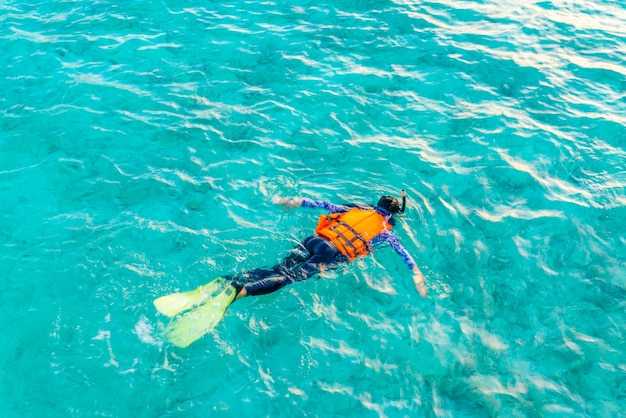
Plan a morning circuit around pinel to maximize chances of spotting marine life; calm water and visibility around 15–20 m help turtles and parrotfish pop against coral beds. Suited gear–mask, fins, and snorkel–keeps moves efficient. Extra buoyancy help reduces fatigue during days afloat near sandy patches. For snorkeling, ask local guides about currents and safe stops.
Close observation reveals green turtles grazing seagrass in sandy flats; parrotfish flash color changes while grazing on algal films; corals form a vibrant mosaic along shallow reefs that were healthier in past decades. Around sunken ship wrecks, barracuda and mullet schools may appear there. When currents shift, slow down and stop to let wildlife approach; this increases chance of quiet, respectful encounters.
Local rules emphasize no touching corals; keep distance from wildlife and avoid crowding popular stations. If you’re on a liveaboard itinerary, receive briefing before first dive or snorkel, then plan routes that minimize disturbance. Past excursions show respectful behavior yields richer observations from curious creatures rather than fleeing.
Smart timing matters: late morning or late afternoon often yields better light for photos and calmer seas. Tourists visiting by boat or netherlands charters frequently visit pinel and nearby coves; locals share extra information about currents, mullet, and nearby pinel reefs. Keep close to coral edges, avoid chasing wildlife, and plan routes suited for safety–dutchman wrecks dot close to shore, offering interesting targets for patient observers. Pinel remains popular, visited by tourists.
Past visitors who plan ahead on liveaboard itineraries report extra value when keeping currents in mind; you may receive practical tips from skippers or local divers about sunken ships and pinel reefs. If you keep a respectful pace and stop to observe, really nice moments unfold, and chances increase that you’ll meet curious turtles, mullet, or barracuda near sandy zones. Tourists often depart with wonderful memories and newfound appreciation for underwater life.
Best times, conditions, and safety tips for Petite Clef snorkeling
Start at first light, when breeze is mild and surface lies glassy. shallow bays near Petite Clef welcome a seasoned diver, with fish weaving through seagrass and a chance to spot a little turtle before crowds gather; travelers who previously snorkeled will recognize how calm this spot can be.
Dry-season windows run roughly from late November to April, when winds stay light and swell stays calm. visibility commonly ranges from 10 to 25 meters in clear pockets; after a light swell, water can appear really sparkling.
Safety: stay inside shallow belt and avoid touching coral; reef-safe sunscreen shields delicate habitats. Always watch for boats and ferries along sailing routes; pick entry during lighter harbor activity. If currents pick up, abort session and return to shore.
Gear and approach: suited for tropical water, bring mask, snorkel, and fins; a small buoy helps mark position; keep a modest footprint to protect seagrass bed and reef bowl. For next outings, add a wide-angle camera or smartphone in a dry case.
Wildlife: expect schools of tropical fish, occasional turtle glides, and possibly a dolphin breaking offshore. Petite Clef offers a calm bowl where visibility grows with sun angles; creole coast scenery enhances every moment near Saint Martin.
Information source: traveling blog notes spots next to a nearby resort; check sailing schedules, ferry timing from maho, and Saint Martin connections before heading out. источник