


 日本語
日本語  English (UK)
  Русский
  العربية
  한국어
한국어  Magyar
  Türkçe
  Español
  Čeština
  Svenska
  Português
  Ελληνικά
  Suomi
Suomi  Nederlands
  Română
  Italiano
  Français
  Polski
  Українська
  Deutsch
  简体中文
简体中文  Slovenčina
 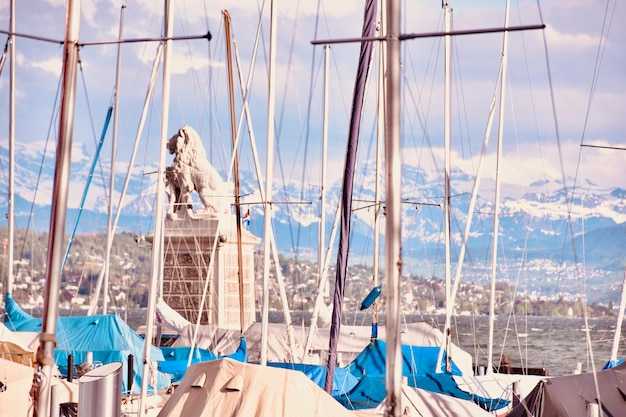 Best Sailing Destinations in Europe – Top Places to Explore">

Set course along croatia’s Dalmatian coast this late spring or early autumn, when crystal-clear bays and busy, bustling harbors align with a comfortable pace and reliable winds. This window offers a crisp initial experience for crews seeking a straightforward entry into coastal routes and sheltered anchorages.
Beyond croatia, map a sequence that links land and sea across bays and coves. The baixas shoreline, calm afternoon sails, and the flat water near markermeer provide varied practice for handling lines and buoyage. Choose prepared crews and anchorages that minimize risk during winter sessions and build confidence for longer hops.
For subscriber readers, a weekly briefing highlights wind windows, safe landings, and the routes that fit your pace and purposes, helping you time departures to maximize visibility and comfort on the water.
marys crews often trade notes from early-season hops, noting crystal-clear waters, busy ports, and the quieter coves tucked between islands. This adventure invites you to build experience, with a focus on safety, provisioning, and proper storm precautions.
Practical itineraries and sailing tips
Start with a 7–9 day Croatia loop: base Split, sail to Hvar, Korčula, Brač and Vis, then back to Split. Keep daily hops to 20–40 nautical miles, anchor in quaint coves, and enjoy promenades ashore in old towns. Choose those cheaper charters from smaller operators to curb costs, and time the trip for late spring or early autumn when weather and conditions are steadier. Check harbour fees and berthing rules on the website of local authorities, and use nautical centres for up-to-date information on moorings and fuel. During calmer mornings you can sail across sheltered bays, reserving marina nights for rest and provisioning. Ignore Titicaca-distance fantasies and keep hops practical to stay fresh for the next day’s breeze.
Another compact option runs along the Breton coast: Brest to Camaret-sur-Mer, Crozon, Douarnenez, and back in 4–5 days. Winds are typically Atlantic and can be fresh, so reef early and rely on nearby headlands for protection. Nights ashore in charming towns offer promenades, fresh seafood and a chance to refill supplies. This loop works well with a mid-size sailboat and allows free cruising through sheltered inlets, with shorter hops between coves during gusty spells. Use the website of port authorities and nautical centres to confirm weather windows, fuel availability, and mooring fees, then swap between protected harbours to preserve time and comfort, especially if you’re crossing between larger bays and smaller harbours.
Practical tips: monitor weather data every morning and plan the day’s leg around its forecasts; in all routes, have a backup plan for shelter when conditions sharpen. For those dipping into cross-country sailing, Elba can be a distant long weekend option if you extend across the Tyrrhenian, but keep Croatia routes within manageable distances to minimize fatigue. When choosing a base, look for centres with well-marked promenades, reliable maintenance crews, and on-site rental desks; book charters well in advance, especially in peak periods, and confirm exact pickup locations and handover procedures through the charter operator’s site or phone line. Fresh crews and flexible itineraries help maintain safety and momentum across days, while anchoring in coves that suit your plan reduces marina dependence and costs.
Croatia’s Dalmatian Coast – sheltered routes, island hopping, and charter tips
Base in Split and pursue a three-leg loop Split → Brač → Hvar → Split to keep sheltered routes while delivering island variety that fits diverse preferences.
Coastal coves around Brač (Milna and sheltering bays near Bol) and the Pakleni archipelago off Hvar provide easy berthing under lee from typical winds, reducing downwind stress. Winds typically run 10–25 knots in the afternoon, with calmer mornings, so plan short hops of roughly 15–25 nautical miles between stops and allow time for cliffside walks and seafood dinners.
Charter tips: work with official operators and confirm berth availability ahead of time; keep a flexible schedule to adapt to weather and port busy seasons. wang brokers and seasoned crews provide routes aligned with your preferences, from quiet mornings to bustling evenings, while ensuring safety briefings and compliant harbor procedures.
Three-leg routing between Split, Brač, and Hvar keeps the itinerary compact yet varied. From Split head to Brač for a cliffside coastline and the iconic Golden Horn in Milna; then sail to Hvar through the lee of Pakleni for tranquil bays or a bustling harbor feel, depending on mood. Local tavernas along the coast offer seafood feasts, while the island atmosphere remains authentic rather than polished–beauty that invites short, memorable stops with minimal long sails.
Seasonal conditions favor a cautious pace: typically short, manageable day sails allow time for berthing in small harbors, market visits, and the occasional shore excursion. Many routes are designed to provide safe passages while avoiding exposed channels, and you can confirm harbor dues and official requirements at each port prior to arrival. The three-leg plan offers a flexible framework to sail down the coast without overcommitting to stern-wasting days.
Local flavor comes with a side of mountain backdrops: the Velebit range and mainland cliffside towns frame the sea, enhancing the beauty of every anchorage. For a tasting menu, seek grilled seafood specialties, black risotto, and fresh squid in family-run eateries–short trips with big flavor that keep every day engaging for crews of all skill levels.
Greece’s Aegean Islands – best seasons, port calls, and must-visit routes
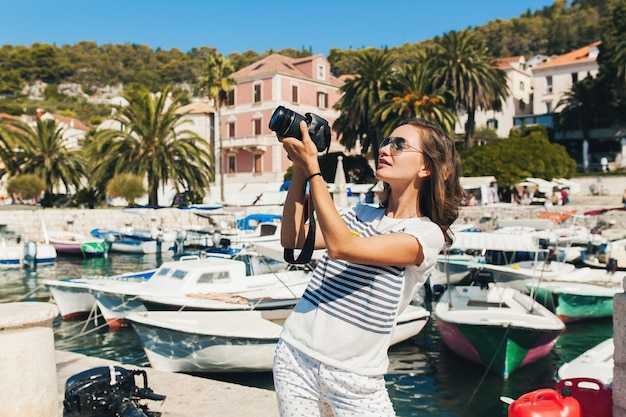
Begin late May for tranquil seas and dependable weather windows. Book berths early along Mykonos, Paros, and Naxos to secure sheltered harbors and dotted anchorages where needed, with a small buffer before the next hop.
From June through August, strong Meltemi winds can make longer hops less predictable; plan shorter legs, steady sail plans, and a well‑stocked budget for neccessities. Aim for light tides, smooth layovers, and relaxed on-board routines to keep adventures enjoyable even when weather shifts.
Port calls cluster along a handful of prized towns: Piraeus or Lavrio as starting points, then Mykonos, Paros, Naxos, Ios, Santorini, Milos, and Syros; ashore strolls reveal whitewashed lanes, tranquil tavernas, and views that glow under soft light as sunsets arrive. The turquoise seas frame every stop and the beauty is capricious in its clarity, inviting photo captures and a quick flickr session at dusk.
Coordinate with harbor masters and use VHF radio for slot timings, mooring, and fuel. This helps you keep schedule tight, especially during shoulder weeks when demand is moderate and most popular bays fill quickly. A handful of dependable harbors along this circuit provide steady services and reduced risk if a weather window narrows.
For budget ease, target a conservative route with 4–6 hour hops between islands where possible, and choose anchorages with ample water, dinghy docks, and shore facilities. On-board systems and crew routines can be streamlined by pre-planning mooring lines, lines of approach, and a clear plan for ashore time before sundown.
ischia
| Leg | Stops | Distance (nm) | Best window | 備考 |
|---|---|---|---|---|
| Piraeus → Mykonos | Mykonos | ~84 | Late May–early July; September | Protected harbor near town; ideal for first-night check-in; dotted coastlines nearby for short sails |
| Mykonos → Paros | Paros | ~20 | May–June; Sept–Oct | Gentle hops, reliable ferries; coordinate with local radio for harbor slots |
| Paros → Naxos | Naxos | ~22 | May–Oct | Handful of coves; strong light for views; ashore tavernas popular at sunset |
| Naxos → Santorini | Santorini | ~60–70 | June–Sept | Caldera panoramas; busy peak, book moorings early |
| Santorini → Milos | Milos | ~60 | May–Sept | Quiet anchorages in the southern bays; excellent turquoise seas |
| Milos → Ios | Ios | ~25 | May–Sept | Vibrant nightlife outlets but many quiet bays available for daytime rest |
Spain’s Balearic Islands – Mallorca, Menorca, and Ibiza: anchorages and day sails
Book early for Mallorca’s sheltered anchorages around Palma Bay and Cala d’Or (east coast), then keep your schedule flexible to switch to Menorca’s sheltered coves if a sirocco arrives. For each leg, confirm your berth and maintain a buffer of extra time in case winds shift.
From Palma, plan shorter hops of 8–25 miles along the southeast and south coasts; hours at sea typically range from 4 to 6, with waters that stay calm in sheltered pockets and offer quick dips between anchorages. Read coastal pilot notes to locate natural havens and secure a steady position.
In Menorca, the south coast offers calmer, deeper bays with secluded anchorages and ancient watchtowers along the shore. Read pilot guides. This helps confirm mooring options and registration requirements with harbour centres before overnighting.
Ibiza presents modern marinas and secluded bays on the west and north coasts; day sails can loop from Ibiza Town to Cala Conta, Cala Bassa, and back, powered by steady trade winds, typically 4–5 hours depending on wind.
For longer itineraries, sardinia or croatia offer alternatives to extend the loop beyond the Balearics; bohinj remains inland, but under a broader plan you can compare distances and hours to develop a balanced route.
Registration when staying on moorings or visiting protected reserves is necessary in many centres; be sure to read notices and confirm hours of operation, especially in peak months. Mallorca, Menorca, and Ibiza provide dependable services, and the possibilities vary by island so plan with flexible targets for daily leg lengths and anchorages.
France’s Corsica and the Riviera – coast highlights, harbours, and sailing permissions
Recommendation: secure a dependable charter with local operators and lock in harbours, slips, and slots six to eight weeks ahead; confirm rates and required documents by email and keep a buffer for weather shifts.
Corsican coast highlights span rock and cliffside towns along Cap Corse and around Bonifacio, Calvi, and Ajaccio; Bastia’s harbour offers a brisk, bustling atmosphere, while sunsets over rocky coves are famous for postcard views.
On the Riviera, harbours near Nice, Antibes, Cannes, and Saint-Tropez are bustling with activity; plan early to secure slots and slips, and to understand rates charged by harbour authorities; use channel and radio to monitor weather, berth status, and official uses of each port.
Practicalities: bring essential gear and a complete safety kit; verify what permits or permissions are required and keep windows of berthing in mind for each stop; contact charter operators to confirm restrictions and sample short hops that balance sea miles with time in town.
断崖のハイキング、文化的な発見、そして海の鼓動のバランスが取れたルートのみを検討してください。バイシャ、ボヒニ、ビーゴ、キクラデス諸島の情報を参考に旅程の目安とし、数時間の風上側の天候計画を立てれば、デッキや港での日々がより充実します。天候の変化に備え、港とメールで連絡を取り合い、夕日や街の散策のための柔軟なスケジュールを加えて計画を完成させましょう。.
ポルトガルのアルガルヴェ地方とマデイラ諸島 – 大西洋のセーリング好適期間と港湾の選択肢
アルガルヴェのラゴスから出発し、春先の海岸沿いをホップする準備万端の計画を立て、穏やかな入り江と穏やかな朝を利用して自信をつけ、より長い航海に備えましょう。ブレストの情報を参考に、外洋へのアプローチのタイミングを計り、有能なスキッパーと緊密なクルーが航海を安定させます。装備の準備を万全にし、航海計画を簡素化することで、町での食料調達や陸上での睡眠のための休憩を確保しましょう。.
- 大西洋の海域:5月~6月と9月~10月は、安定した西/北西の風と穏やかな海況で、ラゴス、ポルティマン、サグレス間の沿岸航海に適しています。前線が接近する場合は、ラゴスまたはポルティマンのマリーナで避難しながら、1日に20~40海里の航海を計画してください。.
- マデイラへの外洋航海:晩春または晩秋は、本土からの長い航海に、より安定した貿易風をもたらす。典型的な所要時間は風次第で3〜6日間。6時間ごとの当直サイクルを維持し、定期的に気象情報を確認すること。フンシャルまたはカマラ・デ・ロボスに到着し、陸上での睡眠か、状況に応じてマリーナのバースを選択する。.
- アルガルヴェ地方の港:ラゴス・マリーナ(水深があり、南西のうねりからよく保護されている);ポルティマン・マリーナ(より静かで、川へのアクセスが可能);フェラグードとアルブフェイラは、避難しやすい航路で短い距離を移動できる;オリョンとタヴィラは、食料調達や市場の開催日に便利で、乗組員や通行人が簡単に上陸できる。.
- マデイラ港の選択肢:フンシャル・マリーナ(主要ハブ、強力な補給、信頼できる避難場所)。カマラ・デ・ロボス(穏やかな夜を過ごせる漁港)。カルヘタ・マリーナ(より新しく、守られた入り口)。そしてポルト・サント(長い港、島での夜、マデイラ周遊後の良い足がかり)。.
検討する旅程は、アプローチとペースに多様性を提供します。アルガルヴェの海岸線に沿った弧を描くルートでは、簡単な航海でボートやクルーを試すことができ、その後、より露出した海域を通過する、より長い航海のために諸島を目指すことができます。.
- アルガルヴェ周遊(4~6日):ラゴス→ポルティマン→アルブフェイラ→タヴィラ(宿泊)→ラゴス。夜は穏やかに過ごし、港で補給、次の航海に向けて岸辺で仮眠することを重視。.
- アルガルヴェからマデイラへの航海(7~12日間):ラゴスまたはポルティマオでの準備、サン・ヴィンセント岬への接近、フンシャルまたはカマラ・デ・ロボスへの外洋航海、天候が許せばカジェタまたはポルト・サントへの寄港の可能性あり。船長が指示を出し、乗組員は当直を行い、必要に応じて陸上で上陸の判断を行う。.
- マデイラ島ホッピング(5~8日間):フンシャル → ポルト・サント → カルヘタまたはポルト・モニス → フンシャルに戻る。群島スタイルの停泊地を利用し、町を探索し、長い見張りの後は船上で寝泊まりし、その後町で食料を調達するのを楽しむ。.
自信を高めるための装備と準備:天気予報に対応した装備、悪天候用の重ね着、予備のロープとフェンダー、アンカーとチェーン、頑丈な救急キット、作動するVHF無線機と携帯用バックアップを備えた準備万端のキットを用意しましょう。 SARTとEPIRBに加え、長距離移動のための予備の燃料と水も用意します。 上陸して食事を作るというシンプルなアプローチは、乗組員の集中力を維持するのに役立ち、航海中の定期的な船長への連絡は、全員の足並みを揃えるのに役立ちます。.
アルガルヴェ地方の港の特徴と入港のヒント:ラゴスまたはポルティマンのマリーナへは上げ潮時に入港、河口付近の浅瀬に注意、穏やかなクルーと着岸すること。マデイラ諸島では、フンシャルへは陸地を右舷に見ながら沖からアプローチ、荒れた週には北西からのうねりに警戒を怠らないこと。状況が悪化すれば、カマラ・デ・ロボスはより穏やかな夜を過ごせるだろう。他方、ポルト・サントは区間の中継地として、より長期の停泊オプションを提供する。.
乗組員とスキッパーへの注意点:外洋区間では、即応できる監視体制、自信を持った気象判断、そして前線通過時に陸上で宿泊できる柔軟な計画が求められます。目安となる場所がお好みの方には、アルガルヴェの海岸線はアマルフィ風の入り江に似た雰囲気があり、マデイラの群島は港の選択肢に異なる趣を加えます。道中のヤシの木や市場はパルマで見かけるような活気を思い起こさせますが、ここでは大西洋独特のアプローチが必要です。.