


 日本語
日本語  English (UK)
  Русский
  العربية
  한국어
한국어  Magyar
  Türkçe
  Español
  Čeština
  Svenska
  Português
  Ελληνικά
  Suomi
Suomi  Nederlands
  Română
  Italiano
  Français
  Polski
  Українська
  Deutsch
  简体中文
简体中文  Slovenčina
 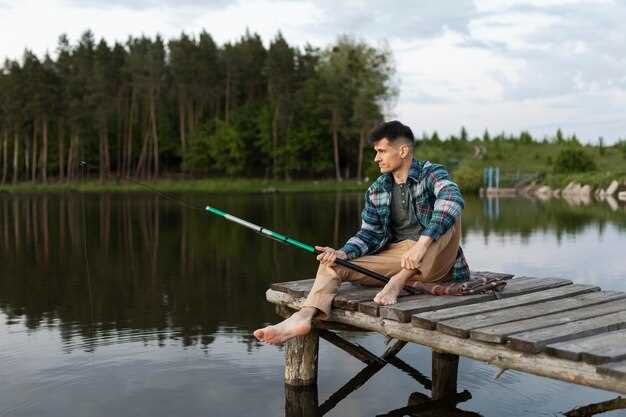 Best Pike Fishing in Maine – Top Spots, Tips & Gear">

Use a minimum 12 lb test fluorocarbon leader and a short 12–18 inch tippet tied to soft lures. Before someone heads out, understand the center of weedlines and current seams; within these zones the first strikes tend to come in calm mornings.
Over years of trial and error, the most promising location clusters around shallow bays, bends, and weed edges where cover concentrates. A single hot spot along a shoreline drop can yield multiple chances per trip when you pair a reliable lure with a steady, low-rate retrieve. Use an electronic depth finder to confirm a center-depth range of 6–12 meters, then present live shiners or a soft-bodied lure just above structure. Keep line tight and react fast when the target comes within reach.
During the period around spring pre-spawn and autumn turnover, water clarity and temperature shift, and the outcomes improve when you tailor color and retrieve cadence. A protective glove on the guiding hand and a confident, quite quick strike are part of the routine. Angler should read the location cues–weed edges, submerged timber, and drop-offs–then cast short, precise lines into the structure. For the angler, these cues are repeatable.
Beyond live shiners, dependable options include soft plastics and small spoons; color choices lean toward natural browns and chartreuse in stained water. For every trip, pack protective gear and a spare spool with a robust tippet. An electronic depth finder helps you center your cast on weedlines and holes, reducing wasted time. When you locate a promising spot, rotate through lures and adjust cadence to avoid overplaying a single location. Plan each period with a simple field log to track weather, water temps, and productive lures.
In This Issue
Target stillwater zones at dawn in lakes around fairfield, using a stealth approach to locate ambush areas along the bottom where logs lie on drop-offs.
Where structure transitions from shallow to deeper water, logs create cover that prove reliable indicators and guide targeted checks across the northern range.
Enthusiasts should rely on a guide to sweep the area, using a targeted plan that stays within the limit and minimizes disturbance; thats a core rule before moving on.
What to look for: location cues such as stillwater pockets, northern coves, and the bottom contour where drop-offs meet weed beds; this information helps you pick the next place to check.
Before you commit to a full outing, consult logs from a guide and enthusiasts to create a clear, targeted plan and to avoid unnecessary disturbance in quiet lakes.
The range of locations includes several fairfield-area lakes, where you can test different depths and timing; use this issue to map your route and set a practical limit on daily exploration. If you’re worried about disturbance, keep voices low and plan weekday checks.
Pushaw Lake: A Rising Hotspot for Northern Pike
Begin with a heavier setup and cast toward weed edges where shallow bays meet deeper pockets; aggressive Esox here respond to surface lures and often strike quickly. Use a two‑stage plan: start with topwater action at first light, then switch to deeper-running lures as the sun climbs. Thompson’s notes from local sessions emphasize structure-focused casts along outer weed lines, extending into bay mouths. Here is a practical path to success.
Pushaw Lake presents a broad fishery with miles of shoreline and several bays feeding into a central basin. Deep pockets reach roughly 20–25 feet, while weed lines stay active around 5–12 feet for much of the season. In the state, anglers have noticed an increasing interest in this waterbody, with more anglers finding productive windows as fronts move through and water clarity improves after periods of wind.
- Spot strategy: target weed edges near points and inlets; look for breaks where 8–12 feet slope quickly to 20–25 feet. Use sonar to map pockets and follow channel transitions that connect bays to the main basin.
- Tackle and hooks: using heavier tackle pays off here. Opt for a 7’6″–8′ medium‑heavy rod, 15–25 lb braided line, and a 20–30 lb fluorocarbon leader. Choose treble hooks or durable single hooks sized to match larger inline spinners and spoons.
- Lure selection: surface lures, large spoons, and bucktails draw aggressive targets; deeper baits like shallow‑divers or blade baits fill the middle zone. Here, larger presentations usually outperform small profiles, especially on guided trips or after fronts.
- Retrieval study: start with quick, aggressive pulls to provoke reaction bites, then pause briefly to invite follow‑up strikes. Backward sweeps along the edge can trigger wary fish during slower afternoons; alternating patterns help cover both shallow and mid‑depth zones.
- Timing and conditions: dawn and dusk windows tend to produce the strongest action, with water temperatures in the pleasant range for Esox activity. After fronts, expect higher success as fish move along weed lines and toward feeding pockets.
- Findings and local input: in recent seasons, reports show a steady rise in bigger fish taken from deeper pockets in late spring through early summer. The trend has paralleled an increase in separate lures being used, with others sharing that the best days begin with a broad search across 5–12 feet, then shift deeper as light and wind change.
Conclusion: to capitalize on this rising destination, keep your plan flexible–start with surface action to locate aggressive fish, then switch to deeper, heavier presentations to traffic the mid‑depth channels. Using precise casts along the edge and targeting weed–rock interfaces usually yields the strongest bites, while respecting local rules and conservation practices helps ensure the fishery remains productive for years. If you’re chasing larger specimens, expect longer spans between takings but a higher payoff when you connect; the lake’s structure and state of its fishery support increasing trophy potential, provided you stay patient and disciplined with your retrieves.
Pushaw Stream Pike: Access, Tactics, and Best Baits
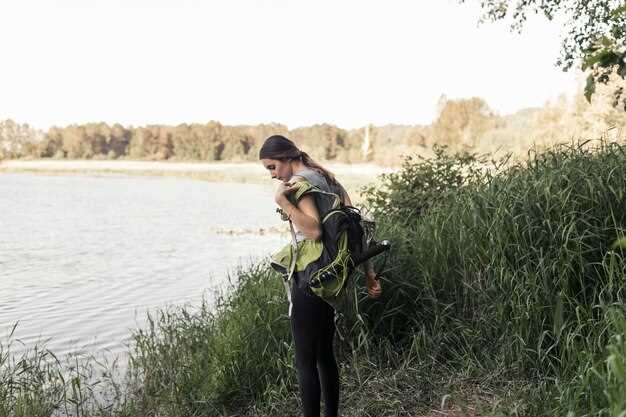
Begin with a concrete plan: approach from the public access at the stream’s mouth and work the nearshore weedlines using a fast surface lure; if days pass without takes, drop to a smaller, sinking pattern and perform a lifting, then sink retrieve to probe deeper pockets along the seams.
- First access: the public ramp at Pushaw Lake’s outlet gives quick entry to shallow shelves and the first weed edges–a reliable starting point for morning moves.
- Second access: Jenkins Road bend, with a narrow path to exposed current and deeper runs; use this as a backup when the main ramp crowds up.
- Whitlocks area: shore access on the west side; check signs and obtain permission if required, then focus on the channel edges where water moves faster.
The fishery responds to water and weather changes, so target zones that concentrate bait along rivers feeding the stream. Preferring spots where the current creates edge lines–weedlines, Ambush pockets, and the outside of bends–yields consistent action across days with shifting weather. Start with a surface offering to entice takes, then switch to a deeper, smaller pattern when fish hold in cooler, shaded areas; even when conditions remain calm, a fast, accurate stop-and-go retrieve can provoke line-tight bites.
- Access strategy: move along the stretch, comparing Jenkins and Whitlocks areas for bite timing; if one area slows, shift to the second to keep the action steady.
- Target zones: weedlines, current seams near inflows, and shallow bays that hold smaller forage; bigger specimens often hold just off the main channel in slightly deeper pockets.
- Action cadence: in clear waters, use a quick lift followed by a deliberate sink to mimic fleeing bait; on murkier days, keep the lure in the upper strata with a more aggressive surface presentation to entice reads and looks from wary fish.
When it comes to lure selection, think versatile, perch-patterns, and natural colors that mirror local forage. For many anglers, a surface plug yields fast action in the early light, while a sinking jig or plastics rig assists in deeper, shaded zones. Jenkins and Whitlocks note that preferring smaller, agile offerings early in the day often leads to taken bites, with bigger, more aggressive baits stepping in as water warms. Although the window can shift with weather and barometer shifts, the core approach remains consistent: entice with surface until fish commit, then drive through with a controlled retrieve to keep the lure moving in the strike zone.
- Best baits: use surface plugs to spark fast takes along weed edges and shallow shelves; switch to perch-colored plastics and small spoons that sink at a steady rate when fish retreat to deeper pockets.
- Bait patterns: smaller baits first, then gradually escalate to bigger patterns as the day progresses and the water warms–this sequence aligns with the tendency for bigger fish to move into the current pockets later in the day.
- Retrieve styles: incorporate a lift-and-will pattern, followed by a sharp pull with a paused sink; keep the line tight during the keep, then give the lure room to dive and reappear in the surface layer.
In practice, days spent chasing this predator around Pushaw Stream reward patience and a willingness to adapt; the surrounding waters, currents, and weedlines create multiple ambush zones that can yield multiple targets per session. Having a backup plan for shallower flats and a deeper seam helps ensure you stay in the action even when water clarity or light changes. Perch and small baitfish indices drive the bite, so matching those patterns with faster, accurate retrieves increases the odds of a crack in the surface and a successful lift at the end of the strip.
Top Spots for Maine Pike: Lakes and Rivers to Target
Begin with Umbagog Lake and downstream stretches of the Androscoggin spanning two states, in late spring, when temperatures rise and feeding activity increases. Focus weed lines and coves where warm pockets form near inflows and tributaries feeding the rivers; deploy bigger lures on 12- to 20-pound line to reach deeper schools.
Sebago Lake presents reliable pre-summer action as beaver ponds feed warm pockets along weed edges within coves that warm fastest. Look for young baitfish schooling near shallow points and along flats; try surface or mid-depth lures during early hours, then switch to faster-running plugs as temperatures climb.
Rangeley Lakes and the rivers downstream from that basin offer chances for bigger specimens; during the annual cycle, target the outer weed edges and the line where deeper water meets reedy bays. Early mornings and late evenings concentrate activity; cast larger lures that imitate fleeing bait and experiment with line choices to reach deeper targets.
Moosehead Lake provides extremely steady action for ones who cover the shallows and mid-depths; target coves where beaver activity has created structure, and chase warmer pockets along the shoreline as temperatures rise. Past seasons show that pictures from anglers confirm bigger individuals congregating near weedlines and outlets downstream.
Keep a compact kit: lures for cover, a reliable line, and fluorocarbon leaders for snag-prone areas; consider a trap rig for rocky banks and heavy cover. Follow pre-summer windows, stay within weedlines, and note annual shifts in activity; author notes and field observations help you adjust on the water and capture opportunities that last forever.
ギアガイド:パイク用ロッド、リール、ルアー&ライン
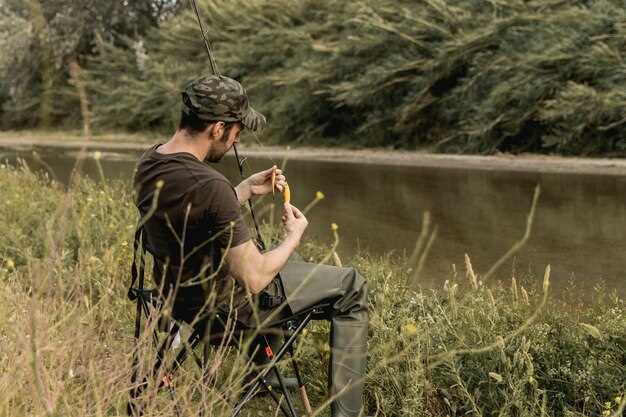
7フィート6インチから8フィート6インチの中重量、ファストアクションのロッドに、5000-6500シリーズのリールと50-80lbのブレイドメインライン、さらに20-40lbのフロロカーボンリーダーを組み合わせます。この長めの仕掛けは、風の強い状況でのロングキャストを可能にし、メイン州の止水や流水域にいる最大級のパイクをコントロールすることができます。.
スムーズなドラグとラインカウンター付きの丈夫なリールは、距離を把握するのに役立ちます。28〜36インチのフロロカーボンリーダーを50〜80ポンドのブレイドに結び、鋭い口によるラインブレイクを減らしつつ、深い場所でのアクションを維持します。この設定により、状況に合わせて素早くリーダーを交換できます。.
搭載するルアーは、白/シャルトリューズのストリーマー、重いバックテール、大きなスプーン、そして大型のハードボディルアーなど。異なる水の状態において何が最適かを見極めるために、同じキャストでストリーマーとスプーンの組み合わせを試してみる。この組み合わせは、メイン州の漁場環境で実績がある。.
止水では、ルアーを水面直下に保持し、長くてスイープなリトリーブで操作します。渓流では、より短く、きびきびとしたトゥイッチに切り替え、ベイトフィッシュの群れが集まる流れの際にルアーをキープします。そこはしばしばトラウトの生息地の近くです。.
カラーストラテジーは白、黄緑、オリーブが有利;クリーンなシルエットの単色が良く、水が澄んでいる場合はより明るい色合いが良いかもしれません;完璧なマッチを見つけるために、ニュートラルなトーンのオプションもいくつか試してみると良いでしょう、これが計画の一部です。.
メイン州の屋外水域でのライセンスを確認する必要があります。漁業当局はアクセスと携行制限を規制しています。川や湖の縁に沿った長距離の旅行には、予備のリールまたはバックアップのスプールを携帯してください。わずかなアタリを捉えるために、ラインの先端に小さな旗を取り付けてください。.
最大のパイクはウィードライン、水路、河口に沿って移動していた。適切な組み合わせと少しの忍耐があれば、どこでもうまくいくリズムを見つけ、新しいセットアップを試し、水が冷たくなる前に長く走ることを期待できるだろう。.
大型ノーザンパイクを獲るための電撃テクニック
プシャウでノースウッズの海岸線をたどり、丸太や水草の縁が待ち伏せ場所となる場所で、明るいストリーマーまたは大きなプラグを投げ、6〜12インチの短いストリップでズームさせます。すぐにロッドの先端をスナップさせ、ティペットを打ち込み、一瞬ポーズを置いてルアーを水になじませます。最初のサージの後に吸い込み、その後再開します。このアプローチは、特に水が濁っていてカバーが密集している場合に驚くほど効果的です。パターン選択には、ストライパーを模倣したストリーマーデザインが含まれ、キャスターは水面の反応を読みながらラインにテンションをかけ続ける必要があります。セッション後にはメモを共有して、次の腹を空かせた魚の波に対応できるようにします。地元の人々は、このパターンが特に木の構造物の近くの狭いポケットでよく釣れると信じていることを覚えておいてください。.
選択とタックル:20~40lbのティペットと、丸太の周りを長く走られても耐えられるバッキングを備えた丈夫なリーダーを投入してください。信頼できるスネルまたはループノットを使用して、ストリーマーまたは大型のミノー風ルアーを結びます。キャスターは、縁に沿って長く正確なキャストを行い、スイープ中は常にラインを張り詰めておく必要があります。この設定は、1日に複数のプロファイルをルーチンでテストする釣り人に好まれます。さらに、水の透明度とカバーの密度に基づいて色とプロファイルを調整し、すぐに確率を上げるようにしてください。.
タイミングとフィールドの感覚:最も有望なアタリは夜明けと、特に魚が浅瀬や中層チャネルを回遊するピークの摂餌時間帯に発生します。ストラクチャーに沿った筋から流れの継ぎ目まで、捕食者が水が渦を巻き、ポケットに後退する場所に移動します。アタリが来たら、すぐにロッドを固定し、強く引いてフッキングし、ストライクゾーンをルアーで貫通させます。温暖な状況下では、後で、渦や水路の近くで、より深く、よりゆっくりとしたリトリーブに切り替えます。戦術は天候によって変わる可能性がありますが、ノースウッズのパターンは、粘り強くラインを張り続け、一貫した練習がより大きな釣果への自信を築くことに気づくほとんどの釣り人にとって魅力的です。.
| Approach | Action | 備考 |
|---|---|---|
| 丸太の近く | 高速ストリップ | 6–12回、断続的に;アタリを感じるまでポーズ;竿先で水面を叩く |
| 草取りエッジ | 急加速 | ラインをぴんと張る;明るい色を使う;無音なら色を変える |
| ポケットは開けて | 長い一掃 | 後半は速度を上げること。糸ふけに注意。 |