


 日本語
日本語  English (UK)
  Русский
  العربية
  한국어
한국어  Magyar
  Türkçe
  Español
  Čeština
  Svenska
  Português
  Ελληνικά
  Suomi
Suomi  Nederlands
  Română
  Italiano
  Français
  Polski
  Українська
  Deutsch
  简体中文
简体中文  Slovenčina
  2025年に引退するのに最適な湖 – あなたの黄金時代を過ごす場所">

Tahoe stands out as a prime option when aging residents want a balanced climate and abundant shoreline access. Summer highs sit in the 70s–80s °F, winters bring reliable snow that supports walks and near-term health services in the Reno–Carson corridor, and the region supports long-term stays with solid infrastructure. Towns such as South Lake Tahoe offer walkable centers with groceries, clinics, and weekend markets, while wide valley views create dramatic photography backdrops along the shoreline.
In arkansas, Ouachita and Bull Shoals water bodies deliver historic towns along quiet coves and milder seasons than the plains. Ouachita spans tens of thousands of acres with docks and waterfront access; Bull Shoals covers roughly 32,000 acres with fishing-friendly coves. Housing tends to be more affordable than in Tahoe, and healthcare access remains strong in Hot Springs. A move that feels practical, you’ll find several communities offering varied walks, gentle hills, and photography opportunities along the shore; it isnt expensive to love a slower pace here, either.
Mono Lake in California introduces a different rhythm: dramatic wide horizons and surreal tufa formations create compelling photography backdrops. The climate is dry, with cold winters and hot summers, so it isnt crowded in peak season and you can structure visits around shoulder months. Infrastructure is lighter than Tahoe, which means planning ahead with essential services; however, a quiet lifestyle and historic mining towns along the region offer a solid chance to settle with space to spread out. Nearby, mono towns add lower-price options with similar scenery, widening the grid of potential sites.
Along the Lake Michigan shoreline near Chicago, urban access meets practical needs. The Midwest option provides proximity to healthcare, airports, and cultural amenities while keeping winter severity manageable compared with the Northeast. Towns along the shore offer walkable neighborhoods, farmers markets, and a strong brand story that Kristen endorses, with several communities delivering a good balance of quiet streets and access to nature-preserve trails for easy walks.
In the southwest, high-desert water bodies and reservoir towns present wide skies and sunlit days. Shoulder seasons bring milder conditions, while summers require heat-aware planning. A brand-driven approach and Kristen-backed recommendations highlight options that provide easy access to health care, trails, and photography opportunities near dramatic sunset viewpoints. The move into these communities appeals to those seeking a different pace and lower housing costs than coastal zones; several options exist across New Mexico and Arizona with strong quiet neighborhoods and robust outdoor walks.
источник data from regional climate reports and aging-resident surveys suggests these corridors stand out for sustainable years with balanced access to water, services, and social life. Each pick provides a wide range of activity–whether you prefer the historic charm of a lakefront town, the quiet coves of a rural water body, or the urban rhythm near a waterfront city. The Kristen-endorsed brand keeps updating picks as markets shift, but the core indicators remain: reliable health networks, walkability, and opportunities to capture compelling photography along the shoreline.
Mirror Lake, California – Best Lakes for Retirement in 2025
Choose Mirror Lake as a practical hub for retiring lifestyles seeking sunshine, outdoor water-based recreation, and easy access to centers for healthcare and social engagement. The site offers a flat terrain, a short shore loop, and a low-profile boardwalk that makes every visit comfortable for aging legs and visitors with mobility limits.
The view pairs alpine panoramas with beachside ambiance, particularly in late spring and early summer when mornings glow with sunshine. The water remains shallow in zones, inviting safe paddling and family-friendly swims, while the surrounding terrain keeps hiking options accessible for beginners and walkers alike.
- Terrain and access: gentle elevation, compact paths, and a forgiving loop around Mirror Lake; parking near the trailhead reduces walking distance.
- Outdoor recreation and water-based options: kayaking and stand-up paddleboarding allowed in designated zones; paddling itineraries connect with nearby trails; fishing along the shallow edges is feasible in season.
- View and sun exposure: consistent sunshine through late summer; broad Sierra vistas with Lake Tahoe glimpses; beachside pockets for picnics and photo tours.
- Nearby centers and services: Tahoe City and Truckee host medical centers, pharmacies, groceries, and cultural centers; 15–25 minute drives support quick errands and social events.
- Practical living and income potential: limited car needs for daily tasks improve budget stability; retirees can supplement income with light tour-related roles, equipment rentals, or guiding local exploration.
- Intelligence and planning guidance: insights from Stamboulis and Lummis emphasize sustainable, low-impact development that supports a stable retiree lifestyle while preserving sensitive shorelines.
- Environment and landscaping: man-made improvements, such as a boardwalk and signage, harmonize with native terrain; buffalo grass landscaping reduces irrigation and maintenance, keeping grounds visually appealing with low water use.
Bottom line: Mirror Lake provides top-tier ease of access, a steady dose of sunshine, and a compact, walkable footprint that suits retiring days. It serves as a gateway to broader Tahoe exploration, tours, and coast-like scenery, helping daily routines stay practical, healthy, and engaging.
Cost of Living Around the Lake: Budgeting for Retirement
Set a housing ceiling of roughly $1,900–$2,800 monthly in mid‑range lake-adjacent towns. In the Cayuga Lake region, a 1,400–1,800 sq ft home often lists around $300k–$380k; at a 6% rate over 30 years, the mortgage sits near $1,700–$2,300 each month. Expect property taxes to run $7,500–$12,000 annually, plus homeowners insurance around $70–$120 monthly. These ranges stabilize long‑term planning while leaving room to save for contingencies.
Utilities, groceries, and health coverage form the next major blocks. Utilities commonly run $200–$350 monthly (electricity, heating, cooling, water, waste); groceries typically $350–$650 monthly, depending on shopping patterns and meals. Medicare Part B premiums start near $170 monthly, with supplemental plans adding roughly $50–$250; total health spending often lands in the $220–$420 monthly band. These figures anchor a realistic baseline without sacrificing access to care.
Seasonality matters for crowds, lodging, and local services. Peak season can push lodging and short‑term rents up 20–40% versus off‑season prices. Shoulder months frequently bring calmer spots, cleaner views, and calmer trails, enabling longer stays at reduced costs while enjoying tropical‑like sunsets over calm bays or windy canyons on distant trips.
Location quirks shape the range. In Cayuga region and nearby Burlington, housing tends to be pricier than in tighter glens or smaller Utah towns near canyons. A modest apartment near a spot with easy access to trails and anglers usually trends lower than a waterfront house with full lake views. When aiming to minimize expenses, consider a mix of housing styles, such as a compact unit in a town hub and a seasonal cabin a short ride away, to balance amenities with affordability.
Take practical steps that translate into solid dollars saved. Audit actual spend from the prior year, categorize costs, and draft a 12‑month calendar highlighting seasonal spikes. Build a 3–6 month cash cushion before moving, and compare lodging options by month, not only by nightly rate. If located near Cayuga, a writer and an educator named Antonio illustrate a plan: Antonio, located near a glen, relies on shared lodges during off‑peak periods, while Martin operates a few nearby lodges that offer flexible stays to accommodate crowds and quiet periods alike. These approaches help youd book stays that fit a broader range of lifestyles while maintaining access to water views and easy access to angling spots or calm floats on calm mornings.
Practical tips to optimize housing costs include leveraging local economies, negotiating longer‑term leases during off‑season, and exploring adjacent towns with lower tax burdens. Educators and writers often find communities hosting meetups where costs are shared, such as co‑working spaces or book clubs near the lake, which reduce overhead while expanding social networks. You may also locate opportunity in nearby Burlington or even a Utah‑area town with access to canyons and trails; consider transportation costs when planning trips to excursions in these regions, and balance short weekend trips with longer seasonal stays to minimize travel expenses while maintaining a rich experience and frequent access to anglers, hikers, and sunset views.
Access to Quality Healthcare and Senior Support Services
Choose a small-town setting with a university presence and a dependable panel of specialists within a 30-minute drive to minimize disruption and support year-round independence; this choice comes with predictable access to coordinated care. A university presence matters. Care options come with predictable access.
Key indicators to compare include proximity to hospital systems, breadth of geriatric services, transportation maintenance, and the insurance network backing in-home care, telehealth, and after-hours access. Look for towns where care networks are integrated, confirm language support, and ensure monthly budgets align with costs.
Whether inland or near a scenic shoreline, towns that offer family-friendly clinics, social work support, and every monthly wellness check help they stay active; telemedicine connects care across the planet and reduces travel burdens. Tour facilities, meet staff, and review patient panels for transparency.
Universities and community colleges in countrys regions operate continuing education and training in aging-care disciplines. Vermont and Ohio provide a mix of public, private, and nonprofit options, along with stable insurance options and secure storage of medical records to ensure quick transfers if a move happens. They wont miss access to care, and care can stay above basic needs with maintenance programs that tend to keep costs predictable. Just enough supports exist, and prevention plus early management can bring costs down. Annual sale events at senior centers help offset costs.
| Region | Hospitals & Clinics | Senior Supports | Insurance & Records | Lifestyle Perks |
|---|---|---|---|---|
| vermont inland small-town | University-affiliated hospital network; outpatient campuses | home care, transportation, social work | local insurers; monthly premium options; telehealth | scenic surroundings; golf nearby; dunes nearby |
| ohio inland retreat locale | regional medical center; specialty clinics | care coordination, caregiver panels; storage for assistive devices | メディケア/メディケイドのアラインメント、民間プラン | 通年アクセス;水際での体験;家族向け |
湖周辺の不動産と住居の選択肢
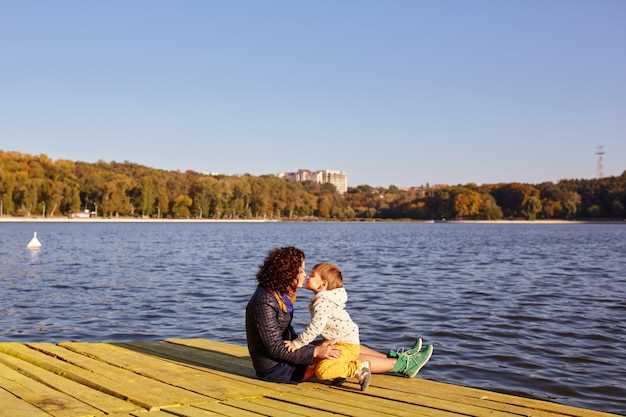
Recommendation: 手始めに、手入れの行き届いた2ベッドルームの低層マンションから始めましょう。 田舎町 歩いて回れる中心街、マリーナへのアクセス、そして近隣のキャンパスがあるウォーターフロント地区。 この構成により、 costs 妥当な範囲で実施 features オンサイトメンテナンス、セキュアなエントリ、そして容易なアクセスなど blue 水と adventures 周囲の山々で。.
heading 手がかり:手頃な価格、歩きやすさ、そしてキャンパスへのアクセスが最初の候補リストを形作るはずです。A property このタイプは、次のものを提供します. 範囲 高い維持費や長距離の運転を伴うことなく、ライフスタイル上の利点を享受できます。.
住宅のスタイルと手頃な価格は、地域によって大きく異なる:コンパクト property ~に関する開発 範囲 アメニティ(ジム、倉庫、自転車置き場、クラブハウスなど)が充実していることは、そのようなものを重視する退職者にとって魅力的でしょう。 print 材料と固体 results 訪問から。ネバダ湖水地方の典型的な価格帯は、高級物件に対する激しい競争につながり、コンドミニアムの場合、約35万ドルから110万ドルの範囲になります。; townhomes $450k~$1.4M、一戸建ては$600k~$2.5M。 海岸沿いの邸宅は2Mを超えることも多いので、正確なところを特定するのは spot 確実な再販ルートと利便性を備えた dinner オプションは不可欠です。近くに university プレゼンスは文化的なイベントを加え、 adventures.
ラミス主導のインフラ改善により、僻地へのアクセスが向上し、その地域を拡大しています。 範囲 歩きやすい近隣地域を増やし、流域全体の通勤時間を短縮すること。 mountains.
計画に含めるべき費用には、 HOA会費(月額およそ$100~$600)、固定資産税(管轄区域によって異なりますが、通常は評価額の0.7%~1.2%)、およびメンテナンス費用(年間で物件価格の2%~4%)があります。 融資を検討する際は、標準的な process 多くの市場で20%~30%の頭金が必要となります。ネバダ州では、湖畔の不動産に対し、金融機関が追加の準備金を要求する場合があります。情報を集めてください。 print 材料を比較する favorites 持続可能な選択であることを確認するために、オプション全体を確認してください。.
立地選定においては、以下を考慮に入れる必要があります。 bridge 公園への接続、近接性 dinner 場所、そして容易。 walk 市場へのルート。実用的な最初の行動は、3つを特定することです。 favorites 試乗訪問、メモの記録 blue 表示、アクセス adventuresそして costs 継続的に接続 processing. 近くの johnny ダイナーと、いくつかの dinner 場所は社交生活を測るのに役立つ 田舎町 コア.
たくさん。 計画を簡潔にし、核となるニーズに焦点を当てることで、時間を節約できます。. お気に入り 湖に近いこと、を含むべきです。, walk必要不可欠なサービスへのアクセス、そして予測可能なこと costs 余地を残す adventures and occasional dinner outing.
気候、季節ごとのアクティビティ、高齢者向けの屋外レクリエーション
穏やかな気候、長い日照時間、そしてアクセスしやすい水辺の近くにある平坦で整備されたトレイルがある地域を選びましょう。地元のサービス、医療施設、ボートランプは快適な生活をサポートします。自然の美しさと実用的なルーチンが融合した計画を立てましょう。森林や活発なパドルセッションなど、自然と社交的なひとときを組み合わせたい場合でも対応できます。.
- アメリカ各地の気候スナップショット
- アメリカ南東部は、温暖な冬、安定した日差し、そして沿岸部では穏やかな湿度に恵まれており、海岸線近くの舗装された道を毎日散歩するのに最適です。.
- 西海岸と山岳州は、夏は涼しく、夜はさらに涼しく、晴天の日が多いのが特徴で、高い森林の中での早朝ハイキングをサポートします。.
- 中西部と五大湖地域は四季折々の変化に富み、春と秋は過ごしやすい気候で、トレイルや水辺のアクティビティに最適です。冬には南部の一部地域で穏やかな気候となり、アウトドアを楽しむことができます。.
- 南西部地域は、日照量が多く、湿度が低く、空気が乾燥しています。野外での活動には、水分補給と日焼け対策を万全に。.
- 季節のイベント
- 春:雨上がりの森の小道は回復し、野花が咲き乱れ、鳥たちは見事な姿を見せてくれます。観察記録用の小さな本を持参し、浅瀬の奥地でバスを探しましょう。近くの家は、散策の合間に暖を取れる場所を提供してくれます。.
- 夏:早めに開始し、日陰で休憩、穏やかな水辺へのアクセスを楽しみ、海岸沿いの景勝地を巡り、公園での地元音楽を堪能。ファーマーズマーケットで新鮮な地元の味覚を味わう。.
- 秋:紅葉ハイキング、心地よい風、涼しい気温が長めの散歩を誘い、美しいパノラマや小川のせせらぎを写真に収めましょう。.
- 冬:温暖な地域では、晴れた日には短いハイキングが楽しめ、コミュニティセンターでは集まりが開催されます。雪が降った場合は、整備された簡単なルートを選び、適切な装備を用意しましょう。.
- アウトドアレクリエーションの必需品
- ハイキングコース:手入れの行き届いた、易しい傾斜の1~3マイルの周回コースを優先。可能な限り遊歩道を選ぶこと。.
- 水遊び:穏やかな湾や、安全なパドルや岸釣りを楽しめる浅瀬の入り江を選びましょう。バスは水草の茂みや、より深い場所の端によく現れます。.
- 安全:水上アクティビティの際はライフジャケットを着用し、コンパクトな救急セットを携行し、現地の太陽光への露出と暑さを考慮してルートを計画してください。.
- 地域ウォーキングクラブに参加したり、公園での音楽の夕べを楽しんだり。地元の屋台では、風光明媚な環境の一部として生活を豊かにする地域の特産品を提供しています。.
- ロジスティクス:より深く探求したい場合はガイド付き体験を予約。自然スポット、トレイル、原生地域へのアクセスを強調した地図を利用する。.
湖周辺の交通、アクセス、および地域社会の安全
まずは具体的な提案から始めましょう。交通の要所から徒歩圏内に位置し、住宅、市場、診療所、夕食の選択肢、そして歩きやすいウォーターフロントの中心部を結ぶ、途切れることのない歩行者・自転車道ネットワークが湖畔に広がる場所を選びましょう。.
公共交通機関は信頼性の高いサービスを提供しており、運行間隔も最小限に抑えられています。多くの地域では、ピークシーズンには15〜20分間隔でバスが運行され、マリーナへの季節限定シャトルバスや、水上タクシーやフェリーなどのオプションも用意されており、自動車での移動を減らし、アウトドア活動を重視する西洋的なライフスタイルをサポートしています。桟橋やドッキングポイントに近いことで、これらの水上オプションへのアクセスが容易になり、主要な広場にはライドシェアのハブが設置されています。道路は、家族が安全に移動できるように見通しの良い設計となっています。これらのサービスは、自家用車だけに依存しておらず、閑散期におけるレジリエンスを高めています。.
アクセシビリティ機能として、ADA準拠のスロープ、すべての横断歩道における縁石の切り下げ、横断歩道における触覚指標、視覚障害のある歩行者を支援する音声信号機などが含まれます。各ルートは、短い、明確に標識された区間を使用しており、夕食後やコーヒーブレイク後の散歩や、ちょっとした休憩をサポートするために、追加のベンチと日陰が設けられています。港と村の中心部の間には、電動車椅子やベビーカーに対応できるよう、脇道も整備されています。.
安全は、照明、見通しの良さ、そして活発な地域社会の存在から生まれます。この地域では、安全に関するリソース、パトロール、組織的な安全ウォーキング、そして個人の安全、水辺での安全、滑りにくい足元に関する教育者主導のセッションを提供しています。徒歩、自転車、またはライドシェアを利用する場合でも、公園、図書館、港を結ぶ明確なルートを利用してください。もし曲がり角を間違えても、多言語の案内標識が時間帯に関係なく安全に引き返すのに役立ちます。.
峡谷や湿地の中に位置するいくつかの地区では、タウンホームを含む多様な住宅が密集した中心部を形成し、自動車への依存を軽減しています。この環境は、温かいコミュニティ意識を育み、地元のギャラリー、市場、家族向けのイベントが探索を促します。ウォーターフロントの遊歩道から静かなピクニック用の木立まで、海岸線の広がりを探求する方法はいくつかあります。地形が変化しても、最も安全なルートは、明るく照らされ、交通が抑制された道路に沿っています。地域社会は教育者や警察と協力して、安全を最優先に考えています。公園やマリーナの間では、ファーマーズマーケット、野外コンサート、ガイド付きの安全ウォーキングなど、絶え間ないイベントが開催されています。道沿いで軽食や夕食をとり、多くのライフスタイルに適した風景の中で、近隣住民がつながりを保つ夕べをお楽しみください。この地域の峡谷、暖かい夕暮れ、そして水の静かな響きに気づく人もいます。そこは、風景と文化の中で自然につながりが生まれる場所です。.