


 日本語
日本語  English (UK)
  Русский
  العربية
  한국어
한국어  Magyar
  Türkçe
  Español
  Čeština
  Svenska
  Português
  Ελληνικά
  Suomi
Suomi  Nederlands
  Română
  Italiano
  Français
  Polski
  Українська
  Deutsch
  简体中文
简体中文  Slovenčina
 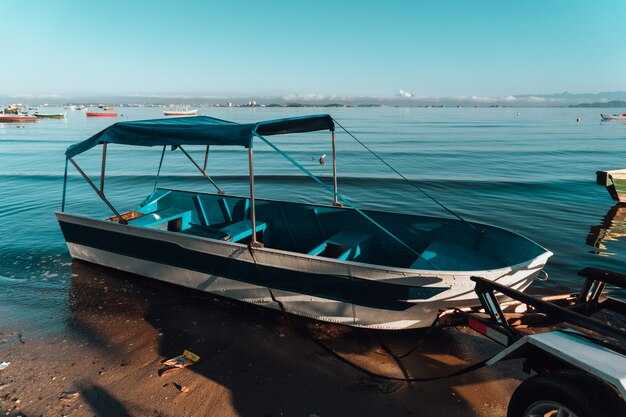 Best 15HP Outboard Motors for Small and Medium-Sized Boats – Buyer’s Guide 2025">

今日の購入者にとって、良い選択肢は、短いシャフトの軽量な4ストローク15HPです。このモデルは小型から中型のボートのクラスに適合し、トランサムにエンジンを軽く保ちながら、クルージングに必要な強力なトルクを実現します。手動プルスタートと信頼性のある… mount 標準のトランサム上で、セットアップを迅速かつ予測可能にします。.
オプションを比較する際に、以下の特徴を持つエンジンを探してください。 featuring 腐食防止とa high トルクカーブを中回転域で重視する。巡航速度で冷却を維持できるコンパクトなカウリングを優先する。 well balanced weight, and a mount that offers straightforward transom attachment. Choose a model with an easy マニュアル starting procedure and a propeller that fits your planing needs; this setup is todays advantage for boaters 厳しい条件下でも信頼性の高いパフォーマンスを求める人々のために。.
について outline for these 意思決定は、重量、シャフト長、燃料の種類、およびプロペラ互換性に重点が置かれます。. todays ボートは様々なので、ボートに合ったモーターを選んでください。 class and load. The factor that matters most is how easily the engine 引っ張る 始まり方と、どれだけスムーズに cruises 中速で走行します。サービス間隔を短く、予測可能に保つために、自宅の近くで部品やサービスが利用できることを確認してください。同じレベルの性能と耐久性を確保するために、さまざまなブランドのモデルを比較してください。.
Practical tips for a used unit: lower unit と gearcase にオイル漏れがないか点検します。オイルが left 外装にあり、使用感を示唆する。インストールする前に、プロップは removed 点検のため、マウントボルトが締まっていることを確認してください。チルト/トリムのリンクが自由に動くことを確認し、エンジンを 光 船に積み込む際にトランサムにバランスを保つために。.
結局のところ、15HPモデルを選ぶのが良いでしょう。 光, supports a マニュアル start, and offers an easy mount on your transom. For most boats in this class, 優れた特性を備えた丸型のエンジンは、数シーズンにわたって信頼性の高い性能を発揮し、クルージングの日々を楽しく保つでしょう。使用する outline 各ブランドのモデルを比較し、今日の市場で最高の価値を見つけるための速いチェックリストとして以下を参照してください。.
小型・中型ボート向け 実用的な15馬力アウトボードの選択肢
最良の選択:ヤマハ、ホンダ、スズキ、またはトーハツの、電動始動式と電子制御を備えた、長軸、15HPの4ストロークエンジンです。このセットアップは、ほとんどの小型~中型ボートでの一般的なボート使用法に対して、確かな性能、簡単な操作性、そして信頼性の高い長期使用を提供します。.
お客様のニーズに合う理由:15HPエンジンは、速度、重量、操作性のバランスをとっています。小型ボートでも安定性を損なうことなく扱い、それでも中型艇で安全に走行し、安定した操舵を維持するのに十分なパワーを提供します。ロングシャフトは、波の中でのトリムを維持し、プロップをクリーンな水に保ち、ドラッグを減らし、海が少し荒れていても加速を向上させます。水上での長時間の使用では、燃料消費量は十分に予測可能なので、頻繁な補充なしで燃料補給を計画できます。.
-
ヤマハ F15 (ロングシャフト、4ストローク) – 電子点火、オプションのティラーまたはリモートステアリング、そして信頼性の高いマウントを備えた堅牢な構造。ロングシャフトバージョンでは重量が40kg台半ばで、小型ボートや中型ハルの狭いターンに最適なバランスを実現。アウトリガーやポータブル利用に適しており、メンテナンスも容易で、広くサポートされています。.
-
Honda BF15 (ロングシャフト、4ストローク) – 静音性と燃料効率で知られています。 電気始動とチルト機能は、イキグセを簡素化し、長いシャフトはボートの周囲14〜18フィートのボートのクリーンウォーターにプロップを維持します。 毎日のボート遊びのために、滑らかな加速と信頼性の高い電子点火が期待できます。.
-
スズキ DF15A (ロングシャフト、4ストローク) – 低振動で安定した走行を実現する優れた電子制御を備えたコンパクトなパッケージ。ミッドレンジ市場での強力なサポート体制、簡単な取り付けオプション、そして信頼性の高いサポートネットワークが特徴です。重量とパフォーマンスのバランスが求められるボートに適しています。.
-
Tohatsu MFS15A(ロングまたはエクストラロングシャフト、四ストローク) – 予算にやさしい選択肢でありながら、基本的な信頼性を損なわない。幅広い入手可能性とシンプルなメンテナンス、そして簡単な取り付けとトランサムへの確実なグリップが特徴です。ボートが信頼性の高い電力と節約的な燃料消費を必要とする場合に最適です。.
マウントとステアリングに関する考慮事項:トランサムの高さがシャフトの長さと一致していることを確認してください(非常に低いトランサムの場合は短いシャフト、標準トランサムの場合は長いシャフト)。ステアリングに関しては、コンパクトなセットアップにはティラー、ボートにコンソールがある場合はリモート/電子制御を選択します。重心が低くバランスが保たれた位置にエンジンを配置することで、加速時や航行中のトランサムへの負担を軽減します。長距離旅行を計画している場合は、延長されたトリム範囲を備えたモデルを選択すると、波がある状況でも安定した乗り心地を維持しながら、船体の効率を維持できます。.
- トランサムの互換性:空洞化やプロペラが水面から浮き上がらないよう、シャフトの長さがボートのトランサムの高さと一致するかどうかを確認してください。.
- 操舵の選択:ティラーはシンプルさを保ちます。リモートまたは電子制御ステアリングは、カクテルまたはホイールセットアップを備えたボートに適しています。.
- 取り付け金具:頑丈なクランプを使用し、必要に応じてマウントプレートを使用して荷重を分散させ、重力の影響による位置ずれを防ぎます。.
- 電気機器の要件:電気始動および電子制御のために、信頼性の高いバッテリー、スターター、および配線を確保してください。.
performance and consumption guidance: real-world data depend on hull design, load, and gear. Plan for cruising around 3000–4000 rpm for efficient travel and reserve 400–600 rpm for trolling when needed. In typical conditions, expect mid-range fuel consumption in the low-to-mid single digits in liters per hour, rising with heavier load or higher speeds. With correct mounting and trim, you can preserve acceleration response without forcing the engine to run at peak throttle for long stretches.
long-term use and maintenance tips: stick with reputable service intervals, check gearcase oil, and clean the propeller periodically to maintain efficiency. An electronic ignition setup with clean connections reduces ignition faults and makes winterizing simpler. For smaller boats, using a 15HP with a solid mounting and stable steering helps you remain in control during sudden gusts or chop, while still leaving maneuvering room for anchored setups and docking.
quick buyer checklist: confirm shaft length, engine weight, electric start function, steering option, mounting hardware compatibility, and available service network. Verify that the model you choose has a robust warranty and clear maintenance guidelines to support your long-term boating plans. With the right 15HP engine, your small to medium boats will deliver dependable performance, practical fuel use, and easy operation for many seasons.
4 Suzuki DF15A: Core specs, boat fit, and standout features
For your small-to-mid-sized boat, the DF15A delivers reliable 15 horsepower in a compact, light package, keeping handling easy and efficiency high. If you want a dependable first-choice outboard, theres a strong case for this Suzuki model in the 15hp class, thanks to its balanced power and easy operation.
Core specs at a glance: 15 hp four-stroke; electronic fuel injection for efficient combustion; two cylinders; displacement around 357 cc; weight roughly 50 kg for the short shaft, with slightly more for the long shaft; shaft lengths commonly offered are 15″ (short) and 20″ (long); starting is typically manual recoil with optional electric start in some markets; ignition uses a digital CDI; cooling is water-cooled; gear ratio is tuned for small boats and varies by market, ensuring smooth acceleration and solid planing performance.
Intended for boats in the 14–20 ft range, including aluminum boats and small fibreglass runabouts. Its lighter weight helps with trailer handling, while the 15″ or 20″ shaft options cover most common hulls. In practical terms, you’ll achieve comfortable speeds on calm water and solid performance in modest chop, making it a common choice from manufacturers across the market.
Standout features: Smart EFI contributes to efficient combustion and a reliable spark, delivering smooth starts and consistent power. The DF15A stays light enough for one-person lift, simplifying installation and maintenance. Its design stays within the same engine family across Suzuki outboards, so parts and service are widely available, including from distributors who ship these units in containers for global coverage. Throughout the life of the engine, you’ll notice improved fuel economy, easier starting, and steady speeds that match a modern small-boat lifestyle. If you’re upgrading from higher-horsepower needs, this model preserves your hull’s balance and prepares you for longer trips or larger trips from time to time, without compromising reliability.
Key fit factors: shaft length, transom height, weight, and mounting

First, choose a 15-inch shaft for most boats with standard transoms; if theres a tall transom or offshore use, select a 20-inch shaft to keep the lower unit in water and preserve balance during acceleration.
Mounting accuracy matters: for best balance, align the shaft with the waterline so the full prop wash remains flush with the stern; measure distance from the top of the transom to the mounting bracket and confirm no contact with the hull when trimming fully up or down.
Weight balance matters: keep motor weight within the boat’s intended range and avoid overloading one side. If you add a battery or electronics to the stern, shift load forward, or use a counterweight to remain balanced and good on steering in conditions from calm to offshore chop.
Electronics and mounting: choose a tiller or electronic controls intended for the 15HP class; keep electronics protected from spray, use zinc anodes to guard against corrosion, ensure the distance between gearcase and transom is correct, and verify a flush fit to keep weight distribution predictable; this setup delivers long life and stays within 5-year specs for offshore use.
Fuel, RPM, and real-world performance benchmarks for 15HP models
Pick a model with a smooth, linear throttle and strong mid-range torque. From field tests, aim for a wide-open throttle (WOT) around 5,100–5,800 rpm and expect real-world speeds of roughly 14–22 mph on typical small boats, depending on hull weight and load. Two things to verify during trips are starting reliability and steady acceleration from idle without sudden surges. With lighter gear on a compact rack and a well-maired prop, you’ll notice better steering feel and more stable trim at cruise, which translates into calmer runs on longer outings.
Fuel, RPM, and practical performance align closely across 15HP models, but you’ll see clear distinctions between two-stroke and four-stroke designs. At a steady cruise of 3,500–4,000 rpm, expect fuel use in the ballpark of 1.5–2.5 L/h for most four-stroke units, while two-stroke designs can run 2.0–3.5 L/h under the same conditions due to their richer fuel maps. At WOT (5,100–5,800 rpm), fuel burn typically rises to about 3.0–4.5 L/h for efficient four-strokes and 3.5–6.0 L/h for many two-stroke designs. Real-world numbers vary with prop pitch, boat weight, and sea state, so run a test at your preferred cruise speed to establish a reliable baseline.
Starting reliability and mechanical resilience occur most clearly in practical tests. Look for engines that start cleanly on the first pull or key, hold idle without stalling, and maintain smooth throttle response under load. If you hear rough idling or see abrupt drops in RPM during acceleration, consult troubleshooting sections in the manual and check the fuel line, primer bulb, and spark plugs first. In corrosive environments or saltwater transport, verify that fasteners and the gearcase be inspected for corrosion signs and that an appropriate sacrificial coating or anodizing is used to extend the unit’s life. These things matter most on longer runs and racing-style sessions where extended operation tests reveal genuine performance margins.
When evaluating manufacturer data, compare not only torque at the prop but the overall unit quality: weighings, weight distribution, and how the steering feel changes as you trim up or down. A good 15HP package balances reasonable weight with easy transport, compact storage, and a manual that covers routine maintenance and common troubleshooting steps. If a model pairs a lightweight design with a sturdy gearcase and a quiet exhaust, you’ll notice less vibration and fewer corrosion concerns during extended use. For smaller boats with tighter space, consider designs that offer compact engine height and accessible service points; a well-designed unit makes routine checks quicker and reduces downtime between trips.
Maintenance, service network, and warranty considerations
Choose an outboard with a robust service network and a clear warranty policy from day one. Register the model with your dealer, keep receipts, and log hours in a dedicated maintenance diary so you can prove service intervals during a claim.
Perform a visual check of hoses, clamps, and the water pump impeller during every winterization or end-of-season check. Inspect the sacrificial anode and plug connections; replace the plug if corrosion shows.
For fuel systems, track consumption and check fuel lines; use fresh fuel and a proper fuel/oil mix for two-stroke; for four-stroke, drain and replace oil per hours.
Service intervals depend on hours and running conditions; common practice is 100 hours or annually for many models; older motors may require shorter intervals.
With distance trips, arrange a service plan linked to your travel pattern; confirm mobile service options in case of a breakdown.
Warranty terms vary by model; most brands offer 2 to 3 years on block and major components, with wear items excluded or limited; read the fine print.
On mounting, ensure the mount hardware is rated for the engine weight; a lighter unit reduces vibration and improves maneuverability.
Keep spare items that often fail on hand: plugs, impeller, sacrificial anodes, and a spare cowling to minimize downtime.
Team readiness matters: assign one crew member to transport and mount during trailer trips; another monitors running hours and oil consumption.
Examples: df6a is a compact model; verify support network and parts availability at local shops. Check cylinders and carburetor access where applicable.
Conclusion: a robust service network and clear warranty policy save time on maintenance and preserve the unit’s higher resale value.
Propeller selection, gear ratio, and initial setup for best response
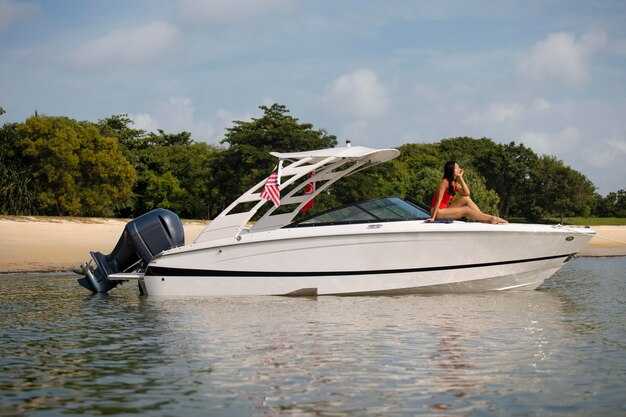
Starting with a 9×9 or 9×11 prop is the best starting point for most 15HP outboards on compact boats. This size delivers strong starting torque, keeps WOT RPM in a practical range, and provides a balanced mix of acceleration and economy for boaters cruising light loads.
Look at the engine’s gear ratio and blade designs. The number of blades matters: two‑blade props offer quicker bite and lighter feel; three‑blade designs transfer more torque into water for steady acceleration and better handling when carrying gear. For df6a and similar compact outboards, begin with a 9×9 or 9×11 and evaluate whether a switch to a 10×11 or 10×12 helps with mid‑range cruising under load.
Gear ratio guides how the engine’s RPM translates into propeller speed. Typical small outboards sit in the 1.83:1 to 2.59:1 range. If your WOT RPM runs high and you want to lower it for engine longevity, increase the pitch by 1 inch; if it’s low, reduce by 1 inch. This keeps performance within the desired window without sacrificing balance or economy.
Blade designs and pitch affect transfer of power into water. A two‑blade prop has less drag but may slip under heavier load, while a three‑blade prop provides smoother transfer and better acceleration through chop. Start with two blades for light loads and switch to three blades as you add people or gear to stay within the optimal RPM range.
Initial setup should focus on accuracy and repeatability. Use the manual to confirm the correct gear ratio and recommended RPM. Record the number shown on the tach at WOT, the prop size used, and the load you tested with. This helps you compare results over time and avoid guessing on the next change.
Here is a practical path that keeps you within a tight target and supports an economy-minded approach for cruising and daily use.
Click through the steps below when you’re ready to tune your setup, and keep an eye on the water temperature and battery health to maintain reliable starting and power transfer during the season.
To help visualize options, the table below summarizes common baselines and what to expect when you adjust pitch or blade count. This is especially useful for multi-engine arrangements or when you’re comparing two boats in a magazine or online guide.
| Prop size (diameter x pitch) | Gear ratio | Target WOT RPM | Estimated top speed with light load (mph) | 備考 |
|---|---|---|---|---|
| 9 x 9 | 2.08:1 | 5,800–6,000 | 14–18 | Baseline for compact outboards; good balance of start and economy |
| 9 x 11 | 2.08:1 | 5,600–5,900 | 13–17 | より良い経済状況、軽負荷時のグリップの緩慢化 |
| 10 x 11 | 2.08:1 | 5,400–5,800 | 12–16 | より重い負荷、または満載時の巡航 |
| 10 x 12 | 2.08:1 | 5,200–5,700 | 11–15 | より多くのギアを積んでの安定した巡航 |
| 9 x 9 (df6a または類似のコンパクト) | 2.0–2.2:1 | 5,900–6,100 | 15–19 | 小型船外機に人気; マニュアルを確認してください。 |