


 日本語
日本語  English (UK)
  Русский
  العربية
  한국어
한국어  Magyar
  Türkçe
  Español
  Čeština
  Svenska
  Português
  Ελληνικά
  Suomi
Suomi  Nederlands
  Română
  Italiano
  Français
  Polski
  Українська
  Deutsch
  简体中文
简体中文  Slovenčina
 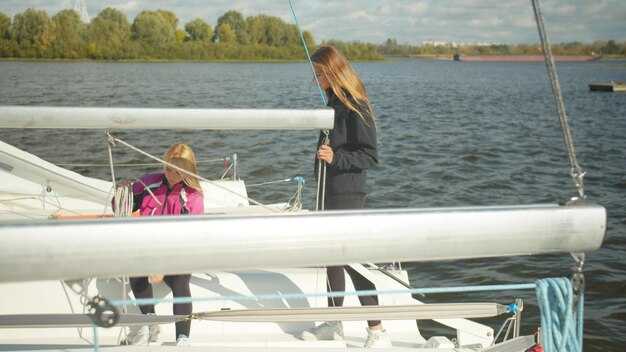 Benefits of a Boating Safety Course for Lifelong Boaters">

Enroll in an approved boating safety course this season, and you will gain a practical, repeatable framework you can use on every voyage. This training becomes a reliable ガイド you can trust under pressure, helping you stay calm when weather shifts or traffic tightens near shore. For those born to boating, this approach offers great value and adds a consistent structure that will benefit you for years to come.
The course include components on weather interpretation, navigation basics, PFD use, and signs of fatigue or equipment failure. You’ll practice emergency procedures and man overboard drills, which are critical for any vessel. Lessons are delivered by 承認済み instructors and align with standards used across canadas waterways, with some programs incorporating navy-style drills to build discipline and muscle memory.
Whether you skipper a small dayboat or a larger craft, the training offers a practical framework you can apply immediately. Something learned on day one translates to safer handling, easier communication, and fewer last‑minute decisions that can raise risk. The skills you gain have benefits that extend to every person on board and to family members who join you on future trips.
After completion, you will have a resource you can refer to again and again. The program will act as a ガイド you include in your pre‑departure checks and can be used to train new crew. It also helps you understand local regulations and required equipment, including emergency signaling and readiness, which improves safety on canadas lakes and coastlines as well as inland rivers.
To start, check for an 承認済み provider in your area that offers hands‑on on‑water components. Ensure the course includes a practical exercise and a clear feedback loop, delivered by instructors with real‑world experience. The signs of a strong program include updated materials, realistic scenarios, and a plan you can reuse on every outing, from harbor days to sudden weather changes.
NASBLA Approval Benefits for Seasoned Mariners
Take a NASBLA-approved safety course this season to make your operation less risky and more predictable. For seasoned mariners, the program sharpens risk awareness, updates regulatory knowledge, and tightens procedures during heavy weather, busy harbors, or motor passages. If a boat wants reliable on-water safety, NASBLA helps. If you want to stay in command when the weather shifts, this investment pays off.
Statistics show near-misses drop by 20-35% among operators who completed NASBLA training within the last two years. A captain who knows the limits of his boat makes faster, safer choices. The trend thats evident in incident charts confirms the value and could increase overall readiness.
NASBLA approval boosts credibility with ports, insurers, and rental clients. Operators themselves benefit from a common standard, making it easier to turn drills into real-life responses. Drivers alike appreciate predictable actions under pressure.
For seasoned crews, NASBLA-approved credentials help operators with inspections, reducing downtime and speeding up the review of charts and logs. In practice, teams review these documents regularly to stay aligned.
Investment in training fosters great readiness for emergency procedures, man overboard recoveries, PFD usage, and radio protocols. It helps everyone onboard know what to do when the situation demands quick action, boosting survival.
Insurance partners and rental fleets increasingly reward crews who hold NASBLA credentials with smoother onboarding, reduced premiums, and easier regulatory checks. Crew leaders think in terms of risk control, and NASBLA credentials support that approach. This could lower training costs over time and provide a clear return on investment.
To maximize value, choose courses that include real-world scenarios, charts, and practical checklists. Seek programs that cover weather interpretation, navigation rule basics, and emergency communications. Schedule a session within the next month to start reaping benefits.
Immediate, Actionable Skills for Your Next Voyage
Start every voyage with a 5-minute pre-departure check: confirm your completion card from a boating safety course is on deck, all life jackets are accessible, and a float plan is shared with a trusted contact. This cannot be skipped; it helps you head out with confidence.
Check current forecasts and signs of trouble every hour while underway: pull weather alerts from the authority forecasts, monitor wind and current, and note signs such as sudden chop, shifting current, or fog. Quick actions now can prevent a disruption that would destroy your trip, and theres always a chance this decision keeps you safe across states and maine alike.
Learn to operate your boat with a steady hand: whether you boated for decades or are new, maintain a 360-degree lookout, hold your speed steady in traffic, and use the bow and stern thrusters if equipped. Keep drivers in sight, follow right-of-way rules, and communicate intentions clearly on VHF channel 16. These practices save time and reduce risk on busy waterways.
Run a fast man overboard drill on each trip: throw a throwable device, call Mayday on channel 16, and steer toward the person using a simple arc. After the maneuver, complete the drill そして log the completion in your boat’s logbook and review what went well. This habit can save a life and make a difference in your response, reinforcing your situational awareness.
Build a practical safety toolkit you can use without delay: a waterproof map, a diagnostic flashlight, a whistle, and a small spare fuel plan. Keep this kit where it can be reached in seconds, and review it when you refuel or pass through busy waterways. The kit reduces downtime and keeps you functioning even in rough weather, quite actionable from day one.
For americas coastal cruising and trips into canadas, know where to access resources from maine to the Great Lakes and beyond: coast guards, rescue agencies, and local boating authorities publish current advisories and checklists. Keep the authority number saved, and know how to contact emergency services if you need help. After completion of your next course, carry the card and share what you learned with your crew. These steps are an 投資 in safety for americas boaters and strengthen the broader community.
What NASBLA Approval Covers and Why It Matters
Get NASBLA-approved training to ensure your certificate meets state requirements and transfers across territories.
Born from a practical safety mindset, NASBLA-approved courses cover the core info needed to operate boats and motor-powered vessels of various sizes safely across states and territories. The approval signals that the course meets nationwide benchmarks for boater education and aligns with best practices for on-water safety.
- What the approval covers
- Fundamental safety concepts, right-of-way rules, and navigation basics
- Equipment requirements, including life jackets (jacket) and signaling gear
- Operating practices for boats and vessels of different size and motor types
- Hazard recognition, risk management, and decision-making while afloat
- Communication, emergency procedures, and basic rescue info
- Environmental stewardship and responsible boating behavior
- Info learned about laws, penalties, and responsibilities that keep crews safe
- Delivery and verification
- In-person and online options, including boat-ed as a recognized provider
- Assessments and knowledge checks to confirm skills learned
- 地域を越えた証明の移転を容易にする記録管理
- 免許、資格、年齢別または船舶別の規則の要件を満たしていること
- モジュール数および時間数は柔軟に対応可能で、多くの場合、地域によって異なります
- NASBLAの承認が重要な理由
- ボートに乗る人は誰でも、一定水準の安全スキルを頼りにできます。
- その資格は、艇学の進歩や継続的な安全対策においてしばしば重要視されます。
- 越境認定は、旅行や引越しの際にコースを再度受講する必要性を軽減します。
- ボートや動力船の操縦における安全に焦点を当てた実践的な取り組みは、事故の削減に役立ちます。
- 配信フォーマットは、対面式やオンラインなど、さまざまな学習スタイルに対応しています。
- 承認の検証と使用方法
- 証明書と教材にNASBLAの承認マークがあるか確認してください
- NASBLAの公式リストを確認し、プロバイダーのステータスとコースIDを確認してください。
- コースがどの地域および要件を満たしているか、特に複数のボートを所有している場合は、プロバイダーにお問い合わせください。
- 要件は規制の更新によって変更される可能性があるため、情報を常に最新の状態に保ってください。
- 生涯ボート遊びを楽しむための実用的な推奨事項
- 要件を満たし、応用可能なスキルを習得するために、対面式やボートエデュケーションコースなど、NASBLA承認のオプションを選択してください。
- 様々なサイズの船舶における、習得したスキル、PPE の使用、安全な操作を重視するコースを優先する。
- 規則および機器基準の変更に対応するため、定期的に知識を再評価してください。
- この証明書を、ボートの安全に関する継続的な進歩と、新たな挑戦への準備ができていることの証拠として活用してください。
現実世界の航海規則
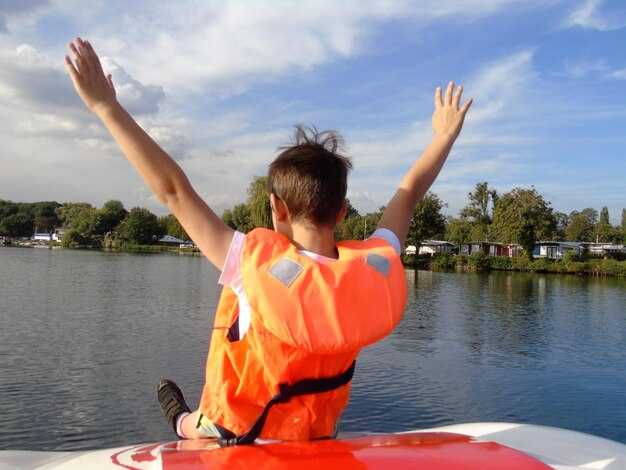
早めに対策を講じましょう:速度を落とし、対向船や横切る船に十分な間隔を与え、常に360度の見張りを実施してください。航路が合流する場所では右側通行を守り、危険性を明確に評価できるまで、安定した制御された速度を維持してください。乗組員に集中を促し、水面を警戒することで、特に船舶の大きさが異なり、対応者が近くにいる可能性のある混雑した港湾エリアでは、衝突を未然に防ぐことができます。.
実際の状況では、保持船は針路を維持し、避航船は早期に回避行動を取る必要があります。 不安な場合は、明確で短い無線連絡や汽笛信号を使用し、遅滞なく進路を変更してください。 このアプローチにより、あなた、乗組員、そして水上で現場に呼ばれる可能性のある近隣の対応者のリスクを軽減できます。.
実際には、船舶の大きさと種類に応じて行動を調整してください。大型のモーターボートは小型のランナバウトよりも停止距離が長くなるため、より広い間隔を保ち、水上での接近を避けてください。落水した場合、低体温症のリスクが高まるため、PFDを着用させ、暖かい服を用意しておきましょう。オンラインで規則とシナリオを確認し、NASBLA承認のトレーニングプログラムを受講すれば、実践的な訓練を受けることができます。正式なコース以外にも、クラブセッション、マリーナセミナー、オンライン練習など、多くの場合低コストまたは無料で提供されており、お金を節約しながら自信をつけることができます。.
実用的なオンボードチェックリストを維持する:追い波に注意、VHFを作動状態に保ち、役割(見張り、スロットル、無線)を割り当てる。特に風、潮流、交通量が増減する場合は、計画に柔軟性を持たせる。NASBLA認可のオンラインコースや対面訓練で学んだ教訓を応用することで、事故を回避し、乗組員と船舶を保護できる可能性が高まります。.
事故防止のための機器点検と船舶の準備状況
すべての旅行の前に、出発前の機器チェックリストを完全に行い、計画時にすべての乗組員が準備できていることを確認するために、項目を簡単に確認してください。これは推奨されるプラクティスです。.
ボートに乗る際は、まず安全装備から。各PFDが認可済みで、適切なサイズであり、すぐに取り出せることを確認します。投げ込み式の救命浮環も搭載し、すぐに手の届く場所に置きます。消火器の充電量と期限を確認し、ゲージが低い場合は交換してください。信号装置が最新で、すぐに使用できることを確認します。アンカー、ロープ、チェーンの磨耗をチェックし、ビルジポンプと自動フロートスイッチをテストし、バッテリー端子を清潔に保ち、固定されていることを確認します。乗組員全員が協力し合う姿勢を保ち、全員が装備の場所と使い方を知っているようにしましょう。この習慣が、すべての航海でボートの安全を支えます。工具と予備の装備は、乾燥した、すぐに取り出せる場所に保管してください。予備の部品はラベル付きの箱に戻して保管します。.
装備を法規および現地の法的要件に適合させます。登録や現在の保険加入状況など、船舶の書類を確認してください。曳航や水上事故を補償する保険に加入していることを確認してください。規則が明確でない場合は、現地の海事当局または港湾ウェブサイトに記載されている公式の法規を参照してください。ウェブサイトにすべての規制が明記されているとは限りません。クラブまたは沿岸警備隊事務所に確認してください。古い船の場合は、故障の原因となる可能性のある磨耗の兆候を把握するために、より頻繁に検査をスケジュールしてください。.
出発前に最初から最後まで点検を実施:船体に損傷がないか検査し、スルハルが確実に固定されているか確認、プロペラにへこみがないか確認し、操舵とスロットルの反応をテスト。電気系統に腐食がないか点検し、航海灯、VHF無線、GPS、バックアップ電源をテスト。燃料の品質を確認し、漏れを防ぐためにラインとフィッティングがしっかりと締まっていることを確認。何か問題が見つかった場合は、修理が完了するまで旅行を延期する可能性があります。小さな問題が水上でより大きな問題に発展する可能性があるためです。.
点検およびメンテナンスのすべての記録をデジタルまたは紙で保管してください。ウェブサイトを利用して、安全装備の割引が利用できる場合は申請し、有効期限を明確に記録してください。保険、登録、および該当する安全基準の要件のコピーを船内に保管してください。これらの書類は、問題が発生した場合に法的立場を裏付けるものであり、検査時や事故後の保険金請求時にも役立つことがよくあります。.
正式なルーチンから始めることは、季節を問わず乗組員の意識を高め、ボートの安全性を保つ上で役立ちます。一体感のある心構えがあれば、変化にも対応できます。航海後には、何がうまくいったかを振り返り、摩耗の兆候や潜在的な問題点を記録します。チェックリストとトレーニングを更新し、乗組員の連携を維持します。さらに安心が必要な場合は、保険会社または認定された安全講習プロバイダーに相談し、定評のあるクラブが提供する豊富なオンラインリソースを活用してください。目標は、一度限りの努力ではなく、継続的な準備です。日々の実践をサポートするために、手順と装備の場所をまとめたクイックリファレンスカードを船内に保管しておきましょう。.
再教育のタイミングと再認証の要件
水上オートバイの運転に関する基礎とテクニックを最新の状態に保つため、nasbla 承認の再講習コースを 3 年ごとに受講してください。.
州は様々な期間で再認証を発行しており、国の枠組みは3年間を軸とすることが多いですが、船舶の種類や地域の規則によっては、一部の州で最大5年までの延長を認める規定が増えています。.
コンプライアンスを維持するため、有効期限の3~6か月前にリマインダーを設定し、NASBLA承認のリソースを使用して、現在の安全対策を自身のペースで確認してください。.
締め切りに間に合わなかった場合、簡単な復習ではなく、フルコースを再受講する必要が生じる可能性があり、時間、費用がかさみ、ボートのスケジュールが遅れる可能性があります。.
この再教育では、基本、安全な操作技術、低体温症の認識、PPEチェック、および担当区域内でのリスクを軽減する意思決定について取り上げます。.
発行されたすべての証明書を1か所に保管してください。これにより、登録、保険、および更新の確認時に必要となる要件を満たすのに役立ち、州全体の国家基準を満たすことをサポートします。.
講習を選ぶ際は、自分の水上バイクの種類と地域に合ったNASBLA認定プロバイダーを選択してください。多くの講習には、自分のペースとニーズに合わせてレビューや進捗状況の追跡機能が含まれています。.
| Area | 代表的な間隔 | 備考 |
|---|---|---|
| 全国ベンチマーク | 3 years | 多くの nasbla 承認コースで使用されています |
| いくつかの州 | 2~5年 | 発行された資格情報を確認してください。更新は船舶の種類または地域の規則によって異なる場合があります。 |