


 日本語
日本語  English (UK)
  Русский
  العربية
  한국어
한국어  Magyar
  Türkçe
  Español
  Čeština
  Svenska
  Português
  Ελληνικά
  Suomi
Suomi  Nederlands
  Română
  Italiano
  Français
  Polski
  Українська
  Deutsch
  简体中文
简体中文  Slovenčina
 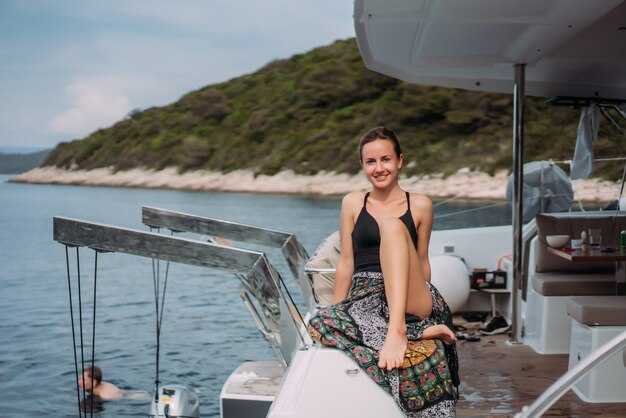 Bahamas Abacos Yacht Charter & Sailing Vacations – Your Ultimate Guide">

Start with a 7‑day loop: hopetown, mangroves, and fresh catches–this concrete plan sets expectations and time for each stop. Pick a vessel that fits the group (4–6 guests) and a capable captain comfortable with remote harbors. For american travelers, having a seasoned skipper saves money and avoids weather misreads, while keeping the pace steady and enjoyable.
Itineraries here vary, offering a variety of short hops and longer passages. Each route narrows into sheltered lagoons, pristine mangroves, and early morning lines. You’ll visit hopetown’s harbor, Albury, Green Turtle Cay, and Man‑O‑War Cay, then back to the main channel. Those days deliver sun, salt air, and a gallery of sky pictures at sunset.
Timing and costs: The best window is late fall through spring, when trades are favorable and water stays warm enough for snorkeling. Budget guidance: choose a crewed float for predictable money outlay; a bareboat option invites risk and fuel surprises. Two to three mornings dedicated to fishing produce fresh catches; those meals aboard boost morale and make meals back on deck memorable.
Harbor notes: hopetown offers a sheltered anchorage with a sandy bottom and shallow reefs nearby. Albury provides calm moorage and a quick land excursion for coffee and a chat with locals. Mangroves along the interior give sanctuary for birds; if you went ashore, you could map those waterways by kayak and see green water reflections in the shadows of mangrove roots.
Equipment tips: bring a compact camera to capture sunrise in front of the gallery‑like skies, and a light, dry bag for protecting electronics during a mangrove drift. Fresh groceries come from small markets on Albury and in Hopetown; money, a spare SIM card, and a reliable weather app keep everyone prepared. Here, you’ll learn to read the wind and adjust course to avoid afternoon squalls.
Itineraries tailored for every interest exist: family days with shallow snorkeling, american crews chasing bonefish, photographers chasing color from the aft deck, and those seeking solitude. Weve found that having a balance of two anchor days and one full‑day island hike keeps energy high. Kick off with a sunset sail, then land for a picnic on the beach, and finish with a quiet night under the stars.
Final note: this route emphasizes hands‑on experiences–fishing, mangrove tours, and local art galleries–while keeping the pace accessible and safe. Plan with a local operator who can adjust itineraries on the fly and add fresh stops if conditions allow; you’ll return with stories and a renewed sense of escape, back home with a new appreciation for blue horizons and rugged coastline, ready for the next voyage.
Gourmet on the Water: Practical Cuisine Guide for Abacos Charters
Plan a three-day provisioning cycle: select two mains from the reefs (yellowtail snapper or grouper) and a shellfish dish (conch or lobster), plus a vibrant vegetarian option, and arrange a mid-trip restock with a trusted vendor in the following ports.
Shop abacos village markets for citrus, tropical fruits, breadfruit, and leafy greens; stock dairy and bread from reliable suppliers, and align purchases with the year-round climate and seasonal harvests here.
Maintain the cold chain in the galley: insulated coolers, clearly labeled quarters, and close attention to the condition of fish–clear eyes, firm flesh–before cooking to 63°C (145°F).
Craft sauces with lime, coconut, and herbs; fold in african-inspired spice blends and american-style rubs to diversify flavors.
Grill fresh catches on a deck rack, bake flatbreads in a compact oven, and keep a crystal bowl of water and citrus on the counter; ensure a serene rhythm of meals while soaking in tropical bliss.
Night dining beneath a soft firefly glow elevates the mood; respect quarters by planning simple, low-waste plates; follow local fishing rules around reefs, and note that turtle protections apply in many harbors; visit lighthouse villages for coastal light and local american-style taverns.
Here, the following approach yields unforgettable meals across year-round warmth, with hope in each plate and a kick of discovery.
Core Dishes to Sample Aboard: Conch, Lobster, and Bahamian Classics
Begin with conch fritters at a dock between mangroves, where catamarans glide by and the laid-back vibe makes the experience effortless. That bite is likely to be a picture-perfect start and also gives weve time to settle in before exploring more flavors around the north coast and hidden coves.
- Conch-focused bites
- Conch fritters: crisp, golden, with a citrus dip.
- Conch salad: diced conch with tomato, onion, lime, and peppers; pick up peppers at the grocery to boost freshness.
- Conch chowder: creamy, coconut-forward, a hidden gem in boutique-lined harbors.
- Lobster delights
- Rock lobster: grilled with garlic butter; buy the catch fresh at a morning market and cook it before the heat fades.
- Lobster tail with citrus beurre blanc: a refined choice for a picture-perfect dinner as the sun sets.
- Lobster boil: a social, one-pot option that works well aboard a bareboat rig with a small crew.
- Bahamian classics and seasoning
- Cracked conch: light batter, fried crisp, great as a stop-and-go lunch beside a quiet place with mangroves in view.
- Stew fish or fried fish with johnnycake: sturdy and satisfying, often the anchor of a midday repast around the north coast.
- Guava duff or a simple sponge cake with rum sauce: a traditional finish that blends with African-influenced spice blends.
- Rice and peas with pepper sauce: a staple side that carries flavors widely across the archipelago.
For the on-water cook, competence matters. Plan with the knowledge-theory of flavor and keep the kitchen simple to fit the electricity-hungry galley of a bareboat. Before you set out, do a quick grocery run and map a few practical stops so you’re not chasing a stop every hour. The experience hinges on staying settled and being able to shift plans if a hidden anchorage offers a more evocative scene; thats when the voyage becomes something more than a routine, a true, also picture-perfect meal-and-moment. If you’re able, keep things compact and scalable so you can enjoy the surroundings around dockside towns and boutique-lined harbors without compromising competence.
Provisioning 101: Shopping for a Week in Abaco, Marsh Harbour, and Treasure Cay
Do one efficient provisioning run the day before departure: hit petes for staples, then top up at the harbour market for produce and dairy; choose weeklong supplies that suit your crew, from rice and pasta to canned tomatoes, beans, oil, coffee, and breakfast cereals. Add fresh eggs, butter, hard cheese, fruit, and a couple of pounds of local fish if possible; keep a small stash of refrigeration-friendly items for nights when the tide runs calm and the anchor holds.
Pack smart storage: deploy a compact plymouth cooler and a wooden icebox to extend freshness; separate raw from ready-to-eat items, label days by use, and wrap herbs in a damp cloth to slow wilting. opt for cheeses and yogurt that travel well, and plan for two days of seafood or poultry so you can unwind without last‑minute scrambling.
Build a weeklong menu around three core staples–rice, pasta, and beans–plus two protein options and plenty of fresh produce. Favor reef‑caught fish when available, but keep reliable backups like canned tuna or chicken thighs. Craft five dinner ideas with simple sauces, citrus, and greens, and marshal breakfast and lunch around oats, bread, eggs, fruit, and salad. Apply knowledge-theory to portioning so one couple or small crew avoids waste while leaving room for occasional treats from island heritage markets; you went coastal once, you can repeat the pattern with local twists.
Plan the logistics around the rhythm of the harbour area: stores often close before dusk, so buy water, ice, dairy, and perishables first; space planning matters, so pack dry goods in sealable sacks and keep a dedicated space for fish and poultry. Expect year-round warmth and occasional gusts; choose a calm day for re-stocking if the forecast calls for rough seas. For beaches with white-sand sands, reserve a few days to unwind and refresh after cruising; last nights on deck benefit from simple, light meals, a cup of coffee, and a steady breeze that keeps the crew comfortable as you prepare to sail again.
Onboard Menu Templates: 7-Day Dinner Plan for Yacht Charters
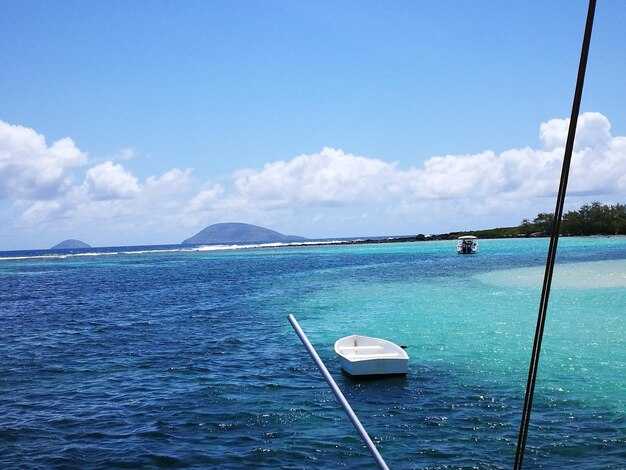
Start with a core, flexible dinner setup that minimizes provisioning and keeps the crew happy: a single protein, a dependable starch, two vegetables, and a pairing sauce that can be scaled up or down that calm, settled rhythm throughout the itinerary.
Day 1 – Citrus-crusted fish with herb rice: Quick sear of firm fish, lemon zest crust, fluffy herb rice with parsley. Pair a cucumber-dill salad with a light yogurt dressing that blends brightness with creaminess. This open, refreshing start leaves room for wine and a calm evening on deck as the tide slips by.
Day 2 – Coconut-lime chicken with mango salsa: Pan-sear chicken thighs, simmer in coconut milk, lime juice, and ginger until tender. Serve with jasmine rice and a vibrant mango salsa. The tropical flavors keep the mood bright for a calm, settled dinner as the itinerary winds through open water.
Day 3 – Garlic shrimp pasta with lemon and herbs: Spaghetti tossed in olive oil, garlic, chili flakes, and a dash of white wine; finish with parsley and parmesan. Add blistered cherry tomatoes for a filled, bright sauce that pairs with a chilled white and a quick sprint to the dock for sunset.
Day 4 – Grilled veggie kebabs with quinoa and herb feta: Skewer peppers, zucchini, mushrooms, and red onion; grill to char; serve over fluffy quinoa with a lemon-herb feta crumble. This vegetarian option keeps the blend fresh and works well on bareboat itineraries, open to around anchorages where provisioning may be tight.
Day 5 – Beef skewers with chimichurri and roasted peppers: Marinate in garlic, olive oil, paprika, and oregano; grill to medium-rare; pair with roasted peppers and a light potato or olive-oil mashed potatoes. A robust, satisfying option that blends well with a tide-washed evening on deck.
Day 6 – Creamy coconut curry with vegetables and jasmine rice: Simmer cauliflower, carrots, and peas in coconut milk with curry paste, ginger, and lime until fragrant. Serve over jasmine rice. Anchorage at albury provides a calm backdrop for this warm, comforting dish after a day cruising mangroves and marsh; fuel up for a sunset open-water cruise as the tide rolls in.
Day 7 – Miso-glazed fish with sesame rice and greens: Bake white fish with miso glaze, serve with sesame rice and sautéed spinach or bok choy. A final tasting that leaves the crew with an unforgettable finish and a smooth return to the dock or mooring, ready for a new voyage.
Drinks, Beverages & Local Pairings: What to Sip with Bahamian Flavors
Begin with a coconut-lime spritz: coconut water, lime juice, a dash of dark rum and a pinch of sea salt; crisp, bright, and ideal for sample tastings as days on the water involve boating and cruising near mangroves.
Next, explore a rum-forward punch or shrub: passionfruit, hibiscus, and ginger balance heavier dishes such as conch fritters or jerk-seasoned seafood; the following pairing works well on deck after a day of boating near a north lighthouse, sailed routes along the coast.
Deserted coves invite a quiet sip: a dry white or light beer pairs with fried plantains, grilled fish, and a gallery of simple bites enjoyed on a wooden dock; guest quarters near the lighthouse provide a perfect setting for a small party.
Maintenance note: when training new crew on service, repair tasks include restocking the store and checking inventory; keeping a clean setup avoids aground mishaps and ensures safe sipping on the water.
African-inspired notes refresh the cuisine and pair with citrus or mango; sample a shrub with ginger to complement seafood; nearby places offer a rich gallery of tastes that invite guests to enjoying the following courses.
| Beverage | ペアリング | 備考 |
|---|---|---|
| Coconut-Lime Spritz | Grilled conch, plantain chips | Bright, sea-salt finish; ideal after boating |
| Rum-Forward Punch | Jerk-seasoned seafood, citrus salad | Bold; complements African-spice notes in the cuisine |
| Hibiscus Ginger Shrub | Mahi ceviche, mango salsa | Acidic lift near mangroves; versatile |
| Dry White or Light Beer | Fried plantains, grilled fish | Relaxed option on a wooden dock |
| Spiced Coffee Tonic | Pastry, local cheese | Morning strength with a hint of spice |
Food Safety & Storage on a Boat: Tips for Freshness, Refrigeration, and Hygiene
Set a strict rule: perishable foods belong in the main fridge, kept at 3–4°C with a thermometer visible. Store raw proteins in leak-proof containers on the bottom shelf and rotate stock using a first-in, first-out system to prevent spoilage during boating. Keep a dedicated suit of storage bins for small items, positioned near the galley quarters for quick access.
Dairy and eggs: keep eggs in the original carton and refrigerate at 3–4°C. Milk lasts 5–7 days after opening; yogurt 7–14 days; hard cheeses 3–6 weeks; soft cheeses 1–2 weeks; butter 1–4 weeks. If refrigeration is intermittent, supplement with shelf-stable options like UHT milk or boxed plant-based drinks and label dates clearly.
Produce: leafy greens stay fresh 3–5 days in a humidity-controlled crisper; use perforated bags to maintain airflow. Keep tomatoes, cucumbers, and peppers away from ethylene-heavy fruits, and store onions and potatoes in a cool, dark quarters to slow sprouting. Plan produce storage to minimize moisture buildup and wilting during year-round cruising.
Hygiene: wash hands 20 seconds with soap before handling foods; sanitize cutting boards and knives after raw proteins and before ready-to-eat items. Use color-coded boards (colorful) to prevent cross-contamination, and wipe surfaces with a sanitizing solution (1:50–1:100 bleach or approved spray). Dry cloths should be stored separately from damp rags to avoid mold growth in confined quarters.
Drinks and variety: keep pure water in sealed bottles and store beverages away from food to prevent dripping. Use a separate cooler for drinks to preserve taste and minimize condensation, maintaining a great, stable temperature for a colorful variety of non-alcoholic and low-alcohol options.
Grocery planning during harbour stops: visit nearby markets to restock, especially when between itineraries. Build a year-round supply that includes shelf-stable staples and a small sanctuary of favorites; in small-town harbours or deserted coves, have a backup plan for one extra week of supplies. Maintain a routine that accommodates diverse tastes (variety) and keeps essentials within easy reach in the main quarters.
Power loss and emergency stock: in case of fridge power failure, switch to canned goods, dried fruits, nuts, and shelf-stable milk alternatives. Keep ice packs in the primary cooler, and plan for rapid rotation of items with the least risk of spoilage. Process any catch promptly and portion into smaller containers to limit waste.
Diving catch handling: if youre fishing or diving for seafood, clean and ice immediately; refrigerate fillets within 2 hours of retrieval, then freeze or cook promptly. Use small portions to reduce waste and discard anything with an off smell, slimy texture, or discoloration.
Knowledge-theory applies here: temperature control, airflow, humidity, and cross-contamination prevention determine freshness and safety. youre here to implement these rules so every meal stays serene, balanced, and safe amid waters and harbour life, between stops at small towns and picturesque coves, with nearby grocery options ready for provisioning beyond deserted stretches.