


 日本語
日本語  English (UK)
  Русский
  العربية
  한국어
한국어  Magyar
  Türkçe
  Español
  Čeština
  Svenska
  Português
  Ελληνικά
  Suomi
Suomi  Nederlands
  Română
  Italiano
  Français
  Polski
  Українська
  Deutsch
  简体中文
简体中文  Slovenčina
 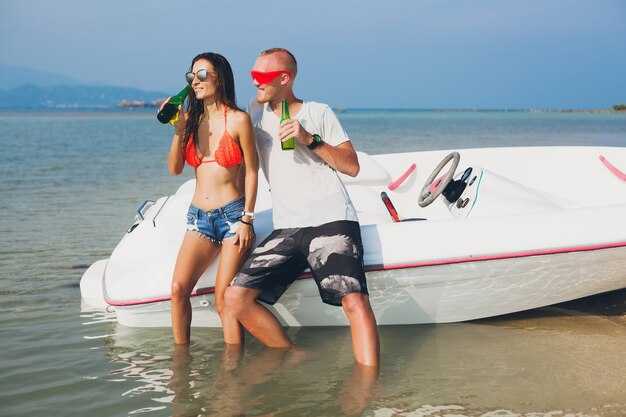 A Boat for the Summer – Your Guide to Picking the Perfect Summer Vessel">

推奨:26~28フィートのデイクルージング艇と、28~32フィートの沿岸クルーザーという、堅実な2つの選択肢を選びましょう。穏やかな操縦性、浅い喫水、信頼できる燃料計画とコンパクトなハウスシステムを優先してください。.
マラスピナラインのボートは、合理的なレイアウト、容易なセーリング、および耐久性のある補助動力を提供します。風が強まった場合は、15〜25馬力の船外機、または25〜40馬力のモデルを検討してください。.
予算内で、エンジンの信頼性、部品の入手可能性、アフターサービスを評価してください。決定事項は、簡単な比較シートでご自身で記録してください。.
北西の朝と南東のスコールに耐え、突風の中でも船体の形状と帆の設計が安定性を維持すること。これらの初心者船乗りには、浅めから中程度のバラストと控えめなリグが適しているでしょう。.
燃費は重要です。巡航範囲80~150マイルで、積載量に応じて1.5~2.5nm/リットルを目指してください。燃料の他に、週末の滞在に備えて水の容量を確認し、基本的なニーズに加えてソーラーまたはエンジン充電でハウスバッテリーを充電する計画を立ててください。.
選択肢の間で、訪問予定地、接岸の容易さ、燃料補給地点、およびメンテナンスへのアクセスについて記述します。穏やかな海でテストが行われると、推定値は現実的になり、それゆえ自信が高まります。誇大広告に頼らず、実際の成果を頼りにします。.
考え抜かれたチェックは決断を強化する。思慮が重要であり、見通しは明確になり、変化に富んだ風の中での生産的な海上公試運転を経て近づく。.
湖上ボート vs 海上ボート:実用的な夏の船舶ガイド
幅広で浅い喫水の湖に最適化された船を選び、ドックサイドテストを15〜20分、その後マリーナ水路沿いを30分走行してから、より長いセッションを行う。船体を浮かべた状態を維持し、ドックサイドチェック時に乗客ごとに機器を確認する。内陸のボートは、小型のポンツーンからコンパクトな船まで様々である。.
- 船体と安定性:平底または浅いV字型設計は内水域で安定性を提供。対象となる長さは、ほとんどの湖で12〜16フィート、幅は5〜6フィート。重量は900ポンド未満に抑え、積載量を管理しやすくし、喫水を浅くする。.
- 動力および推進: 電気トローリングモーター (推力40~80 lbs) あるいは小型船外機 (6~15 hp) は湖で優れた性能を発揮します。予備のプロペラと、60~100 Ah容量の12ボルト充電器を携帯してください。.
- 錨泊戦略:3本の錨索で突風に対するグリップ力を確保。泥地用にダンフォース型、岩場用に爪型、藻場用にマッシュルーム型アンカーを携行。水深測量(測深)を練習し、浅瀬の棚付近に位置を設定する。.
- 係留索とライン:丈夫なフェンダーを備えた12〜20フィートのナイロンライン。桟橋に並んでドッキングする際は、ラインをクリートまたはポールベースのスタンドオフに結びます。船尾のラインがスプリングラインに結ばれていることを確認し、前進を防ぎます。.
- 安全装備:全員分のPFD(ライフジャケット)、スローバッグ、ホイッスル。糞尿袋や衛生用品は、コックピットを清潔に保つため、蓋付きの容器に保管してください。.
- 航行:混雑した水路は避け、アイコンタクトと明確な視界で横断を計画し、航跡を横断する場合は、暖かく管理しやすい速度まで減速し、標識のそばにとどまること。.
- 保管とメンテナンス:毎回使用後は水洗いし、マリーンカバーで覆う。毎週乾燥した場所に保管することでカビを防ぐ。バッテリー、エンジン、アンカーの3つの重要箇所を点検。.
- 地元の設備:マリーナのサービス、日陰、保護された入り江は大きな違いを生みます。紫外線への露出を減らし、ロープを乾燥させて清潔に保つために、屋根付きのバースを探しましょう。.
- 地域ごとの注意:シーシェルト地域では廃棄物管理と静穏時間が重視されます。メイン州の湖では、温暖な時期の終盤の週には、海岸線の浸食と雑草の管理に特に注意が必要です。.
追加のヒント:持ち物リストはシンプルにすること。ライフジャケット(人数分)、コンパクトな救急セット、地図、懐中電灯、それに小型の修理キットがあれば十分でしょう。そのような準備をしておけば、内水面での一日がよりスムーズかつ安全になります。.
夏のボートの目標を定義してください:レジャー、釣り、それともウォータースポーツ?
主な目的をレジャー、釣り、またはウォータースポーツから選択してください。レジャーの計画には、穏やかなクルージング、マリーナ訪問、村の市場、スイミングセッション、新鮮な空気、そして暖かい夜が含まれます。広いビームと安定した船体を持つ造られた船は、停泊時の穏やかな揺れをサポートし、日陰と整ったサロンは乗組員を快適に保ちます。穏やかな入り江に向かうと、メンテナンスの頻度と外出の間の待ち時間がルーチンになります。.
釣りがメインなら、島やレドンダのスポットは朝の時間帯が狙い目だ。新鮮な燃料、乾物店、簡単なディンギーの発着設備があるマリーナは、ダウンタイムを短縮してくれる。出航した船は有望な入り江にすぐに到着できる。風向きと船の進路パターンが航路を導いてくれる。経験が計画を研ぎ澄ますと友人たちは言う。へこみを避け、旅行後の掃除をすることで気分も向上する。.
ウォータースポーツ計画には、スピード、安定性、そして素早い反応を備えた艇が必要となる。風、波、そして温かい水が、針路、バラスト、そして装備の配置を左右する。安全を確保し、ライフベストを着用し、懐中電灯を手元に置き、出航前にマニュアルを熟読すること。愛好家たちは、楽しんだセッションは友人との共有体験となり、その夜がさらなる冒険を呼ぶと語った。村の騎士が甲板上の落とし物について冗談を言うことで、乗組員にへこみ防止と定期的なメンテナンスを思い出させる。.
湖に優しいボートの種類を選んでください:ポンツーン、バウライダー、またはフィッシングスキフ
ポンツーンは穏やかな湖でトップの座を獲得:安定性、スペース、そしてシンプルな操縦性を兼ね備えた騎士のようなバランス。友人、ギア、クーラーを収容できる十分なデッキスペースに加え、内蔵された係留クリートと安全な乗降を可能にする広いプラットフォーム。シンプルなメンテナンス、低コスト、そして快適な乗り心地が、水辺での日々を予測可能なものにする。東向きの入り江の風はどんな船にも手強いが、ポンツーンは快適にクルーズできるほど十分に安定している。何よりも、安全対策がこのプラットフォーム上で簡単に実行できる。水辺を散歩する人々の傍らに立つライオンのように、堂々とそびえ立つ。心配性の初心者もポンツーンなら安心。太陽が東の入江に昇り、船は期待を裏切らない。.
バウライダーは、オープントップ、迅速なプレーニング、ゲストをもてなす座席を備え、スポーティなクルーズを提供します。小型船よりも風や波に対処できますが、装備を収容するためのデッキスペースは少なくなります。ウォーターフロントのドックのそばには、係留ロープと結び点が必要です。スピードと社交性が重要であれば、バウライダーが最適です。ラウンジエリアをより重視する場合は、より大きなデッキを備えたオプションや、別のモデルを検討してください。ニーズに合わせて調整できるモジュール式シートで作られたこのオプションは、穏やかな風の中で性能を発揮します。.
漁用小型ボートは、釣り人や実用的なクルーザーに魅力的です。浅い喫水、シンプルな艤装、そしてギアを置くのに十分なデッキスペースを備えています。小さなキャビンや屋根付きの座席は居心地が良く、低いシルエットは野生動物のそばで静かな存在感を保ちます。漁師の乗組員は、広々とした収納、燃費の良さ、そして開けやすいハッチを高く評価しています。コストは通常エントリーレベルに近く、エンジンの調整を怠らず、探検予定の湖の海図に従えば、メンテナンスも簡単です。釣り人の間で好まれ、この船は多くの状況によく適しています。ローイング愛好家は、乗り込む際の安定したレイアウトを高く評価しています。.
| タイプ | Pros | Cons | 最高に | コストと設備 |
|---|---|---|---|---|
| Pontoon | 安定性、友人と過ごせる空間、容易な係留、スムーズなクルーズ | 最高速度の低下、外洋での風圧 | 大きな湖、水辺の遊歩道、穏やかな入り江 | 適度なコスト、やや重い装置、燃費の良い巡航 |
| Bowrider | スポーティーな乗り心地、俊敏なハンドリング、ゆったりとした座席 | デッキスペースの減少、バウへの風圧 | 中規模から大規模の湖で、適度な風がある場所 | 初期費用が高い;必要な安全装備が多い |
| 釣り用手漕ぎボート | 釣り人に最適、浅瀬に強い、シンプルな装備 | くつろぎスペースは限られ、収納は控えめ。 | 浅い湾、ウィードのある水路、ストラクチャーのある入り江 | メンテナンスが容易、燃費が良い、手頃な価格のエントリーモデル |
ゲストとギアの収容人数およびスペースの決定
推奨:小型艇では大人4名と子供2名まで、2つのキャビンまたはコンバーチブルサルーンがある場合は大人6名までとする。ギアの容量は、防水ロッカーで1.8立方メートルを超えること。この密度はバラスト管理と一致し、トリムを安定させ、島嶼部近辺の航行中に浮揚性を維持する。.
就寝場所は、船首寝台、コンバーチブルのサロンバース、および後部キャビンにまたがるように配置すること。カーテンによるプライバシー確保は快適性を高める。長期旅行では、合計睡眠可能人数の目標を6〜8人とする。美しい海岸線は潮汐ルートを通じた探検を誘う。適切な計画は混雑を避け、楽しみを増大させる。.
ギアは防水ロッカー、セッティの下、フォアピーク、オープンコックピットのビンに分散させる;個人のバッグ用に0.8~1.2m3、調理器具用に0.5~0.9m3を確保;安定性を保つため重いものは低い位置に。装備品は専用のエリアに置き、船長の指示により、手の届く範囲に用を足すための袋や安全装備のためのスペースを確保する。そのアプローチは、ハッチウェイ沿いの散らかりを防ぎ、オープンデッキでの移動を容易にする。乗組員はギアに素早くアクセスできるようにし、メインラインをクリアに保つ。.
テスト計画:マリーナ付近に錨を下ろし、適合性を確認;乗船人数と同等の装備を積載;模擬的な風の中で操舵制御をテスト;外洋に面した海岸線を横断する航海に備え、信頼を築くための潮流横断訓練を実施。マラスピナ海峡ルートは、手つかずの風景を提供し、自由に探検できます。英国のマリーナは、夜間の停泊、係留状態の確認、メンテナンスのための安全な立ち寄り場所となります。計画が数値と一致し、島々の開拓が現実となるとき、自信が生まれるでしょう。.
内水面における推進オプションの比較:ガソリン船外機、電気、ハイブリッド
電気推進は内陸航路に適している:静かな運転、低いメンテナンス、シンプルな充電ルーチン。向かい風や揺れる街で、隠れた冒険が生まれる。人けのない入り江を見つけることは、ヨット愛好家にとって休憩に最適だ。ピーターは、電気パックは日常の航行で予測可能な航続距離を提供すると語った。. summer リズムは旅を形作る。装備の重量は軽く抑え、小さめのパックで充電時間を短縮。太陽光や電力網へのアクセスに合わせて旅程を調整し、充電のタイミングを予測可能にする。シンプルなものを求める人なら誰でも、仲間を生かし続ける、心臓に優しいシステムに感謝するだろう。.
Gas outboard shines where speed matters, fueling exists in towns, and broad dealer networks keep spares accessible. メリット include rapid top-ups, strong torque, and flexible mounting on smaller craft. Coastal stretches with variable winds test endurance and beautiful horizons; over time, steady gas power delivers quick response when direction changes. In quiet coves, rowing can fill short gaps, or a spare pole helps if propulsion stalls.
Hybrid blends electric quiet with gas range, offering advantages when charging is sparse. In areas with annual charters, ferguson said a well-tuned hybrid keeps you afloat while avoiding long stops near towns. oleese equipment integration allows seamless switchovers between modes, and a lightweight pack reduces weight on smaller craft. Fresh planning, location checks, and backup rowing or pole options help anyone enjoying knight-like evenings under stars.
Adhere to inland water safety: required life jackets, throwables, and regulations
Always wear life jackets for everyone aboard before engines engage on inland waters; kids must wear properly sized PFDs, adjust straps, and fasten buckles; never compromise fit for convenience. This safe practice pays off when tides shift near islets or along waterfront towns.
- Life jackets must be USCG-approved or meet local safety standards; ensure every person has a jacket of correct size; keep extra jackets available to guests. On boats with sails, verify jackets allow movement without snagging lines.
- Throwables must be accessible within reach; carry a buoyant ring or throw bag; inspect for rips, stuck cords, or cracked foam; replace as needed; mark location near seating so friends can grab quickly during an hour of need.
- Regulations vary by location; Vancouver area by-law requires kids’ PFDs; adults are advised to wear PFDs during motion. Check posted signs near entrance to docks; contact harbor master about current rules and seasonal changes; hours may differ by week or by tides; maintain space at entry points and along waterfront to enable safe boarding. If crews were told to adjust route after tide change, follow.
- Practical safety tips during summer activity: maintain space away from side of boats when approaching dock; never lean toward water; keep doody and refuse stored away; avoid grazing on deck while underway; use a designated salon or cabin for lounging to minimize distractions.
- Planning guidelines: keep a list of towns beyond urban waterfront; have a flexible plan and backup options if weather or tides turn sour; when southeast winds pick up, reduce speed and maintain distance from islets; stay close to shore or follow marked channels; always tell a friend where youre heading and expected return hour.
Establish a pre-season maintenance checklist to prevent failures
Replace worn impellers, inspect fuel lines, and test electrical systems before first trip. Made checks lock in reliability for season.
hinckley-designed craft benefit from tight hose routing and sturdy deck hardware. Open deck drains, verify inlet screens are clear, and stop any seepage around fittings. Use fresh clamps and sealant where needed.
Drain old fuel, replace filters, verify coolant and oil levels. Compared with last semester data, readings show gradual decline; top up as needed. Made notes of changes.
Electrical test: verify battery hold-downs, test alternator, inspect wiring, and confirm navigation lights function in low visibility. Does tiller movement feel even and precise; address stiffness quickly.
Hull and fittings: inspect keel, strakes, propeller condition if applicable, and anodes. Check for deep cracks, desolation around seams, and replace worn hardware. fraser notes on hull protection suggest regular rubbing and wax.
Storage and space planning: keep spare parts in a dry box near mainland access; use a simple idea sheet that fits on a wall inside cabin. Remember, greater reliability grows from a focused checklist. Have a printed copy aboard.
Trip planning: map prospect of destinations, including southeast coves and nearby cove routes; record hour-by-hour legs to avoid fatigue. Wife enjoyed long cruises in past seasons; never assume conditions will stay favorable. These measures reduce uneasy moments. These measures save time only through quickly executed checks. Verify permits when venturing into nations’ waters.