


 日本語
日本語  English (UK)
  Русский
  العربية
  한국어
한국어  Magyar
  Türkçe
  Español
  Čeština
  Svenska
  Português
  Ελληνικά
  Suomi
Suomi  Nederlands
  Română
  Italiano
  Français
  Polski
  Українська
  Deutsch
  简体中文
简体中文  Slovenčina
 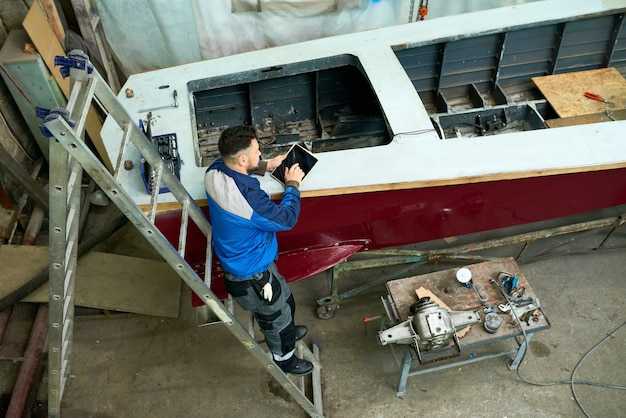 9 Essential Boat Trailer Maintenance Tips for Safe Towing">

First出発前にタイヤの空気圧を確認し、スプリング式カプラーに注油してください。小さめの荷物はバランスよく固定し、加速や制動時の揺れを防いでください。.
ホイールベアリングと連結棒部分を点検し、ジョイントに注油してください。 fresh グリースを塗布し、必要に応じて摩耗したシールを交換してください。使用 waterproof 露出した留め具にカバーを取り付けることで、腐食を遅らせ、寿命を延ばします。.
実行。 モニタリング ライトと信号:テールライト、ブレーキライト、方向指示器をテストする。腐食したピンを交換する。 waterproof コネクター;モニタリングにより、様々な条件下における全速度での可視性が確認されています。.
重量を均衡させて、 lead 分散および削減 challenges カーブでは。重量のある部品を車軸の近くに配置し、避けてください。 積まれた ヒッチ付近の貨物を確認し、毎回使用後にブレーキがスムーズに作動するか確認してください。.
スペアタイヤ、ジャッキ、およびラグレンチを携帯し、トルクレンチでラグナットを規定トルクで締め付けます。構成によっては、 アレント 高負荷に対応できるよう調整されているため、ラグねじのかかり具合を確認し、摩耗した留め具は必要に応じて交換してください。.
軽量で耐腐食性に優れたコーティングで金属部品を保護し、シールを維持します。 fresh. 。ヒッチ、セーフティチェーン、およびサージブレーキを定期的に点検すること。 specialized 粗い道でコントロールを失う可能性を減らし、重要なシステムの破損の最も一般的な原因を最小限に抑えます。.
ハブとアクスルのアライメントを点検し、ぐらつきを検出し、異音がないか確認する。ベアリングは速やかに交換すること。このルーチンを requires 規律とシンプルなチェックリスト。.
季節のケア:海水で使用後は洗浄、塗布。 waterproof 継手への塗料;劣化を遅らせるため、乾燥した日陰の場所に保管してください。.
結論:再現性のあるルーチンを採用し、結果を記録し、活用する。 specialized 摩耗した部品を交換する際は、部品ごとに交換してください。.
9 Key Boat Trailer Maintenance Tips for Safe Towing
- 1) 走行前に毎回タイヤの空気圧と溝の深さを点検し、適切な空気圧を維持することで、接地面を予測可能にし、発熱を抑えます。.
- 2) 出発前にすべてのライトと配線をテストしてください。正常に機能する信号は、道路上でのコミュニケーション不足を防ぎます。.
- 3) ハブとベアリングを点検し、異音や動きの悪さがある場合は、必要に応じてベアリングの再パッキングまたは交換を行う。.
- 4)ブレーキライン、アクチュエータ、およびパーキングブレーキを点検し、漏れや摩耗がないことを確認してから、低速で制御されたテスト停止を実行してください。.
- 5) マウント、カプラー、セーフティチェーンを点検し、接続がしっかりと締まっていて、摩耗がないことを確認し、取り付け金具が確実に固定されていることを確認してください。.
- 6) サスペンション部品を点検し、荷重が均等にかかり、一点に集中しないようにする。重量配分を管理しやすい状態に保ち、安定性を保つように荷物を配置する。.
- 7) フレームや素材に錆や腐食がないか確認し、早期に対処して摩耗を防ぎましょう。後々費用がかさむことになります。.
- 8) 使用しないときは、キャリアを屋外の乾燥した日陰に保管し、ボートやギアを取り外し、洗浄、乾燥させ、金属表面に保護コーティングを施してください。.
- 9) 重要な箇所やラインを相棒と点検する簡単なガイドを作成しましょう。このルーチンを適用することで、システムを設計通りに機能させ続け、摩耗の進行を抑える効果が得られます。.
利用ごとのトレーラーメンテナンス
走行前に必ずタイヤの空気圧、溝の深さ、ラグナットのトルクを確認してください。タイヤとホイールは定期的に点検し、ネジやボルトを規定トルクで締め付け、サイドウォールにひび割れがある場合は交換してください。ハブ周辺、ベアリング、サスペンション部品をしっかり点検し、緩みがあれば直ちに修正してください。このような手入れをすることで、パンクの可能性を減らし、急な坂道や急停止時の制動力を向上させることができます。.
電気系統と照明の点検:すべてのランプをテストし、アースがしっかりしているか確認し、防水コネクターは密閉またはテープで保護してください。損傷した配線は速やかに交換し、予備のネジとボルトをツールキットに入れて携帯してください。腐食やわずかに摩耗したプラグを見つけた場合は、すぐに修理してください。レイアウトを知っておくと、迅速な修理の計画に役立ち、道路上で危険になりうるリスクの高い状況を避けることができます。.
ブレーキ系統は注意が必要です。キャリパー内のピストンの動きを確認し、シールを点検し、漏れがないか確認してください。アクセスしにくい部品がある場合は、取り外して点検してください。作業を急いではいけません。ブラケットの溶接がしっかりしていることを確認し、ひび割れたマウントは交換してください。修理を行った場合は、冷却後に再度トルクをかけ、テストしてください。メンテナンスルーチンをしっかりと守り、毎回少しずつ手順を変えることが効果的です。ペダルの感触が変わった場合は停止して再確認し、路上での停止の可能性を減らすために問題をすぐに解決してください。.
ヒント1-2:タイヤの空気圧、溝の深さ、ラグナット
タイヤが冷えている状態で、ドアのステッカーまたはオーナーズマニュアルに記載されている車両推奨PSIに設定してください。信頼できるゲージを使用し、数値が記載されている仕様と一致するまで調整してください。サイドウォールに刻印されている最大値を超えないようにし、過剰な空気圧は避けてください。この方法で路上での高い信頼性が得られます。.
次に、適切なゲージを使用して、メインの溝のトレッドの深さを調べます。溝の深さの最小値は2/32インチで、それを超える数値は残りの寿命を示します。降雪期には、通常4/32インチなど、より深い溝を目指してください。.
ラグナットとリムの点検:シートの清掃、ホイール取り付け面の損傷や傾きのずれの点検。星形パターンで規定トルクまで締め付け。最初の 50~100 マイル走行後に再点検。ナットに緩みを感じたら、停止して調整してください。.
バランスと振れ:ホイールのバランスが取れていることを確認してください。バランス、ホイールウェイト、振れの定期的なチェックは問題の特定に役立ちます。ビード領域にワイヤーの露出やウェイトの損傷が見られる場合は、信頼できるメーカーの部品と交換し、現地の路上テスト後に再確認してください。.
損傷の確認:サイドウォールに切り傷、膨らみ、またはパンクの兆候がないか確認してください。損傷している場合は、タイヤを交換し、故障の原因となったリムを点検してください。サイドウォールに刻印された日付コードを確認して、経過年数を把握し、耐用年数を超えて使用しないようにしてください。極端な高温、低温、または雪の中では、経年劣化が大きなリスクとなる可能性があります。.
ドキュメントとチェック:チェック毎に写真を撮り、数値、季節、および過去の観察記録を記録する。目的地への旅行では、出発前のタイヤ、ラグナット、リムの最終スキャンが有益である。必須の習慣:旅行前に点検し、早期発見を可能にするために簡単なランthroughを行う。.
ヒント 3-4:ベアリング、ハブ、シール、および潤滑
各シーズン開始時、または湿った水しぶきにさらされた後は、ベアリングの再パッキング、ハブとシールの点検、新しいグリスの充填を行ってください。マリングレードのグリス(NLGI 2)と、塗布範囲を確認できる青色の潤滑剤を使用し、再組み立て前にすべての表面を完全に清掃してください。摩耗したシールは交換し、ダストキャップが確実に装着されていることを確認して、砂や異物の侵入を防ぎます。この手入れは、発熱を抑え、寿命を延ばすことで、価値と実用性を高めます。.
整備中は、ハブアッセンブリーにぐらつきや異音がないか注意深く確認してください。曲がり、耳障りな異音、レースの虫食いなどが認められた場合は、分解して摩耗した部品を交換し、再度潤滑してください。機構部はわずかな抵抗でスムーズに回転しなければなりません。もし引っかかるような場合は、汚染または損傷を示唆するため、運転前に対応が必要です。したがって、停止して再評価してください。.
取り付けに関する注意:ベアリングとシールは、清潔で乾燥した状態でのみ取り付けてください。まずベアリングにグリスを塗布し、ハブをアクスルにまっすぐスライドさせて、ナットをメーカー推奨の指定トルク値で締め付けてください。最初の回転後、ナットをわずかに緩めてから、必要に応じて再度トルクをかけてください。これを少なくともシーズンに一度、塩水噴霧や泥だらけの走行後はより頻繁に行ってください。.
| Component | 警告標識 | Action | Interval |
|---|---|---|---|
| Bearings | grit intrusion, rough spin, heat | repack with marine grease; inspect races; replace if pitted | seasonally or after wet exposure |
| Hubs | excess play, discoloration | clean, inspect for wear; verify seal seating; lubricate | each service |
| Seals | leaks, damp inside | replace with same size; check for cracks | each service |
| Lubricant | dry, stiff grease | use marine-grade grease; avoid mixing with incompatible lubricants; apply at least a thin bead | as needed |
Tip 5-6: Lighting, wiring, and electrical checks
Keep lighting in tip-top condition with a pre-trip check: test all lamps before departure; confirm tail, brake, and turn signals function, and verify the license lamp is bright across the edges.
Wiring and mounting health: inspect harnesses and mounting points; look for minor breaks, frayed insulation, cracked housings, and corrosion; if any issue is detected, replace immediately.
Breakaway system check: verify mounting of the breakaway cable, confirm the battery remains charged, and ensure the actuator engages quickly if detachment occurs.
Cleaning and protection: rinse connectors after exposure to salt, flush any corrosive grime from contact surfaces, dry thoroughly, and paint touched areas to slow rusting on painted edges.
Electrical health monthly: test voltage at each lamp with a utility meter or tester, verify sufficient brightness, check fuses, and confirm a clean ground path across all circuits.
Having a spare fuse kit and a breakaway device somewhere accessible keeps replacements ready; following a concise checklist after each journey keeps attention on needs seen across components, and provides insight into recurring issues at destination.
Tip 7-8: Hitch, safety chains, and brake readiness

theres no room to doubt–inspect the hitch, coupler, and safety chain assembly before every connection. Check the hitch ball for wear, pitting, or glaze; if theres any wear, replace the ball and its mating socket. Use a specialized cleaner on contact surfaces, then dry completely to prevent corrosion. Confirm the latch releases and snaps shut with a short, decisive motion; if any part feels seized or stiff, service immediately. Do this yourself, complete the check while the unit is cold, until you’re confident everything moves freely.
Safety chains: cross them under the coupler and attach to solid points on the tow vehicle. Ensure enough slack to permit turning, but not so much that they drag or loop under tires. Keep the same gauge on both chains and inspect hooks for wear, grime, or corrosion; replace if theres pitting or rust. Verify they are not twisted, tangled, or resting against hot components, and ensure they clear moving parts during maneuvers outside in wind or rain.
Brake readiness: test electronic or hydraulic controllers before a short trip. Verify the controller responds to pedal input and that brakes engage smoothly without noise. Inspect wheels: drums or rotors, pads or shoes for wear; replace if pitting or thinning appears. Look for leaks in hoses or lines, and ensure the emergency brake is released and the actuator moves freely. In winter, allow components to warm gradually and dry them before use; this reduces stiffness and helps prevent seized parts. An erector-style alignment tool can help confirm axle and coupling height stays within spec.
Post-journey check: inspect the hitch area, safety chain anchors, and brake connections; clean grime, dry components, and close latches. Keep a compact toolkit and a bottle of cleaner on hand; thankfully, these steps add minutes but cut risk dramatically. Close everything tightly, store connectors dry, and repeat next time there’s a plan to move a load.
Tip 9: Load securing, weight distribution, and tie-downs

Secure the load immediately using two tie-downs per corner with ratchet straps; verify latching, keep connections tight, and re-check after every mile in wind or rough terrain.
- Inspect equipped anchor points on beams; confirm they are clean of dust, brush away grit, and free from corrosion; ensure bolts and welds are sound to avoid problems during transit.
- Position the load so heavy items sit low, centered near the axle, and not exceeding the average height that could raise the center of gravity; verify that load distribution keeps the center of gravity close to the vehicle hitch; this arrangement has clear reasons: improved control and reduced sway.
- Run two straps across each item in an X pattern, attach to sturdy beams, pull tight, and verify latching engages with a click; avoid slack that allows movement.
- Use at least two independent ties at every major piece; test by tugging each corner; if any strap shows wear or fray, replacement is needed.
- Examine electrical connections and tpms wiring; keep electricity flow clear of moving parts; ensure batteries are secured and connections tight to prevent shorts and disconnections.
- Regularly inspect strap condition, replace worn components (replacement) immediately; carry a spare strap and latch as an option; follow a step-by-step check before any departure; avoid last-minute failures.
- With load secured, perform a stability test by pushing down on corners and taking a light turn; if sway is detected, adjust tension; after steep grades or descents, re-check slack to prevent problems.
- Brush away dust and grit from hooks, threads, and latching areas to prevent binding; keep everything clean to preserve grip.
- Consider a tpms option if not equipped; monitor tire pressures regularly; misalignment or underinflation signals need immediate adjustment; keep batteries secured and connections clean to prevent corrosion.