


 日本語
日本語  English (UK)
  Русский
  العربية
  한국어
한국어  Magyar
  Türkçe
  Español
  Čeština
  Svenska
  Português
  Ελληνικά
  Suomi
Suomi  Nederlands
  Română
  Italiano
  Français
  Polski
  Українська
  Deutsch
  简体中文
简体中文  Slovenčina
  8 Essential Summer Boating Tips for Fun, Sun, and Deck Safety">

ヒント 1: 湖で成功するための服装は、紫外線から保護する素材を選び、自分自身とお子様には適切にフィットし、きちんとメンテナンスされたライフジャケットを着用してください。天候が急変した際に生命を脅かす事態を避けるために、そのような装備は非常に重要です。.
ヒント 2: 出かける前に状況を確認し、海岸沿いをクルージングする場合でも、ビーチの近くにいる場合でも、デッキでの日差しによる発汗を抑え、体を冷やすために、冷たい飲み物を入れたクーラーを持参してください。.
ヒント 3: 航行中は飲酒を避けましょう。アルコールは判断力と操縦能力を低下させ、命に関わる危険性を高めます。水上で他の人を守る能力も妨げるため、事故を防ぎ、皆の安全を守るために飲酒を控えてください。.
ヒント 4: ボートの進水前点検を実施する well-maintained systems– ガス/燃料ライン、電気系統、ビルジ、および extinguisher確実にそうであるように located 簡単に手が届くように、また、バランスを保ち船体を安定させるために、重いものを一箇所に詰め込みすぎないようにしてください。 safely 進行中。.
ヒント 5: デッキは適切な結び方と滑り止め付きの履物で固定し、 heavy 在庫僅少, packed 立ち去り、監督する kids そして other 乗客たちにそう deck remains safe for everyone on board.
ヒント 6: 救命浮環、無線機など、万全の安全キットを準備してください。 extinguisher 必要に応じて、身を守る訓練を実施する。 犠牲者 そして、その方法を知っている。 引っ張る パニックを起こさせずに水の中から誰かを助け出す。信頼できるギアのためのAmazonのおすすめリストを保管しておく。.
ヒント 7: 環境を尊重し、安定した進路を維持できるよう積載量を調整し、燃料の過剰な消費を避け、状況が悪化したら海岸線から離れてください。このような一般的な安全習慣は、他のボートの巻き込みを防ぎ、他の人々と共有する水を保護することにつながります。.
ヒント 8: マリーナのローカルルールを熟知し、紫外線対策グッズを使用し、 driving そして 海岸 計算を簡単にして、仲間のボート乗りと話をして共有し合いましょう。 recommendations 人命に関わる事故を防ぐために役立つ情報です。備えを万全にして、安心して海岸でのレジャーをお楽しみください。.
夏にボートを楽しむための 8 つのヒント:太陽、楽しさ、デッキの安全;日焼け止め
ヒント 1 – 用具、ライフジャケット、安全点検 打ち上げ前に、すべての人が沿岸警備隊承認のライフジャケットまたはジャケットを着用し、それがしっかりとフィットしていることを確認してください。予備のジャケットを手元に用意し、デッキ上のすべての機器を固定して、動きを防いでください。充電済みの消火器、ホーン、応急処置キットなど、安全装備と安全システムが準備できていることを確認してください。この準備は、リスクを軽減し、乗組員が頭部外傷や突然のバランスの変化など、次に起こる事態に備えるために不可欠です。.
ヒント 2 - 日焼け止め、日陰、日焼け対策 日光に当たる前に広範囲スペクトルの日焼け止めを塗り、水に触れた後は再度塗り直してください。日差しが最も強い時間帯は、デッキの陰になっている場所を探し、帽子やUVカット素材の服を着用してください。水面からの反射光は日焼けを促進する可能性があるため、可能な限り日陰にいて、偏光サングラスで目を保護してください。.
ヒント 3 – 水分補給、涼しさの維持、快適さ 水と電解質飲料をすぐに飲めるように準備しておきましょう。暑い日は脱水症状になる危険性があるので、こまめに水分補給をし、脱水を促進する飲料は控えめにしましょう。日陰で休憩を挟み、熱中症の症状に注意し、体調が悪くなったり、めまいがする場合は、いつでも活動を中断できるようにしておきましょう。.
ヒント 4 – デッキ上の安全な移動と装備の固定 ターン中や荒れた海面では、デッキ上の移動を制限し、デッキに緩んだ物を置かないようにしてください。手すりを使用し、滑りにくい靴を履き、座席上の緩んだ gear はすべて固定してください。歩行のための直接の経路を確立し、方向転換をアナウンスし、つまずきや急なバランスの崩れを防ぐために、乗組員のスペースを尊重してください。.
ヒント 5 - エンジン、燃料、発射の規律 出港前にエンジン、燃料レベル、配線を確認してください。計画された距離を航行するのに十分な燃料があること、目的地までの明確なルートがあることを確認してください。冷静かつ慎重な操舵で船を操縦し、手順で定められている場合は着岸時にエンジンを停止し、乗組員に風や潮流の変化を知らせ、対応できるように備えさせてください。.
ヒント 6 - デバイス、ナビゲーション、および緊急時の備え 必須のデバイスとバックアップのナビゲーション機器を準備し、充電して安全な乾燥した場所に保管してください。天気や地図にはgoogleplayの信頼できるアプリを使用しますが、電波が途絶えた場合に備えて、バックアップのチャートやオフラインマップも携帯してください。安全性を高めるためにamazonでギアを追加することを検討し、動作するラジオまたはSOSデバイスがすぐに使えるように準備してください。バッテリーを水しぶきから保護し、ケーブルをきちんと整理して、ドックやデッキにいる人の転倒を防ぎましょう。.
ヒント 7 – 練習、推奨事項、および安全訓練 基本的な操船と落水者救助の手順を乗組員と練習し、自信をつけましょう。ボートの製造元の推奨事項に従い、州の規制を遵守してください。エンジン故障、ポンプ停止、消火器の使用に関する簡単な訓練をしてください。これらの訓練は、特に旋回時や急な天候の変化の際に、全員が冷静さを保ち、準備ができていることを示し、全体的な経験を向上させるのに役立ちます。.
ヒント 8 – 敬意、準備、そして安全なボートルーチン ドックや海上では現地の規則を尊重し、最も控えめな制限を守り、使用しないときはすべての装備を固定してください。常に最新の気象状況を把握し、日照や風の変化に備える必要があります。デッキを整理整頓して安全を確保し、水分補給を心がけ、日焼け対策用品を準備して、グループ全員がリラックスして航海を楽しめるようにしましょう。このアプローチは、安全を第一に考えながら、愛する人たちと最高の体験を共有し、装備と安全対策を次の旅行に備えておくのに役立ちます。.
夏にボートを楽しむための 8 つのヒント:太陽、楽しさ、デッキの安全;日焼け止め
ヒント1:打ち上げ前の安全チェックリストに従うことで、天候、風、デッキの状態を評価できます。このチェックリストは、関係者全員が同じ認識を持ち、不測の事態を減らすのに役立ちます。救命胴衣やその他の安全装備は手の届く場所に置き、子供や他の人が監視されていることを確認してください。打ち上げ前に滑らないように、表面を清潔で乾燥した状態に保ってください。.
ヒント2:晴れた日のための日焼け止め対策。日光に当たる前に広範囲スペクトルの日焼け止めを塗り、2時間ごと、または水泳後や汗をかいた後に塗り直してください。帽子や保護服を持ち歩き、誰もが安全で快適に過ごせるようにしましょう。日焼け止めを習慣にすることで、日焼けを軽減し、安全に水を楽しめます。.
ヒント 3: ライフジャケットは最高の安全策です。デッキ上や水辺にいるときは、乗船者全員が沿岸警備隊承認のライフジャケットを着用してください。フィット感を確認し、子供やゲストのために予備を準備し、すぐに手に取れる場所に保管してください。ボートに乗る人は、転倒を防ぐためにデッキ上の動きに注意し、日常的な作業に参加しましょう。.
ヒント4:水分補給と体温管理。水とノンアルコール飲料を入れたクーラーをたっぷり用意し、日陰で休憩を取り、涼しく過ごしてオーバーヒートを避けましょう。アクティビティと休息のバランスを取りながら、ライドをリラックスして楽しみ、安定したエネルギーを維持しましょう。.
Tip 5: Alcohol rules and operators. Do not operate watercraft if anyone is under the influence; stop the activity and have a sober operator take over. Alcohol affects judgment and reaction time, so keep it away from the helm. If someone is having a drink, avoid allowing anyone to be in the operating position.
Tip 6: Deck safety and surfaces. Keep surfaces dry with non-slip mats and secure all loose items to prevent trips. Consider lighting needs; use lights to improve visibility at dawn, dusk, or night; check the deck rails and latches so they are secure. This reduces slips and keeps everyone safely.
Tip 7: Sun protection for kids and others. Apply sunscreen, provide shade, and dress for direct sunlight; use hats and lightweight clothing. Be mindful of the effects of exposure on skin and eyes, especially for kids. Fans on board help stay cool and reduce fatigue during warm winds.
Tip 8: Planning, equipment, and resources. Have a comprehensive checklist and download trusted weather apps to stay ahead of conditions. Know where everything is located and maintain the safety system with spare parts. Have a back-up plan for launch or leave when weather turns; related responsibilities should be shared so everyone is involved. youre able to enjoy the experience, stay calm, and keep movement on the watercraft safe.
Choose Broad-Spectrum Sunscreen (SPF 30+) with Water Resistance
For most boating days, choose a broad-spectrum sunscreen with SPF 30+ and water resistance. Familiar formulas provide reliable protection on all surfaces exposed to sun, including deck, rails, and skin. Look for guard-approved labels and opt for a product that remains effective under direct sun, sweat, and wind. The best options deliver strong protection in bright lights and throughout the environment, making it easier to manage movement on a moving boat. There are numerous choices that suit different skin types, temperatures, and preferences, so you can find what fits your routine and keep skin safe.
Apply generously before underway and reapply every two hours, or after sweating, swimming, or towel-drying. This ensures full coverage of all exposed skin, including ears, neck, and the tops of feet that catch the strongest sun during long rides. In extreme temperatures, you may need to reapply more frequently to prevent dehydration and overheating; always carry a spare bottle and drinks to stay fresh and hydrated on the boat. If you wear clothing or vests, apply sunscreen to protected areas as well, since UV can penetrate through thin fabrics. Youll find that a well-absorbed formula dries quickly, leaving a fresh feel and smooth surface on your skin as you move. If youre looking for simplicity, a scent-free, mess-free option helps.
When selecting, verify that the sunscreen includes broad-spectrum coverage and water resistance rated for 80 minutes or more. Look for guard-approved labels and choose formats that fit your routine: sticks for quick touch-ups, sprays for fast coverage, or lotions for full protection. There are numerous options, and most are easy to apply without leaving surfaces sticky. Fresh scents and lightweight textures work best under direct sun, in hot environments, and during long trips; this reduces the risk of a greasy feel and helps you keep moving, even when the temperatures spike. The product should feel comfortable on skin and offer strong protection without clogging pores or causing irritation, so your protection stays consistent for every outing. This includes easy-to-apply options that fit your lifestyle.
Beyond sunscreen, implement a complete safety routine: wear protective clothing and a hat, and keep guard-approved vests on when splash risk is high. Pack sunscreen, a spare bottle, and a small towel within easy reach; youll want to toss the bottle into a pocket or packed bag for quick access. theres no need to complicate your routine–theres a simple system you can rely on. There are guard-approved products that work on every surface and stay effective when you move, pull, turn, or climb. For safety, monitor the environment and state forecasts; if sudden weather shifts or a hurricane approaches, move underway to a sheltered area away from the engine and prepare a rescue plan. You can search for sun-safety tips on googleplay and use your phone to set reminders and log protection times. The goal is to prevent dehydration and overheating, so stay hydrated with drinks and keep the air fresh for cooling and comfort.
Purchase sunscreen from reputable brands and check the ingredient list for familiar, safe filters. this is important for everyone on board and helps manage exposure across different temperatures and sun angles. with consistent use, you can maintain full protection and reduce the risk of overheating and dehydration. the best approach combines smart planning and easy-to-apply protection to ensure you get the most from the day. always ensure you locate sunscreen in a reachable spot, never leave protection to chance, and turn your routine into a habit that keeps you safe, comfortable, and ready to rescue your crew if needed. this is the same level of care you expect from guard-approved products, so you can enjoy your time outdoors with confidence. there are numerous states of sun and shade to navigate, so be prepared and keep the plan moving.
Apply Sunscreen Correctly and Reapply After Water Exposure
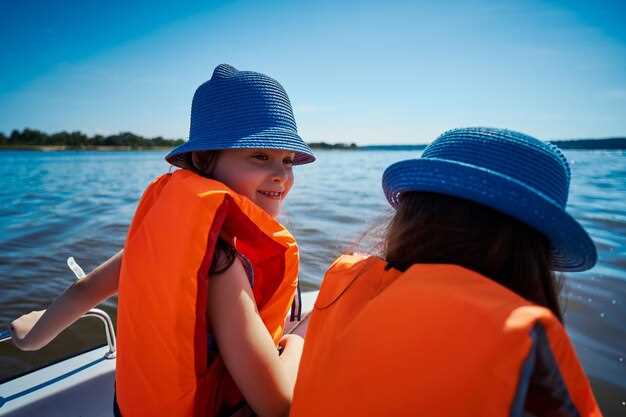
Guard-approved sunscreen with broad-spectrum protection and SPF 30+ is the foundation of a safe on-water routine. Apply generously to the body before you head underway, including hard-to-reach areas behind the ears, on the feet, and along the neck. This practice helps prevent dehydration and reduces rapid skin damage when conditions are general and unpredictable, especially during weekend outings on the coast.
Apply the product 15-30 minutes before sun exposure and reapply after any water exposure or towel-drying. Even if a sunscreen is water-resistant, you could lose protection quickly with heavy movement on a boat, so a quick reapplication is crucial to prevent skin burn and long-lasting damage. Keep a disciplined checklist to ensure you’re wearing protection before a voyage, and dont skip any exposed areas.
To ensure adequate coverage, use about one ounce for full body application, then reapply as needed. Focus on commonly missed spots such as the face, ears, neck, shoulders, back, and feet, and remember to apply to any areas that will be behind a spray or shade, where sun reflection off water can intensify exposure. If you’re wearing protective clothing, sunscreen still helps to plug gaps and guard against sunburn from quick, rapid movements that occur when maneuvering around the engine, lines, and deck fittings. In harsh sunlight, the combination of sunscreen and protective gear becomes a powerful foundation for preventing harm and staying relaxed during the voyage.
During underway operations, have sunscreen easily accessible along with other sun-safe devices and accessories. A small cooler can keep products at a stable temperature in hot conditions, reducing the risk of product separation and keeping cooling measures handy for long trips. Storage in a cooler also supports staying prepared for changing conditions and the need to reapply quickly after water exposure. источник of safety guidance emphasizes reapplication after water contact, especially when fatigue or dehydration signs appear in crew members, so monitor feeling and apply promptly if someone shows signs of sunburn risk or overheating.
Additional tips: reapply after wearing sunscreen for several hours in direct sun, and apply to all exposed skin, including often-missed spots like the backs of the legs and the tops of the feet. Avoid sunburn by pairing sunscreen with hats, UV-rated clothing, and shade when possible. Be aware of rescue and emergency situations; always keep a whistle and life-saving devices within reach, and remember that protection is part of a broader safety routine, not an isolated action. The goal is to keep skin healthy and the boat crew safe, so you’re prepared to handle any weather conditions that arise, wave after wave, without compromising comfort or performance on the coast.
| チェックリスト | Details |
|---|---|
| Product selection | Guard-approved, broad-spectrum SPF 30+; check expiry; choose water-resistant if you’ll be in the water. |
| Amount and coverage | Apply about one ounce for full body; cover face, ears, neck, shoulders, back, and feet; reapply after water exposure. |
| Timing | Apply 15-30 minutes before sun exposure; reapply every two hours or after sweating/towing/falling overboard. |
| Reapplication after water exposure | Reapply promptly after swimming, towel-drying, or heavy spray; always check for signs of wear or rubbing off. |
| Storage | Keep sunscreen in a cooler or shaded area when underway; avoid extended heat exposure to preserve efficacy. |
| Coverage areas | Face, ears, neck, shoulders, chest, back, arms, hands, legs, feet, and behind knees; don’t miss hidden spots. |
| Supplemental practices | Wear protective clothing, hats, and sunglasses; limit sun during peak hours; maintain hydration to prevent dehydration. |
| 緊急時への備え | Keep sunscreen accessible alongside life-saving devices and signaling equipment like flares and whistle; prevention supports rapid rescue if needed. |
Wear Protective Gear and Practice Safe Deck Habits
Protective gear reduces the risk of injuries when you’re on the deck. Wearing a guard-approved vest or life jacket is crucial, with snug fit and securely fastened straps. Sunglasses that block UV rays protect eyes in bright sunlight, and clothing designed for quick drying helps you stay comfortable when spray or sweat makes surfaces damp. Non-slip footwear, a hat, and a light, breathable layer add to overall protection while you’re moving around the deck. Remember to check gear before each trip and replace worn parts–these items can become less effective if neglected.
- Wear a guard-approved vest or life jacket that fits snugly; fasten all straps and check for wear or fraying before you start.
- Use sunglasses and UV-protective clothing to reduce glare from sunlight and spray; consider a hat and sunscreen for long exposure.
- Choose sturdy, non-slip footwear and keep all surfaces clear of loose items that could cause trips or slips.
- Stow gear in accessible places and maintain a clear deck to promote safe movement and easy rescue if needed.
Safe deck habits keep you relaxed and protected. Stay mindful of constantly changing conditions–sunlight intensity, wind, and movement on a rocking surface can quickly alter risk. Never ignore a hint of fatigue or imbalance; taking a moment to check your footing and surroundings is an important habit. Always respect lines, rails, and deck edges, and use handholds and rails when turning or stepping down from elevated areas.
- Keep surfaces dry and free of garbage, water, and loose gear that could cause slips or trips.
- Turn away from the railing when lifting or moving heavy items; never kneel or lean over the edge without support.
- Respect weather and water conditions; if conditions worsen, slow down, stop moving, and reassess your position on deck.
- Use the skipper’s guidance to stay within safe zones and follow the posted safety lines and flags.
Tech tools and resources can help you stay on track. Download safety apps and use a checklist to ensure you follow these steps consistently. Youll find guard-approved options on googleplay and amazon; these apps offer a ready-made checklist and quick reminders for protective gear, surface checks, and safe movement on deck. Use these tools to keep a fresh idea of what to wear, how to move, and when to change positions to stay cool and comfortable while you enjoy the ride.
- Start with the basics: wearvests, wearingsunglasses, and wear non-slip clothing and footwear.
- Follow the safest movement patterns around surfaces and rails; keep hands free and using straps when climbing or descending.
- Check the environment: assess sunlight, shaded areas, and cooling needs; adjust clothing and gear accordingly.
- Maintain a simple, reusable checklist and review it before every trip; you may add notes about conditions and any safety concerns observed.
By prioritizing protective gear and safe deck habits, you’ll reduce risk while staying comfortable and focused on an enjoyable experience for everyone on board, whether cruising near the beach or floating farther offshore.
Dress for Sun: UV-Protective Clothing, Hats, and Sunglasses
On a bright day around the dock, around the beach, or during a weekend outing, proper sun protection starts with clothing that covers the body without restricting movement. Taking sun safety seriously shows respect for your skin and the lines of exposure that influence risk during rapid sun angles. Build a full protection system with UV-protective fabrics, a wide-brim hat, and sunglasses. The required gear includes long-sleeve shirts or rash guards, lightweight pants, and UV-protective vests for extra coverage when you’re moving between sun and shade. Look for breathable fabrics that wick sweat, offer UPF protection, and stay comfortable as the temperature rises. This is not only about protection but comfort, ensuring even cold mornings or hot afternoons feel easy to handle. Adapt for changing weather and environmental conditions, so you stay out longer and enjoy the day. Choose colors that reflect heat, and size that fits every member of your crew, from loved partners to kids, so everyone stays safe, even when you’re in windy conditions on the water.
Hats and sunglasses play a pivotal role in head protection. A wide-brim hat (three inches or more) protects face, ears, and the back of the neck, located on your head for steady protection. Sunglasses should block 100% UV rays and stay secure during movement to reduce glare and protect the eyes. When on deck or at the beach, their protection prevents sunburn around the eyes and on the skin behind them, even on breezy days. Use a whistle to signal breaks and remind everyone to pause when it’s time to retreat to shade; for kids, keep their hats on and their sunglasses within reach. For boat handling, keep the crew aware of knots and rope movement, and encourage everyone to work with hands free so you can respond quickly. Always look out for your loved ones and maintain safety without compromising fun, so everyone stays safe on every outing.
実践的なヒントとデジタル補助:日光保護を常に把握するために、簡単なチェックリストを作成しましょう。出発前に、環境、天気、予報を確認し、暑い午後や風の強い状況に合わせて計画を調整してください。Google Playのアプリを使用して、UV強度を追跡したり、保護と水分補給の再確認をリマインドしたりできます。服装については、ベストまたはシャツのサイズがすべての人の体に適切であり、活動中に曲がったりねじれたりしても十分なカバー範囲を維持していることを確認してください。定期的に水を飲み、安全に水を飲むことで、脈を安定に保つことができます。過熱すると嘔吐やめまいにつながる可能性があるため、気分が悪いと感じたら、止まって日陰で休憩し、休憩してください。子供、保護者、顧客など、常に全員を習慣に取り入れ、安全を確保し、自信を持って外出を楽しむことができるようにしましょう。.
最終リマインダー:日焼け止めに着替えることは、肌の裏側の最初の防護線です。これにより、リラックスして一日を楽しむ準備ができます。船上にある大切な命と大切な人を守り、誰もにとって安全な外出を可能にします。体調が悪いと感じた場合は、中断し、日陰に移動し、バランスが戻るまで適切な休憩を取ってください。日焼け防止の衣類が適切にサイズ調整され、しっかりと固定されていることを確認し、ドックからボート、ビーチ周り、または顧客との長期間の旅行の際に、帽子とサングラスがすぐに使えるようにしておいてください。適切な装備があれば、あらゆる瞬間を最大限に活用でき、水上での安全を心掛けている人にとって良い模範となり、全員の乗組員が次の冒険に備えて積極的に参加できるようにすることができます。.
水分補給を心がけ、水上での熱中症に備えましょう
水分補給とアクセスしやすい水分補給ギア 新鮮な水と軽量ボトルを少量用意します。暑い日の間に長い捜索を避けるために、水上艇のデッキに数本のボトルを手元に置いておきましょう。アプリを使って、定期的な間隔で水を飲むことをリマインドし、週末旅行や日帰り旅行を計画しましょう。積極的なアプローチは、水分バランスを維持し、頭痛を防ぎ、湖での時間を楽しむ際に注意力を維持するのに役立ちます。.
衣類と日陰による熱対策 UVカットの衣類、帽子、軽量生地を選びましょう。穏やかな日でも、太陽は水面やデッキから反射し、暴露を増加させます。日陰やキャビンの中で休憩し、すべての乗船に保護を使用してください。子供や乗客のために、サイズやニーズに合わせて計画を調整し、適切にフィットしたライフベストを使用し、デッキ上で足を快適に保ちます。.
設備および安全点検 出発前に、消火器が機能していることを確認し、すべての安全装備が搭載されており正常に機能していることを確認し、旗や信号装置が目に見えることを確認してください。エンジンがスムーズに動作し、水冷システムが機能し、暑い日にはファンまたは換気が機能していることを確認してください。緊急時に備えて、携帯電話を充電しておくか、船内ラジオを手元に置いてください。それぞれ operator 乗客の最大定員を見直し、現在の積載量に適したボートであること確認してください。これは、徹底的なオンウォータースマティプランの第一歩です。.
熱中症に注意し、迅速に対応してください。 熱中症は急速に発症することがあります。兆候としては、速い脈拍、頭痛、めまい、嘔吐などがあります。体調が悪いと感じた場合は、日陰に移動させ、衣服を緩め、冷却対策を施し、水を少しずつ与え、必要に応じて助けを呼びましょう。最も重要なことは、体を冷やし、水分補給をすることです。濡れたタオルやデッキファンの送風など、素早い冷却方法を使用してください。水上での急な症状を無視せず、重篤な状態への進行を防ぐために、迅速に対処してください。.
水上での操作と環境 子どもや乗客の場合、監督は不可欠です。保管してください。 child そして kids 視界内にあり、適切な拘束具を使用してください。甲板のゴミを避け、機器を固定して、物を海に投げ出したり落としたりしないようにしてください。波や風にあっても水上バイクが安定するように、重量配分を均等に保ちます。笛や旗などの信号装置は手の届く場所に置き、すべてのストラップやロープを適切に固定します。休憩を計画し、役割を交代するというのが最善の方法です。 operators そして乗客を確認し、船上のすべてのアイテムが安全に保管され、バランスや安全性を損なうことなくアクセスできることを確認します。.