


 日本語
日本語  English (UK)
  Русский
  العربية
  한국어
한국어  Magyar
  Türkçe
  Español
  Čeština
  Svenska
  Português
  Ελληνικά
  Suomi
Suomi  Nederlands
  Română
  Italiano
  Français
  Polski
  Українська
  Deutsch
  简体中文
简体中文  Slovenčina
 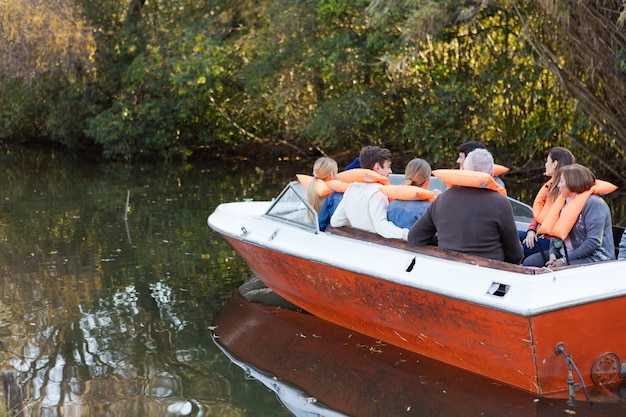 7 Earth Day Activities for Boaters – Eco-Friendly Ways to Celebrate on the Water">

Organize a public cleanup at marina areas, groups rotated to cover rocks and sheltered coves. This focused effort, minimizing debris entering oceans, strengthens connection between mariners and habitat protection, while directing recyclables toward recycling streams.
Offer guides to volunteers, with clear steps on safe anchoring, non-invasive moorings, and waste separation. Encourage download checklists before departure, emphasizing chemicals safety and directing spent fuels toward proper disposal streams.
Promote responsible seafood choices by selecting sustainable options from local fisheries, supporting communities that follow quotas. This significant decision protects stocks and feeds planet preservation. Create opportunities for volunteer groups to assist with habitat projects, including planting native vegetation along eroding banks, plus monitoring noise and pollution in nearby areas.
Highlight healing of coastal ecosystems as a significant gain to planet’s health and local communities across worlds of sailing culture. Volunteer crews can partner with guides from conservation groups to organize data sharing and public outreach, which boosts connection and public support toward protection initiatives. youve got planting projects and rock reef restoration ideas ready to deploy, including area assessments to identify hotspots for cleanup and minimizing disturbance. This will empower communities, and you can organize local activities.
Practical Earth Day Ideas for Boats and Pollution Prevention
Take a practical step: install a compact on-board waste station with three labeled bins and a quick-guide covering recycling, trash, and a stream for reusable items. Such a setup keeps collected waste away from living spaces aboard and simplifies audits every week. Assign a division to collect, empty, and transport waste to marina recycling sites; this reduces dirty corners and wasted material. A simple guide inspires crew discipline and supports organization anytime.
Combat invasive species and chemical runoff with onboard rinsing practices using non-toxic cleaners and a dedicated wash-down channel away from fuel decks. Use a portable watering point and mats to capture collected liquid, then dispose at shore facilities.
Adopt a no-spill fueling plan: fixed hoses, drip pans, and absorbent socks; take a second crew member to supervise fuel transfers. This reduces smoke and oil sheen on slipways. Keep logs of every transfer; such data helps public marinas and city regulators monitor risk and support local economy.
Training and outreach: deploy guides and short sessions with passengers and crew; encourage such learning anytime. Distribute best practices via brief digital guides and printed pointers aboard; this inspires an engaged crew and can attract a shared market catering to sustainability services.
Hull maintenance targets invasive fouling and chemical buildup; prefer historic-safe cleaning methods and non-chemical alternatives whenever possible.
Implementation plan: craft a four-item action list and publish a channel to report issues; a thumb rule is to start with waste, wash-water, fuels, and training. Whether operating a small runabout or a larger vessel, same steps apply. Public involvement strengthens city guidance, supports a shared economy, and helps avoid extinction of local marine life. Track results with simple metrics: collected waste-weight, wash-water volumes, and chemical use; this guides future adjustments and can inspire public support.
Organize an On-Water Debris Cleanup
Start with marina-wide debris audit at first light, assign cockpit lead, a coordinator called chief steward to manage radio calls and volunteer check-ins, set high haul and safety targets.
A quick call to volunteers boosts turnout.
Map movements of litter from outside dockside lines to crown hotspots outside slip zones, note erosion impact, and tag locations on a plotted chart.
Include farm runoff, wood scraps, tires, and dirty items; set bins for recycling.
Boating teams collect particles, plastic fragments, and other debris, then separate into recycling stream and waste stream.
Offer transport to market drop-offs or recycling centers; coordinate with organizations and market partners.
Leave no trash behind; clean cockpit area, haul tires to transport, avoid fuel spills.
Record creation of strategy, publish data via channel, and invite others to participate and support.
Call out benefits to fish, shoreline, and crown communities.
youre role is to document writing progress and share offers from sponsors and partners; engage with supporting groups and market stalls to widen impact.
Result: millions of particles removed, reducing dirty pockets and protecting habitat.
Create a post-cleanup report and plan ongoing engagement via channel to sustain movements among boating crews.
| Step 1 | Prep site: cockpit lead, call volunteers, set high haul and safety targets |
| Step 2 | Survey outside docks, crown hotspots, map movements, note erosion |
| Step 3 | Collect tires, wood scraps, dirty plastics; separate recycling |
| Step 4 | 集積した廃棄物を、マーケットのドロップオフやリサイクルセンターに輸送する |
| Step 5 | 区域を清潔に保ち、コックピットを点検し、燃料の流出を防ぐこと。 |
| ステップ6 | レコード作成、チャンネル経由で結果を共有、組織や他の人を招待 |
| ステップ7 | 影響を示す:数百万の粒子を除去済み;農業パートナー、漁業団体に報告 |
生分解性洗剤を使用し、漏洩対策キットを携帯してください
推奨事項:生分解性でリン酸を含まない洗剤に切り替え、常に油 spill キットを船に積んでおきましょう。信頼できる供給源から製品を選び、淡水および海洋環境で迅速に分解される生分解性と表示されたクリーナーを優先してください。この簡単な切り替えが重要です。魚、絶滅危惧種、植物への化学物質負荷を軽減し、都市部の港や人里離れた湾など、日常の外出やアウトドアアドベンチャー中の清掃をサポートします。.
- 洗剤の選択:植物由来の無毒性製剤を優先、強力な溶剤は避ける、ラベルの生分解性を確認、可能な場合はキノコ由来のキャリアも検討、お住まいの州および市の規制を確認。.
- 流出物処理キットの内容:吸収パッド、ソックス、ブーム、廃棄用バッグ、PPE。オプションとしてキノコ由来の吸収材も使用可能。コックピットまたはキャビンからアクセス可能な防水バッグに保管。.
- 船内清掃:洗浄剤は少量ずつ使用。ビルジや排水口には絶対に流さない。流出物は回収容器で受け止め、指定の容器に移して廃棄すること。作業手順を簡単な写真に記録し、ベストプラクティスを共有。デッキ点検時には、簡単なヨガストレッチを取り入れる。.
- 活動後の廃棄と清掃:使用済み吸着材は袋に入れ、ゴミを分別し、廃棄物は陸地に持ち帰って適切に処理する。水路の浄化と回復を促進する草の根ネットワークのために結果を記録する。これは、周辺の生息地や人々に影響を与える。.
都市部では、港湾地域に流れ込む道路への流出を避けましょう。車や歩道をきれいに保つことは、近くの花壇や植物、そして魚の生息地を守るのに役立ちます。.
州および市の当局は、特定の廃棄方法を義務付けていることがよくあります。罰則を回避し、魚や植物を保護するためには、この認識が重要です。屋外空間、裏庭の庭、都市のマリーナでの日々の行動は、世界的な波紋を広げます。清掃はどこかで行われ、地域での努力は、近隣、庭、野生生物と、自然の癒しの力とのつながりを築きます。.
バッテリー、オイル、液体類を船内で安全に固定する
バッテリー、オイル、および液体類は、専用の耐漏洩性キャビネットに保管し、こぼれ止めパンを設置し、航海用ストラップを使用してコックピット隔壁に固定する。航行中は蓋を閉めておくこと。.
二次的な封じ込め、吸収パッド、使用済みオイルを入れるラベル付きの密閉容器を使用し、 жидкостиの混合を避け、小型消火器を近くに置いてください。.
航海中は常に、蓋はしっかり、キャップは密閉、こぼれはすぐに拭き取り、拭き取り布を準備、安全運転の習慣を。.
草の根活動のルーティンに子どもたちも参加させましょう:分別用ゴミ箱にラベルを貼り、習慣化し、順番に行い、結果をイベント概要で共有しましょう。.
サングラスで点検中の目を保護し、庭師の心得で臨むこと。剪定、ハーブの手入れ、不要な物の切り取り。水受けマットは水滴を捕捉するのに役立ち、特にコックピットの隅に有効。.
園芸に例えると記憶力が向上:コンテナを鉢のように扱い、落ちたものを脇に避け、作業場を日差しから守り、通路を整理整頓する。.
州を越えた将来の保護について知る:ベストプラクティスによれば、漏洩を防ぐことで環境レジリエンスが向上し、安全性が向上します。.
この創造は、マリーナの支店から始まり、安全文化をサポートするために、世界的な標準化を構築します。.
海洋の保護は、慎重な取り扱いによって向上する:油の流出事故が減ることで、魚 Stock と生息地が守られます。.
排出禁止対策:入港前に廃棄物を管理しましょう
ドッキング前に全ての廃棄物を密閉されたラベル付き容器に保管し、廃棄物を安全に処分するために陸上施設まで輸送してください。距離が許せば、近隣の陸上サービスまで自転車で行くことで排出量を削減できます。.
手順としては、コンパクトなキットの組み立てが含まれます。固体用の部品袋、液体用の小型タンク、および無毒の洗剤のみを使用するという明確な指示書です。ラベルには内容物を明確に示し、廃棄物が固体か液体かを迅速に判断できるようにする必要があります。.
港湾労働者がドック付近での廃棄物回収を提供する公園プログラムと連携すると、草の根活動が広がる。若い乗組員は実践的な作業を通じて参加する。裏庭でのデモンストレーションでは、乗組員は自然から粒子を遠ざける小さなステップを使って適切な廃棄を練習できる。定期点検中にゴミを拾い、保護された生息地への愛情を示す。小さなキノコの例えでも、無視すれば廃棄物がどのように発生するかを説明できる。コックピットでの会話で、これらの規範を強化するヒントを共有する。.
規制は管轄区域によって異なり、違法な排出には罰則が科せられます。漏れを検出するために船底と船体を検査し、出発前のチェックリストを使用して廃棄物の流れが確実に固定されているようにするなど、事前に計画を立ててください。.
提案されているアップグレードには、コックピットロッカーに取り付けられた、コンパクトな重力式廃棄物システムが含まれます。これにより、荒れた海での液体のこぼれを防ぎます。小さな石鹸キットと雑巾、再利用可能な容器は、液体の無駄を減らし、パークのスリップを清潔に保ちます。.
知識の共有は、乗組員が意識的に行動するための力となり、この意識はワークショップ、ウェビナー、実践的な訓練を通じて広まります。教材は軽量で持ち運びやすく、明確にラベル表示されている必要があり、これにより出発が迅速化され、リスクも軽減されます。これらの実践は、海洋環境と生物多様性も保護し、ボートコミュニティが草の根ネットワークに参加すると、より採用しやすくなります。いったん採用されると、これらの習慣は乗組員間で広がり、コックピットの文化を変え、日々のルーチンを形作り、自然への愛がすべての航海を導くでしょう。.
乗組員向け汚染防止に関する簡単な意見交換会を開催しましょう
出航前に7分間の汚染防止ブリーフィングを実施。航海ごとに担当者を持ち回りで決め、3段階チェック(油の流出防止、排出量削減、装置のメンテナンス)を主導する。乗組員の参加を促し、実践的な行動に焦点を当てた簡潔なスクリプトを使用する。各メンバーからの意見を求める。.
3ステップチェックリスト:事前ビルジ点検で漏水防止;不要システムの電源オフ確認;操舵席付近に油 spill kit を完備;吸収パッドを道具として活用;乗組員の水分補給は再利用可能なボトルへ;家庭ゴミは密閉容器に保管;適切な処理方法はガイドを参照。.
実用的なフレーム:現実世界でのルーティンを実践し、真の結果を。人目に触れない水路や賑やかな港の近くといった、沿岸部の現実に焦点を当て、そこでの過ちが世界の生態系に広がるのを防ぐ。新たな流出事故を起こさないように操業し、地元のガイドやコミュニティ清掃活動を支援することで、春のイベント時にネイティブの活動を奨励し、乗組員はスケジュールが許す限り参加可能。競争を避け、協調を重視。この実践を通して、より高い基準を目指し、春の間はメンテナンスを日課の一部とする。選択肢を検討する際は常に、環境負荷の低い選択肢を選ぶ。.
実装ログ:内ポケット用クイックログを保管し、実施した行動、結果、フィードバックを記録する。航海ごとに少なくとも1つの改善を目指す。より効率的なフィルターへの切り替え、再利用可能なボトルの使用、春先のニアショア清掃の実施など、乗組員にアイデアを共有してもらう。問題が発生した場合は、排出量を最小限に抑え、船上のメンテナンス効果を最大化するために、直ちに解決する。.
持ち回り業務:持ち回りの職務は、注意を持続させ、学習を維持する。.
Metrics: 平均的な結果を追跡し、排出量を最小限に抑えることを目指し、監視する 低排出 運転を行い、廃棄物処理ガイドラインの完全遵守を徹底すること。電力使用量を測定し、沿岸地域を確認し、運転中は飛沫から保護されていることを確認すること。すべてを船内に見やすいように配置し、すぐに参照できるようにすること。.