


 日本語
日本語  English (UK)
  Русский
  العربية
  한국어
한국어  Magyar
  Türkçe
  Español
  Čeština
  Svenska
  Português
  Ελληνικά
  Suomi
Suomi  Nederlands
  Română
  Italiano
  Français
  Polski
  Українська
  Deutsch
  简体中文
简体中文  Slovenčina
  5 Essential Habits for Responsible Boating to Protect the Marine Environment">

First, start every recreational trip with a clean hull and a plan to collect and dispose of waste at dockside. boatus emphasizes that hull cleanliness reduces drag, saves fuel, and protects shorelines from residues. You must follow this routine, and use only cleaners labeled non-toxic.
Choose paints そして cleaners with a low-toxicity label. Avoid hazardous copper-based underwater paints and conventional coatings that leach metals. The material you pick is a matter of water quality and marine life, so verify product estimates and follow local guidelines.
Carry a compact waste kit and dispose of all packaging at the dock. Reserve a small amount of space for oily rags and used wipes, and never drop them overboard. The estimated pollution reductions rise when you rinse bilges at shore facilities rather than on the water. Spend a moment to check hoses and caps successively before departure to prevent spills that damage shorelines and marine life.
Respect fueling protocols to minimize spills. Use designated docks, close vents, and keep absorbent pads and cleaners on hand. Never top off tanks; the amount you spill matters, and small events add up. Several factors – wind, current, and boat draft – influence drift, so plan to avoid causing slicks that reach shorelines.
Plan routes with low ecological impact. Favor calm cruising at lower speeds; the reduced engine load slashes emissions and fuel spend. Choose routes that avoid congested harbors, and regularly check shorelines for wildlife and debris. boatus suggests engaging with local clubs to share tips and respect local rules; small changes add up across recreational boating communities.
5 Core Habits for Responsible Boating to Protect the Marine Environment; Let’s Enjoy the Water AND Protect the Future
Pre-launch, verify waste containment and offsite disposal plans; ensure sewage stays in approved tanks and discharge outlets are secured before entering any waterway.
Habit 1: Strictly limit fuel burn and idle time near waterways; select a plan that prioritizes steady throttle, clean burn, and minimal wake to protect water-based habitats and waterway zones along the gulf.
Habit 2: Trash handling on board and on-site; bring sturdy bags, separate recyclables, and remove waste offsite; beachgoers have been asking for cleaner experiences and clear bins there, along with other practical cues.
Habit 3: Sewage management and hull bottoms protection; store waste in onboard tanks, use land-based reception facilities, avoid discharges in zones or closings; inspect hull bottoms for corrosion and leaks as you approach waterways.
Habit 4: Maintenance and materials; installing durable seals with silicones, testing spark-ignition components, and following board-approved plans and methods for repairs; keep a tidy work area on board to address small issues quickly.
Habit 5: Community action and heritage care; work with maritime boards and authorities; share france-based plans and methods; Boatus guidance supports best practices; highlight heritage and the difference between closures and routine operations; involve other regions to participate and protect water-based zones for future generations.
| 習慣 | Concrete Action | Impact |
|---|---|---|
| Habit 1 | Pre-launch: verify offsite sewage disposal plan, secure nozzles, close seacocks, and test the spark-ignition system. | Reduces pollutant load and prevents fuel from entering water-based zones. |
| Habit 2 | Trash handling: use sturdy bags, separate recyclables, have a dedicated on-board trash port, and remove waste offsite; beachgoers have been asking for a cleaner experience there. | Prevents litter from reaching beaches and waterways. |
| Habit 3 | Sewage management: store waste in onboard tanks, use land-based reception facilities, avoid discharges in zones or closings; inspect hull bottoms for corrosion. | Protects water quality and coastal habitats along the gulf and beyond. |
| Habit 4 | Maintenance: installing durable seals with silicones; check spark-ignition components; follow board-approved plans and methods for repairs; carry a small toolkit. | Prevents leaks and keeps equipment reliable on water-based trips. |
| Habit 5 | Community action: work with maritime boards and authorities; share france-based plans and methods; Boatus guidance supports best practices; highlight heritage and the difference between closures and routine operations; involve other regions to participate. | Strengthens stewardship and protects waterways for future generations. |
Actionable steps for cleaner waters and safer boating
Begin with a no-spill operation: refuel on land whenever possible, keep a spill kit on deck, and deploy absorbent pads to catch drips. Use approved fuel containers and close caps securely to prevent leaks. Whenever a spill occurs, contain it immediately and transfer waste to a sealed container.
Sort trash and recyclables into dedicated bins, and take them back to shore for proper disposal; label the bins to avoid mixing; bring extra bags for storm debris.
Choose alternatives to hazardous cleaning products; look for products labeled non-toxic and biodegradable; store cleaners in closed containers. Hazardous products eliminated from deck duties.
Maintain engines with a simple process: schedule regular oil changes and filter checks, inspect hoses for leaks, and replace worn clamps; avoid topping off and store fuel in approved containers.
Plan routes to minimize impact on ecosystems; reduce speed near bays and wetlands; avoid driving through shallow habitats to protect fish population; limit catch of non-target species; respect wildlife and shoreline protection.
Train your crew and ensure these steps are incorporated into operation planning; present results to the crew at debriefs and keep a record of improvements; like data from each trip to show progress.
Select clean propulsion: low-emission engines, proper fuel, and routine maintenance
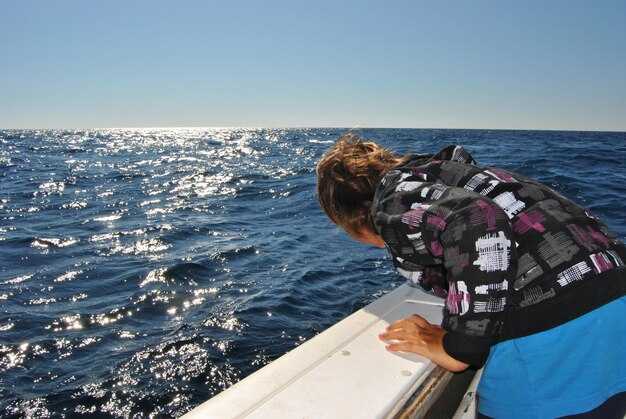
Choose a low-emission engine, use proper fuel, and lock in a routine maintenance plan to minimize emissions, protect waters, and extend engine life.
This approach serves boaters around the world and is composed of three core pillars that cover selection, fueling, and upkeep, with clear ways to apply them in your area. The role of routine maintenance is to prevent costly failures and to provide reliable performance while reducing harmful effects.
- Engine types and performance: pick a low-emission outboard (four-stroke, direct-injection, or electric) that matches their boat size, their load, and typical weather. Verify certifications and rely on trusted after-sales support rather than quick sales pitches.
- Fuel management and treatment: use fresh, proper fuel for the engine type; store in sealed tanks away from heat; apply fuel treatment or stabilizer; buy from reputable sources; avoid harmful blends in hot weather; plan for fuel quality across the season.
- Maintenance methods and schedule: conduct routine checks at regular times; use proven maintenance methods; replace filters, inspect hoses, test fuel lines, clean or replace spark plugs or injectors, and flush the cooling system; keep a log of results; training for crew to master techniques; these practices are incorporated into the boat’s maintenance plans.
- Containment and protection: carry spill containment gear and absorbents; practice quick response to leaks near sand beaches or protected wetlands; use fenders during fueling to avoid hull contact and habitat disturbance; have a simple containment plan that minimizes spill effects.
- Impact reduction and balance: lower emissions by keeping speed and RPM efficient and avoiding long idle near recreation areas; choose routes that minimize disturbance to wildlife and shoreline ecosystems; monitor environmental effects and adjust techniques accordingly.
- Plans for least harm: create a practical plan to minimize harmful emissions, implement training, and review results after each trip; ensure these steps are incorporated into club or marina programs.
Pack, store, and dispose of waste responsibly on board
Pack waste in rigid, sealable containers and place them into clearly labeled bins in the galley and nearby storage areas. Keep lids tight and align liners to prevent leaks while underway, ensuring a safer voyage and a calmer living space.
Plan ahead by estimating daily outputs per person and setting a spending limit for disposable items. Particularly on longer trips, review waste generation at the end of each day and adjust the arrangement of bins and containers to minimize crossings between different materials.
Separate liquids and hazardous items from food items. Use advanced storage methods for paints and solvents, placing them in locked, vented spaces away from heat and moisture. Maintain clear spacing to avoid contamination and potential spills in rough seas.
Reduce cleaning waste by opting for concentrated products and using only the amount you need. When rinsing, collect wash water and reuse when feasible, spending less energy and minimizing runoff that could disrupt water quality and marine life.
保護 the environment by choosing durable, leak-resistant bottles and ensuring all containers are in good condition. Secure every bottle and jar to prevent loss, entanglement with lines, or accidental discharge in challenging conditions.
Dispose responsibly when ashore: transport waste to shore facilities using dedicated bags and receptacles, never discharging plastics or chemicals into the water. A smaller footprint comes from recycling whenever possible and from returning waste to approved programs at ports and homes ashore.
Maintain clear procedures for handling waste during the voyage. Train all crew to sort materials consistently, check storage areas daily, and keep waste away from food stores and cooking surfaces to avoid contamination and disruption of onboard routines.
Close the loop by performing quick after-meal cleanups and storing waste promptly in the proper places. Regular checks reduce the risk of residues and odors, supporting safer navigation and a more enjoyable boating experience for everyone on board.
Refuel safely: prevent spills with drip pans, correct tank procedures, and containment
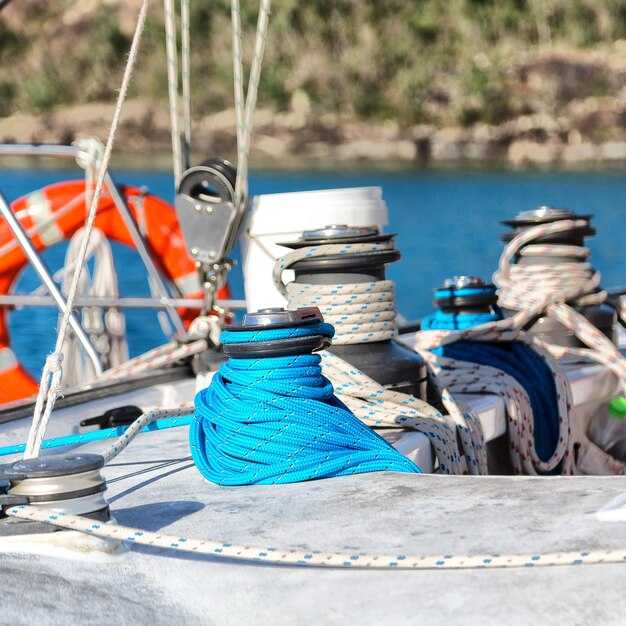
Start with a drip pan under every fueling point and a secondary containment plan ready to catch drips. Place a pan at the fill point and keep absorbent pads nearby. This simple step stops spills from becoming sources of water pollution and cuts potential losses during fueling.
Choose drip pan types that fit your fueling setup: lightweight plastics for portability or metal pans for rugged use. Each type should have a tight seal and a raised lip to channel spill into the containment area. Before fueling, inspect seals and replace cracked edges to avoid leaks. Plastics designed for marine use resist salt and UV exposure better than other materials.
Standard fueling operation begins with engine off, vents opened, and a grounded hose connected. Follow tank procedures: keep the nozzle in contact with the tank opening, avoid forcing connections, and monitor the fill to stay at target capacity. In particular, avoid topping off and use the meters to gauge capacity.
Containment measures include placing sorbent pads, a back-up tray, and a portable berm if dockside. Collect used pads and store them in a closed container; keep the deck dry to prevent plastics from entering the water. This approach limits sources of spill near the waterline and supports quick response.
Fuel vapors contribute to emissions; use a tight cap and closed system to reduce emissions. After fueling, wipe down the area to remove paint chips and other debris that could mix with runoff. Plastics from pads and packaging should be disposed of according to marina rules to prevent plastics from reaching the sea.
Legal and safety concerns: illegal releases carry penalties; keep a spill kit accessible and train crew or regulars; report any major spill to marina staff. This routine helps every watercraft operator stay compliant and reduces the risk of a spill becoming a costly cleanup job.
In carolina coastal marinas, following these steps is a practical solution for reducing losses and protecting wildlife. Maintaining a simple, repeatable fueling routine can be part of every watercraft operation and supports a cleaner harbor, particularly during busy summer months when traffic increases.
Integrate drip pans, correct tank procedures, and containment into your fueling routine to build a reliable solution for safer fueling. This approach helps prevent spills from becoming a recurring problem and makes fueling a straightforward task that humans perform with care, protecting favorite water activities and coastal ecosystems.
Anchor and moor thoughtfully: protect seabeds and sensitive habitats
Anchor only in approved spots and switch to a mooring line when available to protect seabeds.
Consult charts for puget waters and carolina shores to locate designated anchorage areas that avoid eelgrass beds, kelp forests, and other sensitive environments. Use a controlled drop, keep scope appropriate to depth, and verify holding before leaving the helm.
When anchoring, favor marina buoys or sheltered sites and avoid dragging along the bottom. If you must drop anchor, minimize disturbance by limiting lowers to one set and watching for seabed shifts from current or surge, then head into deeper water if movement increases.
For waste and refueling, dispose of trash and oily residues at offsite treatment facilities or marina containers. Never discharge bilge water or oily residues into water; if any discharge occurs, report and contain immediately.
During refueling, do it on land or at designated docks; keep engines off near habitats and inspect hoses for leaks. Use absorbent pads to catch drips and store spills until you can clean them up at land facilities.
Protect health by preventing contamination; gastroenteritis risk rises when water is contaminated. Rinse decks with fresh water on land or use approved wash-down facilities; avoid discharging wash water into water bodies.
Long-term success depends on a routine that checks for overflows and leaks; keep engines quiet and off when anchored near habitats to reduce turbidity, and review containment procedures to keep environments healthy across puget and carolina coasts.
Share these practices with others at marina events to raise safety awareness and encourage responsibility among crews and guests.
Discuss this at the next marina event.
Reduce wake, noise, and disturbance: follow speed zones and wildlife-friendly practices
Follow posted speed zones and keep wake reduced by maintaining 5 knots or less within 200 meters of cetaceans, seals, and nesting seabirds. This simple rule protects seabeds and ecological habitats, delivers a safer ride for friends and recreational users, and helps sport boats share coastlines more harmoniously with wildlife. Whenever you enter sensitive waters, plan to stay in calm lanes that minimize disturbance and disturbance-related stress for marine ecosystems.
Look ahead for wildlife activity and steer along established channels to limit abrupt maneuvers. If you spot cetaceans or seals on the region’s coastal stations, slow down immediately and give them space. This approach supports ecological prevention across states and regions, reduces collision risks, and lowers the chance of pathogens spreading through vessel discharges. By choosing smooth, predictable turns, you protect seabeds and nesting sites while keeping human activities safe and enjoyable.
Reduce noise by avoiding sudden accelerations, keeping engines at steady idle when appropriate, and using quiet modes or electric propulsion when possible. Lower sound levels improve the experience for recreational lovers and sport users, and create a calmer environment for wildlife. Whenever it’s feasible, limit loud conversations and music; the positive impact shows up in easier wildlife viewing and fewer disturbances for seals, cetaceans, and other coastal residents.
Practice responsible waste management: never flush near bays or rookeries, and use pump-out stations to prevent discharge of pathogens. Adhere to USEPA guidelines and local regulations to protect water quality and seabeds, while strengthening prevention efforts across the region. Choose vessels with safe materials such as aluminum or other durable hulls, and minimize power requirements through efficient operation and solar options when available to further reduce noise and emissions. This approach ensures safer experiences for home waters and supports ecological health for communities and visitors alike.
Share these practices with friends and other recreational users, and participate in community events that promote responsible boating. By staying informed about the region’s rules and ecological needs, you create a positive, sustainable environment for wildlife, habitats, and people wherever you boat.