


 日本語
日本語  English (UK)
  Русский
  العربية
  한국어
한국어  Magyar
  Türkçe
  Español
  Čeština
  Svenska
  Português
  Ελληνικά
  Suomi
Suomi  Nederlands
  Română
  Italiano
  Français
  Polski
  Українська
  Deutsch
  简体中文
简体中文  Slovenčina
  10 Must-Try Summer Boating Activities for Your Bucket List">

夜明けとともにパドルボードを手に入れて始めましょう。 open 水の中でリラックスした滑りをお楽しみください。. 穏やかな川の夜明けは、最小限の波紋、澄んだ空気、そして感覚を研ぎ澄ますような反射をもたらします。.
マリーナや静かな入り江に広がり、これらのアイデアは、実用的なステップとシンプルな喜びが融合しています。付属の桟橋を利用してギアをレンタルし、中古機器の状態を良好であることを確認し、波の動きが最小限に抑えられている穏やかな川沿いのルートを選んでください。パドルボーディングはバランス感覚を養い、ボディボードは保護された浅瀬の近くで水しぶきを巻き起こします。.
オープンウォーターの航路は、迅速なモーターボートへの乗り換えで延長することができ、より長い区間をカバーし、遠隔の港に到達し、その後海岸に戻ります。 探索 ウォーターフロント地区。クラフトタイプの混合の利点は、一部の区間ではスピードがあり、他の区間では静止できること。マリーナでは、地元のレストランで食事をしたり、船が流れるのを見たりすることができます。.
Each day can pivot between calmer currents and mild challenges–start with a first 川沿いを歩き、パドルボーディング区間に切り替え、最後に保護された入り江の近くで短いボディボードセッションをします。これは adventures このアプローチは、地図を開いて自然の景色と面白い場所を組み合わせた短いループを計画することで、常に新しい何かをレーダーに映し出します。.
役立つヒント:風の予報を確認し、装備を安全に固定し、機器に身分証明書を添付します。軽量の緊急キットを船内に保管しておきましょう。水上でのリラックスした瞬間と活動的な探検を組み合わせることで、斬新でありながら実用的な一日を過ごすことができます。.
究極の夏のボート乗りバケットリスト
日の出とともに生産的なリーフへ出発し、暑さが強くなる前に錨を下ろします。穏やかな水はシュノーケルの視界を改善し、ケルプラインのすぐ外でマヒマヒを見つける可能性を高めます。.
隠れた場所を2時間かけてループでパドリングすると、海岸線や岩だまりとの距離を比較できます。フィンとマスクを持って、流れに乗って進み、一緒にボートに戻りましょう。.
色鮮やかな礁の端をシュノーケルで泳ぎ、潮流に乗って魚やサンゴを撮影します。浅瀬にとどまるか、より深い渓谷へ潜降するかを選択してください。.
静かな入り江近くで夜を過ごし、夜明けにクルーズへ出発。デッキで簡単なマヒマヒを調理しながら、頭上には星が地平線を縁取る。.
マリーナでのイベントやコンサートに参加しましょう。多くの港では週末のマーケットやライブミュージックが開催され、パドリングセッション後のリラックスした雰囲気を醸し出しています。.
このオプションには、遠く離れたビーチへの長い移動が含まれており、そこではシュノーケリング、船体からの泡の除去、魚の群れとの水泳を楽しめます。.
同じ志を持つ船長たちが防波堤の後ろに集まり、バーベキューのコツを共有したり、結びの知識を交換したり、一緒に一泊旅行の計画を立てたりする。.
安全を第一に:基本的な応急処置キットを携帯し、PFDを着用し、波が穏やかな海域では風と潮のタイミングを確認してください。嵐に警戒してください。.
創造的な工夫が旅を向上させます。コンパクトなカメラを設置し、ポータブルグリルをセットアップし、軽量のハンモックを持ち込み、そして記憶に残る思い出でその経験にタグを付けましょう。.
初心者向け水上スキー:ギア、場所、そして安全性
自然湖の保護された入り江で、訓練を受けたインストラクターが長い牽引ロープと安定したボートプラットフォームを使用する、専用のレッスンから始めましょう。調整可能なバインディングを備えた幅広で安定した水上スキー、米国沿岸警備隊(Coast Guard)承認の救命胴衣(PFD)、および適切な牽引ロープに取り付けられたハンドルを含むスターターキットをレンタルまたは借りましょう。ぴったりとしたライフジャケットを着用し、必要に応じてヘルメットを選択し、膝パッドを追加します。日焼け止めと帽子は、水上での長時間の日のための完全な日焼け止めを完成させます。.
Gear essentials
- ワイドなプロファイルと快適なバインディングを備えたウォータースキー
- PFD (タイプIII) およびオプションのヘルメット
- パッド付きハンドルが付いた、約25~28フィート (7.5~8.5 m) の牽引ロープ
- ネオプレンウェットスーツまたはUV保護ラッシュガード
- 膝パッドと滑り止め靴は、岸壁での訓練に必要です。
- 日焼け止め、ウォーターボトル、帽子
- De-kit デバイスで、セッション、スピード、およびレップを記録します
初心者向けのスポット
- 穏やかな内陸湖、最小限の風、そして浅い棚
- 沿岸に沿った保護された入り江、穏やかな海岸線。
- マリーナベイは、保護された水面と再現可能な水しぶきを提供します。
- オフショアエリアは、風が穏やかで波が小さい場合に限ります。
- 風光明媚な水域で、初期の立ち上がりのための安定した練習レーンが提供されます。
技術と安全
- 天気と水の状態を確認します。風速は15mph未満、波は膝の高さ程度またはそれ以下を目標とします。
- 専属の監視員と救助艇を使用し、水泳者やアンカーから十分な距離を保ってください。
- 引っ張る際に、膝を曲げ、腰を後ろに、体重をつま先に向ける。腕はまっすぐ、グリップはリラックス。
- 高くて安定したポジションに移動し、肩をまっすぐ前、頭を高く、目を前に向けます。腰を早めに回さないでください。
- ラン間のクールダウン;水分補給し、ふくらはぎとハムストリングをストレッチし、何がうまくいったかを見直す。
Progression and cross-training
- 短いライドから始め、次に各ランに5〜10秒ずつ追加します。セッションを通して日数を徐々に延長します。
- ロープの長さとボートの速度を少しずつ微調整してください。多くの学習者は、時速18〜25マイル程度の速度に遭遇します。
- カヤックやその他のウォータースポーツでクロス・トレーニングを行い、バランス、体幹の強度、体の意識を高めましょう。
- 高壁のトリックとは異なり、安定した受け止めと制御されたエッジに集中してください。
- 筋肉が適応し続けながら快適ゾーンにとどまるために、ロープの長さや速度を徐々に変更してください。
アフターケアとソーシャルラップ
ギアをすすぎ、完全に乾燥させ、換気の良いバッグに保管して終了します。乗組員が準備ができたら、ドックでグリルを催し、クリップを共有し、進捗を振り返りましょう。このような瞬間がルーチンとモチベーションを築きます。進捗が停滞した場合は、ギアの適合性、ロープの張力、ボートの速度を再確認し、徐々に調整してください。目標は、筋力と自信を高めながら、自然の水域での風光明媚なセッションを楽しみ、激しい日と軽い日のバランスを維持することです。カヤックをミックスして、ウォータースポーツのルーチンを多様化し、気分転換にもできます。.
カヤック vs スタンドアップパドルボード:あなたのグループに最適な船舶の選び方
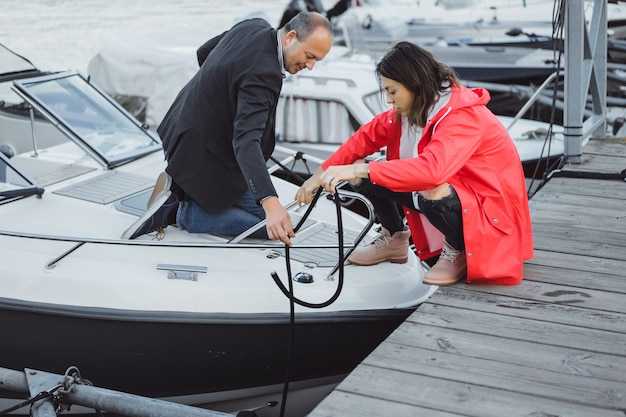
Choose kayaks when the crew values stability, storage, and seating flexibility. A two- or three-seat model keeps several participants together, and the canoe option becomes appealing if gear load is high and line of sight across the group matters.
Stand-up paddleboards excel in themed day trips on calm water, with quick setup and a shorter learning curve. A tandem SUP can carry two paddlers and still leave space for gear; sometimes a third rider is called to hop aboard a lighter board during breaks, creating an opportunity to rotate exercises and keep energy high in water sports settings.
Specific conditions drive choice: wind and current, including chop and gusts, affect stability; kayaks track well to cut through chop, while stand-up boards can be less forgiving. On a dock with a ramp, entry and exit are smoother with a kayak, whereas a SUP offers quick deployment from shore if the water is calm.
Stroke mechanics differ: kayak paddling uses torso rotation with feet secured by bindings; SUP relies on a longer, forward stroke while maintaining a wide, bent-knee stance to absorb waves; having a solid technique keeps fatigue at bay.
After a soak and swim break, inspect gear; bent paddles or damaged bindings create regret. Always scan for underwater hazards and drift, and keep a safe distance from others on the water.
Both options deliver value; keep a minimal gear kit to reduce spending. If space or weather changes, switch to the alternative; started as a simple family activity, it becomes a flexible plan that accommodates three to four participants.
Sunset Harbor Cruises: Photography Tips and Dining Spots
Reserve prow-facing deck seating and check in 15 minutes early to secure unobstructed light over the water. This setup makes silhouettes pop against a gold sky, a relaxing start to a horizon-tinged cruise.
Photography basics: shoot RAW, set manual exposure, white balance cloudy to warm tones, keep ISO low, aperture around f/8, shutter 1/125-1/200, use burst mode to capture waves.
Creative framing tips: placing major elements on the rule of thirds, unlike static perspectives, blend sails, ferries, and skyline with reflections on wet decks. The advantage lies in layered composition, often giving depth that pops against the darkening water. Note the placing of key subjects on the thirds grid.
Equipment and levels of experience: beginners can start with a wide-angle lens to capture the harbor panorama, then move to a telephoto to isolate details; handheld stability helps on a moving vessel. Offshore lights add texture; underwater shots mount a waterproof housing on an action cam if water clarity permits. Carry several small tools, like spare battery, lens cloth, and microfiber, to keep gear ready. A need to stay prepared means packing a compact rain cover and a headlamp for after-dark shots.
Itinerary and stops: a two-stop plan works well: harbor mouth photo pause, then marina-side dining space with glass-walled rooms catching evening light; maybe a third anchor near offshore islets.
Dining options: dockside grill with fresh catch, grilled octopus, citrus ceviche; riverside bistro offering white wine flights; menus highlight seasonal produce. The popularity of dockside spots grows during golden hour, with seating that overlooks the water.
Wellness and safety: relax between shots, stay hydrated, wear non-slip shoes, sun protection; crew provides life jackets and safety briefing. A light workout on deck keeps the arms steady when composing long exposures. Those needing shade can choose cabin corners or protective awnings. The vibe stays sport-friendly, yet this experience remains relaxing.
The wrap-up centers on learning, relaxation, and creative exploration, appealing to their amateur and recreational ambitions. The plan accommodates several levels, with options that scale from wide harbor panoramas to tight, detail-rich shots; offshore routes reveal wider color palettes.
Dock-and-Dine: 7 Venues, How to Dock, Menu Highlights
Dock at sunrise to minimize wakes, secure stern with a spring rope, fasten to a cleat, deploy sturdy fenders, then step ashore from the wing with crew ready to assist. This setup keeps everything smooth while guests stretch into the dockside rhythm, a quick workout before tasting begins.
Harborfront Market Pier – Docking: approach from starboard, land a bow line on a fixed cleat, then run a spring to the stern; keep the rope tight while guests move via the wing to a waiting dockhand. Menu highlights: charred sea bass with lemon, fennel slaw, herbed potatoes; roasted corn; artisanal bread; plus a microbrew flight. Itinerary ideas include a sunrise tasting sail or a social sunset pairing with art along the docks. Whether you seek refined vibes or casual fun, this stop delivers such balance.
Marina Bay Social Club – Docking: use a stern spring, tie to a mid-pier cleat, adjust fenders, guests move from the wing onto the dock. Menu highlights: timber-grilled prawns with chili-lime glaze, mango-avocado salad, crusty bread, and a bright white wine pairing. Taste takes priority; social ambiance grows with afternoon cocktails, adventurous dish options appealing to familiar palates alike. Such a setup entertains adventures, with a shorter wait at the dock when crowds align.
Sunrise Cove Deck – Docking approach: approach from the bow, secure to a cleat with a short rope, keep the midships fenders buoyant, then step onto the dock via the stern wing. Menu highlights: citrus-glazed salmon, grilled asparagus, quinoa salad, and a rooftop cocktail. Itinerary options include a dawn tasting with the crew, a mid-morning stroll to a nearby cafe, then a sail back. Whether you crave elegance or casual vibes, this stop fits.
Oceanview Quay Kitchen – Docking tips: approach slowly, use a stern spring, secure stern lines, ensure fenders align with hull. Menu highlights: pan-seared scallops, garlic butter potatoes, lemony greens, and a local citrus sorbet. Advanced seating at the marina cabana delivers a private sense of luxury; after the meal, a short social cruise around the quay adds momentum. Using calm winds, shorter turns, and precise rope handling reduces wait times, and everything remains smooth.
Wing & Tide Dockhouse – Dock procedure: approach from the starboard wing, drop a dock line to a cleat, then run a spring line to the stern; fenders positioned to stay buoyant. Menu highlights: grilled lobster tail, corn chowder, zucchini ribbons, and a chilled rosé. Taste motivates the group; this venue suits adventurous palates with smoky sauces and citrus accents. Social energy spikes during sunset as waves create natural rhythm. Using the wing edge, guests hop ashore with generous space, and such spacing keeps the mood buoyant.
Adventurers’ Cove Bistro – Approach: use a starboard side tie to a floating dock, keep lines snug, adjust to wind levels, guests exit via the wing with a guide. Menu highlights: miso-glazed swordfish, fennel salad, sesame rice, and a starfruit dessert. The adventurous crowd appreciates catch-of-the-day specials and bold flavors; a post-dinner paddle around the cove adds a sense of mystery. Everything here feeds cravings for adventures, with a shorter walk to the car or shuttle depending on crowds.
Harbor Lights Deck & Cruises – Docking: keep bows aligned with the pier, secure with a bow line and spring, deploy ample fenders; guest movement happens via the wing onto a welcoming gangway. Menu highlights: citrus-chili tuna poke, sea-salted fries, microgreens, and a refreshing mojito. After the meal, a social party aboard a short-range cruise becomes the centerpiece; experiences here cover levels of energy, from intimate corners to open-air decks. Marinas nearby provide access, while adventurous souls chase sunrise or night vibes along the water. Everything here speaks to tastes, adventures, and social momentum.
Packing and Safety Tips for a Summer Day on the Water
Start with a compact safety kit and verify gear before you set out. Include a PFD sized to each passenger, a whistle, a waterproof map, a dry bag, a throw rope, and a basic first-aid kit. Packing takes only minutes. Keep everything within reach at the open spot and ensure theres a spare paddle for quick swaps. A perfect fit for footwear is water shoes with non-slip soles to protect feet and improve stability.
Gear choice matters: life jackets must be properly sized; children wear snug PFDs and ride in stable zones. An adult sits near the bow during idle times to supervise. Keep a spare light and waterproof bag near the crew. Right-sized protection reduces risk when waves rise.
Weather check: forecast, wind, and water temp. After sunrise temps rise quickly, so plan short rests and time in shade. Hydrate often, apply sunscreen, and carry a light hat to cut glare. Open water awareness helps you adjust course before conditions shift. A short, light workout break keeps stamina up.
On-water gear varies by sport: canoeing requires a straight paddle; wakesurfing uses fins and a board leash; the rider stays within a marked zone. When a rider calls a new trick, keep demonstrations short and safe; the result is exciting as time lines with larger wakes. Jumps should be attempted only after solid control; otherwise avoid. Creative drills, started slow, benefit both beginners and advanced participants, making moves easier for yourself. Live conditions can shift, so always monitor spot and adjust.
Open-water safety and underwater awareness: watch for underwater hazards near anchor spot and reefs, and maintain a safe distance from other vessels. After return, rinse gear with freshwater, dry it completely, and store away from direct sun. Inspect ropes, fins, paddles, and jackets; started maintenance now keeps gear reliable for the next outing.