


 Italiano
  English (UK)
  Русский
  العربية
  日本語
日本語  한국어
한국어  Magyar
  Türkçe
  Español
  Čeština
  Svenska
  Português
  Ελληνικά
  Suomi
Suomi  Nederlands
  Română
  Français
  Polski
  Українська
  Deutsch
  简体中文
简体中文  Slovenčina
 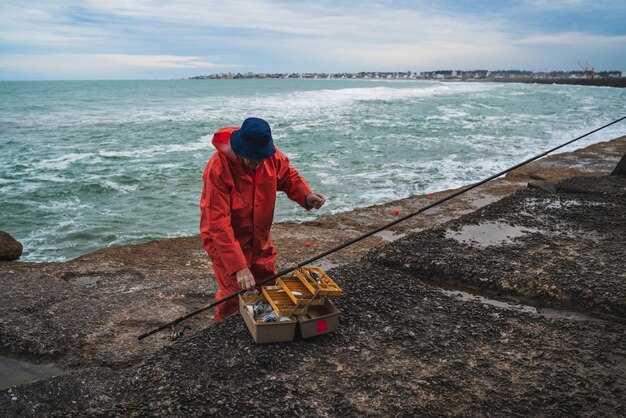 Where to Saltwater Fish – Top Spots, Seasonal Tips, and Gear">

I porti turistici di Branford lungo la costa sono il tuo punto di partenza ideale per un comodo, un'esperienza di acqua salata adatta ai principianti. contatta il personale del molo prima di andare a prenotare un posto barca e pianifica un'attrezzatura da spinning leggera con un terminale da 15–20 libbre per fare esperienza fin dal primo giorno.
Tra le zone migliori da prendere di mira ci sono i bordi del collo, le bocche delle insenature e le sporgenze dei canali che concentrano le corse stagionali. Includere la costa di Branford e i moli vicini ti offre un accesso affidabile a pause con molta corrente e struttura; troverai passere di mare di dimensioni comprese tra i 30 e i 50 cm circa intorno a piattaforme sabbiose, cobia che si muovono vicino a palafitte e boe e squali che pattugliano la struttura esterna quando l'acqua si riscalda. Inoltre, cerca banchi che si spingono lungo le linee del porto turistico dopo il tramonto.
I consigli stagionali ti aiutano a pianificare ogni viaggio. In estate-inizio, mordi finestre che si comprimono tra l'alba e il tramonto, quindi punta inizialmente alle foci profonde degli estuari alla prima luce e passa alle strutture vicino alla costa man mano che la giornata si riscalda. Sfrutta le maree a tuo vantaggio; in primavera vedrai un'azione migliore con l'alta marea. Includi latterini, calamari e piccoli bucktail come esche preferite e passa a esche più grandi se avvisti cobia o squali vicino alle boe. Dovresti adattare le attrezzature alle dimensioni del pesce che ti aspetti e mantenere positiva la tua esperienza con un comodo setup.
Lista di controllo dell'attrezzatura: canne da 7’-8' di peso medio-leggero abbinate a 2500–4000 Mulinelli di dimensioni medie offrono versatilità per diverse specie. Usa una lenza trecciata da 12–20 lb con un leader in fluorocarbon da 20–30 lb per resistere all'abrasione. Porta con te un mix di jig, bucktail, esche morbide e opzioni di esche vive come pesciolini o calamari. Tieni a portata di mano alcuni ami 1/0 e girelle, oltre a leader e minuteria extra, così sarai pronto per cobia, passere di mare o piccoli squali. Tieni in borsa molta attrezzatura e una bobina di ricambio per le condizioni mutevoli.
Sicurezza e contatti locali: controlla le previsioni e indossa sempre un giubbotto di salvataggio; se possibile, vai a pesca con un compagno. Chiama i porti turistici di Branford per informazioni sull'accesso agli scivoli, le condizioni dei moli e le segnalazioni attuali, e contatta i capitani locali per notizie aggiornate su squali, cobia e passere di mare nella tua zona.
Guida pratica a luoghi, stagioni e attrezzatura per la pesca d'acqua salata
Inizia in primavera nelle acque vicino alla costa per affinare la tecnica, poi avanza verso zone più profonde man mano che l'acqua si riscalda. Ogni uscita dovrebbe iniziare con un rapido controllo di marea, vento e attrezzatura, che tu stia cercando dentici grigi, marlin o specie di barriera corallina più piccole. Da qui, adatta i tuoi obiettivi in base alla zona e alle stagioni e fidati della tua attrezzatura affinché dia il massimo quando ne hai più bisogno.
Luoghi da considerare
- Le barriere coralline vicino alla costa, le sporgenze rocciose e le barre di sabbia offrono un'azione costante per mattinate molto accessibili lungo ogni costa.
- Parchi e moli offrono parcheggio facile, accesso prevedibile alle rampe e pesca adatta alle famiglie con attrezzatura leggera.
- I porti turistici e gli scivoli per imbarcazioni offrono canali riparati, finestre di alimentazione all'ora di colazione e hai buone possibilità di entrare in contatto con pesci che saltano vicino a moli lunghi.
- Passaggi esterni, canali e dislivelli attirano i predatori pelagici; perlustra questi punti durante le maree montanti quando la velocità della corrente aumenta.
- Le strutture abissali e i canyon sottomarini ospitano prede più grandi come marlin e pesce vela; pianifica uscite di più ore e porta attrezzatura più pesante.
- Le gite che coprono diverse barriere coralline e relitti in un'ampia area offrono una panoramica più ampia, facilitando il confronto dei metodi e la regolazione.
Stagioni e tempistiche
- Inizio primavera: il rimescolamento delle acque sconvolge le migrazioni; punta al lutiano grigio e al ricciolotto vicino alle scogliere con cucchiaini e esche vive, e prepara un'attrezzatura da baitcasting leggera o da spinning per ferrate rapide.
- Estate: le lunghe giornate favoriscono esche di superficie, topwater e traina a profondità media; utilizzare trecce da 20-40 libbre con terminali da 30-60 libbre per le specie vicino alla costa e da 50-100 libbre per le battute in mare aperto.
- Autunno: i pesci si spostano verso le strutture con il calo delle temperature; adatta i recuperi rallentandoli e passa a cucchiaini o jig più pesanti per lavorare più in profondità.
- Inverno: alcuni parchi e zone al largo ospitano specie tutto l'anno; aspettarsi acque più fredde e pianificare intervalli più lunghi tra le mangiate, ma rimanere pronti con canne stabili e terminali di ricambio.
Attrezzatura, metodi e configurazione
- Canne e mulinelli: scegli un mulinello baitcasting per jig e cucchiaini pesanti quando sono in programma la pesca in mare aperto o al marlin; abbinalo a un trecciato da 50–100 libbre e a un terminale in mono o fluorocarbon da 100–150 libbre per una maggiore durata.
- Filo e terminali: i setup nearshore funzionano bene con trecce da 15–40 lb su mulinelli da spinning o baitcaster leggeri, più terminali da 20–30 lb per gli snapper; per l'alto mare, usa trecce da 50–100 lb con terminali da 80–150 lb.
- Esche e esche artificiali: cucchiaini da 30–120 g sono adatti per la pesca sottocosta e a profondità media; utilizzare esche vive quando consentito e affidarsi ad altri metodi come le plastiche morbide per la loro versatilità.
- Minuteria: portare girelle extra, terminali da 60–100 libbre e una selezione di rig preassemblati; controllare i nodi e sostituire le parti usurate prima di ogni uscita.
- Tecniche: prova vertical jigging, traina e casting; cambia a seconda della limpidezza dell'acqua, della corrente e delle specie bersaglio; i risultati effettivi derivano dall'adattamento del metodo all'area e alla stagione.
- Stoccaggio sicuro dell'attrezzatura: tieni in ordine la tua cassetta degli attrezzi, pinze e un dispositivo di galleggiamento individuale (PFD) ben funzionante; molto importante quando ti sposti tra le pause vicino alla costa e le corse al largo.
- Ricambi e preparazione: porta con te sezioni di linea extra, ganci e terminali; arrivare al porto turistico o al parco con un kit completo ti fa risparmiare tempo sull'acqua.
- Specie target: puoi inseguire marlin grigi, blu o bianchi in zone di alto mare, o specie più semplici vicino alla costa; controlla le regole locali e i limiti di taglia per ogni area.
- Controlli sul campo: prima di partire, consulta le tabelle delle maree, le previsioni del vento e gli avvisi marini; devi adattare il tuo piano alle condizioni meteo in modo da poterti spostare rapidamente da un punto all'altro.
- Progressione graduale: inizia con la pesca vicino alla costa, poi estenditi verso l'alto mare e i porti turistici man mano che acquisisci esperienza; questo approccio ti aiuta a imparare le correnti di ogni zona, i momenti di maggiore attività dei pesci e le strutture sommerse.
Checklist per iniziare
- Identifica 2–3 obiettivi nearshore e un'opzione offshore per un piano misto a giornata.
- Carica la barca con un'attrezzatura leggera da 20-40 libbre per il lavoro vicino alla costa e un'attrezzatura più pesante da 50-100 libbre per le uscite in acque profonde.
- Prepara cucchiaini (30–120 ml), attrezzatura per esche vive dove consentito e terminali di ricambio con carico di rottura da 9 a 45 kg.
- Verifica i limiti locali di cattura e le regole sulle dimensioni; controlla i regolamenti della zona prima di partire.
- Traccia un percorso approssimativo da qui a marine, parchi e canali esterni, poi modificalo in caso di cambiamenti meteorologici.
Aree Costiere e Offshore più Importanti per Regione
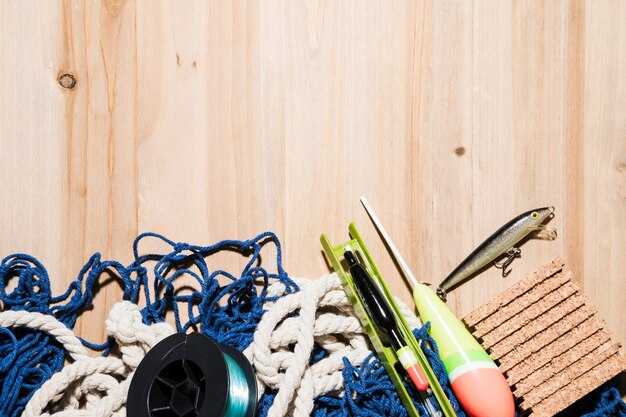
Punta alle paludi alle prime luci dell'alba lungo la costa orientale per assicurarti catture davvero precoci. Cosa prendere di mira inizia con il pesce rosso lungo i bordi dell'erba, poi trote e passere nelle prime insenature; mantieni l'attrezzatura leggera, proteggi i fragili bordi e usa cortesia verso gli altri pescatori prima di spostarti in mare aperto. Un semplice approccio con calendario romano aiuta a pianificare le finestre migratorie, ma rimani flessibile per il tempo e le correnti, apportando le modifiche necessarie.
East Coast Gli hotspot si concentrano attorno a paludi salmastre, insenature di marea e bordi della barriera corallina appena al largo delle barre. Le distese di fango rivelano esche con la bassa marea e attraggono pampano, ombrina e squali giovani; pescare sul bordo dove il fondo del canale scende dal fango molle al fondo duro. Per l'attrezzatura, utilizzare un sistema di spinning da 10–20 libbre con jig da 1/4–3/8 oz o gamberetti e plastiche vivi. La cattura tende a raggiungere il picco durante le ultime due ore di marea crescente; iniziare vicino al bordo della palude, quindi spingere attraverso tagli più profondi verso le insenature. Rispettare le chiusure e proteggere le praterie sottomarine tenendo le lenze lontane dalle lame di erba di palude.
Golfo e Atlantico meridionale Gli hotspot includono le isole barriera, le barriere coralline artificiali e i relitti, dove fanno la loro comparsa lutiani rossi, cernie, ricciole e sgombri королевские. I canyon al largo e la base della piattaforma sono popolati da marlin durante le migrazioni stagionali; usa attrezzatura pesante (9-27 kg) per le abboccate importanti. Sottocosta, i margini delle mangrovie e le praterie marine offrono scienidi rossi e trote фарellate; le distese di fango intorno ai passi ospitano passere di mare e saraghi maggiori. Un approccio efficace unisce esche vive a metal jig; questa combinazione ti aiuta a sfruttare al meglio i cambiamenti di profondità e riduce il tuo sforzo. I pescatori segnalano finestre di abboccata che raggiungono il picco all'alba e al tramonto; su tutta la piattaforma, tieni d'occhio la limpidezza dell'acqua e la marea. Questo articolo ha lo scopo di aiutarti a pianificare ed eseguire un'uscita intelligente ed efficiente.
West Coast Gli hotspot si concentrano su foreste di kelp, scogliere rocciose e canyon al largo della costa, dalla California meridionale all'Oregon. Le linee di kelp attraggono limande gialle, persici calico e ombrine bianche; al di fuori del kelp, il fondale scende rapidamente e i canyon ospitano tonni e occasionalmente marlin durante le migrazioni. Utilizzare un'attrezzatura da 15-40 lb per la pesca costiera e da 40-60+ lb per la traina d'altura; esche artificiali in ferro, esche vive ed esche da traina funzionano bene con un corretto controllo della profondità. Per il fondale marino, lo scorfano e il merluzzo si radunano vicino alle strutture, quindi utilizzare montature standard con bracciolo e tecniche di traina lenta per evitare intoppi. Rispettare sempre le protezioni della barriera corallina, mantenere l'attrezzatura organizzata e prestare attenzione alla sicurezza–safety per te e il tuo equipaggio–quando il tempo cambia e le onde si alzano.
Le migliori finestre stagionali: mesi, maree e modelli meteorologici
Choose May and early June for hammonasset’s nearshore zones and mudflats, when movement of bait is strongest and water warms toward seasonal highs. That really helps you plan around peak bite times.
Always check the weather and tide tables before you head out; plan an early start to catch the best strike windows. At the same time, balance your clothing with forecasted wind and sun; layering helps you stay comfortable while you target specific spots.
Including a few flexible sites in your plan makes a big difference: hammonasset, nearshore reefs, and mudflats each offer distinct feeds that change with the tide depending on wind direction and sun angle. For reference, destin offers a warm-water contrast that helps you gauge bite timing elsewhere; use it as a benchmark for seasonal timing.
Techniques and gear shift with season. In spring, lighter lures and jigging from rocky points often produce hits; in summer, surface plugs and fast-moving plastics take advantage of calm mornings. Always have a plan, but be ready to adjust as the weather shifts.
Before you head out, review a quick photo checklist: waterproof bag, camera in a protective housing, and a clean lens to capture action shots; early light adds color to waves and movement along the ocean.
| Season Window | Best Sites | Tides & Weather | Techniques & Gear | Note |
|---|---|---|---|---|
| Primavera (Mar–Mag) | hammonasset, mudflats, nearshore | increasing movement; mixed fronts; best at low-to-mid tides | shore casts, jigging, occasional topwater; reels 3000–5000; 20–30 lb braid | watch for early bite; plan on damp mornings; bring weather protection |
| Early Summer (May–Jun) | inlets, rips, nearshore structure | calmer seas; warming ocean; light morning winds | surface plugs, soft plastics; reels 4000–6000; 15–40 lb braid | bait movement peaks; call out days with strong tides; drive to multiple sites |
| Late Summer–Early Fall (Jul–Sep) | outer reefs, deeper channels | strong thermocline; variable weather; higher sun | shore casting, longer topwater; reels 6000–8000; 30–50 lb braid | read water color; adjust speed with wind and current |
| Fall (Sep–Nov) | mudflats, passes, inlets | moving tides; bite windows around front passes | topwater and soft plastics; reels 5000–7000; 20–40 lb braid | focus on early mornings; bait movement signals strike times |
| Winter (Dec–Feb) | protected coves, pilings, nearshore edges | slower tides; weather concerns; cold fronts | slow retrieves, heavier jigs; clothing suitable for cold; reels 3000–5000 | short, productive windows when seas allow |
Gear by Target: Rods, Reels, Lines, and Tackle Combinations
Start with a 7’6″ medium-heavy rod paired with a 6000–8000-size baitcaster, loaded with 30–50 lb braided line and a 20–40 lb fluorocarbon leader; this length and power cover shoreline and nearshore runs from Stonington to Hammonasset, and you can switch between live bait, cut bait, and squid jigs without changing setups.
Shoreline and piers
- Rods: 7’6″–8′ lightweight to mid heavy actions for accuracy and long casts
- Reels: 6000–8000-size baitcaster or 4000–6000 spinning reel
- Lines: 30–50 lb braided mainline; 20–40 lb fluorocarbon leader
- Hooks: 2/0–4/0, depending on bait size
- Tackle: 3–4 oz bucktail with a trailer, 1–2 oz metal spoons, and live bait rigs
- Combinations:
- Combo A (shoreline heavy): 7’6″ M-H rod + 6000 baitcaster + 50 lb braid + 40 lb leader + 3/0 circle hook + 3 oz bucktail
- Combo B (spinning alternative): 7’6″ M rod + 5000 spinning reel + 25–30 lb braid + 20 lb leader + 2/0 jig hook + 1–2 oz spoon
- Tips: check regulations for live bait use and keep a photo of the latest size limits; use maps to locate sandy pockets along the shoreline and adjust rigs for the last hour of the tide
- Notes: early mornings give cleaner retrieves; transport via vehicles with racks to reduce gear wear
Inshore estuary and nearshore
- Rods: 7’0″–7’6″ medium to medium-heavy for accuracy in tight spots
- Reels: 4000–6000 spinning or 6000–6000 baitcaster for heavier bites
- Lines: 20–30 lb braided mainline; 15–25 lb leader
- Hooks: 1/0–3/0 depending on bait
- Tackle: soft plastics, live bait rigs, and small metal jigs (1.5–2.5 oz)
- Combinations:
- Combo C: 7’0″ M rod + 6000 reel + 30 lb braid + 20 lb leader + 2/0 live-bait circle + 2 oz jig
- Combo D: 7’0″ M-H rod + 5000 reel + 25 lb braid + 15–20 lb leader + 3/0 circle + soft-plastic trailer
- Tips: study maps for estuary creeks; keep a low profile to avoid spooking fish; last light often produces movement
- Notes: regulations vary by location; stow a current copy and plan routes from Hammonasset to Stonington; a quick photo of rig setup helps you confirm the line length before casting
Deep-sea and offshore
- Rods: 7’6″–8′ heavy to extra-heavy action for big runs
- Reels: conventional big-game reels or 80–130 lb stand-up reels
- Lines: 50–100 lb braided mainline; 80–100 lb mono or fluorocarbon leader
- Hooks: 6/0–10/0 circle hooks or J-hooks for heavier baits
- Tackle: heavy jigs (6–16 oz), big squid bait rigs, and sturdy rubber bands for trolling
- Combinations:
- Combo E: 8’0″ H rod + 80–130 lb reel + 80 lb leader + 8–12 oz jig + 4/0 circle
- Combo F: 7’6″ H rod + stand-up reel + 100 lb braid + 80 lb leader + big lure/bait combo
- Tips: dive into local regulations for offshore limits; study maps to identify structure hotspots around rocky edges and wrecks; stay mindful of deep-sea movement and weather patterns
- Notes: early-season trips benefit from a test run on shorelines like Stonington before heading out; keep a spare rig in a pack for quick changes
Squid and bait-focused fishing
- Rods: 7’–7’6″ light to medium-light action for jigging
- Reels: 2000–3000 size spinning reel or small conventional
- Lines: 15–25 lb braided mainline; 12–20 lb leader
- Jigs: 1.0–2.5 oz squid jigs, glow or white colors
- Combinations:
- Combo G: 7’0″ L-Pivot rod + 3000 reel + 20 lb braid + 12 lb leader + squid jig
- Combo H: 7’6″ L rod + 2000 reel + 15 lb braid + 12 lb leader + light jig with attractant
- Tips: target early mornings; follow tide-driven movement; keep several lures with different colors for varying depth and clarity
- Notes: photos of the jig action can help adjust timing; use a light tackle bag to keep gear within reach on crowded piers
General gear strategy by target
- Balance: match line strength to rod rating and expected fish size; heavier rigs tolerate rougher conditions but reduce sensitivity
- Leaders: use fluorocarbon leaders to resist bite-offs, changing length by target (shorter for wrecks, longer for clear water)
- Hooks and baits: adapt hook size to bait length; among your options, keep a mix of live bait, cut bait, and lures
- Movement and timing: adjust retrieval pace to the target’s feeding window; early and late tidal cycles often yield better results
- Locations and logistics: use maps to plan a loop from Stonington to Hammonasset; check regulations before you go and keep your rig ready for quick changes
- Maintenance: rinse reels after salt exposure; inspect line for nicks and replace when needed; sherwood and other brands offer corrosion-resistant components that hold up in fresh salt spray
- Documentation: keep a simple log and photo notes of gear setups, species, and success rates for future trips
Bait and Lure Picks for Common Species
Start with a 3/4 oz silver spoon for tarpon along the costa at dawn; the flash and wobble grab attention in choppy acque.
Da county launches a land-access points, shrimp-imitation plastics on 1/6–1/4 oz jig heads work for redfish, snook, and speckled trout; use a slow hop, then a 2-second pause to imitate escaping crustaceans, trying several methods until you find the trigger.
In fast current, a gold spoon o nickel spoon cast along the channel will pick up bluefish and Spanish mackerel; keep the lure moving with a steady, long- stroking retrieve to stay in the gamma of active fish. This approach really covers both slow and fast days.
For freshwater pockets or brackish bays, a topwater plug or small soft plastic jerkbait can trigger bites for tarpon and snook; work it when tempo stabilizes and water color improves, then pause to let the bait sink.
Gear tips: for a particular tarpon chase, use a medium-heavy setup and 20–40 lb braid with a 25–50 lb leader; carry spare parts such as extra hooks and jig heads, plus a compact tackle kit for long trips and quick fixes.
With experience, you can determine the best lure choice; when you spot clear water, try smaller spoons, while rough seas call for longer casts and heavier gear; this plan gives you a reliable haven on most days, wherever you land your boat and chase the bite.
Species Spotlight: Quick Profiles, Habitat, and Handling Tips
Target spring-early mackerel along inshore bars at dawn for best action. These fast schools hug local estuaries, move with currents, and feed along weed lines near the breakwaters. Look for feeding birds, slicks, and bait; check tides and currents to time your casts. Use a light, quick rig: 15-20 lb test, a small metal spoon or shad-style plug, and a gold spoon for brighter days. Handle on the reel, reel quickly, and dont overplay the fish; if youre planning to release, keep it in the water while reviving. Wet hands only, avoid touching the gills. Mackerel serve as a haven for baitfish, and you can find them near openclosed bays during spring-early moves.
Blackfin tuna profile: spring-summer peaks nearshore and inshore, often schooling around structure and bait. Target 20-50 ft depths along weed lines, bars, and rips; use 30-50 lb gear with a strong leader; circle hooks on jigs, metal spoons, or live bait. Boats launch from local ramps at daybreak; keep steady pressure and drive the boat to keep the school close. When fighting, stay in the pocket, reel steadily, and avoid long skips or line-kinks. Handling tips: bleed and ice if you keep, or release cleanly; never lift by the tail, and revive quickly if you release. Check local limits and size rules; blackfin can require quick decisions and respect for the season, so plan for spring-summer windows if you want steady action. If you come by vehicles, stage gear away from the ramp to keep traffic moving and ready for the next launch.
Scallops profile: habitats include shallow bays, sand bars, and seagrass beds along inshore flats. Harvest during incoming to outgoing tide; check for fully closed shells; vent to check viability. Handle carefully, keep live scallops on ice or in clean, cool water until shucking. Shuck with a sharp knife, avoiding the adductor muscle, and store chilled. Youre likely to find them near local ports with park access and easy launches; openclosed describes tide-driven openings in some beds. Getting scallops to market requires quick processing and careful hygiene; avoid getting shells cracked to maintain meat quality.