


 Italiano
  English (UK)
  Русский
  العربية
  日本語
日本語  한국어
한국어  Magyar
  Türkçe
  Español
  Čeština
  Svenska
  Português
  Ελληνικά
  Suomi
Suomi  Nederlands
  Română
  Français
  Polski
  Українська
  Deutsch
  简体中文
简体中文  Slovenčina
 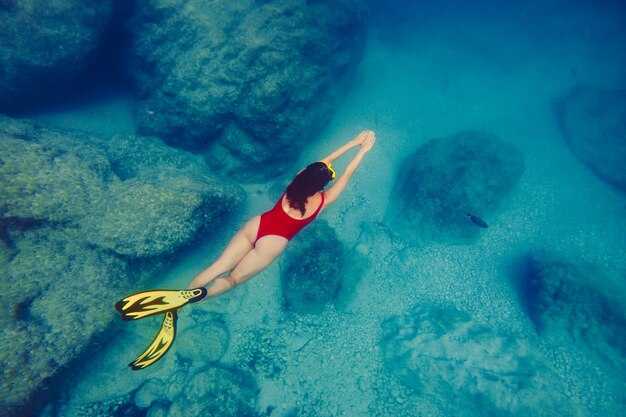 Where is the Best Diving in the Bahamas? Top Sites and Tips">

Inizia la tua avventura alle Bahamas con Exumas Cays: la visibilità supera spesso i novanta piedi e incontrerai numerosi pesci di barriera, tartarughe marine e curiosi squali nutrice durante le esplorazioni subacquee. A yacht l'abbonamento sblocca il controllo remoto underwater pareti e lagune poco profonde, mentre dolce drift sezioni ti consentono di scivolare con la corrente per una prima sessione rilassante.
Per garantire accessibilità e varietà, Nassau e Paradise Island offrono opzioni affidabili con condizioni di superficie calme e attrezzatura adatta a tutti i livelli. Aspettatevi una visibilità di circa 18-24 metri nelle giornate buone e alcune zone con oltre 30 metri vicino a The Caves e Nassau Reef, sia che vogliate incontri poco profondi o pareti più profonde. Bimini, la Lingua dell'Oceano crea zone più profonde faccia a faccia esperienze con la vita pelagica; molti itinerari includono una deriva lungo il bordo della fossa per rendere le esperienze più interessanti.
L'isola di Andros si distingue per i blue hole e i canali profondi, dove le profondità dai trenta ai novanta piedi incorniciano una vivace vita macroscopica e formazioni insolite. Avvisterai mini spolverini di polipi corallini aggrappati alle pareti, oltre a ghiozzi e granchi freccia che ricompensano gli osservatori pazienti. Tali opzioni diversificano le tue scelte, sia che tu preferisca sezioni di parete delicate, anfratti di relitti o caverne da esplorare con una guida qualificata.
Da Eleuthera ad Abaco, le opzioni si estendono per molti mesi e si adattano a un programma flessibile. Arriva preparato e impara dalla gente del posto: discuti le condizioni attuali e la sicurezza con la tua guida, perché la forza nell'acqua può cambiare rapidamente. Nuota con un compagno, individua i punti di uscita e rispetta l'etichetta della barriera corallina, trasformando alcune esperienze in storie che condividerai di persona con gli amici a casa.
Quando immergersi alle Bahamas: stagioni, siti e consigli per la pianificazione
Pianifica le tue esperienze subacquee alle Bahamas tra la tarda primavera e l'inizio dell'autunno per godere di mari calmi, clima stabile e visibilità eccellente. I periodi migliori sono maggio-giugno e settembre-ottobre, quando i venti si placano e la visibilità raggiunge i 18-30 m (60-100 piedi).
A Nassau, Exumas, Eleuthera e Abacos, le temperature dell'acqua si aggirano intorno ai 24–29°C tutto l'anno, con mattinate più miti nella tarda primavera. Le fasi lunari influenzano le correnti e gli incontri notturni, quindi puoi organizzare alcune sessioni notturne quando la luna è luminosa. Le condizioni meteo rimangono generalmente confortevoli, ma è consigliabile controllare le previsioni a breve termine prima di pianificare ogni giornata per evitare mari mossi o temporali.
passerai meno tempo ad aspettare e più tempo in acqua pianificando una visita che bilanci tempo in barca, tempo a riva e una sequenza di sessioni mirate. Ce la farai: diverse giornate offrono esperienze uniche se ti dai il giusto ritmo. Noterai anche giardini sottomarini e canali labirintici che mettono in mostra la bellezza della vita della barriera corallina, con pareti imponenti che scendono verso profondità blu dove compaiono pesci angelo e specie color limone.
Previsioni stagionali e idee per il sito:
-
Finestre primaverili (aprile-giugno): mattinate più calme e visibilità eccellente; esplora i giardini sottomarini vicino a Exumas e Nassau, con passaggi di barriera corallina labirintici e ampie sezioni di parete ideali per più brevi sessioni.
-
Mesi di spalla estivi (luglio–agosto): il mare può ingrossarsi nel pomeriggio; cerca di partire presto, poi brevi pause durante il caldo, e riserva le uscite più lunghe per i siti vicini.
-
Finestre autunnali (settembre–ottobre): la folla si dirada e le condizioni rimangono favorevoli; pianifica un briefing di novanta minuti con il tuo capitano e la tua guida per mappare i siti giornalieri, le letture correnti e i controlli di sicurezza.
-
Periodo invernale (Novembre–Marzo): l'acqua rimane piacevolmente calda al sud e si raffredda leggermente al nord; aspettatevi mari più calmi, traversate più lunghe verso aree remote e frequenti avvistamenti di creature come pesci angelo e murene.
Planning tips to maximize value:
- Organizza un briefing di novanta minuti prima del tuo primo giorno per allineare l'ordine del sito, i punti di ingresso, le correnti e le procedure di sicurezza. Nel briefing, le guide possono usare la parola “cita” per evidenziare una regola: "La pazienza ripaga".”
- Elabora un piano che preveda di trascorrere del tempo in tre-cinque siti, invece di affrettarsi a visitarne uno in un solo giorno; dedicare tempo ad alcune località ben scelte produce risultati migliori che rincorrere una lunga lista.
- Siti dove sembra di essere in un'opera d'arte vivente: giardini con coralli scolpiti, canali labirintici e imponenti pareti a picco dove il paesaggio cambia con la profondità.
- Cerca pesci angelo color limone e di altre tonalità tra anemoni e coralli; avvistare queste creature aggiunge un tocco memorabile alla tua giornata.
- Prendi in considerazione una breve sosta a un relitto dell'epoca di Salvador o a un altro pezzo storico per aggiungere contesto al tuo viaggio senza compromettere le condizioni attuali o la sicurezza.
- Tieni conto delle fasi lunari se desideri incontri notturni o fenomeni di bioluminescenza; la luna nuova o piena possono intensificare le apparizioni notturne della vita marina.
- Prepara indumenti a strati adatti al clima, crema solare adatta alla barriera corallina e una fotocamera compatta: ti piacerà immortalare la bellezza dei giardini, delle pareti e delle creature che incontrerai.
La scelta del luogo da visitare dipende dalle tue priorità: Nassau tende a offrire facile accesso e tratte in barca più brevi, Exumas offre pareti estese e giardini rigogliosi, Eleuthera mette in mostra una barriera corallina dai colori vivaci e Abacos offre un mix di relitti e avventure nei blue hole. Se visiti le Bahamas durante le mezze stagioni, troverai spesso mari più calmi rispetto ai mesi di punta invernali o durante la stagione delle tempeste, il che è piuttosto vantaggioso sia per i principianti sia per i subacquei esperti.
Le migliori zone per le immersioni e i siti imperdibili
Begin on Grand Bahama’s west side for steady drift sessions and close encounters with sharks along a reef wall; this option is the most reliable starting point for Bahamas underwater adventures.
In the Exumas, you’ll find green reefs, white sand flats, and clear aqua water that makes colors pop. Must‑see spots include Thunderball Grotto (about 20 ft) and the Coral Gardens near Staniel Cay. These stations offer calm currents, abundant marine life, and lobster tucked into crevices. Through the caves and arches, the light glints through the water, creating beautiful silhouettes you’ll remember after the trip.
Andros offers the largest reef system and a network of channels with varied courses. Depths range from shallow walls to blue holes in the 60–200 ft range. Sharks regularly cruise the drop-offs; theres a strong emphasis on guided tours to manage currents and keep you safe, a matter that matters whether you chase quiet sections or more active routes.
Just a short boat ride from shore, Bimini’s Tiger Beach area offers pelagics and sharks with shallow to mid-depth sites around Tiger Beach and nearby wrecks. Expect 20–70 ft depths, quick exits if crowds appear, and plenty of lobster tucked into crevices. Storms can churn water quickly, so check the forecast; plan mornings for the best visibility and calmer seas. Whether you chase macro life or big pelagics, the side of the island delivers reliable action.
Near Nassau and Paradise Island, reef gardens and nearby wrecks provide quick access for a half‑day plan. Most operators include gear and safety briefings, and you’ll find sites from 20 to 60 ft that suit beginners and more experienced divers alike. Theres a great mix of gentle wall sections and deeper channels, so you can adjust whether you want a relaxed rest between sites or a more challenging run if weather cooperates.
| Region | Notable sites | Typical depth (ft) | Why it’s great |
|---|---|---|---|
| Grand Bahama (west side) | Tiger Beach; reef walls; wrecks | 10–25 | Shallow to mid-depth action; steady drift and close shark encounters |
| Exumas Cays | <td Thunderball Grotto; Coral Gardens10–25 | Clear water, sand patches, vibrant life | |
| Andros Island | Blue Holes; deep walls | 60–200 | Largest reef system; varied courses and currents |
| Bimini | Tiger Beach area; wrecks | 20–70 | Pelagic action; lobsters in crevices |
| Nassau/Paradise Island | Reef gardens; nearshore wrecks | 20–60 | Easy access, multiple sites for all levels |
Seasonal visibility and water conditions
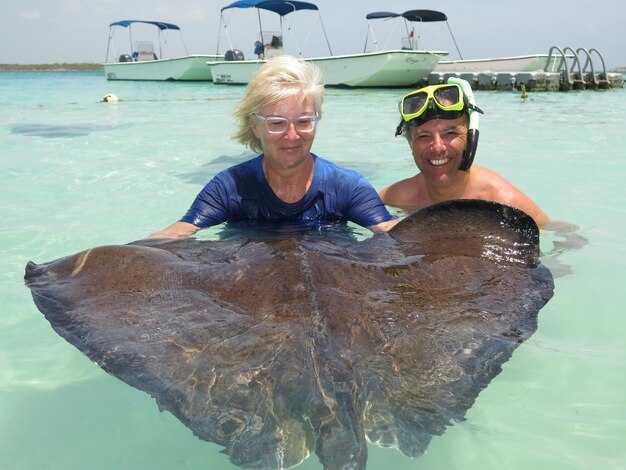
Plan trips for late spring through early summer, when visibility commonly runs 30–40 meters and seas stay calm on most western sites. An experienced operator knows how to adjust schedules to daily forecasts, and such flexibility matters for smooth scuba days. The beauty of reefs and the abundance of life become unforgettable moments, with angel fish and snapper patrols adding texture to every experience and to the diverse esperienze you collect with beginners and seasoned guests alike.
Winter fronts from the north bring cooler water around western banks and surface temps hover around 24–26 C. Visibility tends to be strong, often 20–30 meters, but occasional chop or post-front surge can reduce clarity to 15–20 meters. Plan early mornings for the best windows; night currents can shift near channels, so keep a plan with your centers and allow for last-minute adjustments. The abundant life around reefs adds to every outing.
Spring and summer bring reliable conditions for scuba experiences, with visibility commonly 30–40 meters on clear days. The abundant life creates highlights known across western sites, from snapper schools to curious angel fish. For beginners, shallow reefs offer calm, safe, slow-paced sessions, while experienced participants can reach deeper walls when winds cooperate and visibility remains high. night hours reveal different life, including nocturnal snapper and bioluminescence, adding another layer to your ocean esperienze.
Practical tips: check forecasts for winds and fronts; aim for mornings when winds are light and seas are flat. If a front passes, postpone by a day for better visibility. Book with local centers that know the best windows and can arrange night options if conditions permit. In hurricane season, keep a flexible plan and consider alternate sites or centers if risk rises. Follow guides’ advice, monitor currents, and treat reefs with care to keep the abundance for future adventures. With good planning, you’ll turn incredibly memorable esperienze into lasting memories for both beginners and seasoned snorkelers and scuba enthusiasts. These are things to consider for safety and enjoyment.
Wrecks vs. reefs: site types and what to expect
Recommendation: Choose wrecks first if you want a compact, story-rich experience; reefs are the better pick for color and wildlife. During a single outing, wrecks might offer dramatic silhouettes and incredible macro opportunities, and activities on the wrecks can include exploring cabins, holds, and bridge decks. Enthusiasts who want variety might decide to sample both in a single day.
Wreck sites offer predictable structure: hulls, cabins, cargo holds, and sometimes a sunken yacht with hidden compartments waiting to be explored by enthusiasts. During calmer weather, visibility below a wreck can reach 20–30 meters, revealing angelfish and algae clinging to corroded plates. The structure descended from its sinking, creating multi-level paths along stairwells and bulkheads.
Reefs offer a living canvas with coral heads, sponge gardens, and a list of residents that might include angelfish, parrotfish, and wrasses. Visibility is typically best in the morning; on calm days, the reef glows with vibrant colors across depths of roughly 5–20 meters. You can explore hidden ledges and algae-covered overhangs that provide shelter for small fish as currents shift.
How to decide? If you prefer macro photography and ship-historic vibes, wrecks offer more story lines and incredible hull details. Be aware of the lies about safety on wrecks; with a proper briefing and conservative depth, risks stay manageable. If you love color and movement, reefs provide a vibrant show with constant activity. Enthusiasts who want both can plan a multi-site day, often starting from a yacht-based base. Always check the weather forecast and plan around a window with good visibility; on calm days, you’ll enjoy clarity below 25 meters and a broader palette of algae and coral–more than enough to satisfy a full list of wants.
Bottom line: wrecks satisfy those seeking history and structured exploration; reefs satisfy those craving color, life, and accessible routes. If you might, last chance to adapt your plan based on conditions. A concise list of top spots from operators can guide you, and a strong guide will help you maximize opportunities while staying respectful of marine habitats.
Currents, drift dives, and safety practices
Check the day’s currents with a reliable источник, and lock in a clear exit point with your guide before you start. This keeps you over your marked line and reduces drift surprises when the tide shifts.
Currents depend on tide, wind, and bathymetry. In the Bahamas, typical offshore drift speeds run 1–3 knots, with bursts to 4–5 knots near passes. The maze-like reef walls and channels can bend your path; visibility ranges from 20–60 meters in clear days, dropping in bloom or silt. Warm surface water hovers around 24–28 C, and tiny eddies can form behind outcrops, nudging you off your intended line. Those conditions require a calm tempo and constant communication with the crew.
Always swim with a buddy and carry a surface signaling device, using a surface marker buoy to mark your position and share it with the yacht or safety boat. The captain knows the routes and can adjust the drift line on the fly. For those on a sailing charter, keep clear of the stern wake and stay aligned with the safety line. Keep a tight distance to the line and avoid swimming over prop wash or moorings. If you lose contact, perform a controlled ascent with your buddy and signal with the SMB so the crew can rejoin you quickly.
Your exit plan matters more than you think. Plan a fixed exit and use clear hand signals: point to the exit, then toward the boat, and verify the direction with the skipper. Those who came to the Bahamas for adventures know that a drifting moment can push you toward deeper water or a surge; stay inside the safety zone and along the line.
When conditions allow, a shallow entry from the edge to the crest often yields better visibility and an underwater panorama with beautiful coral tops and angel fish nearby. The lemon hue on the reef makes the experience feel different and memorable. After the drift, review what worked with your guide, check gear, rehydrate, and plan the next small piece of your itinerary for a smoother, safer journey.
Permits, conservation etiquette, and local guidelines
Get the right permits before you sail through the archipelago; protected zones such as Exuma Cays Land and Sea Park require a permit for vessel movement and mooring. Your guide or marina staff will point you to the issuing office, located in Nassau and George Town, and you should carry the permit on board at all times. If youre bringing a private craft, secure the pass at the park office and keep the receipt handy; such documentation speeds checks on busy days and helps protect abundant reefs.
Conservation etiquette: avoid touching coral or seafloor organisms; stay on established channels when moving between sites; use mooring balls instead of anchors to protect seagrass and coral up close; plus, keep your speed over propellers low to minimize sediment and wildlife disturbance; this helps enjoy the next site.
Local guidelines: fish only where allowed; in no-take zones, such as within the park boundaries, respect guidelines and never remove shells or pieces of coral; when anchored near cays or archipelago islands, follow local signage and fisherfolk rules; hollywood-grade brochures describe the scenery, but stay mindful of reef life; where permitted, stay within marked routes to minimize impact and descend only with a guide; keep to the reef side to avoid contact with fragile corals.
Safety and readiness: beginners should stick to shallow, cool, quite clear water sites; if descended currents appear near channel ledges, stay with an experienced guide; for those ready to extend exploration, join a guided session with an experienced guide; youre responsible for your equipment and buoyancy; check your gear thoroughly and carry a signaling device and a whistle.
Operational tips: permits are typically handled by your operator; artificial reefs and wrecks require written authorization and cooperation with rangers; if you encounter an aggressor, back away slowly and give it space; many known sites are located across the archipelago, including cays and spots near hollywood marinas, where you can enjoy breathtaking underwater scenery with abundant marine life.