


 Italiano
  English (UK)
  Русский
  العربية
  日本語
日本語  한국어
한국어  Magyar
  Türkçe
  Español
  Čeština
  Svenska
  Português
  Ελληνικά
  Suomi
Suomi  Nederlands
  Română
  Français
  Polski
  Українська
  Deutsch
  简体中文
简体中文  Slovenčina
 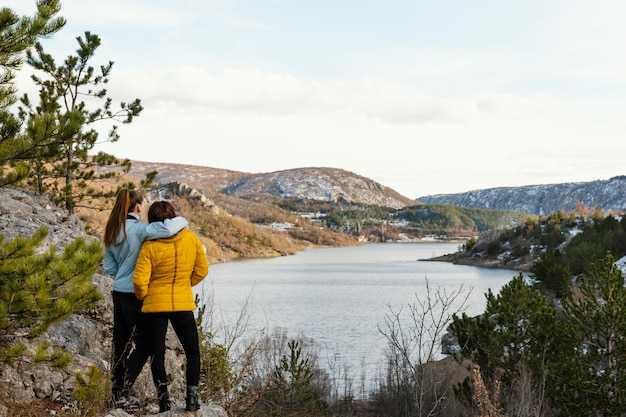 Cosa Devi Sapere Prima del Tuo Viaggio a Lake Tahoe – Consigli Essenziali per Viaggiare">

Arrive by 9 am to catch crisp views and avoid crowds. A fixed plan for time windows helps group members coordinate itineraries, reserve parking, and minimize boating queue times. The south shore cluster hosts the largest marina fleet, including electric and gas-powered craft for shorefront excursions.
Elevation sits at about 6,225 ft; sun exposure yields bright days with average highs around 75–85°F from June through September. Surface water temperatures reach about 60–65°F (15–18°C) mid-summer, so lightweight wetsuits are recommended for longer swims. Typical afternoon winds create gentle chop; plan activity windows before 2 pm for calmer waters.
For safety: safety rules require PFDs on all boats, with sizes fitted for every rider. signing must occur before launching at most public ramps; check the subject of the authorization form and whether additional permits are required for groups of four or more. daniel noted that signing up at the ramp desk reduced wait times for a group, and bryan added that the briefing helped clarify rules. Signing is straightforward at ramps.
Sunsets glow coral-pink over the water, offering best views near sheltered bays. For safety, stay within designated swim zones and keep sight of shore; lifeguard presence varies by location, with several monitored zones along the south shore during peak season.
The full planning process includes choosing equipment suited to group size, confirming boat capacities (the largest passenger craft can handle 8–12 people depending on model), and mapping a simple route that stays within a shoreward boundary. For additional flexibility, rent a dual-operator craft or join a guided fleet operated by a friendly provider to maximize learning and safety. Even a novice sailor can manage a small craft after a brief briefing.
Statistical data from local operators show late-morning launches yield 28–35% shorter wait times than afternoon slots. The purposes of an outing include swimming, sightseeing, and photography; operators provide maps that cover popular vantage points along the south shore and include ideas for a full itinerary with swim stops, lunch breaks, and photo opportunities. The maps provided by those operators help plan a full itinerary.
Exclusively follow local regulations; posted signs indicate speed limits, no-wake zones, and environmental guidelines. For a smooth experience, captains should speak a shared language and be familiar with the region; this approach helps reduce risk and enhances enjoyment. daniel and bryan appreciated the briefings that explained navigation rules before setting out.
The article provides help to choose experiences aligned with purposes: float-and-chill sessions, guided tours, or self-paced explorations. The signing process for rentals is straightforward: sign the agreement, present a valid ID, and confirm insurance coverage; additional waivers may be required for minors or large groups.
Lake Tahoe Trip Guide
Book certified powerboats online for early departures; add a guard for safety gear; ensure fuel is topped up and your location is confirmed with the marina team. Pack enough water and snacks, and plan a sheltered cove stop to maximize views.
Snorkel sessions work best in clear mornings. Bring snorkel gear, mask, fins, and reef-safe sunscreen. Coral sightings occur in sheltered bays; keep a light distance from underwater formations.
Daniel’s crew went with an early-morning pull toward a rocky cove and found a protected swim spot near a lighted tower. sailo notes from the captain described this route; This experience made it their favorite leg, yielding memories as the sun rose.
Rentals with certified captains ensure smooth operation; book online, confirm vessel size, and review safety gear in advance to be sure nothing is missed. Packed bags should include a windbreaker, hat, sunblock, and extra water.
Quiet tahoes coves offer protected mooring spots and photogenic views; compare rentals from two operators, and verify requested departure times. A suggested arc includes a wind-sheltered inlet, a calm anchorage for lunch, and a pull to a sandy cove. Enough shade is available near the trees.
Added bonus: bring a small dry bag to keep valuables; online services often provide a callout for maintenance and updates, ensuring you stay prepared. Adventures in the region create memories.
What You Should Know Before Your Lake Tahoe Trip: Travel Tips; Link Gallery
Early booking locks in spots on powerboats and wakesurf runs, especially on weekends. For small groups, shared tours keep price down and offer super value; around fannette there are gold spots with calm mornings and light. Some tours include paraphrased itineraries for quick planning.
Weather windows vary; most mornings offer glassy water suitable for cruising, with breezes building by afternoon. Take a shallow-water route to enjoy coves under pine shade with calm reflections.
Popular spots include fannette island and Emerald Bay, with options for snorkel, floating breaks, and shore stops. Some charters place a sailor aboard, a term locals sometimes spell as ‘sailo’.
There are several fleets offering cruises and tours; powerboats, sailing vessels, and open-water options. Prices vary by duration and vessel, with most experiences priced per passenger and discounts available for small parties. Open-water tours operate only during daylight, and there are special packages crafted for families and groups, with service levels designed to match needs.
Informative notes cover safety gear, snorkel requirements, and what to take aboard: a light jacket, sunscreen, and water. Most excursions will provide life jackets; the selection of gear for beginners feels extremely user-friendly, with steps clearly explained to boost confidence.
Pre-trip Planning Checklist: What to Research and Prepare
Create a ready folder with permits, proof of insurance, and safety gear checks for the planned outing.
Research marina ramp operations, hours, and parking limits; gather fee schedules and access rules.
Compare watercraft options: pontoon, cruiser, and runabout; types chosen depend on family size, friends, and renters.
Safety equipment for every person includes PFDs, a throwable device, a whistle, and lighting; confirm storage into the boat is secure and ready for quick board, when needed.
Verify required licensing and minimum operator ages; define purposes of each participant on board to ensure proper roles.
Statistical notes show peak crowds at popular spots during weekends; planning ever earlier windows or late-afternoon cruises helps avoid the largest concentrations.
Create a group plan: assign a navigator, a lookout, and a contact for events; include kalee and friends, and stay mindful of family safety.
Information packet should include area map, launch location, contact numbers, using official route guidance, recommended routes, and weather forecasts; mark key hazards and safe tie-up spots.
Load plan and provisioning: estimate fuel or charge needs, carry water and snacks, sunscreen, spare parts, and a compact repair kit; keep total weight under the stated limit.
Weather, Seasons, and Altitude: Packing and Timing
Pack a three-layer kit with base, mid, and windproof outerwear for elevations around 6,200 feet, where diurnal swings demand rapid adaptation. Under clear skies, sun exposure is strong; bring SPF 50, polarized sunglasses, and a wide-brim hat. Hydration matters–drink regularly during hours on the water and onshore walks. For wakeboarding and other water activities, include a neoprene top, water shoes, and a dry bag; a captain-led outing provides easy logistics for passengers, with staff offering flexible service options and helping with the process to secure a comfortable schedule. kalee, a local guide, recommends keeping a spare layer in the car when plans include fannette and redondo stops.
- Types of weather you’ll encounter by season: summer highs 75–85°F; nights 40–50°F; autumn 60–75°F; winter 20–40°F; spring 40–60°F. Layering is the key to comfort and easy adjustment on the water.
- Altitude effects: at 6,000–6,300 feet, air is thinner; pace hikes and long boat days with frequent rests reduce fatigue; sip electrolyte beverages to maintain performance.
- Packing by activity and places: carry a compact rain shell, thermal gloves for shoulder seasons, and a dry bag for valuables on iconic spots like fannette and redondo; choose lightweight, quick-dry fabrics to stay comfortable during the day.
- On-water options and pricing: there are duffy vessels and other captained offerings; hours and price vary by route and season; for a birthday celebration, staff can arrange a cake or banner at a scenic stop; extended cruises can be scheduled for larger groups with flexible routing.
- Local tips and planning: the crew handles boarding checks and safety; easy coordination with staff improves flow; kalee, a local guide, shares practical advice on the best times to visit and spots worth a quick stop.
Getting There and Getting Around: Routes, Parking, and Transit
Arrive early to secure parking near marinas and docks, especially on weekends when demand climbs.
Direct routes into the basin start on I-80 from the Sacramento corridor or I-580 from the Reno corridor, with US-50 delivering access to key boat ramps and harbor hubs; CA-267 and CA-28 connect to northern access points for quick excursions to water access points. Check online maps for live detours in winter snow season.
Parking options include municipal lots beside harbors and private lots with shade under pine canopies; most spots offer hourly or daily rates. Typical hourly fees span about $5–$12, with daily caps around $25–$40. Confirm hours and capacity directly at the marina office or online before heading out.
Transit services run year-round, with seasonal shuttles linking docks, village centers, and water access points. Local headways usually 30–60 minutes in peak periods; fares remain affordable, often under $5, and tickets can be purchased online or at stops.
Renters can pick from powerboats, pontoons, and small glass-bottom vessels; most fleets offer 2–6 hour blocks or full-day plans. Hourly rates vary by vessel and demand; reservations are best made online or directly at the marina counter. Bring ID for operators, and note age requirements where applicable.
For scenic perspectives, head toward fannette island; breathtaking shoreline views unfold as vessels glide by. Stay alert for wake zones and propeller hazards in busy channels; always follow posted speed limits and avoid crowded docks.
daniel, staff member, emphasizes safety: life jackets are mandatory for all boardings, weather checks reduce risk, and signage has paraphrased versions at major docks. Shade and shade-enhanced docks offer comfortable spots to pause between visits; water remains the focus, with an awesome mix of boats and boards awaiting online booking.
Gruppi e affittuari che hanno vissuto la stagione di punta sanno che opzioni come charter privati o affitti combinati possono far risparmiare tempo; tavole da paddleboard e attrezzatura da surf private si adattano bene a piccoli gruppi. La maggior parte degli operatori offre check-in online o opzioni di arrivo diretto per semplificare l’accesso; attrezzature aggiuntive come maschere da snorkeling o borse impermeabili possono essere aggiunte secondo necessità.
Sicurezza, Permessi e Normative Locali: Come Rimanere al Sicuro e in Regola

Consultare l'autorità marittima locale per confermare le esigenze di permesso per il tipo di imbarcazione e completare le registrazioni prima del varo. Per le operazioni di barche a vela, motoscafi o yacht, prevedere mandati da agenzie statali o regionali che coprono l'età dell'operatore, giubbotti di salvataggio, luci di navigazione, un dispositivo sonoro e un PFD lanciabile. Gli orari di apertura per l'accesso e il rifornimento possono essere applicabili nelle zone protette; rispettare le regole affisse nei pressi dei porti turistici e delle aree di rampa. Ricordare di portare con sé i documenti di registrazione e le certificazioni di sicurezza quando si sale a bordo. I pericoli di esplosione dovuti a raffiche di vento possono verificarsi vicino alla costa, quindi rimanere vigili sulle mutevoli condizioni.
Scegliere il noleggio giusto richiede di verificare con le compagnie locali assicurazioni, requisiti dell'equipaggio e moduli di consenso per i minori. Quando vengono richieste informazioni su opzioni per anniversari o celebrazioni di compleanno, molti outfit offrono pacchetti unici, ma verifica innanzitutto la conformità alla sicurezza. kalee dello staff di redondo nota che alcuni outfit impongono costi aggiuntivi per il check-in dopo l'orario di chiusura o per determinate caratteristiche delle imbarcazioni; le tariffe pagate variano a seconda del fornitore e della località. Queste opzioni dipendono dalla capacità e dalle esigenze; ricorda di discutere l'attrezzatura e lo spazio giusti per il loro gruppo.
Le normative locali sottolineano la gestione responsabile dell'ambiente e il funzionamento sicuro. Le regole statali, più le linee guida del TRPA, regolano le zone di scia, i limiti di velocità vicino alla costa e le restrizioni stagionali dei motori. La conformità previene sanzioni e protegge la fauna selvatica; la maggior parte delle multe viene emessa per mancato utilizzo di un giubbotto di salvataggio o per operare senza consenso quando i passeggeri cambiano. Chiedi informazioni sugli orari e sulle limitazioni di accesso; consegna sempre un piano al personale prima del lancio.
Prima della partenza, verificare l'adattamento e il posizionamento delle attrezzature e pianificare un percorso che rispetti le zone a velocità ridotta. Assicurarsi che il posto nel porto turistico abbia un accesso efficiente e chiaramente segnalato, con spazio sufficiente per le imbarcazioni. L'uscita e il tipo di propulsione devono essere conformi alle normative locali; molti operatori richiedono che le tariffe siano pagate in anticipo e alcune località possono applicare un supplemento per attività notturne. Senza la documentazione adeguata, l'accesso può essere negato all'ufficio del porto turistico; la preparazione è importante.
| Documento | Ente emittente / Fonte | Typical Fee | Note |
|---|---|---|---|
| Registrazione imbarcazioni | Parchi Statali / Autorità Locale | 0–60 | Richiesto per tutte le imbarcazioni; rinnovo ogni 1–3 anni |
| Corso di Sicurezza Operatore | State Maritime Authority | Varies | Potrebbe essere richiesto per alcune fasce d'età; portare il certificato. |
| Marina Docking Permit | Marina Management | Pagamento al momento del check-in | Alcune strutture incluse nel canone; possibili maggiorazioni per orari serali. |
| Autorizzazione Ambientale | TRPA / State Agencies | Varies | Necessario accedere a zone ristrette |
| Permesso per Evento (Occasione Speciale) | Local Authorities | Per evento | Per eventi come anniversari o celebrazioni di compleanni |
Link Gallery Access: Come visualizzare, condividere e salvare foto del Lago Tahoe
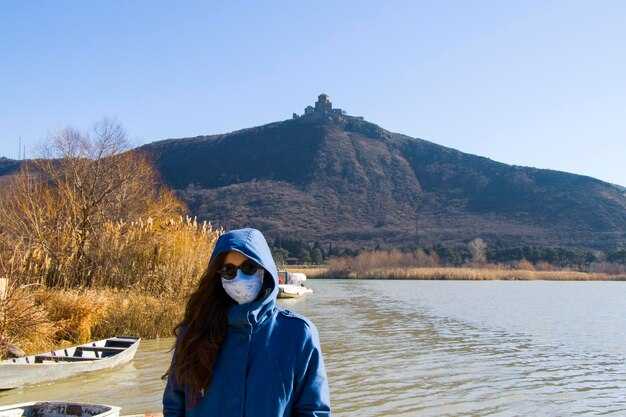
Ricevi un invito privato alla galleria dal proprietario dopo fantastiche uscite in acqua; questo accesso offre foto più grandi e mozzafiato della location, con viste che catturano una bellezza degna di essere salvaguardata.
Apri il link, consenti la condivisione e passa a un display più grande per esaminare i dettagli.
Le opzioni di salvataggio includono Download, Salva nella Collezione Privata o esporta su un dispositivo; copie di alta qualità sono ideali per cornici o album.
La condivisione rimane privata tramite un link diretto o tramite visualizzatori invitati come kalee, zach, daniel, duffy; il consenso controlla chi può accedere alla galleria 40hour.
Le didascalie indicano luogo, tempo e bellezza; ricorda che il consenso regola il riutilizzo e che alcuni scatti rimangono privati a meno che non sia stato concesso.
Consigli per le prestazioni: la velocità e il layout funzionale mantengono la visualizzazione fluida anche nelle giornate frenetiche; sotto un'illuminazione di 70-80°F, gli scatti di mezzogiorno mostrano tonalità calde, e puoi passare a visualizzazioni più ampie per ispezionare i dettagli a livello dei piedi.
Esplora categorie come tour e charter; un equipaggio esperto copre Bimini, storie di marinai e momenti di vino, con didascalie esplicative che indicano dove è stato scattato ogni scatto.
Per creare una collezione duratura, salva in una cartella privata o esporta su dispositivi; cornici più grandi e uniche preservano bellezza e ricordi per sempre.
Ultimo promemoria: mantenere la privacy non condividendo senza consenso e rispettare i limiti delle dimensioni di stampa; in caso di dubbi, contattare il proprietario.