


 Italiano
  English (UK)
  Русский
  العربية
  日本語
日本語  한국어
한국어  Magyar
  Türkçe
  Español
  Čeština
  Svenska
  Português
  Ελληνικά
  Suomi
Suomi  Nederlands
  Română
  Français
  Polski
  Українська
  Deutsch
  简体中文
简体中文  Slovenčina
  What Is a Classic Yacht? Definition, Features and History">

Scegli uno yacht classico per una proprietà duratura e un'eredità tangibile. Il suo profilo fonde una forma perfetta con una costruzione robusta, offrendo affidabilità dopo anni di utilizzo. Partendo da scafi in legno e telai tagliati a mano, queste imbarcazioni rivelano l'essenza del design navale tradizionale, dove ogni linea parla di cura e maestria.
Definition in pratica: uno yacht classico si riferisce a un'imbarcazione a vela o a motore costruita in stile tradizionale, spesso prima degli anni '60, con costruzione in legno, scafi fasciati e accessori in bronzo o rame. Il essence risiede nell'armonia tra forma e funzione: una forma allungata, baglio generoso per l'equilibrio e un'attrezzatura che premia un timoniere esperto. Quando si confrontano i modelli, si nota spesso una fattura che privilegia la longevità rispetto alla produzione di massa e una costruzione che si è dimostrata duratura nel corso dei decenni.
Le caratteristiche includono scafi in legno, alberi spaccati a mano e telai fissati con rame che sorreggono una robusta costruzione. Le lunghezze variano da circa 12 a 40 metri e profile e shape dello scafo enfatizzano la tenuta al mare. A volte queste imbarcazioni sono conservate come pezzi da museo, portate fuori per un numero limitato di giorni in mare o restaurate al loro antico splendore, con una piccola manutenzione che le mantiene pronte. Mentre alcuni proprietari optano per un restauro completo, altri preservano le linee principali e si limitano ad aggiornare le attrezzature per soddisfare gli attuali standard di sicurezza. Si adattano anche alle moderne attrezzature quando necessario.
Storicamente, gli yacht classici si sono evoluti da skiff da pesca e barche da lavoro mercantili in imbarcazioni costruite per il piacere. Tra la fine del XIX e l'inizio del XX secolo, i cantieri nel Regno Unito, in Francia e negli Stati Uniti hanno varato modelli in legno che sono diventati icone della cultura costiera. Un pescatore potrebbe ancora raccontare viaggi a bordo di una barca da lavoro, mentre un collezionista di nome Barney ha iniziato a raccogliere esemplari con l'obiettivo di preservarne il patrimonio.
Quando inizi la ricerca di uno yacht classico, esamina la storia della proprietà, l'ultimo refitting importante e le condizioni dello scafo. Cerca i file di restauro certificati, controlla che il legno non sia marcio, conferma costruzione metodi e piani di navigazione di prova per garantire un profilo sicuro in mare aperto. Un buon broker fornirà un punto di partenza documentato, mentre una perizia può segnalare problemi nascosti la cui scoperta fa risparmiare costi in seguito. Considera anche i costi di manutenzione ordinaria, ormeggio e assicurazione per pianificare una proprietà sostenibile.
Cosa definisce uno yacht classico e cosa ne influenza il prezzo?
Per valutare il prezzo, verifica prima il profilo distintivo e i sistemi originali. Per uno yacht classico, la forma della chiglia e la disposizione del timone definiscono manovrabilità e navigabilità, mentre alberi e sartiame rivelano epoca e autenticità. Un'imbarcazione a tre alberi di solito si colloca in una fascia di prezzo superiore rispetto a uno yacht a un solo albero, ma le condizioni possono spostare la scala. Cerca accessori di coperta in ottone e ferramenta originale che includano elementi di fissaggio autentici, che sopravvivono all'uso e all'età con grazia.
La provenienza e le storie di salvataggio fanno aumentare il valore. Un pedigree museale, una storia documentata di manutenzione e i documenti di un'imbarcazione salvata dall'abbandono aggiungono credibilità e possono far salire il prezzo. Prima di acquistare, verifica i dettagli di costruzione e controlla se il profilo rimane fedele al design; dopo il restauro, gli acquirenti preferiscono un equilibrio tra storia e navigabilità.
Il prezzo è determinato da maestria artigianale, materiali e sentiment del mercato. La qualità del legno, la presenza di ottone e le condizioni dei sistemi contano più dell'età. La maggior parte degli acquirenti presta attenzione all'integrità della chiglia, all'allineamento del timone e alle condizioni del fasciame. C'è poca tolleranza per le riparazioni pasticciate; ripristinare un'imbarcazione alla sua prontezza alla navigazione costa, e la giusta documentazione può ridurre il rischio.
Considera il mercato e i tuoi obiettivi. Gli yacht con una provenienza da museo raggiungono prezzi elevati, mentre gli scafi più vecchi che necessitano di un completo rinnovamento dell'attrezzatura rimangono più economici, ma rischiano problemi futuri. Ci sono tre leve principali: condizione, originalità e provenienza; una storia di salvataggio ben documentata può aggiungere valore oltre il costo dei materiali. Cantieri come Kane e Beeck sono noti per mantenere un profilo distintivo e standard elevati, il che può tradursi in un prezzo di vendita più alto.
Criteri di definizione: soglie di età, ascendenza progettuale e usabilità corrente
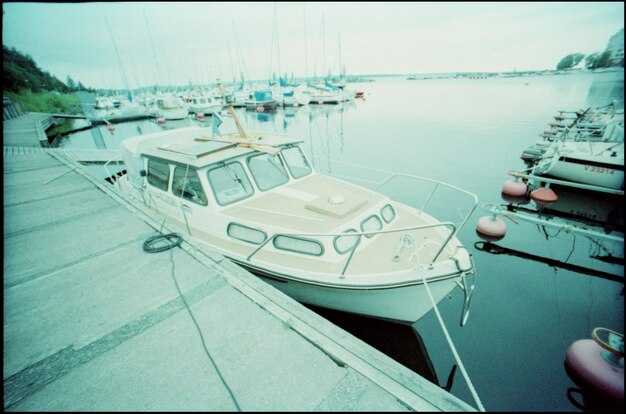
Un'imbarcazione può essere definita un classico solo quando supera tre filtri: età, lignaggio del design e usabilità odierna. Per l'età, adottare tre fasce utilizzate dai club internazionali: d'epoca (oltre 100 anni), vintage (50-99 anni) e classica (30-49 anni). Questo fornisce una base pratica per la definizione dei prezzi, l'assicurazione e i registri. Il passato conta, perché queste soglie riflettono i cambiamenti nella costruzione e nelle attrezzature che definiscono l'epoca. Quando un'imbarcazione è considerata d'epoca o vintage, il suo valore è determinato dalla rarità e dal contesto storico; quando rientra nella fascia 30-49 anni, spesso rimane in buone condizioni se è stata mantenuta e ristrutturata nel rispetto del suo design originale. Il criterio dell'età di per sé non garantisce la qualità, ma definisce il quadro per ulteriori valutazioni.
La genealogia del design si concentra su un pedigree documentato: il progettista, il cantiere, la linea di costruzione e la forma dello scafo progettata per quell'epoca. Gli yacht che risalgono a progettisti celebri o a cantieri di lunga data hanno una pretesa più forte allo status di classico. Cercate caratteristiche specifiche dell'epoca: una chiglia lunga, una disposizione del timone conservata e un armo come quello di un cutter o di uno sloop tradizionale. Un ponte ornato e dotato di raccordi in ottone segnala la bellezza del lavoro passato e la coesione della linea che è stata portata avanti. Se la linea stessa proviene da una notevole tradizione di cutter, ciò rafforza la proprietà del patrimonio del design. Questo significa che la barca è più che vecchia; la sua genealogia del design è riconosciuta e ha un riconoscimento internazionale, il che contribuisce a farla risaltare come un vero classico. La presenza di chiglie, geometria del timone e piano velico fanno parte di una storia mappata che altri possono verificare, e questo è un punto di forza per l'accettazione in club e registri.
L'usabilità attuale valuta come l'imbarcazione si adatta alle esigenze odierne della nautica da diporto. L'imbarcazione deve essere adatta alla navigazione e in grado di navigare con equipaggio e dotazioni ragionevoli. Ispezionare lo scafo, le chiglie e il timone per verificarne l'usura, le vele per verificarne le condizioni di utilizzo e le manovre fisse e correnti per verificarne la tenuta e la sicurezza. Verificare che le dotazioni di salvataggio, gli strumenti di navigazione e i sistemi di sicurezza soddisfino gli standard attuali o possano essere aggiornati senza cancellare il carattere dell'imbarcazione. Lo storico della proprietà, le riparazioni documentate e un registro di manutenzione riducono i rischi e facilitano le trattative. Se un'imbarcazione è stata tenuta in buone condizioni, con un restauro gestibile implicito piuttosto che richiesto, la sua usabilità è buona per la nautica da diporto odierna; in caso contrario, il prezzo e l'impegno devono riflettere tale problema. Il risultato è una visione equilibrata: il passato informa il valore, il presente determina l'uso e il futuro dovrebbe offrire un chiaro percorso verso il godimento in acqua.
Caratteristiche distintive che identificano gli yacht classici: forma dello scafo, armamento velico, interni
Inizia concentrandoti su forma dello scafo, armamento, interni; questo trio rivela a colpo d'occhio l'identità classica e aiuta acquirenti e appassionati a valutare rapidamente il valore.
Nacquero come pratiche imbarcazioni da lavoro, e il punto di partenza per qualsiasi classico è il profilo dello scafo. Niente nasconde l'intento progettuale come la linea di galleggiamento, la rientranza e il modo in cui il timone si integra con la poppa. Il fascino risiede nelle linee lunghe e pulite da prua a poppa e nelle transizioni sottili che rimangono leggibili sia che lo yacht sia a riposo sia che si inclini nella brezza. Leggete attentamente le linee e, tra i migliori esempi, noterete come il ponte si armonizza con lo scafo prima di passare al tetto della cabina. L'aspetto del profilo parla dell'epoca in cui è nato.
Questo punto diventa chiaro quando si confrontano diverse imbarcazioni affiancate. L'attrezzatura è il secondo indicatore. La scena cambia con alberi, pennoni e vele. Mentre alcuni proprietari restaurano, altri conservano l'equipaggiamento originale, e la filosofia progettuale si manifesta nel tipo di armo: chiamato a vela aurica, cutter o sloop a un solo albero. Un osservatore attento controlla l'altezza dell'albero, la geometria del sartiame e come le vele sono regolate per bilanciare lo scafo. L'equilibrio del timone dietro la poppa guida la manovrabilità, e questo non si basa su macchinari moderni, ma sull'artigianato collaudato e sul modo in cui cime e argani sono posizionati per il controllo. I proprietari soppesano denaro e credito rispetto alla fedeltà all'equipaggiamento originale, e l'impressione generale deriva da un'attrezzatura selezionata correttamente che rimane fedele all'epoca e all'intento progettuale. Mentre si confronta, i dettagli puntano al patrimonio piuttosto che a un aggiornamento generico.
Gli interni rivelano la vita a bordo e il patrimonio insito in ogni dettaglio. Il tocco deriva dai pannelli in mogano, dagli accessori in ottone e da tappezzerie curate e ben ponderate, pensate per il comfort dell'equipaggio. Gli interni definiti caldi e pratici spesso includono giunti a spigolo vivo, sentine ventilate e luce attraverso le finestre della tuga che si leggono come un tranquillo invito al viaggio. Cercate la coerenza dell'hardware e il modo in cui la vita dei viaggi passati riecheggia nel legno, negli accessori e nello stivaggio, piuttosto che nelle finiture moderne e brillanti. Sui forum confrontano foto e progetti; kane e griff illustrano come il profilo di scale, sedute e mobili corrisponda all'epoca e ricordano ai lettori di leggere le didascalie per trovare indizi sull'equipaggiamento originale e sulle scelte di manutenzione.
| Aspect | Dettagli firma |
|---|---|
| Hull form | Lunga linea di galleggiamento, slancio bilanciato, rientro sottile, carena pulita; allineamento del timone integrato con la poppa |
| Imbrogliare | Disposizione di albero e pennoni, tipo di attrezzatura (aurica, cutter, sloop), piano velico ed equilibrio |
| Interiors | Lavorazione del legno (mogano), ferramenta in ottone, un tocco di tappezzeria, ventilazione, layout della cabina che favorisce la vita a bordo |
Concentrandosi su queste tre aree, è possibile identificare uno yacht classico e leggere la sua storia attraverso le linee, l'attrezzatura e il legno.
Ere storiche e costruttori importanti che ogni acquirente dovrebbe conoscere
Inizia con l'Età dell'Oro, all'incirca dal 1890 al 1930, e mappa i tuoi obiettivi a un costruttore il cui profilo sia adeguato. La definizione di uno yacht classico si basa sulla genealogia, sui dettagli della chiglia e sullo scopo marittimo, non semplicemente su un aspetto scintillante prima dell'acquisto.
In questi decenni furono prodotte navi con scafi lunghi e affusolati e attrezzature bilanciate. Nathanael Herreshoff (USA) spinse per velocità e navigabilità, fissando un punto di riferimento nel profilo; William Fife & Sons (Scozia) ha offerto un'eleganza senza tempo con linee fluide e bellezza; Camper & Nicholson (UK) univa la bellezza alla funzionalità e all'alta maestria. Questi cantieri stabiliscono lo standard per gli acquirenti, dove la costruzione distintiva e l'aspetto comunicano il carattere di uno yacht.
Durante l'era delle esplorazioni, i cantieri navali mantenevano l'eleganza rafforzando al contempo la robustezza per viaggi più lunghi. Abeking & Rasmussen (Germania) costruì robusti incrociatori adatti alla navigazione; altri cantieri europei preservarono l'estetica marittima adattandosi al contempo a mari più agitati. Il dislocamento raggiungeva a volte tonnellaggi elevati, a testimonianza di una spiccata propensione per le avventure in mare aperto.
Quando si valuta un candidato, controllare la geometria della chiglia e il profilo rispetto al marchio di fabbrica del costruttore. Prima ti impegni a richiedere disegni originali o documenti di restauro credibili; questi definizioni valore di ancoraggio e performance nella storia reale. credit le decisioni dovrebbero essere prese da un cantiere di fiducia o da un proprietario esperto che possa testimoniare le condizioni dell'imbarcazione, e dovresti fare attenzione a verificare ogni affermazione.
Questi segnali contano: il tocco del legno, l'ottone lucente e lo sguardo che racconta una storia marittima. A volte un'imbarcazione porta un soprannome tra gli armatori, chiamato barney per uno scafo robusto e affidabile, e tale sentimento può riflettere una lunga attività di servizio. Cerca una documentazione di manutenzione ben documentata e foto o registri credibili; i cataloghi Sandeman o le note d'epoca possono aiutare a confermare il profilo e la lunga storia di una nave.
Quindi adatta la tua ricerca all'era che supporta al meglio i tuoi viaggi. Definitions cresci con i tuoi obiettivi, che tu li exploration, gite del fine settimana o navigazione seria a lungo raggio. Questi fattori, unitamente alla reputazione di un costruttore affidabile, assicurano che la tua scelta rimanga significativa a lungo dopo la vendita.
Valutazione delle condizioni e dell'autenticità: passaggi pratici per l'ispezione
Inizia con un'ispezione in loco strutturata, abbinata a una solida verifica documentale per accertare le condizioni e l'autenticità. Presenta all'armatore un piano conciso in modo che possa partecipare alla scena e condividere informazioni sul passato dello yacht.
- Raccolta dati pre-ispezione
- Richiedi i dati del costruttore e del cantiere, il numero di scafo, le specifiche originali e un registro di manutenzione. Conferma il profilo del modello e annota eventuali elementi che sono stati sostituiti, quindi confrontalo con il layout attuale. Se nei documenti compare il nome di Tara, prendi nota delle sue raccomandazioni e confrontale con il registro dei lavori eseguiti dagli artigiani più fidati.
- Valutazione dello scafo esterno e del ponte
- Ispezionare il fasciame dello scafo o il rivestimento in vetroresina per individuare fessure, crepe o sezioni sostituite. Verificare che fissaggi, calafataggio e vernice antivegetativa siano coerenti con l'età dell'imbarcazione. Valutare la ferramenta di coperta, le bitte e gli accessori passacavo; contare i bulloni da otto pollici e verificare la compatibilità dei materiali con gli accessori originali per evocare un aspetto intramontabile e raffinato piuttosto che un look rattoppato.
- Integrità strutturale e valutazione del legname
- Ispezionare le aree sospette con un martello per localizzare i punti deboli; esaminare le strutture e le paratie per verificare la presenza di marciume o delaminazione. Verificare la coerenza con il tonnellaggio e il dislocamento dichiarati; se un rapporto del cantiere cita tonnellate, verificare i numeri rispetto alla forma dello scafo e al design della chiglia. Documentare eventuali riparazioni e valutare se sono coerenti con l'epoca dell'imbarcazione e l'uso previsto nella cultura dello yachting.
- Controllo dei sistemi meccanici
- Valutare le condizioni del/i motore/i, le ore di funzionamento e la cronologia delle manutenzioni; confrontare con il tipo di propulsione originale. Verificare la conformità di guarnizioni, raffreddamento e scarico all'età dell'imbarcazione. Annotare eventuali parti sostituite e valutare se le sostituzioni corrispondano agli obiettivi prestazionali originali piuttosto che limitarsi a fornire un'affidabilità immediata.
- Impianti elettrici e idraulici
- Ispezionare l'isolamento dei cablaggi, i banchi di batterie, la messa a terra e i circuiti delle pompe. Verificare che l'impianto elettrico sia conforme all'epoca della nave o se sono stati necessari interventi di ammodernamento per un funzionamento sicuro. Registrare eventuali aggiornamenti e verificare che non compromettano l'autenticità o la distribuzione del peso.
- Attrezzatura di coperta, sartiame e vele
- Esaminare alberi, pennoni, sartiame fisso e corrente e argani per usura, corrosione o sostituzioni. Confrontare gli accessori con le specifiche originali del modello; verificare se eventuali componenti sono stati sostituiti con equivalenti moderni che imitano il profilo originale. Valutare l'inventario delle vele per verificarne le condizioni e la compatibilità con l'uso previsto dello yacht in attività nautiche e regate.
- Falegnameria e accessori interni
- Aprire le cabine per ispezionare ebanisteria, paratie e ferramenta. Cercare intarsi, impiallacciature e fissaggi originali; notare dove le finiture mostrano un invecchiamento coerente rispetto a mani più recenti e disomogenee. Individuare tre aree importanti in cui potrebbero essere stati introdotti materiali moderni e valutare il loro effetto sul valore museale e sul fascino esperienziale dell'imbarcazione.
- Provenienza e indizi di autenticità
- Documentare il numero di scafo, il timbro del costruttore, il nome originale e i segni del cantiere; confrontare con le foto del catalogo e le nozioni affidabili degli appassionati. Controllare il profilo rispetto ai modelli conosciuti dell'epoca per distinguere un vero classico da una replica simile. Identificare eventuali modifiche aftermarket che alterano il giusto carattere dello yacht.
- Prova in mare e prestazioni
- Eseguire una prova in mare controllata mirando a una velocità realistica per il modello, puntando a una resa testata vicina agli otto nodi a motore e una risposta fluida e prevedibile a vela, se applicabile. Osservare la sensibilità dello sterzo, le vibrazioni e la risposta della propulsione; registrare il consumo di carburante e le caratteristiche dei gas di scarico per accuratezza nell'esperienza del proprietario e nella definizione del budget per la manutenzione.
- Fattori di valore, rischio e decisione
- Stima il valore valutando le condizioni, l'originalità e la storia delle sostituzioni rispetto al prezzo richiesto. Considera il costo del restauro futuro rispetto al possesso di un pezzo con una comprovata discendenza. Per gli appassionati, il denaro speso spesso si correla a una scena più ricca di yachting e ricordi senza tempo, mentre per altri deve allinearsi con un budget pratico che preservi il carattere dello yacht.
- Documentation and reporting
- Prepara una relazione concisa che dettagli i gradi di condizione, i segnali di autenticità e un piano di restauro con tre azioni prioritarie concrete. Includi un registro fotografico, le misurazioni e una cronologia raccomandata per eventuali correzioni. Questo aiuta il proprietario e qualsiasi futuro acquirente a comprendere lo stato attuale dello yacht e i potenziali passi successivi.
Al termine dell'ispezione, compila un profilo che aiuti gli appassionati a confrontare questo yacht con i suoi omologhi. Presenta un verdetto chiaro sull'autenticità, evidenzia eventuali elementi sostituiti o restaurati e delinea l'esperienza che l'imbarcazione offre: che si tratti di un tesoro da museo o di una barca vivace e in buone condizioni per la navigazione quotidiana e le uscite a vela del fine settimana.
Fattori di costo e fasce di prezzo tipiche per i superyacht classici
Partire con un budget chiaro ti aiuta a definire le dimensioni e le condizioni giuste per il superyacht classico. Per gli scafi in legno, la qualità costruttiva e la reputazione del cantiere stabiliscono rapidamente il valore; c'è un premio per le linee autentiche che evocano grazia e prestazioni a vela. Nel Baltico, artigiani esperti offrono spesso un ottimo rapporto qualità-prezzo, mentre nel Mediterraneo ci sono opzioni che enfatizzano lo stile degli interni. Lì, l'armatore può scegliere tra imbarcazioni chiamate Bolero, progetti Beeck o altri classici che offrono una forma aggraziata sul fianco dello scafo. Una volta che sai cosa vuoi, puoi dare indicazioni precise a broker e periti per verificare la provenienza e la storia della manutenzione.
I fattori di costo che influenzano maggiormente il prezzo e la spesa continua includono:
- Costruzione e integrità dello scafo: gli scafi in legno richiedono una manutenzione continua e accurata, e la forma e il profilo laterale influenzano sia le prestazioni che la manutenzione. La qualità costruttiva di un classico di lunga durata influisce direttamente sui risultati delle perizie e sul valore di rivendita.
- Condizioni e portata del refitting: un restauro completo o quasi, l'aggiornamento del motore e dell'attrezzatura e gli aggiornamenti interni possono far oscillare l'investimento totale del 20-50% o più rispetto al prezzo di acquisto. Un piano accettato spesso separa il rifacimento estetico dai principali interventi meccanici.
- Reputazione della regione e del cantiere: i cantieri baltici tendono a bilanciare valore e finiture di alto livello, mentre i rinomati cantieri del Mediterraneo possono aumentare il prezzo per servizio, materiali e predisposizione chiavi in mano.
- Alberatura, vele e teloni: le prestazioni veliche dipendono dalla configurazione dell'alberatura e dalla qualità delle vele; i teloni, o gli equivalenti moderni, influenzano sia l'estetica che i costi di gestione. Un'imbarcazione progettata per navigare con eleganza richiederà un'attenta manutenzione di alberi e manovre.
- Stile degli interni e provenienza: l'aspetto e l'atmosfera, che si tratti di un classico sobrio o di un interno ricco di dettagli, influiscono sul prezzo, così come la storia del designer e se l'imbarcazione è considerata un pezzo di importanza storica.
- Proprietà e gestione: i costi continui dell'equipaggio, lo stoccaggio, l'assicurazione, le ispezioni di routine e potenziali refitting contribuiscono tutti alle spese annuali. I proprietari che pianificano lunghi soggiorni a bordo spesso danno la priorità all'affidabilità e alla facilità di manutenzione.
- Cadenza di refitting prevista: pianificare interventi importanti ogni 5–12 anni aiuta a evitare shock di budget; alcune imbarcazioni richiedono un'attenzione più frequente a causa della navigazione continua o dell'usura legata all'età.
Intervalli di prezzo tipici per superyacht classici (prezzo di acquisto, USD, approssimativo e indicativo):
- 5–15 milioni di USD – classici in legno più piccoli, circa 25–40 m LOA, condizioni utilizzabili ma con necessità di un restyling estetico o meccanico. Queste opzioni sono adatte a chi acquista un classico yacht per la prima volta e apprezza l'autenticità e una navigazione semplice, con la possibilità di aggiornare gli interni nel tempo.
- 15–40 milioni di USD – classici di medie dimensioni, circa 40–60 m di lunghezza fuori tutto, spesso con refitting recenti o programmati, elevate prestazioni a vela e interni ben arredati. Questa fascia offre un equilibrio tra tradizione e praticità per la crociera a lungo raggio.
- 40–100 milioni di dollari – imbarcazioni più grandi o classici ampiamente aggiornati, 60–75 m di lunghezza fuori tutto, con interior design completo, sistemi moderni e comprovata stabilità a vela. Aspettatevi un sovrapprezzo per la provenienza, la genealogia del design e la prontezza al servizio.
- 100+ milioni di dollari – imbarcazioni iconiche o particolarmente ben restaurate (o nuove costruzioni che emulano linee classiche) con finiture in legno di alta qualità, interni su misura ed eccezionali capacità di navigazione. Questi beni si rivolgono a proprietari che cercano storia rara, presenza impareggiabile e gestione chiavi in mano per navigazione privata o programmi di charter.
Quando valuti le opzioni, richiedi un piano di manutenzione dettagliato e una proiezione dei costi per l'intero ciclo di vita. Quindi confronta due o tre candidati che condividono la stessa forma e lo stesso stile per comprendere il delta nei requisiti di armatore ed equipaggio. Questo approccio ti aiuta a decidere se perseguire un investimento a lungo termine in uno yacht veramente classico o selezionare un'alternativa modernizzata che evochi la stessa estetica.