


 Italiano
  English (UK)
  Русский
  العربية
  日本語
日本語  한국어
한국어  Magyar
  Türkçe
  Español
  Čeština
  Svenska
  Português
  Ελληνικά
  Suomi
Suomi  Nederlands
  Română
  Français
  Polski
  Українська
  Deutsch
  简体中文
简体中文  Slovenčina
 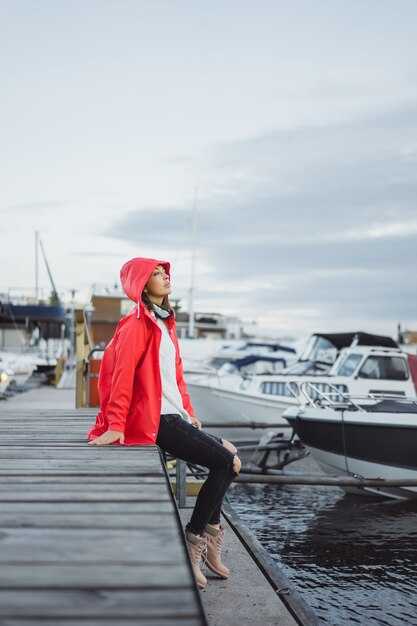 Sicurezza sull'acqua – Consigli principali per la nautica invernale">

Today, put on a Coast Guard–approved life jacket and dry, non-slip boots before you cast off. This simple step reduces immersion risk and helps you stay steady when decks are slick. Throughout the trip, keep the PFD accessible and check straps for a snug fit to prevent ride-up in rough water.
Boaters should check today’s forecast, waterways advisories, and tide times before departing. Common winter hazards include blown spray, gusty winds, and moisture on deck, all of which change handling quickly. Offer a complete plan and share it with a friend on shore.
Carry a complete emergency kit: waterproof VHF radio, whistle, spare batteries, a first-aid kit, and oil-filled lanterns as a backup light source. Place the kit in a dry, easily reachable location and practice one- and two-person drills so you can respond fast if a fall or capsize occurs.
Dress in moisture-wicking base layers, an insulating middle layer, and a windproof outer shell; finish with insulated boots and gloves for grip. Layering keeps your core warm, reduces cold water shock, and buys you precious seconds to react if immersion happens.
Stay hydrated with water as your primary drink on board and consider a hot non-alcoholic beverage for warmth on longer trips. Hydration throughout the voyage supports alertness and better decision-making behind the wheel.
Respect ice and edge conditions around waterways: avoid areas where ice thickness is uncertain and never rely on appearance. In years of winter boating, dangerous conditions can form quickly when wind shifts, spray blown across open water, or visibility drops; preparation and calm execution make the difference.
Winter Boating Safety Guide
Wear a PFD at all times when on deck, and keeping it snug and accessible under winter layers protects the chance of staying afloat if you fall in. Use quick-drying gloves to keep hands dry, maintaining grip on the helm and rails even in crisp, cold wind.
Before departure, run a thorough check of boat systems: battery condition, bilge pump, navigation lights, and horn. Start the engine and operate the throttle to confirm responsive control. Deploy fenders along the hull for docking against a seaway, and keep lines ready in case of sudden drift or wind shift. For inland trips with limited cell service, a broadband data unit or satellite communicator helps you stay connected with shore support.
Weather and deck conditions drive risk on a winter run. In crisp air, visibility can drop quickly, so monitor forecasts and plan bailout routes. Dress in layered, moisture-wicking fabrics and a windproof outer layer. Use non-slip footwear, inspect the deck for ice, and treat slick spots with grit or melt if safe. Keep handrails dry and maintain grip; a short misstep can cause a slide into a hatch or the water. Keep speed low and running time short to reduce exposure in gusts.
Know your route and maintain communication. Our crew keeps a crisp briefing and uses marked points along inland routes to stay on track; this reduces risk when weather shifts. If something unsettles you, switch to an alternate harbor along the seaway. Slippery decks can cause a loss of grip, so operate the throttle smoothly and avoid sudden changes. Fenders stay in place to manage contact with docks or other vessels, and confirm the engine and electrical systems are stable before leaving the dock.
Keep a short safety checklist: PFDs, spare dry clothing, whistle, flashlight, portable radio, and a plan for what to do if someone falls overboard. In a capsize or immersion, stay calm, float on your back, call for help, and preserve core warmth. Ours training and routines should focus on preparation that lets you act quickly and keep control of the vessel.
Pre-Trip Boat Checklists for Winter Conditions
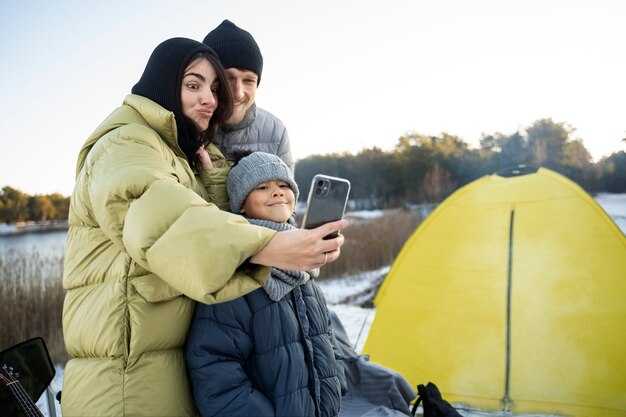
Check the battery lead connections and fuel system before every winter trip. Inspect the marine battery for corrosion, clean the terminals, and perform a load test; confirm fuel is fresh and there are no leaks in lines or filters. Keep a spare battery fitted and securely stowed in a dry compartment above deck. If you bought a portable charger for backups, test it now and bring the lead along with your tools.
Heavy winter conditions demand a tight, practical checklist. Look over the engine start circuit and fuel system, verify the alternator belt, and confirm wiring is protected from moisture. For most checks, readings should stay stable; test the bilge pump switch, and verify the cabin heater’s safe use. If a delay gets longer, have a plan to idle the boat with power preserved and the cabin partially closed to limit heat loss. Though winter brings more risk, a concise checklist keeps things smooth.
Clear drains and compartments to avoid ice blockages. Inspect all drains for ice and clear any buildup; test the bilge pump by simulating water in the bilge and confirming it evacuates quickly. Direct any discharge over the side rather than into compartments. Check the canvas and hatch seals; ensure the deck drains flow overboard, not into the hull. Look for loose fittings in the hull and secure small things in the compartment to prevent shifting in chop. Place a lightweight mattress pad in the sleeping area to keep you warm on longer cold nights.
Store essentials in clearly labeled bins and keep cuddies, cushions, and a mattress pad in a dry, ventilated compartment to avoid dampness. Theres a simple rule: store every item in a labeled bin and inform crew where to find it. Do not leave unattended electronics or fuel components; keep a simple solution ready for a winter-specific issue. With this setup, the trip stays enjoyable and safe.
Essentials for winter boating include life jackets, a reliable VHF radio, a fire extinguisher, a first-aid kit, a weather-appropriate layer system, a headlamp, spare batteries, waterproof bags, and a compact mattress or sleeping pad for warmth. Maintain a printed, easy-to-follow checklist and keep it in a dry, accessible place. Rinse and dry gear after trips to prevent corrosion and rot, especially gear kept in canvas bags and lockers. That way the trip remains enjoyable and safe, even when temperatures drop and visibility fall.
Dressing for Cold Water: Layering and PFD Use
Wear a moisture-wicking base layer next to the skin, then add a mid-layer and a waterproof outer shell for reliable warmth on cold-water trips. Base layers of merino wool or synthetic fibers 100-200 g/m2 stay warm when damp and dry quickly; avoid cotton. Check each piece before you depart: a worn base layer loses its insulating value and should be replaced. Pack spare gloves, socks, and a hat in a dry bag and keep them nearby on deck for quick changes.
Choose a properly fitted PFD and wear it at all times on deck. A USCG-approved vest or jacket with secure straps stays buoyant even if you are seated near the hull or leaning over. Adjust the straps so the PFD hugs the torso without restricting breathing. Try on the PFD with your layers to ensure comfort; a bulky layer underneath can make the vest ride up, so pay attention to fit and movement.
Layering by conditions: base layer plus insulating mid-layer and a breathable waterproof shell works best as temperatures hover near freezing. In wind-blown spray, opt for a shell with a hood and taped seams to prevent cold gusts from driving heat loss. Use waterproof footwear and neoprene socks to protect feet, and seal cuffs and zippers to keep water out. When you notice frost on exposed metal or frozen condensation forming, adjust layers promptly to maintain warmth and mobility, because warmth loss accelerates once the wind picks up. Keep the hull area clear of spray and check that all fastenings stay secure during waiting periods near the marina.
After a trip, dry gear indoors to prevent mold: hang layers on a rack, use a dehumidifier or a heater to speed drying, and avoid direct contact with heat sources. If you stay overnight on a winter leg, a warm cabin and good ventilation help you enjoy nights aboard without damp odors. Maintain plenty of dry fabrics ready for immediate use, and refresh the PFD and base layers regularly to stay prepared in cold, wet conditions. If you share gear, a relative or fellow crew member can help verify fit and safety, especially when multiple people wear the same size. Remember to keep an eye on water exposure and to recheck gear before every trip, because consistent care reduces risk when spray or spray from wells splashes the deck.
| Layer | Materials / Features | Tips |
|---|---|---|
| Base layer | Merino wool or synthetic 100-200 g/m2; moisture-wicking | Avoid cotton; checked for wear and thinning before departure |
| Insulating layer | Fleece or synthetic insulated 200-400 g/m2 | Choose a trim fit to prevent bulk under the outer shell |
| Outer shell | Waterproof, windproof with taped seams | Ensure waterproof zippers and cuffs seal against spray; blown wind increases need for seal integrity |
| PFD | USCG-approved life jacket; snug with adjustable straps | Wear at all times on deck; check foam integrity and buoyancy |
| Accessories | Hat, gloves, socks; spare items in a dry bag | Keep plenty of options ready for quick changes |
Winter Deck Safety: Traction, Ice Management, and Slippery Surfaces
Put on slip-resistant boots and place traction mats at every entry point; today’s conditions demand a proactive approach to winter deck safety.
Follow a three-point contact rule on deck, keep one hand on a rail, and use a light in the pilothouse to monitor footing as plans change. If you’re waiting for a safer window, stay inside and let the vessel’s systems reduce risk.
- Wear boots with deep tread; if you bought a new pair, confirm the soles stay grippy when wet and cold.
- Keep deck surfaces dry by wiping spills and removing ice immediately; use a non-slip mat or grit near hatch edges and walks.
- Inspect anti-slip systems or non-skid coatings on stairs and cockpit entries before each trip.
- Stow a compact traction kit in the bayliner, pilothouse pocket, or on the vessel so waiting times don’t slow your plans.
La gestione del ghiaccio richiede lungimiranza e un'azione rapida:
- Usa graniglia, sabbia o nastro antiscivolo per creare aderenza su zone pericolose; evita utensili in metallo che potrebbero graffiare i ponti.
- Paleare e spazzare via la neve accumulata per evitare la formazione di ghiaccio; rimuovere il ghiaccio superficiale quando l'imbarcazione è ormeggiata o ancorata, non mentre è in movimento.
- Evitare l'uso di prodotti deghiaccianti chimici su superfici elettroniche o schermi di navigazione; utilizzare prodotti etichettati per uso marino e risciacquare dopo l'esposizione a spruzzi di sale.
- Controlla i camminamenti più esposti lungo il bayliner e le altre imbarcazioni della tua flotta; una piccola scheggia di ghiaccio può causare una perdita di aderenza e una caduta.
Le superfici scivolose richiedono abitudini solide:
- Installare nastro antiscivolo sui bordi dei gradini; tenere chiusi i boccaporti per ridurre i bordi scivolosi in caso di spruzzi; assicurarsi che i tappetini del ponte di comando rimangano in posizione durante gli spostamenti.
- Asciugare le suole prima di salire sui ponti o nella timoneria; portare una torcia o una lampada frontale per illuminare i punti insidiosi all'alba o al tramonto.
- Tenere pronti i tientibene e i punti di appiglio; non fare mai affidamento su una sola presa quando l'imbarcazione è in movimento e coordinarsi con gli altri per mantenere l'equilibrio durante i trasferimenti.
- Per le imbarcazioni nelle corsie di ghiaccio previste, adeguare velocità e rotta per evitare superfici irregolari; manovre più sicure riducono la probabilità di un incidente con uomo in mare.
Mentalità pratica per la sicurezza nella navigazione invernale:
- Stabilisci un piano chiaro e condividilo con l'equipaggio; assegna un vedetta mobile e designa un unico responsabile MOB in modo da poter reagire rapidamente se qualcuno finisce in mare.
- Limita il tempo in coperta alle operazioni essenziali; usa una sequenza di movimenti pianificata e leggera, evitando passaggi affrettati che causano scivoloni.
- Tenere a portata di mano una linea di arresto caduta o un cordino per i bordi esposti vicino alla timoneria; esercitarsi nella sequenza di salvataggio come parte dell'addestramento stagionale.
- Prima di partire, confronta le previsioni dell'app di navigazione con i bollettini meteo della stampa locale.
- Tieni a bordo di ogni imbarcazione un kit compatto con l'essenziale e controllalo oggi stesso per assicurarti di avere una batteria di ricambio, una piccola spazzola, graniglia e un panno asciutto prima di salpare.
Con queste abitudini, andare in barca rimane piacevole anche con il gelo; questo aiuto deriva dalla pratica e da semplici routine ripetute, trasformando la sfida in meraviglia nelle uscite invernali. Questi suggerimenti si applicano sia alle nostre imbarcazioni che alle barche, e tu guidi con l'esempio, con l'esperienza che costruisce calma e controllo per le traversate primaverili.
Prevenzione dell'Ipotermia e Misure di Soccorso Rapido
Portare la persona fuori dall'acqua e dentro indumenti asciutti e termici in pochi minuti. Rimuovere gli indumenti bagnati e sostituirli con uno strato asciutto, un cappello caldo, guanti e calze. Coprire con una coperta per mantenere il corpo caldo e tenere a portata di mano vestiti asciutti di ricambio per un uso rapido. Se siete a casa o al club, tenete strati extra pronti e usate un frangivento per ridurre l'esposizione. Chiudere i finestrini della cabina per ridurre il vento gelido e mantenere l'ambiente asciutto e caldo.
Utilizzare il riscaldamento passivo: coprire testa, collo e torace con coperte; mantenerli asciutti. Se la persona è cosciente e in grado di deglutire, offrire liquidi caldi non alcolici per aiutare il riscaldamento interno, ma non somministrare cibo in caso di confusione o incoscienza. Evitare di strofinare vigorosamente gli arti; cercare segni di miglioramento e controllare la respirazione. In condizioni di vento, portare la persona in un luogo caldo al chiuso il prima possibile. In condizioni normali, mantenere la calma durante l'esecuzione di questi passaggi in sequenza.
Nel salvataggio, mantenere attive le seguenti misure: allungare un palo o lanciare un dispositivo di galleggiamento prima, poi intervenire solo se si è addestrati e attrezzati. Utilizzare una sacca da lancio, una corda o un gancio da barca per portare la persona in salvo, mantenendo l'equilibrio per evitare scivolamenti. Una volta che la persona è a bordo o a riva, rimuovere gli indumenti bagnati e iniziare il riscaldamento come descritto sopra, mantenendola completamente calda con strati asciutti e una coperta. Dopo il salvataggio, monitorare la respirazione e il livello di coscienza e chiamare assistenza medica se i sintomi persistono o peggiorano.
Per prevenire recidive e ulteriori danni, metti in pratica questi passaggi come parte della nostra routine di sicurezza al club. Indossa indumenti a strati appropriati, tieni degli indumenti asciutti extra in una sacca impermeabile ed esegui un'esercitazione rapida almeno ogni due settimane. Un po' di attenzione extra alla preparazione riduce il rischio, quindi queste misure devono essere pronte quando esci. Questo protocollo è il nostro protocollo di sicurezza per la navigazione invernale e dovrebbe fornire al tuo equipaggio passaggi chiari e ripetibili. Tieni le risorse domestiche pronte, chiudi le finestre in caso di vento per limitare l'esposizione e mantenere un ambiente di cabina pulito. Queste misure riducono il rischio e ci aiutano a rimanere preparati, anche quando minuti e sforzi si sommano. Questo dà un motivo per fidarsi del tuo equipaggio.
Comunicazioni di emergenza e kit di sicurezza a bordo per l'inverno
Migliora la tua sicurezza invernale: installa un kit di comunicazione di emergenza aggiornato e una radio VHF montata in fabbrica con DSC, oltre a un GPS portatile di riserva e un comunicatore satellitare per le tratte in mare aperto. Conserva le batterie di ricambio in una custodia asciutta e accessibile e testa il sistema prima di avventurarti in acque più fredde.
Continua a segnalare in modo affidabile: EPIRB o PLB, razzi impermeabili e una radio portatile di riserva impermeabile con batterie nuove. Stabilisci una semplice routine di chiamata di soccorso e registra la tua rotta, posizione e intenzione. Rivedi gli avvisi meteorologici a ogni turno e condividi il piano con l'equipaggio a casa.
Contenuto del kit di sicurezza di bordo: kit di pronto soccorso, coperte termiche, acqua, cibo non deperibile e un kit cambusa compatto con caffè e bevande calde semplici. Includere scaldamani a olio, una piccola torcia, un multiuso e fusibili di ricambio. Conservare tutto in una sacca stagna all'interno di un armadietto chiudibile a chiave.
Equipaggiamento per ogni condizione meteo: sacche impermeabili per l'elettronica, una giacca antivento, guanti extra e un poncho. Aggiungi una luce di ancoraggio compatta, un fischietto e una coperta termica riflettente. Assicurati che la pompa di sentina funzioni e porta con te un power bank portatile per ricaricare i dispositivi durante le lunghe tratte invernali. Per i pontoon boat, verifica che l'attrezzatura di sicurezza installata in fabbrica sia accessibile dal ponte, anche in condizioni di vento.
Esercitazioni e addestramento: eseguire esercitazioni rapide e realistiche per uomo in mare, chiamate di emergenza e recupero kit. Esercitarsi a risalire a bordo dall'acqua in un ambiente controllato e freddo, e provare a mantenere la calma mentre si usa la cambusa per rimanere vigili: caffè pronto, occhi sull'orizzonte, gambe ferme nel chop. Se è necessario riposare, fare una pausa di sonno sicuro in una cabina calda e svegliarsi con un rapido controllo di radio e segnali.
Ispezionare e aggiornare gli articoli di sicurezza almeno una volta all'anno.
Fonte e budget: sostituire annualmente gli articoli obsoleti e scegliere opzioni valide e resistenti alle intemperie con solide garanzie. Confrontare i prezzi su eBay per trovare aggiornamenti a prezzi migliori, ma verificare l'autenticità e controllare le date di scadenza dei materiali di consumo come batterie e razzi di segnalazione. Integrare la routine di sicurezza in una semplice abitudine quotidiana in modo che la calma diventi la norma, non l'eccezione.