


 Italiano
  English (UK)
  Русский
  العربية
  日本語
日本語  한국어
한국어  Magyar
  Türkçe
  Español
  Čeština
  Svenska
  Português
  Ελληνικά
  Suomi
Suomi  Nederlands
  Română
  Français
  Polski
  Українська
  Deutsch
  简体中文
简体中文  Slovenčina
 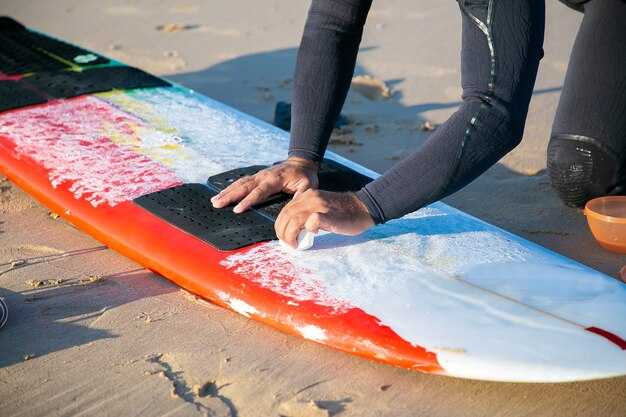 Wakeboard Sizes, Profiles, and Shapes – The Definitive Guide">

picking the right wakeboard size starts with your weight and experience. For beginners, choose a board in the 136–139 cm range if you weigh about 60–85 kg; riders heavier than 85 kg will feel more stable on a 139–142 cm board, while lighter riders benefit from 132–136 cm. This narrowing helps improve balance and early catch-free rides, so they can focus on the basics rather than fighting the board.
In wakeboard profiles, the difference between continuous rockers, 3-stage rockers, and hybrid shapes guides your performing style. Choose a continuous rocker for smooth planning and a steady arc; a 3-stage setup delivers more pop and a bigger swing on launches, which helps when learning tricks. For beginners and riders chasing stability, a rounded rail setup reduces edge catches and providing predictable behavior in chop. they also help heavier riders, who often benefit from slightly longer boards with a softer rocker line to keep speed without digging in.
When selecting boards for specific riding, consider how the profile handles speed, pop, and edge control. they tend to blend a balanced outline with a rounded nose, which helps turns flow into forgiving landings and keep the swing predictable. If you aim for better control on big wakes, a heavier core and a longer outline can help, with a rounded rail that stays predictable in chop. For pros and ambitious learners, evaluate a mid-length board to build confidence before moving to pro models, wondering how your weight, skill, and conditions shift the selection. Providing more time on the water, the right choice reduces fatigue and increases session length.
Practical Framework for Choosing Gear by Ability Level
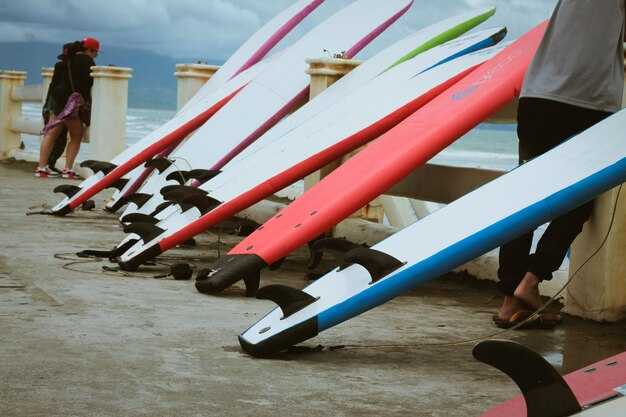
Begin with wakeboard boards that are 4–6 cm longer than your height, rounded in the tips for smooth releases, a large surface for added stability, and soft bindings that let your ankles flex. These boards provide stability on flat water and make the start easier, so you can enjoy learning without stressing your back, providing predictable balance for beginners.
Intermediate riders can tune toward a balance: choose a board around your height with a medium rocker and a mid-flex; a slightly narrower profile improves edge control. Bindings should be mid-stiff to deliver feedback without harsh landings. This setup supports maneuvers and getting into the groove of ripping toward more aggressive lines, while keeping enough stability for daily sessions. For park riders, add a grind that is clean and controlled to build confidence there on the water. If you ride rails, practice the grind with controlled heelside and toeside approaches. There thats a natural progression toward greater capability.
Advanced riders move toward shorter wakeboard length with a narrower, more rounded outline and a crisp, fast rocker. Although it demands consistent technique, this setup boosts speed and agility for aggressive maneuvers and rail lines. A shorter length, about height minus 2–6 cm, and a taller stance improve pop and control. Bindings should be stiffer for precise landings, yet forgiving enough to protect ankles. Because this setup reduces swing weight, you pop higher and land cleaner, thats why this profile is favored by riders chasing bigger hits, yet it still maintains stability there when you land.
Sizing the Board: How to pick length and width based on weight, height, and riding goals
Start with weight-based starting points: under 60 kg: 132–136 cm; 60–75 kg: 134–138 cm; 75–95 kg: 136–140 cm; over 95 kg: 138–142 cm. This yields a stable platform and increased confidence on takeoffs and landings. For about a 70 kg rider at 175 cm, aiming for parks and cable riding, pick a 136–138 cm board, which offers quick transitions and cleaner edge control.
Height and body proportions shape your stance width. A taller rider benefits from a slightly wider stance to disperse pressure across the board, while a shorter rider keeps the stance near shoulder width for quicker response. This matters for balance and direct edge control, and it signals to informed onlookers that you sized the board appropriately.
Riding goals guide the rest. If you prefer smoother landings and softening of impact, choose a board within the mid-to-long range; if agility and pop matter more, lean toward the shorter end. For parks and experienced riders chasing crisper turns and big airs, go longer within the recommended band. A mid-range length offers quality stability while remaining nimble, increasing your chance to learn new tricks and offering a solid platform for progression.
Width matters as much as length. Measure your boot width and pick a waist width that leaves about 1–2 cm of toe clearance and a similar allowance for the heel in stance. If you wear a larger boot (US 12+), start with a wider waist; if you wear a smaller boot (US 7–8), go narrower. This approach provides cleaner turns, reduces toe-drag, and makes the setup easier to cater to bindings, providing a direct, comfortable feel for both beginners and experienced riders.
Camber and overall profile influence agility and pop, but sizing remains the foundation. For most riders, a mid-camber board sized within the mid-range balances stability with playfulness. For heavier or taller riders, a longer length with a softer camber increases comfort and diminishes edge catching, offering a safer ender on difficult landings. About this, the approach is common among experienced riders, and the best boards then become quality tools for all-day sessions in parks and cable systems.
Profile Fundamentals: How rocker, concave, and deck shape affect stability and lift
Choose a board with a mellow continuous rocker for learning; it keeps speed controlled and the water feel smoother, reducing edge catches and helping you stay centered during starts.
Rocker profiles
- Continuous rocker: delivers steady speed and stable tracking, especially through flats and chop. Edges stay predictable, making it easier to keep the board in line and perform smooth transitions.
- Three-stage rocker: yields bigger pop off the wake and faster planing, but the ride can feel less forgiving in rough water; ideal for advanced riders chasing lift and longer, direct swings off the wake.
- Hybrid rocker: blends the benefits of both, providing reliable planing speed with added pop when you need it, catering to riders who ride parks, flats, and occasional kickers.
Concave and hull shaping
- Flat bottom with a shallow single concave: centers lift and delivers a smoother transition at speed; reduces bite on edge changes and helps riders stay balanced through slides and rolls.
- Double concave with a tail V: channels water toward the rails for extra lift and a crisp edge response; enhances performance at speed and during launches, though it requires precise timing to avoid oversteer in corners.
- Edge interplay and concave: shapes that emphasize the edges provide more direct grip for carving, while milder concave reduces abruptness in landings, making it easier to stay in control during transitions.
Deck shape and rails
- Square rails: offer direct edge feel and solid bite in parks and on rails; this feature helps you keep a steady line when you’re ripping through transitions and slides.
- Rounded rails: deliver a smoother entry into turns and a forgiving feel on choppy water; great for progressing riders who want confidence during flat-water wakes and landing softly.
- Deck stiffness and camber: stiffer decks return energy quickly for faster pop, while softer decks absorb bumps for a steadier feel during long rides and landing sequences.
Selecting sizes and features
- Size guidance: for most riders, boards in the 135–139 cm range cover a broad weight span; bigger riders gravitate toward 140–144 cm, smaller riders toward 134–136 cm. Bigger sizes generally provide more stability around flats and rough water.
- Profile by goals: beginners benefit from a gentle rocker and flatter hull for easy planing; park riders may prefer square rails and a stiffer deck for direct control during slides; advanced riders often seek a hybrid setup for versatility.
- Making the informed choice: test different features and sizes to keep informed, and select boards that cater to your expected terrain–flats, parks, or a mix. источник usable guidance can come from coaches or experienced riders; use that источник to compare how performance differs in real conditions.
Key takeaways for performance
- Speed and lift hinge on rocker and hull shape; smoother water interaction equals steadier planing and better time on edge holds.
- Edges and rails determine how directly you can swing into turns and how stable you stay on landings; square rails give you bite, rounded rails give you forgiveness.
- Feature selection should match your level and riding style: bigger boards aid stability, while lighter, narrower boards boost responsiveness for advanced maneuvers.
thats the core idea: a balanced profile lets you stay in control through flats and wake, while still delivering enough lift for confident launches. Keep exploring different sizes, rocker types, and concave configurations to find the setup that lets you perform consistently and progress steadily, especially when you’re riding in parks, on the lake, or chasing smoother lines over rough water. The path to finding your ideal feel comes from trial, time, and making informed choices about edges, shapes, and decks, always guided by your preferred riding context and goals.источник
Lamina e Campanatura: Come smussi, campanatura e flessibilità influenzano presa, pop e atterraggi
Inizia con una smussatura e un camber moderati per versatilità: smussatura della lamina di tre o quattro gradi e un profilo camber medio, che offre aderenza, pop e atterraggi permissivi in diverse condizioni dell'acqua. Questa configurazione è adatta a rider di livello intermedio, a chi si diverte nei park e con i trick aerei e a chi desidera prestazioni stabili e prevedibili sulla superficie. Dovrebbe risultare bilanciata e facile da controllare, aiutandoti ad attenuare gli errori e a migliorare la costanza.
Specifiche della smussatura delle lamine: lamine più affilate mordono nei canali e durante gli scivolamenti sui rail, aumentando il grip per i lanci, più che su una tavola piatta; una smussatura più leggera intorno ai due gradi ammorbidisce le vibrazioni sul fondo e mantiene la superficie prevedibile; per i park, un maggiore mordente migliora il grip, ma evita di far presa sull'acqua alle basi, il che può compromettere gli atterraggi.
Camber e flex: il camber immagazzina energia per il pop; un arco centrale aiuta a slanciarsi in aria, offrendo aerials migliori; un flex più morbido intorno al centro ammortizza gli atterraggi, rendendo più facile per i rider principianti controllare le basi; un flex più rigido aumenta il pop, ma può essere più difficile da ammorbidire negli atterraggi morbidi. Per la maggior parte delle condizioni, un flex medio funziona meglio, consentendo ai rider di godere sia della presa che di atterraggi indulgenti.
Forma inferiore e concavo: un concavo profondo intorno al centro migliora il controllo della lamina e la stabilità in condizioni di chop; come in foto, un fondo a quattro canali intorno alla base canalizza l'acqua, aumentando il grip nelle curve e su superfici mosse; questa configurazione aiuta anche nel controllo degli atterraggi nei park e quando si concatenano le slide.
Consigli specifici per i rider: i principianti dovrebbero scegliere una smussatura del bordo morbida (pochi gradi) e un camber più piatto, con circa uno o due gradi di smussatura e una superficie liscia; coloro che si spostano nei park possono optare per un maggiore mordente del bordo e un flex leggermente più rigido per migliorare il pop; per i rider che affrontano condizioni variabili, un camber con un fondo concavo medio si adatta a molti scenari, consentendo di godere di grip e tolleranza negli atterraggi.
Configurazioni Rocker: Continuo, a 3 Stadi e Ibrido spiegati con consigli pratici
Scegli un rocker ibrido per la maggior parte dei rider: combina planata fluida con un rapido kick della coda, offrendo transizioni confortevoli e pop affidabile in un'ampia gamma di condizioni.
Rocker continuo mantiene un unico arco fluido dalla punta alla coda, creando una sezione centrale più lunga che risulta stabile nelle curve e durante la planata. Preserva lo slancio, riduce le transizioni brusche e aumenta la stabilità ad alta velocità, il che aiuta i principianti a sentirsi più sicuri e i professionisti a mantenere linee più lunghe senza sorprese. Le lamine rimangono ben ancorate con un'aderenza prevedibile e i profili rimangono indulgenti in condizioni di chop. Quando si desidera navigare in acque calme o mantenere linee pulite, questa configurazione offre ottime prestazioni. Affrontare le onde a velocità sostenuta risulta più fluido con una curvatura continua e supporta rotazioni fluide e consistenti per l'uso quotidiano.
Rocker a 3 stadi attraversa tre distinte curve, offrendo un'uscita netta e uno "pop" aggressivo. La coda aggiunge un "kick" affilato per grandi flip e altezza, mentre la parte centrale rimane più piatta per favorire la planata. Il risultato è una sensazione più pesante e brusca quando si esce dalla scia, e può essere meno indulgente su acque agitate. Usalo se cerchi un'aria più alta, una tempistica precisa del "pop" e un forte "off-kick"; è adatto a rider che desiderano il massimo impatto e controllo a velocità più elevate in condizioni ottimali.
Rocker ibrido combina una sezione centrale più liscia con un tocco di alzata su punta e coda, creando un profilo versatile che offre prestazioni su park, rail e scie di barche. Questo design mantiene la stabilità della sezione centrale offrendo al contempo un pop controllato e moderato. Il risultato è una categoria flessibile che risulta comoda sia negli atterraggi morbidi che nelle transizioni rapide, con una sensazione di affidabilità praticamente in ogni condizione.
Consigli pratici: scegliete profili con punta a diamante per un aggancio più rapido delle lamine e meno possibilità di impigliarsi a metà. Per maggiore velocità e atterraggi più fluidi, selezionate un profilo continuo o ibrido in posizione normale; per il riding in switch, provate la risposta del flex in ogni design. Quando scegliete in base al peso, i rider più pesanti traggono vantaggio da una tavola leggermente più lunga e un deck più rigido; questo aumenta le prestazioni e riduce il flop sugli atterraggi. Sotto la linea di galleggiamento, il rocker influisce sull'impatto quando si atterra sul chop; una curvatura più fluida riduce l'impatto e rende gli atterraggi più confortevoli; una fine brusca spinge la tavola nella scia, offrendo un pop più aggressivo. Ricordate che le tavole più grandi possono sembrare più lunghe in acqua, mentre quelle più piccole risultano agili e reattive; scegliete in base al livello di esperienza e agli obiettivi.
Le guide dei rider suggeriscono di iniziare con un ibrido per le sessioni generali e poi di passare gradualmente a un rocker continuo per una velocità fluida o a 3 stadi per un'aria più ampia man mano che si progredisce. Che si giri nei cable park o in barca, la giusta configurazione del rocker migliora le prestazioni e mantiene il controllo, indipendentemente dalla categoria o dallo stile.
Manuale delle capacità: configurazioni consigliate per rider principianti, intermedi e avanzati
Scegli una tavola da 136–139 cm con attacchi morbidi per principianti per massimizzare la stabilità e ridurre la resistenza durante le partenze.
| Level | Lunghezza tavola (cm) | Rocker/Profilo | Attacchi & Posizione | Why it helps |
|---|---|---|---|---|
|
Principianti |
136–139 |
Rocker da basso a medio; bordo indulgente per decolli prevedibili |
Attacchi soft-flex; larghezza stance 46–54 cm (18–21 in); i channel aiutano a regolare un setup ampio e confortevole |
Offre stabilità specifica durante le prime uscite, planata più fluida e cadute ridotte; i rider condividono facilmente il feedback con gli allenatori; acquisiscono sicurezza, si sentono produttivi in acqua e si divertono ad imparare. |
|
Intermediate |
137–142 |
Rocker da medio a ibrido; pop bilanciato e atterraggi consistenti |
Attacchi di media flessibilità; larghezza stance 51–56 cm; utilizzare gli inserti per l'allineamento con le anche |
Migliore controllo delle lamine e gestione della velocità; promuove transizioni più fluide e prestazioni ripetibili man mano che si sviluppa l'abilità. |
|
Advanced |
132–136 |
Tavola aggressiva, ad alta resistenza e dalla struttura rigida; ottimizzata per curve rapide |
Attacchi rigidi; larghezza stance 53–58 cm (21–23 in); allineamento preciso degli inserti per un controllo ottimizzato |
Precisione e velocità, pop potenti e gestione raffinata dell'onda; scelgono configurazioni che supportano decisioni consapevoli tra ostacoli e trick. |