


 Italiano
  English (UK)
  Русский
  العربية
  日本語
日本語  한국어
한국어  Magyar
  Türkçe
  Español
  Čeština
  Svenska
  Português
  Ελληνικά
  Suomi
Suomi  Nederlands
  Română
  Français
  Polski
  Українська
  Deutsch
  简体中文
简体中文  Slovenčina
 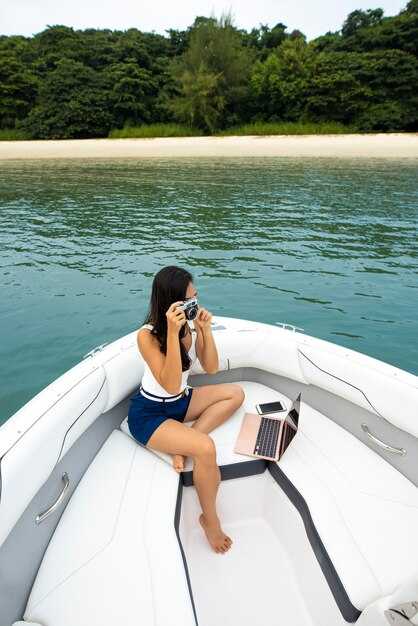 Top Water Sports to Try on Your Yacht Holiday | The Ultimate Guide">

Start with a guided snorkeling session at a famous anchorage to gauge water clarity and currents; this setup gets you started.
Where your yacht sails, the caribbean coastlines offer calm lagoons, protective coves, and vibrant reefs in these acque.
Indulge in paddleboarding and kayaking on glassy mornings; such activities let you glide over water and reach hidden coves, with horizon views.
For thrills, arrange a jetski run along a sunlit shoreline; get up quickly, carve gentle turns, and then anchor for a swim.
Explore the underwater realm with a shallow course or guided snorkel excursion, designed for beginners and seasoned guests alike.
Whether you chase calm exploration or high-energy action, the itinerary should balance snorkeling, swimming, and light wind-based watersports so the crew can tailor it to conditions–you cannot go wrong with a flexible plan.
Arrange gear ahead of time: SD dry bags, a retractable line, and a surface marker buoy help keep everyone safe while you explore them.
From horizon glimpses over caribbean acque to sunset cruises and a kayak to the anchorage, this guide helps you plan a balanced day that satisfies both thrill seekers and leisure riders.
Top Water Sports to Try on Your Yacht Holiday: The Ultimate Guide; 10 Create memories and leave reviews
Begin with a paddleboard session at sunrise along a protected shore; it sets a clean tempo for the day and keeps the whole crew engaged right away.
With your yacht, arrange an onboard kit for paddleboards, snorkels, masks, fins, and a light rescue throw rope. This keeps activities smooth and safe across coral spots and clear waters.
Try paddleboarding first, then swap to a tandem kayak so everyone can join in without crowding; line up a calm route and watch the colors shift as the sun rises over the sea.
For a closer look at underwater life, add snorkeling near coral gardens, where colorful reef fish circle around the structure. This activity becomes a favorite for kids and adults alike.
Motorized options, like a jet-ski session or a guided wakeboarding run, offer speed and splash while you map new destinations during chartering. Always confirm a captain or guide to handle navigation and safety.
End the day with a sunset swim or a relaxed boat-to-shore exploration, turning the trip into a suite of adventures onboard. Keep a note of memorable spots to share in reviews and future bookings.
| Activity | Cosa aspettarsi | Posti migliori | Booking & Tips |
|---|---|---|---|
| Paddleboarding (SUP) | Gentle balance challenge; flat-water routes | Turquoise bays, protected lagoons, coral pockets | Book kid-friendly boards; choose shade times |
| snorkeling | Close look at coral, fish, and small reef life | Calm coves, reef edges, reef-friendly shipwrecks with permission | Bring reef-safe sunscreen; pick guides for safe routes |
| Kayak | Quiet exploration with a partner or solo | Hidden coves, mangroves, sea cliffs | Carry dry bags; plan routes with anchor points |
| Jet-ski / motorized rides | High-speed thrill and quick hops between spots | Open-water lanes near shorelines | Ensure licensing; brief safety check |
| Sunset swim or shoreline excursion | Relaxed close to day; watch colors soften | Beach coves, gentle reefs near your hull | Respect wildlife; store valuables safely |
Practical Yacht Water Sports Plan
Start with a concrete recommendation: adopt a three-block daily routine–kayaking or paddleboards in the morning, a swim from the platform, and a sunset sail or coastal cruise in the evening. This keeps momentum, uses the fresh sea breeze, and feels energizing while you indulge in something active even on a breezy day.
Gear and safety come first. Arrange equipment on the platform for quick access: paddles, life jackets, fins, a throw bag, and a dry bag with sun protection. From the boat’s lockers, pull the pieces you need and leave the rest stowed. Always check wind, swell, and current; there are enough options to match any mood or full crew. There are many ways to mix these blocks, and these plans can adapt next if weather shifts. источник safety briefing: keep kids within arm’s reach and review radio channels.
- Morning block – kayaking or paddleboards around nearby islands; target 60–90 minutes, then a refreshing swim from the stern. If you get caught in a chop, relax, adjust your stance, and head back toward the boat to reset.
- Midday block – skiing or wakeboarding if wind stays between 15–25 mph; otherwise switch to a relaxed paddleboard tour or a sheltered snorkeling loop. Leave time for a snack on deck before the next activity.
- Evening block – sunset on the sailboat along the coastline, followed by a light deck gathering. Simply keep the pace easy, and let the crew’s choice guide the final moves for the day. Next day, reuse this structure and tailor it to weather and energy.
Match Sports to Yacht Size and Onboard Space
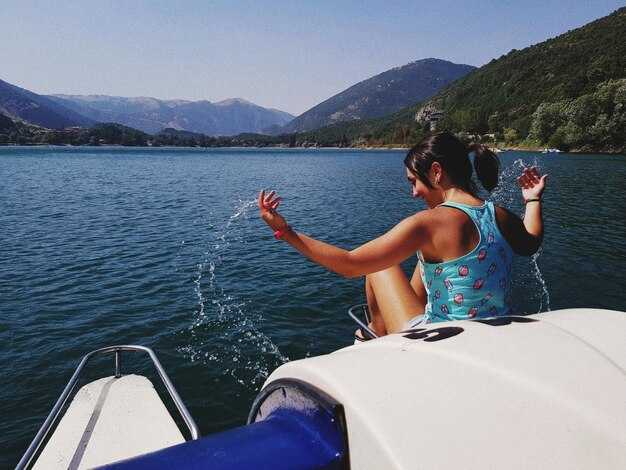
Start with a single stand-up paddleboard for most yachts under 40 feet; it sits on the surface, fits on a foredeck, and needs little attention while you cruise between coves. This setup keeps those guests who want activity engaged without clutter and lets you switch to sunbathing in minutes.
For larger yachts above 40 feet, add a compact kayak and a snorkel kit, and reserve space for one more light gear item. Those items store in side lockers to keep the surface clear, and they still allow you to take a quick plunge. Does this sound heavy? It doesn’t with smart stowage.
Islands and reefs become a playground: spot a sheltered cove, grab a SUP or a snorkel set, and discover what waters hold. If you want to fish, keep a small rod ready; you might spot a shoal and have caught something tasty. Knowing those spots helps you plan the course for the day and keep guests engaged.
Booking ahead helps ensure gear is prepared and sized for your crew. Many guests prefer to practise a few strokes before the first stop, and then move to the next activity. Keep gear in dry bags, grab what you need, and have a simple checklist on the boat so nothing gets left behind.
Next, assess your yacht’s deck layout and the onboard space available, then decide how many options fit without clutter. Whether you choose a single SUP or a small mix of gear, popular choices include a kayak, a snorkel set, and a fishing rod. Discover more adventures on calm mornings and busy afternoons.
Key Safety Gear and Personal Flotation Devices
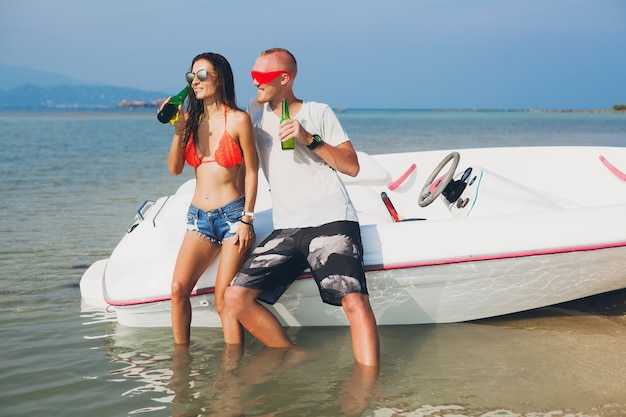
Put on a Coast Guard–approved PFD before any water activity. Ensure a snug fit by cinching straps, performing a quick buoyancy test with a shoulder lift, and confirming it stays secure as your boat rocks.
Choose a Type III PFD for kayak and dinghy duties; Type II provides extra buoyancy for kids or less confident swimmers. For night use, select a vest with reflective panels, and attach a whistle and a mini light to the zipper so you get noticed in challenging conditions.
Keep a waterproof VHF radio or satellite messenger in a dry bag, a compact first-aid kit, and a signaling whistle on your PFD. Add a flare kit and a spare battery for gadgets; a small waterproof bag protects your phone.
Plan shore stops with a dependable anchor and line; know your course and monitor wind shifts to avoid surprises. Check источник: local regulations for bahamas and other destinations before you leave, because many destinations require specific gear and procedures. If weather shifts, adjust early; if a local shore offers a safe trail, a short hike can be a welcome extension between swims.
Snorkeling safety: wear a PFD or snorkeling vest, stay with a buddy, and keep within voice range. Use a float line when drifting from the dinghy; carry fins and a mask that fits well; never snorkel alone.
Night safety and stargazing: when the sun dips, switch to red deck lights and secure gear to prevent tripping. Staying tethered or holding a rail helps on moving surfaces. A mesmerizing view over a golden hour often leads to memorable adventures; keep the mood calm and aware as the stars come down.
Before a holiday, inspect each PFD for tears, test buoyancy, and replace worn parts. Keep a spare PFD on the dinghy for quick access. This routine keeps you safe ever afloat, helps you know what to do if seas get rough, and leaves you ready for many more adventures. If conditions get rough, this plan gets you through.
Best Destinations and Seasonal Weather Windows for Each Sport
Caribbean stands as the better option to start your yacht holiday, with November through April delivering steady trade winds, safe anchorage, and beaches perfect for exploring with those you love. Sailing, snorkeling, and light fishing shine in this window, turning days on deck into unforgettable adventures.
Across the Mediterranean coast (Greece, Croatia, Italy), May through October offers warmer seas and reliable winds along the vibrant islands. Just plan for a flexible, two-week loop. This period yields well-protected anchorage in coves, shore land excursions, and great conditions for wakeboarding, stand-up paddleboarding, and water skiing along the coast. Safety comes first in all waters. If you want a single, concise plan, this is a strong option.
In the Indian Ocean, Maldives and Seychelles excel in the dry season from November to April. The marine life abounds, the water stays warm, and snorkeling reveals the underwater spectacle. Anchorage at these remote atolls makes every stop an adventure, and you can indulge in island hopping for a truly unforgettable experience.
Southeast Asia presents diverse windows by region. The Andaman Sea (Phuket, Krabi) and Bali-like zones offer calmer seas from November through March, while the Philippines and Indonesian islands provide May through September options with favorable winds for sailing and island hopping. These intervals keep beaches vibrant and marine life thriving, inviting exploring and new islands at every turn.
Australia and the Pacific offer distinct timing. The Great Barrier Reef region is driest May through October, delivering clearer water for snorkeling, safe anchorage along the coast, and great spots to fish. Hawaii, Fiji, and Tahiti shine in spring and fall shoulder seasons, offering good winds for sailing, waterskiing, and calm anchorages for shore land adventures.
Plan with flexibility and check local forecasts to align your sport with seasonal windows. Know local forecasts and port rules to keep your crew safe. Build a route with multiple islands and anchorages so you can switch when fronts arrive, keeping safety, comfort, and the adventure game strong – and ever ready to indulge in marine life, exploring vibrant shores, and making every leg unforgettable. This approach will offer you a balanced, memorable yacht holiday.
Onboard vs. Shore Lessons, Rentals, and Guides
Rent gear for shore lessons on day one, then switch to onboard coaching to keep practise smooth and aligned with your sailing schedule. This mixed approach suits ones who want a clear path: learn basics with a guide ashore, then practise together on deck and in the water as you move from horizon to horizon.
Onboard sessions offer a focused course in a sheltered area near the anchor, with a pro who can adapt the pace to your level. With this setup, you stay engaged and enjoy a long sequence of skills in the same environment, without wasted travel time, keeping everyone in the group included.
Rentals give flexibility: rent gear for a self-guided day at a popular spot near calm water; bring your mask, use fins, and practise kayaking with friends. Using correct gear makes practice safer and more enjoyable, and you can extend the course with additional hires if needed.
Guides provide a clear choice for those who value structure: a shore guide can map a short course and review safety, technique, and etiquette; they can lead a small group and help everyone love water more. From the horizon to the anchor, a good guide keeps the pace comfortable, making the session unforgettable.