


 Italiano
  English (UK)
  Русский
  العربية
  日本語
日本語  한국어
한국어  Magyar
  Türkçe
  Español
  Čeština
  Svenska
  Português
  Ελληνικά
  Suomi
Suomi  Nederlands
  Română
  Français
  Polski
  Українська
  Deutsch
  简体中文
简体中文  Slovenčina
 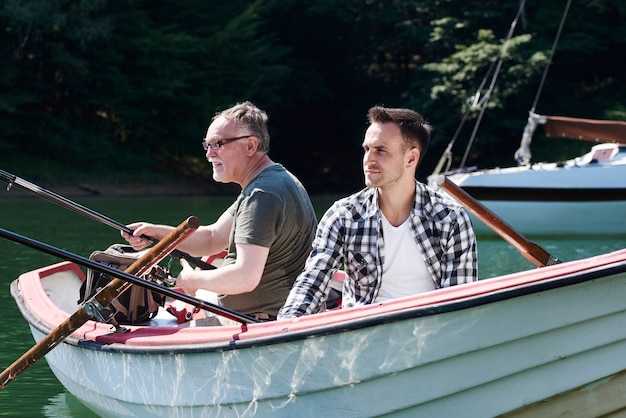 Top-Rated Inshore Fishing in Mount Pleasant, SC | Best Charters & Guides">

Recommendation: Book a 4-hour flat-water outing from the isle area near the Charleston coast with a crew that target redfish and trout on shallow flats at first light. This setup will have you ready for action, will deliver a solid hookup and steady catches, and keeps the day compact and affordable.
Timing & gear matter: spring and fall bring the best action as fish schools push through creeks and shoreline edges. Look for birds over the waters and prepare for a moment when the bite goes from tentative to consistent. The near window often yields multiple catches, and you can build on each drift while keeping your tackle ready for the next cast. When a fish takes, ease into the hook and feel the bend; that feel is a clean hook and a hard bite that signals a true hookup, while you learn how to time your reel hand with the fish.
Gear plan: a light 7–8 ft spinning rig with 12–20 lb braid and 15–25 lb leader works well. Use 1/0–2/0 hooks and 1/8–3/8 oz jig heads, paired with live shrimp or small soft plastics. If the water is clear, consider a slower retrieve to entice trout; if colored, switch to a faster pull for redfish. This setup keeps your hook sharp and your line taut as you work the flats and nearby waters near the isle coastline.
Choosing the right team: look for a seasoned angling outfit with captains who know the Lowcountry waterways near the isle area and Shem Creek. Verify safety credentials, boat size, and included tackle so you wont have to scramble for gear. Ask for recent trip reports to gauge success with smaller fish along the edges of the flats; a good crew adapts to wind and current, keeping you in water where the action will happen and where your catches can stack up across multiple passes.
Practical tips to maximize time on the water: arrive ready with sun protection, water, snacks, and a light layer. Bring polarized sunglasses to spot shadows along the flats and stay quiet to avoid spooking them. dont expect every cast to produce; some days are awesome, but you still should be ready to adjust. If luck aligns and the water warms, you may land a good bite on a moment when the bite transitions from tentative to confident. The perfect day means a steady pattern and multiple catches, with pleasant morning light setting the tone as you ride the rhythm of near-water action.
Lowcountry Shoreline Angling Guide
Recommendation: Start at morning light near the isle flats; reds and trout begin feeding quickly, and they respond within the moment. Have your line ready and both live bait and plastics on deck for quick swaps.
Gear and approach: use a 7-foot medium rod, 12–20 lb braid with a 6–12 inch fluorocarbon leader; target edges along shell beds and oyster bars, casting parallel to grass lines and mangroves. These ones know the spots on flats, and a slow, controlled retrieve keeps the bait near structure for reds and trout.
| Target | Strategia | Baits/Tools | Ideal Window |
|---|---|---|---|
| reds | edge casts along mangrove and oyster edges; cast, reel, pause, repeat | live shrimp or soft plastics | dawn to late morning |
| trout | work along sandbars and grass flats; keep lure mid-depth and steady | paddle-tail plastics, shallow-divers | early morning |
Dont overlook black-water days; when the water is stained, switch to darker colors and a longer lead to keep the lure in the strike zone. Those who adapt find more catches near the isle edge and along drop-offs where current concentrates bait.
carolina coast action favors consistent spots; if you just started, keep it simple: track depth, tide, and the last bite, then repeat. Some days the best action happens near 2–4 feet of depth; other times you’ll find reds and trout closer to the shoreline flats. The moment you lock in a pattern, you can replicate it across trips.
carolina marsh zones reward those who stay patient and observe the tides.
Top-Rated Inshore Fishing in Mount Pleasant, SC
Recommendation: book dawn charters with a friendly, beginner-friendly captain who runs timed trips around calm channels just after first light, targeting trout near oyster beds.
These sessions begin fast; you’ll be on water within minutes, and the gear is ready for live bait or small lures. Early morning light reduces glare and makes it easier for beginners to learn the cast, while calmer water lets smaller fish move along the edges for an awesome bite when they time their strike. Black drum sometimes patrol these flats, so bring a heavier option just in case.
Prime spots include the Shem Creek area and the Cooper River mouth, plus backwater channels that run around marsh edges and past oyster bars. Found along the edges are schools of trout and redfish, often near oyster beds; they respond well to light jigs and live shrimp when the current is right.
Gear and approach: 6- to 7-foot spinning rods, 10- to 15-pound fluorocarbon leaders, and a mix of live bait and soft plastics. For beginner-friendly trips, keep retrieves steady and shallow, and watch for the moment of contact; when you see a bite, they’ll respond immediately and you can set the hook with confidence.
Booking tips: pick a morning slot timed around first light. Ask the crew what they recommend for beginners; these teams will tailor a plan to the water, wind, and tide. If you want an awesome, memorable experience, these charters handle the gear, bait, and safety so you can focus on the moment and the spot you’re fishing.
Best Charters & Guides in Mount Pleasant
Start with a dependable outfit around the isle, launching at the early light; the crew is ready and reds patrol the smaller flats in calm waters, offering a friendly hookup and a pleasant mood while you learn the ropes.
Targeting reds and other fish, these captains mix live bait with artificials, work the channels and nearshore banks, and tailor trips to the weather; these ones might indicate what to expect and theyrecommend adjusting rigs and tactics for conditions.
Optimal results come with a dawn or late-afternoon run, when the tide lines the smaller flats and reds linger near the isle; these captains recommend timing around a moment of calm water and a perfect hookup, even time for the entire crew.
Gear ranges from 15-25 lb test for reds to heavier setups for bigger fish; boats around 25-28 ft with two anglers per trip; live wells stocked and ready; anglers often mix live bait with plastics to increase catches. Pick outfits that operate near channels, isle shores, and the broader waters, and look for transparent pricing and strong safety records for them.
Species You’ll Want to Hook Around the Harbor
Targeting reds at first light around the harbor yields the most consistent catches. Use a 20-30 lb fluorocarbon leader and a 1/4- to 3/8-ounce jig with shrimp; work near pilings, mangrove edges, and grass pockets where water is 2-6 ft deep. Calm mornings and timed drifts increase bite windows; hang a bait near structure for longer so them bite. just bring a net for landing.
-
Reds – Targeting around structure and channels, these fish would bite best during early mornings. Baits: live shrimp, mud minnows; rigs: 20-40 lb braid with a 20-30 lb leader; lures: 1/4- to 3/8-ounce bucktails or paddle tails. Water depth: 2-6 ft; hang near pilings and isle flats; time: dawn or dusk; catches come quickly after a pause; theyre eager to bite when the tide moves in.
-
Trout – Spotted seatrout move along grass flats and mid-channel edges. Baits: live shrimp under a cork or small soft plastics; rigs: 1/8-ounce jig; water: 3-5 ft; time: after a tide turn when water is calm; these fish are friendly on light tackle; youre likely to land a handful with patient casts.
-
Platessa – Found on sandy bottoms near structure and drop-offs. Baits: live finger mullet or cut bait; rigs: 2/0–3/0 hooks with 15-20 lb fluorocarbon leader; depth: 4-8 ft; casting along seams near drop-offs; time: around the turning tide; dont settle for fewer chances; these can be picky but deadly when you feel the tap.
-
Black Drum – Edges around oyster bars and structure. Baits: cut bait or crabs; rigs: 30-50 lb leader; heavy rod; water: 3-8 ft; time: incoming or steady current; if you feel a heavy thump, maintain pressure; this species would test gear but rewards patience.
-
Sheepshead – Pilings, docks, and rocky areas. Baits: fiddler crabs, shrimp; rigs: 20-30 lb braid to 12-20 lb leader; hooks: 1/0-2/0; depth: 2-6 ft; time: year-round with a peak in spring; technique: drift tight to structure; these catches can be awesome once you dial in the bite.
Keep gear ready: a 7- to 8-foot medium-action rod, 15-30 lb line, and a few cork rigs; this setup is awesome for calm mornings and timed runs around the harbor.
Tactics for Harbor Waters: Baits, Tides, and Spots
Begin with the morning arriving current along a calm harbor channel and rig live shrimp on a 2/0 circle hook; this setup makes them bite around structure and yields hookup opportunities for beginner-friendly setups.
- Best baits and tackle
- Live shrimp on a 2/0 circle hook; if shrimp are scarce, switch to mud minnows; both work around channels and spots, and they’re easy for carolina-based anglers to start with.
- Soft plastics: 3–4 inch paddle tails in black, rigged on a light jig head (1/8–1/4 oz); drift or crawl them along edges to draw follow-ons from nearby cover.
- Cut bait: small mullet or menhaden chunks on a 1/0–2/0 hook; use this when water is stained or when you’re targeting deeper channels a boat can reach.
- Something simple: a single-hook rig with a short leader works well for beginners and keeps the presentation friendly to them and to your boat control.
- Tides and timing
- Timed windows: the 1–2 hours after low or high tide typically produce the most action in channels and around harbor structures; during the incoming phase, water moves through hides and hang spots, increasing hookups.
- Le mattine calme spesso producono abboccate più decise e immediate; se il vento aumenta, accorcia i lanci e tieni la barca vicina alla copertura per mantenere la sensibilità.
- Le prime ore del mattino sulle coste della Carolina hanno iniziato a mostrare abboccate costanti quando ti allinei con l'alta marea e la lenta deriva lungo l'intreccio dei canali.
- Spot e struttura
- Punti chiave: canali, margini dei banchi di ostriche e la foce del porto dove l'acqua circostante è più profonda; queste zone concentrano l'esca e quelle che i predatori usano per l'agguato.
- I bordi delle isole e le zone intorno ai pali offrono riparo per i predatori in agguato; lavora lungo l'acqua attorno a queste zone con un recupero lento e costante per evitare di spaventarli.
- Vicino a palafitte nere o cumuli di rocce, prendi di mira le colonne di mezz'acqua con un recupero stretto e costante; vicino ai ruscelli, le correnti sono spesso costanti e produttive.
- Struttura la tua presentazione in modo che l'esca non si impigli subito; una breve pausa può innescare un abboccamento e mantenere la lenza tesa.
- Practical tips
- Mantieni l'attrezzatura leggera e maneggevole; le acque calme facilitano il controllo dell'attrezzatura e la permanenza sui punti desiderati.
- Non complicare troppo i rig; alcune delle configurazioni più efficaci sono semplici ed affidabili, specialmente quando stai iniziando e vuoi trovare velocemente cosa funziona.
- Se un punto non produce abboccate, provate un'altra zona nelle vicinanze; quelle che sembrano simili spesso producono subito quando cambiate esca o presentazione.
- Quando trovate un approccio produttivo, segnate il punto e ripetete lo schema; è così che i pescatori della Carolina trasformano alcuni buoni punti in uno schema affidabile.
Cosa dicono i pescatori: Recensioni recenti
Inizia con un'escursione mattutina su una barca più piccola, puntando a una zona con canali di ostriche lungo la costa della Carolina; tieni l'amo pronto e la lenza tesa, perché le trote abboccano meglio la mattina presto e in sincronia con la marea. Se sei alle prime armi, un piano ben strutturato ti aiuta a rimanere sul posto e a sfruttare al meglio ogni passata.
I pescatori alle prime armi hanno iniziato con un'uscita di mezza giornata e sono sorpresi da quanto velocemente l'azione aumenti vicino ai canali; il servizio di guide ti tiene sulle traiettorie giuste e le abboccate arrivano con meno sforzo e sembrano ben cadenzate, qualcosa che non dimenticherai.
Il tempo, la luce e il vento contano; l'ora vicino all'alba è quella in cui l'azione si sposta, e in alcuni giorni si può cavalcare una mattinata calma per un buon pescato di trote vicino ai banchi di ostriche.
Consigli tecnici dagli esperti locali: usa un jig più piccolo, mantieni il rig semplice e preparati a ferrare non appena la lenza si allenta; può essere perfetto quando arriva l'abboccata.
Le catture variano; alcune uscite producono diverse trote, altre volte potresti trovare solo un esemplare di taglia; sono abbastanza comuni da invogliare i pescatori a tornare e si trovano spesso nei pressi delle sacche dei canali di ostriche dove scorre la corrente; resistono quando colpisce.
La maggior parte dei riscontri proviene dalla costa lowcountry, dove l'azione di inizio stagione rimane affidabile; con una tempistica intelligente e una barca più piccola puoi massimizzare la finestra di opportunità prima di pranzo, anche nelle giornate difficili.
In sintesi per i pescatori della Carolina: iniziate presto, scegliete un unico punto strategico vicino ai banchi di ostriche, siate pazienti e probabilmente tornerete a casa con un buon bottino.
Prede Costiere: Prede Tipiche Sotto Costa e Stagioni
Inizia con un piano perfetto e subito pronto per un novizio: punta ai pesci rossi lungo i canali del porto alle prime luci dell'alba da una barca, usando un'attrezzatura facile da usare per i principianti: una leggera montatura da spinning, una canna da 1,98-2,13 m, treccia da 6,8-9 kg, una testina piombata da 7 g e gamberetti vivi o un'esca paddle-tail. Questo approccio è adatto per acque calme e ti dà il tempo di leggere i canali e iniziare a pescare con sicurezza.
Le trote sono più attive dalla tarda primavera all'inizio dell'autunno. In primavera e autunno frequentano fondali di 60-180 cm lungo i canali; in estate si spingono a 240-360 cm quando il sole è forte. Un piccolo gamberetto sotto un galleggiante o un minnow-swimbait funzionano bene, anche quando la visibilità è buona. Per il targeting, mantenere un ritmo costante e passare a un recupero lento e rasente il fondo se si trovano vicino ai bordi dell'erba; questo ti darà una buona possibilità di aggiungere un altro pesce al tuo bottino, qualcosa per cui sorridere.
I cicli del Redfish si ripetono quasi ogni mese, e li si trova vicino ai moli, alle strutture e alle foci dei ruscelli. Lungo le rive del porto si trovano esemplari di redfish lungo gli scarichi e i bordi erbosi; l'alba e il tramonto sono i momenti più affidabili e le maree che spingono l'acqua attorno ai pali spesso portano a catture. Un jig da 3/8-1/2 oz e un'imitazione di gambero o plastica morbida scura daranno risultati, ed è consigliabile mantenere una trazione delicata e sincronizzare i lanci con la marea. Raccomandiamo iniziando con un lento walk-the-dog o un recupero a saltello, amerai il modo in cui la lenza si carica e il pesce risponde. Questi tendono a essere più collaborativi quando mantieni il targeting preciso e paziente.
I Tamburi neri compaiono in inverno e primavera attorno a banchine, moli e bordi dei canali. Per questi pesci, usa un'attrezzatura più pesante (leader da 20–40 libbre, amo da 1/0–2) con esche tagliate o gamberetti grandi. Morderanno in modo aggressivo se sei paziente; preparati a una presa forte e a una trazione profonda che mette alla prova anche le giornate calme. Questo obiettivo offre spesso alcune delle catture più impressionanti e consistenti della stagione.
Oltre ai tre principali, aspettati passere di mare, ombrine e saraghi fasciati vicino a banchi di sabbia e praterie marine sottocosta quando l'acqua si riscalda. Per rendere le cose più semplici per i principianti, scegli un singolo canale o una struttura vicina e alterna esche vive e esche artificiali morbide. Se hai trovato un punto produttivo, rimani lì e sincronizza i tuoi lanci con le maree in entrata e in uscita; potrebbero essere meno frequenti, ma la qualità può essere alta. Sei pronto per aumentare la fiducia ad ogni uscita; non pensare troppo alla tua attrezzatura: mantienila semplice, sii paziente e le catture si accumuleranno.
È ora di prenotare il tuo posto: Disponibilità, tariffe e preparazione
Recommendation: Assicura ora il tuo posto per un early-morning gita in barca nelle acque della Carolina Lowcountry vicino a Isle of Palms. In questo momento, l'acqua calma favorisce la pesca e rende più facile catturare scorfani e trote; se ami queste acque, non perdere l'occasione di farla diventare realtà: i ricordi dureranno a lungo.
La disponibilità varia in base alle maree e alla stagione. La maggior parte delle uscite private dura 4 ore; le opzioni più lunghe durano 6-8 ore. I fine settimana e i giorni festivi si riempiono velocemente, quindi prenota con 2-4 settimane di anticipo durante i mesi di punta. Questi tour di solito partono alle prime luci dell'alba, dandoti la mattinata per puntare ai pesci rossi vicino ai banchi di ostriche e per vedere quali trote sono disposte a mordere vicino ai ruscelli e alle acque interne.
Tariffe: Le uscite di quattro ore per 2-4 pescatori variano in genere da 450 a 650; quelle da sei a otto ore vanno da 750 a 1150. Alcune attrezzature includono canne, mulinelli, attrezzatura, esche e una borsa termica; altri potrebbero aggiungere costi per esche vive. Le licenze sono spesso gestite dal capitano, quindi non è necessario un permesso separato per l'acqua salata per un viaggio privato. Le mance comunemente vanno dal 10 al 20% per l'equipaggio.
Consigli per la preparazione: porta con te crema solare, un cappello, occhiali da sole polarizzati, vestiti a strati leggeri, acqua e una piccola borsa per gli oggetti personali. Arriva al molo con 10-15 minuti di anticipo, indossa scarpe antiscivolo e mantieni un atteggiamento tranquillo. Se vuoi tenere solo ciò che puoi trasportare, prepara una borsa minimal; il capitano ti guiderà su cosa fare se vediamo un grosso pesce abboccare. non dimenticare di annotare eventuali esigenze mediche.
Cosa aspettarsi: questi viaggi restano impressi nella memoria, come un ottimo amo, e qualcosa di cui vantarsi. Le acque della Lowcountry offrono mattinate tranquille che fanno sentire piccoli in un mare vasto, ma vicini alla vita cittadina. Se desideri maggiori dettagli, chiedi informazioni sulla disponibilità vicino all'Isle e ad altre acque; sono pronti a guidarti verso una mattinata in cui catturare qualcosa di speciale.