


 Italiano
  English (UK)
  Русский
  العربية
  日本語
日本語  한국어
한국어  Magyar
  Türkçe
  Español
  Čeština
  Svenska
  Português
  Ελληνικά
  Suomi
Suomi  Nederlands
  Română
  Français
  Polski
  Українська
  Deutsch
  简体中文
简体中文  Slovenčina
  Top 6 Anchoring Accessories for Boats – Essential Gear for Secure Mooring">

Scegliere corde robuste e con portata nominale e tenerli organizzati, in una scatola vicino al timone. Su imbarcazioni più piccole, le funi in nylon da 12–14 mm funzionano bene; su scafi più grandi, 16–20 mm offrono un ampio margine. Ispezioni regolari ogni settimana riducono gli errori di manipolazione, prevengono l'usura dovuta al calore o al sale e mantengono il carico più prevedibile in raffiche. Questo sistema è noto tra i membri dell'equipaggio per ridurre i ritardi e mantiene parte della routine del porto insieme a una semplice scheda che tiene traccia dell'usura.
1) Cime di ormeggio – due o tre funi ad alta resistenza con manicotti protettivi creano un ponte flessibile tra imbarcazione e banchina. Scegliere lunghezze per coprire diverse types di ormeggi; i passaggiolana possono essere raggiunti senza sovratensione, questo riduce altalene and load peaks. Use a spare set stored in a water-resistant pouch; many crews label by needs, leggi, preferenze, and requests. When you connect, you work together with the wind and current to minimize risk of a quick snap.
2) Smorzatori – dispositivi elastici posti tra i raccordi di linea e i fitting assorbono altalene, mantenendo l'impatto da non far aumentare bruscamente durante le raffiche. Gli smorzatori sono particolarmente utili su banchine più lunghe e in mari più calmi rimangono inattivi ma pronti; controllare i valori di carico noti e sostituire in caso di segni di usura per evitare il rischio di incendio dovuto a componenti hardware surriscaldati.
3) Parafanghi e protezioni laterali – parabordi in schiuma sagomata allineati alle curve dello scafo, più manicotti per bordi per ridurre l'abrasione. Questo part l'attracco protegge le finiture e gli accessori dello scafo e mantiene requests dallo spostamento dell’equipaggio per ricollegare linee minime.
4) Attrezzature di coperta, bitte e parabordi – verificare che le attrezzature di coperta siano robust, noti per resistere al carico e supportati da fissaggi resistenti alla corrosione. Posiziona diverse paratie in punti strategici in modo che le linee possano essere ancorate lontano dalle strutture metalliche; assicurati che i pezzi si incastrino tra loro e mantengano il gioco che accoglie il movimento durante le variazioni di vento.
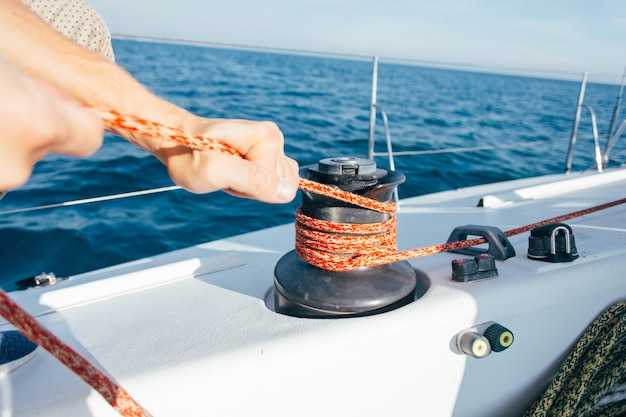
5) Sistemi a cappello, verricello o a ratrapola – il tensionamento meccanico aiuta a gestire linee pesanti, soprattutto durante l’ormeggio con raffiche di vento. Instradare le linee per evitare strozzature, ridurre al minimo l’attrito e mantenere sotto controllo il calore. Questi dispositivi supportano una gestione stabile del carico durante l’ormeggio; assicurare l’alimentazione e la protezione della batteria per prevenire pericoli di incendio.
6) Archiviazione, etichettatura e monitoraggio della manutenzione – una scheda compatta e contrassegnata aiuta a identificare il tipo di linea, il diametro, la lunghezza e l'ultima ispezione; tenere un registro e segnare quando sono necessari dei sostituti. Questo supporta molte esperienze e riduce gli errori durante la sostituzione dell'attrezzatura in mare o di notte; conservare i pezzi usurati in una borsa dedicata per evitare confusione e garantire la conformità con leggi e preferenze durante la navigazione.
Top 6 Accessori di Ancora per Barche
Raccomandazione: investire in un sistema di ormeggio completo che abbini una cima in nylon da 50 m con 6 m di catena zincata da 8 mm, collegata tramite un grillo resistente al sistema di ancoraggio, progettato per adattarsi a un'imbarcazione di medie dimensioni. Questo design di solito offre una tenuta adeguata tra le raffiche, che mantiene la tua imbarcazione stabile e riduce le istruzioni inviate durante una brezza, quanto basta per mantenere il tuo equipaggio calmo.
Assemblaggio Linea-e-Catena: 50 m di corda in nylon (12 mm) abbinata a 6 m di catena zincata (8 mm), unite tramite una drizza da 3/8 di pollice. Questa combinazione migliora l'assorbimento degli urti e la presa, tra un colpo di vento e l'altro rimane stabile e puoi tenerla pronta per un montaggio rapido.
Primary ground tackle: ancora Danforth-style 16–22 kg, adatta a un'imbarcazione di medie dimensioni; abbinare con cima e catena per ottenere ancoraggi profondi. La selezione adeguata dipende dal tipo di fondale, dalla leggerezza e dalla profondità dell'acqua; lungo le coste australiane questa opzione è ampiamente utilizzata.
Electric winches: 1000–1500 W, 12 V, remote control; handle line up to 12 mm; able to pull strong loads; add a weatherproof enclosure. Shopping note: choose a model with reliable service in australias and a spare battery option; this gear reduces time spent on deck and keeps you in control as wind ramps up.
Hardware per il ponte: chiavette e girelle in acciaio inossidabile; chiavette a perno a vite da 1/2 pollice; resistente alla corrosione; installazione attraverso raccordi per il ponte per fissare linee e catene; garantisce rilasci facili.
Kit di protezione: protezioni anti-sfregamento, manicotti per corde, parabordi; lunghezza 1,8 m; tappi integrati negli scarichi del ponte; manicotto soilslightweight riduce l'abrasione; riposto quando non in uso.
Piano di manutenzione: spinotti di ricambio, corda di ricambio, connettori rapidi e un semplice programma di manutenzione; tenere nel kit ed eseguire un programma di manutenzione che include raccomandazioni per migliorare la prontezza, con un numero sufficiente di pezzi di ricambio stoccati e pronti, alcuni miglioramenti aggiunti nel tempo.
| Item | Specs | Note | Cost Range |
|---|---|---|---|
| Assemblaggio Linea-e-Catena | 50 m filo di nylon (12 mm) + 6 m catena zincata (8 mm); chiavetta da 3/8 in | Assorbimento degli urti; presa migliorata; facilmente riponibile | $60–$120 |
| Ancoraggio Primario | Ancora Danforth 16–22 kg | Una selezione adeguata dipende dal terreno; ideale lungo le coste australiane. | $100–$180 |
| Electric Winches | 1000–1500 W; 12 V; telecomando; gestisce fino a 12 mm di linea | In grado di trainare carichi pesanti; servizio preferibilmente in Australia. | $350–$800 |
| Hardware per ponte | Maglie in acciaio inossidabile 1/2 in; a perno a vite; girevoli | Resistente alla corrosione; installazione tramite accessori di coperta | $8–$25 per shackle |
| Kit di protezione | Chafe guards; rope sleeves; length 1.8 m; deck plugs | Plugs proteggono il ponte; la manica leggera per il terreno riduce l'abrasione | $15–$40 |
| Piano di manutenzione | Prese di corrente di ricambio; corda di ricambio; connettori rapidi; kit di attrezzi | Tenere pronto; programma di manutenzione con raccomandazioni per migliorare la prontezza. | $20–$60 |
2 Boat Fenders Included: Practical Guide to Mooring Gear
Recommendation: Install two fenders as the initial setup; they absorb contact and protect the hull when lines swing against pilings or docks. Two fenders included in the kit provide immediate protection on arrival; choose models made from soft closed-cell foam, with folding designs that store flat when not in use. The right size matches vessel length; if it isnt correct, cushion protection declines and swings may contact the hull. Place one at the bow and one midships on the outboard side to achieve even hold during approach. This known arrangement minimizes scuffs and keeps their contact surface where it matters. A compact, portable option lets you access them quickly from the home hatch; folding variants save space on small decks. The idea, newspaper noted, is that simple equipment improves berthing safety.
- Materials and weight: made from soft closed-cell foam; soilslightweight core keeps setup manageable and accessible; folding and portable designs reduce bulk.
- Placement: keep each fender at the bow and midship on the outboard side; this known practice ensures a stable hold when a dock or piling pushes the hull.
- Inflation and maintenance: maintain 12-20 psi; check monthly; overinflation reduces cushion; underinflation reduces protection. This is the required range across many models.
- Storage and access: use a folding bag; access remains easy from the cockpit; home storage location is recommended for quick deployment.
- Communication and safety: wireless alerts to crew via messaging when deploying from a portable device; messaging keeps requests concise; role of the crew is to respond quickly to requests and adjust position as needed.
- Regional guidance: australias assistance programs and marine authorities emphasize a simple setup that reduces incidents in home marinas or in remote harbours; this help is known to many skippers.
источник: this guideline emphasizes the role of redundancy in hull protection during close-quarters handling.
Anche compact fenders remain popular among sailors with limited space; they add versatility to any docking plan and support a smooth, confident routine when returning home after a day on the water. This relates to the role of simple equipment in maritime practice and supports clearer messaging between crew and shore assistance teams. Requests from crew arrive via concise messages, and wireless notices help keep everyone aligned, which keeps more attention on safety and ship handling. When prepared, the setup also allows vest-wearing crew to move with confidence, keeping access to parts and that equipment straightforward and ready.
Anchor Type Selection Based on Boat Size and Bottom Conditions
Recommendation: Boats up to 16 ft benefit from a Danforth-style anchor (3–7 lb) or compact grapnel, with 6–9 m nylon rode and 0.6–1.0 m chain when available. Mud or sand bottoms yield reliable bite; retrieval remains straightforward as winds shift. Shopping recommendations from maffioli confirm this size matches needs and practicality, keeping lines tight and landing opportunities clear. Will usually see quick setup when depths are shallow, and this choice appears in editorial briefs and product pages. Bottoms utilizzato in catalogs include mud, clay, sand.
Crafts 16–26 ft benefit from a 7–15 lb Danforth or 15–25 lb plow anchor on sand or mud bottoms. Rode consists of 9–15 m nylon lines with 1–2 m chain. Rope options include nylon rope in spare lengths for backup or topping up the main line. In rocky or weeded zones, a longer rode improves set and reduces drag. Editorial notes from a provider highlight this size handles moderate seas, with practicality in mind. The record shows this combination yields dependable stays; you can click to compare models online during landing checks.
Vessels longer than 26 ft usually need a 25–60 lb plow or Bruce-type anchor, with 20–30 m nylon line and 3–6 m chain. Bottoms soft mud or clay yield best hold from fluke-rich designs; sandy patches favor deeper bite from plows; rocky sites benefit from a stout grapnel as a secondary option. Always ensure enough rode to reach a secure setting in expected depth; retrieval practice builds confidence. Contact editorial staff; recommendations come from the shopping provider. This section includes landing plans and a quick link to compare options. The potential setup leads to a clean, together with practice, and isnt dependent on a single model.
Rode Length: How Much Line Do You Need in Typical Depths
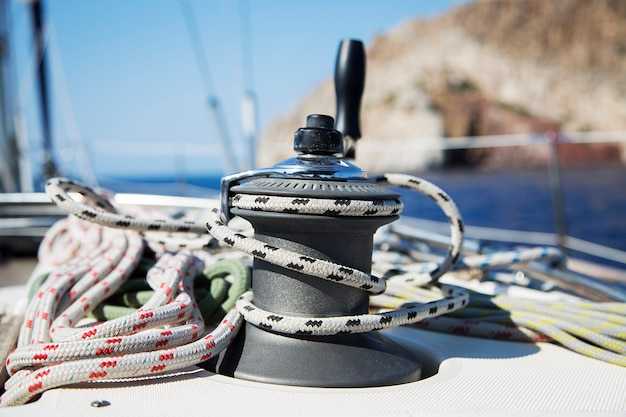
Recommendation: Use a rode length 7–10 times the measured depth, following widely accepted recommendations. In practice: at 5 m depth, 35–50 m; at 8 m depth, 56–80 m; at 12 m depth, 84–120 m. The exact number depends on wind, current, and bottom type.
Dedicated recommendations from licensed captains show a rode length of 7:1–10:1 as baseline. There isnt a universal value; consenso among boaters varies with conditions. When wind and current increase, keep toward the upper end. If bottoms are soft or submerged features exist, consider extending to 10:1. Always monitor line tension to improve stability. Olympic clubs also use this approach to train consistency.
Storage and handling: keep the line in a portable case with folding plugs, and maintain a back-up length so youre not caught short. This dedicated setup helps you stay prepared and properly organized. In bottoms that are soft or contain submerged hazards, having extra length reduces snag risk and improves positioning. esclusivamente in heavy weather, consider adding length if conditions indicate deeper water. Licensed crews, including olympic teams, have consenso that consistent line management minimizes potential failures.
Chain vs Rope: Choosing the Right Mooring Line for Your Setup
Opt a steel dock line in exposed areas with large vessels and heavy surge; in sheltered coves, braided nylon rope delivers safer handling and flexibility.
Consider these factors when selecting the berthing line: load behavior, stretch, weight, maintenance, and area conditions along australias coastlines. Different types exist, each with distinct strengths and weaknesses.
- Chain: high strength, minimal elongation under load, excellent abrasion resistance when misalignment occurs on rocky entries; heavier to handle; needs proper storage, corrosion prevention, and occasional replacement; recommended diameters typically range from 10 to 20 mm depending on boat size; expect rough service in large tidal areas and during gusts; installation requires a winch or cleat system; scheduled inspections catch pitting and wear early; a solid choice in high-risk berthing zones.
- Rope: elasticity cushions shocks, reduces peak loads on fittings, easier to manage and stow; susceptible to UV, chemical exposure, and rot over time; lifespan depends on material: nylon (high stretch, good grip in wet conditions), polyester (low stretch, better UV resistance), polypropylene (floats, lower strength). Typical diameters span 8–25 mm based on vessel length; replace when fraying or hardening appears; proper storage away from direct sun extends life.
- Area and weather: in exposed zones with strong surge and rocky entries, chain excels; in sheltered coves with gentle winds, rope suffices.
- Vessel size: larger craft demand heavier diameters; smaller craft operate with lighter lines.
- Handling capacity: rope is easier to coil and deploy; chain adds weight and rigging needs.
- Maintenance and safety: inspect regularly; document inspections with date; keep an account; a digital subscription to reminders helps; include lifesaver and extinguisher in safety kit; consider wireless monitoring or indicators where available.
- Code and local requirements: some jurisdictions require certain materials; subject to regulations; check ahead.
Recommendations by scenario include: big boats along australias coastlines near rocky shorelines; use chain 12–16 mm with protection sleeves; length around 2–3 times waterline; ensure line is stored with a gear bag; on angler boats in calm bays, a polyester line 10–16 mm provides reliable control and long service life; ensure routine inspection date logs and subscription reminders; record removal dates and renewal dates; avoid oversized lengths which create slack and tripping hazards. In daily practice, keep a lifesaver device and a small extinguisher in the cabin; wireless models can help monitor loads. These measures reduce inaccuracies in handling and improve safety in emergencies and daily operations.
On allocation of time, apply this rule: chain in harsh settings; rope when crew wants easy management; always verify the requirements of the locale, area, and subject of the craft’s operations; maintain clear comunicazione with crew to ensure safe berthing.
Swivels, Shackles, and Quick Links to Stop Line Twist
Buy a marine-grade 316 stainless swivel with a high working load limit, then pair it with a forged shackle and a robust quick link to prevent line twist and wear.
Position the assembly so the swivel can rotate freely during swings, supporting load shifts without binding; this arrangement reduces twists near cleats and along the rode, and can make handling smoother to the crew.
Size parts to match the line diameter; choose a shackle with a required WLL well above expected peak loads; ensure the pin seats properly and the throat opening matches the rope or chain; this properly configured setup minimizes pin creep and dont risk a flunk under load.
Maintain a portable quick-links card with example part numbers, material notes, and WLL; content can be accessed in a browser bookmark and also shared via services; agree on content with the crew; below is a short reference text that matches term specs and supports setup, anche in supplier notes, where viene often used to describe components.
Keep them clean and dry between uses; store them in a portable case and in a storagesomewhat labeled area; dont leave damp hardware on deck; youll want short inspection cycles and record the results for trend reporting via the sailing services network.
When a Danforth anchor is deployed, route the rode through a swivel and a quick link to limit swings and reduce wear in the line; this keeps setup aligned with the term and helps the crew avoid wrap issues. Sent notes via comunicazione channel to document changes, and youll want to record any pin that flunked or showed fatigue.
Regularly inspect anchors and related hardware; replace worn parts promptly to maintain dependable mooring performance.
2 Boat Fenders: Size, Placement, and Inflation Strategy

Recommendation: mount two fenders sized to your vessel length: up to 25 ft use two 6×18 in cylinders; 26–40 ft use two 8×24 in; 40+ ft use two 10×30 in. This matches hull curvature and weight distribution, delivering helpful protection against hull contact and dock rubs, and supporting emergencies in tight slips.
Placement strategy: whether docking in a marina or remote harbor, position fenders at the bow and stern or midship, depending on swing patterns and where lines approach the hull. Align fenders with typical contact zones so the load is even; use ropes to secure the fenders to rails or cleats. Keep fenders within reach of mooring lines, including a dedicated deck pocket.
Inflation strategy: use a pump with a gauge and inflate until the fender is firm yet compressible. Target approximately 60–80% of the maximum rating printed on the tag, and test by a light press; there should be 1–2 inches of give against the hull. Small fenders: 3–4 psi; medium: 5–7 psi; large: 7–9 psi. Never exceed the mark on the label; range of sizes should be matched to the hull shape and anticipated strain. In emergencies, adjust pressure after tide or wind changes to keep weight distribution even.
Storage and maintenance: when not deployed, stow two fenders in a dedicated laccesso compartment or bag; keep away from sun and solvents; check valves and seams seasonally and replace if faulty. Known parts and wear indicate replacement; stored properly, they stay supple and meet repeated berthing needs. Use printed guidelines from a trusted provider to meet the range of operating conditions.
Safety and versatility: maintain a throwable buoyant device within reach and keep an extinguisher accessible on deck; fenders help reduce contact but do not replace safety gear. Whether docking near a vessel or near a danforth anchor, ensure loads stay balanced and avoid excess strain on lines. If you need assistance, rely on a dedicated provider; consenso among captains suggests two fenders meet every common mooring scenario. Known practices emphasize keeping lines aligned with hull contours; there, adjust as conditions change.