


 Italiano
  English (UK)
  Русский
  العربية
  日本語
日本語  한국어
한국어  Magyar
  Türkçe
  Español
  Čeština
  Svenska
  Português
  Ελληνικά
  Suomi
Suomi  Nederlands
  Română
  Français
  Polski
  Українська
  Deutsch
  简体中文
简体中文  Slovenčina
 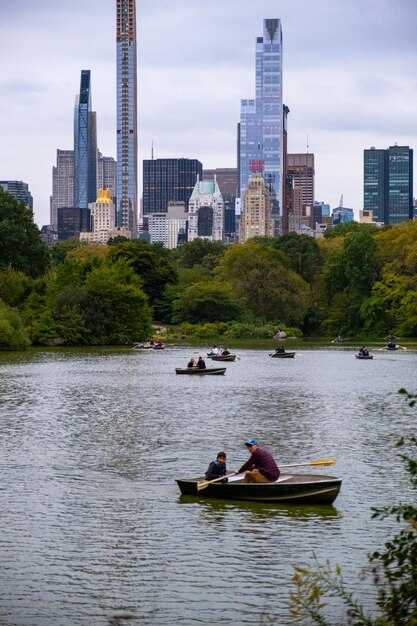 Top 10 Sights to See from a Boat in New York City">

Prenota in anticipo una crociera di due ore nel porto in mattinata per goderti la luce migliore e le acque calme. Questa opzione ufficiale parte da un molo centrale e fornisce un facile accesso con una piattaforma vicino alla passerella, rendendo l'imbarco rapido e confortevole.
Dall'acqua, si ottengono tre punti di osservazione distinti: la Statua della Libertà ed Ellis Island sul lato sud, lo skyline costruito in acciaio e vetro della Lower Manhattan vicino al Financial District e le sagome dei ponti sull'East River verso Brooklyn. Il percorso include diverse vedute che cambiano con la corrente e la brezza, offrendoti opzioni per testare la tua fotocamera e trovare le tue angolazioni migliori.
Dipinti di luce fluttuano sulle facciate vetrate mentre il sole sorge, dipingendo il One World Trade Center, l'Empire State Building e le nuove torri con toni caldi. Se desideri silhouette classiche, vola durante l'ora d'oro e punta a un passaggio verso ovest per le tonalità del tramonto sul fiume.
Le principali tappe da non perdere sull'acqua includono (1) la Statua della Libertà vicino a Liberty Island, (2) lo skyline lungo la costa di Battery Park a Manhattan e (3) il ponte di Brooklyn incorniciato sopra Governor's Island e il porto. Ogni tappa offre la sua opportunità fotografica e la possibilità di ammirare diversi stili architettonici in un unico viaggio.
Per massimizzare il valore, includes A bordo di alcuni traghetti sono disponibili snack e bevande, ma puoi anche mangiare qualcosa acquistato nei mercati vicini prima della crociera. Porta con te una giacca leggera, un treppiede compatto e un teleobiettivo per ingrandire i dettagli sulla sponda dell'isola e poi passare a un'inquadratura ampia dell'intero porto.
Se desideri un'esperienza più fluida, scegli un platformopzione di posto a sedere in base ai posti disponibili e sedetevi sul lato di dritta per una vista migliore dello skyline mentre viaggiate verso nord. Il process è semplice: arrivare 15 minuti in anticipo, controllare i gate d'imbarco ufficiali e prepararsi per un bel viaggio con venti costanti e visuale libera in seguito.
Durante il tragitto, potrai ammirare tre quartieri distinti, ognuno con la sua atmosfera particolare, e potrai programmare un'escursione successiva per esplorare i parchi e le baie vicine. Se desideri più tempo, sposta i tuoi biglietti per una partenza successiva e poi esplora a piedi fino alla riva del fiume per goderti l'aria fresca e i bei panorami del tramonto.
Il meglio di New York via acqua: consigli pratici per la visuale e punti di riferimento salienti
Sali sul traghetto di Staten Island all'alba per una vista ravvicinata e gratuita della Statua della Libertà e della parte bassa di Manhattan. La corsa dura circa 25 minuti a tratta, con partenze all'incirca ogni 20 minuti nelle ore di punta. Siediti sul lato di dritta all'andata e guarda la torcia illuminarsi e le guglie del distretto finanziario ergersi mentre l'acqua increspa.
Da lì, fai un giro verso Ellis Island e Battery Park per catturare le silhouette architettoniche del One World Trade Center e una serie di torri storiche. Questa lista di scatti presenta un mix di dettagli monumentali e delicati, tra cui gli archi del Brooklyn Bridge e la guglia del Woolworth Building che fa capolino sopra lo skyline. Vedere più punti di riferimento in un'unica inquadratura offre un senso di scala e continuità attraverso il porto.
Personalmente, metto una mirrorless Sony con un obiettivo 24-70 e un monopiede compatto nella tasca della giacca – una giacca seria, non un cappotto ingombrante. I finestrini più grandi sul ponte offrono un'inquadratura stabile, ma è meglio spostarsi man mano che la barca va alla deriva. Un polarizzatore aiuta quando il sole si riflette sull'acqua; tieni una batteria di riserva e la ricevuta di eventuali biglietti del porto in una tasca facilmente accessibile. Trovare nuove angolazioni richiede pazienza; la panoramica da una sponda all'altra rivela sottili cambiamenti di luce e colore.
Nei fine settimana, turisti e residenti si mescolano lungo i binari; i visitatori asiatici spesso si posizionano vicino alla parte anteriore per la luce migliore. Fai attenzione agli spruzzi e al riflesso e cerca le sagome degli edifici sullo sfondo del cielo mattutino per creare contrasto tra mattoni e vetro. Hanno condiviso molte storie sullo skyline in evoluzione della città e puoi aggiungere la tua in una rapida sequenza di scatti che ti piacerà rivisitare in seguito.
Ecco un piano semplice per sfruttare al massimo la tua giornata: inizia con il traghetto, poi prova una crociera nel porto che fa il giro tra Governors Island e Roosevelt Island per catturare diverse angolazioni e riflessi. Avventurarsi oltre il percorso principale rivela viste nascoste dei grattacieli di Midtown e degli archi dei ponti, il che ti aiuta a trovare gli angoli tranquilli dove la luce colpisce nel modo giusto fino al tardo pomeriggio.
Iscriviti a una newsletter sul lungomare di New York per ricevere promemoria sull'illuminazione stagionale e sui nuovi punti di vista che mettono in risalto. Ti indicheranno i momenti in cui la folla si dirada e quando appaiono i migliori momenti fotografici, così potrai pianificare i tuoi passaggi e prepararti di conseguenza, tenendo gli occhi aperti per le rapide esplosioni di colore sulle guglie.
Scegliere un percorso lungo il fiume ti aiuta a inquadrare la statua in molteplici contesti e a cambiare l'angolazione da ampia a intima; puoi creare un piccolo set di immagini che raccontano diverse storie da una singola uscita. La statua rimane centrale, ma gli edifici circostanti - prodezze architettoniche, guglie, facciate in mattoni e torri di vetro - forniscono un ricco contesto che vorrai studiare ad ogni passaggio.
Tenere gli occhi sull'acqua regala una memorabile collezione di scene, e l'esperienza può essere estesa tornando in un giorno diverso con un'illuminazione differente. Gran parte della magia sta nel tempismo, nell'attrezzatura che porti con te e nella pazienza di aspettare un momento in cui la linea di vista si allinea con un picco di riflessione o una diagonale perfetta di un camino o una guglia.
| Punto di riferimento | Visualizzazione Ottimale Da | Finestra temporale | Tips |
|---|---|---|---|
| Statua della Libertà | Ponte del traghetto di Staten Island; partenze da Battery Park | Dall'alba al primo mattino | fotocamera Sony con obiettivo 24-70; giacca adatta; finestre del ponte più grandi; conservare la ricevuta |
| One World Trade Center e Downtown | Percorso del traghetto verso nord; punto panoramico di Governors Island | Luce del mattino (7–10) | Posizionati sul lato di dritta; usa un obiettivo medio-lungo; fai attenzione ai riflessi. |
| Brooklyn Bridge & Spires | Attraversamenti dell'East River; percorsi dei taxi acquatici | Metà mattinata - primo pomeriggio | Grandangolo per includere gli archi; includi la guglia del Woolworth Building |
| Empire State Building e Midtown | Moli di LIC; Roosevelt Island | Late morning | Inquadra con altre torri; regola l'esposizione per catturare i contrasti tra mattoni e vetro |
| Woolworth Building & Flatiron | Traghetti per Lower Manhattan; Governors Island | Late afternoon | Riflessi sull'orologio; il polarizzatore aiuta; riflessi sui mattoni rossi |
| Governors Island Skyline | Molo di Governor's Island; rive del porto | Sunset | Adatto a treppiedi su ponti stabili; cattura lunghe esposizioni |
| Roosevelt Island & Complesso delle Nazioni Unite | Sponda di Roosevelt Island; lato Queens | L'ora d'oro verso il crepuscolo | Incorniciare in verticale includendo le linee del fiume e i campanili; tenere gli occhi puntati sui cambiamenti di luce |
Statua della Libertà ed Ellis Island: Angolazioni per la fotografia con vista sul porto
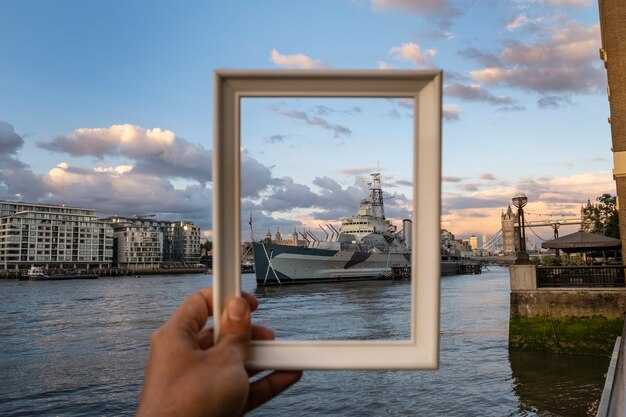
Utilizza un obiettivo grandangolare sul lato di dritta per catturare la Statua della Libertà con Ellis Island in un'unica inquadratura; questo creerà un layout pulito che manterrà entrambi i punti di riferimento visibili mentre il traghetto attraversa il porto di New York.
Dal ponte del traghetto, spostati al lato opposto del parapetto per vedere due angolazioni diverse: la Statua della Libertà sul lato più vicino e Ellis Island sullo sfondo. La coppia offre uno stato d'animo differente e ti aiuta a creare varietà nei tuoi scatti, così puoi vedere come cambia la luce e attraverso diverse condizioni.
Attrezzatura e impostazioni della fotocamera: rimanere a mano libera per muoversi con la nave, utilizzando ISO 100–400, otturatore 1/250–1/500, diaframma f/8–f/11 per i dettagli. Uno zoom 16–35 mm o 24–70 mm copre inquadrature ampie e strette; insieme a un polarizzatore per ridurre il riverbero se il sole è alto. Tieni gli occhi puntati sui punti di riferimento e osserva i ponti pubblici per la folla e gli eventi, per evitare fotogrammi persi e preservare le linee pulite di Liberty ed Ellis Island.
Consigli per l'orario: la mattina presto o il tardo pomeriggio offrono la luce migliore; fai attenzione ai riflessi sull'acqua calma e utilizza inquadrature verticali per enfatizzare l'altezza. L'atmosfera del porto cambia con il tempo; ci sono diverse opzioni durante il giorno, quindi puoi creare sia silhouettes drammatiche che ritratti dettagliati.
Dopo il tuo ritorno, rivedi in seguito gli scatti sul tuo dispositivo e scegli 3–5 preferiti da condividere con i media o in un post pubblico; aver visitato NYC in precedenza potrebbe offrire un ricordo diverso e potresti notare la stessa vista vista da un traghetto anche a Boston.
Skyline di Midtown e Downtown: Migliore inquadratura dai percorsi dell'East River e dell'Hudson
Inizia con il Gantry Plaza State Park sull'East River per un'audace inquadratura di Midtown, poi spostati verso i punti panoramici di Hudson per completare la silhouette di Downtown. Questo approccio ti offre due look distinti in un unico viaggio, con spazio sufficiente per sperimentare tra i vari punti.
Percorso sull'East River: scegliete punti che mantengano Midtown nitida sullo sfondo di acqua e cielo, riducendo al minimo i riflessi e la folla. Ogni luogo offre una diversa linea dell'orizzonte, in modo da poter testare una sequenza rapida e scegliere l'aspetto che vi sembra più incredibile.
- Gantry Plaza State Park (Long Island City) – ampie viste frontali dello skyline di Midtown con l'Empire State Building e il Chrysler Building allineati lungo il fiume. Ideale durante l'ora blu; porta con te un telefono con zoom rapido e un treppiede leggero, se ne hai uno. Questa location all'aperto include una linea di demarcazione dell'acqua nitida e un primo piano basso, il che rende lo scatto più ampio.
- Roosevelt Island, South Point – ruota l'angolazione per catturare l'arco del Queensboro Bridge sull'acqua mantenendo gli edifici di Midtown nell'inquadratura. È un'immagine compatta ma dall'aspetto cinematografico, e puoi passare a un'inquadratura più stretta con un obiettivo più lungo per isolare le forme degli edifici.
- Battery Park Esplanade e la curva di Ellis Island: da qui potrai immortalare il complesso di Downtown con la Statua della Libertà sullo sfondo. Verifica l'orientamento del tramonto per assicurarti che i grattacieli non siano oscurati dal riverbero; un polarizzatore può essere d'aiuto se stai verificando le condizioni di luce in una serata intensa.
Itinerario Hudson: per un effetto scenografico del centro città, posizionarsi lungo il fiume dove parchi, moli e aree verdi di Hudson Street si allineano con le guglie di Lower Manhattan. Questo lato offre spesso ombre e riflessi più suggestivi, quindi pianificate una sequenza flessibile e verificate in anticipo le condizioni meteorologiche.
- Chelsea Piers e le terrazze panoramiche dell'Hudson River Park incorniciano lo skyline con l'acqua come uno specchio; regola l'angolazione per includere la silhouette del centro città. Un obiettivo più lungo aiuta a comprimere lo skyline, mentre un grandangolo cattura l'ampiezza del fiume.
- Riverside Park South (da West 72nd Street alla 96th Street) – uno sfondo più stabile e residenziale, ideale per composizioni più tranquille che comunque mettono in risalto l'altezza di Midtown. Cerca le linee degli alberi o delle ringhiere per guidare l'occhio verso One World e le guglie in alto.
- North Cove Marina e Battery Park City Esplanade – questi luoghi offrono scatti ravvicinati del distretto finanziario di Downtown, con i bagliori di Ellis Island e le luci del porto che esaltano la profondità. Se viaggiate leggeri, un teleobiettivo compatto può catturare i dettagli di Downtown senza affollare l'inquadratura.
Consigli per migliorare l'inquadratura in entrambi i percorsi: arrivare presto per assicurarsi un primo piano più pulito e utilizzare un ISO basso per ridurre il rumore negli scatti al crepuscolo. Avere un piano di riserva in caso di nuvolosità: un cielo nuvoloso può produrre silhouette più morbide, mentre un cielo limpido offre una geometria nitida delle torri. I turisti menzionano spesso l'emozione di confrontare le inquadrature di New York con quelle di Philadelphia, Boston o Washington; usa questa prospettiva per giudicare quando una data angolazione risulta più iconica.
Preparazione pratica e approccio sul posto: porta con te spazio di memoria sufficiente e un telefono carico per controlli rapidi, e-mail e condivisione di scatti con i compagni di squadra. Se sei un fotografo o un viaggiatore, tieni a portata di mano un treppiede leggero e una batteria di riserva nel tuo kit per esterni. Controllare il vento e gli spruzzi del fiume ti aiuta a proteggere l'attrezzatura e i vestiti, soprattutto vicino ai punti panoramici di Ellis Island. Per un servizio fotografico completo, includi sia un obiettivo grandangolare che un teleobiettivo e pianifica una finestra di 2-3 ore per coprire le transizioni della blue hour.
Sequenza raccomandata per una sessione fluida: iniziare al Gantry Plaza State Park per assicurarsi l'inquadratura dell'East River, poi spostarsi a Chelsea Piers o Riverside Park per immortalare il lato Hudson; concludere al Battery Park Esplanade per le luci notturne. Questo approccio si adatta a un itinerario compatto e aiuta a rimanere in linea con le proprie foto mentre si gestiscono luce, folla e riflessi.
Nota pronta per il telefono: molti angoli in questi punti funzionano bene con uno scatto veloce dal telefono mentre cerchi composizioni, per poi passare a una fotocamera dedicata per scatti di qualità superiore. Il risultato sarà incredibilmente cinematografico e ti porterai a casa un catalogo di inquadrature che turisti e residenti locali invidieranno. Se stai inviando via email un resoconto di viaggio, puoi includere un breve elenco dei punti migliori e un paio di consigli su cosa mettere in valigia per aiutare i lettori a pianificare i propri servizi fotografici all'aperto nel Midtown e nel Downtown.
Ponti iconici dall'acqua: punti di vista dei ponti di Brooklyn, Manhattan e Williamsburg
Ammira la vista sull'acqua del ponte di Brooklyn all'alba; questa destinazione offre punti salienti che appaiono diversi a ogni minuto di luce. La scia della barca riempie la parte inferiore dell'inquadratura e gli archi si illuminano magnificamente mentre lo skyline si risveglia. Quando condividi il momento con tutti a bordo, negli occhi di alcuni potrebbero apparire lacrime di stupore.
Il Ponte di Brooklyn, visto dall'acqua, offre un quartetto di panorami: gli archi in pietra, i cavi intrecciati, le imbarcazioni che solcano il fiume e lo skyline che si erge sullo sfondo. Per l'attrezzatura, porta con te un obiettivo versatile (24-70 mm) per coprire sia le scene ampie che i ritratti ravvicinati; con ogni scatto catturerai il luogo e i suoi punti salienti, e scoprirai che le foto vengono rapidamente quando la luce regge.
Il Manhattan Bridge dall'acqua crea una storia diversa: le travature reticolari in acciaio formano una griglia decisa mentre ti dirigi verso la costa di Manhattan. L'ingresso sul lato est di Canal Street segna il momento perfetto per cambiare inquadratura; controlla online per programmare il tuo avvicinamento e ascolta lo staff per avere il punto di osservazione migliore.
Il Williamsburg Bridge offre un arco più lungo e arioso e viste verso il Queens; qui la luce del fiume spesso rende le torri come dipinte, con la trama dei cavi che ricorda i dipinti. Dall'acqua, noterai i collegamenti tra le campate e gli isolati della città: un'idea che chiunque ami la geometria urbana apprezzerà. Se stai navigando con gli amici e hai voglia di linee scenografiche, questo è il posto giusto.
Consigli pratici per sfruttare al meglio ogni traversata: partite presto per evitare la folla; portate con voi bagagli leggeri, una mappa salvata online e un treppiede compatto se scattate foto a lunga esposizione sull'acqua. Se rimanete in città per qualche giorno, la citypass può aggiungere valore ai tour in barca; i visitatori canadesi spesso partecipano a questi tour e soggiornano vicino al molo per trasferimenti rapidi. Inoltre, controllate gli orari di ingresso, chiedete all'equipaggio quali sono le angolazioni migliori e prendetevi qualche minuto per camminare lungo i ponti e i corridoi della nave per linee stabili e ampie.
Isole, parchi e lungomare: scorci di Governors Island, Roosevelt Island e Battery Park
Inizia da Governors Island per la luce portuale più vicina, poi prosegui verso Roosevelt Island e concludi a Battery Park per i riflessi del tramonto.
-
Governors Island
Prendi il traghetto di Manhattan dal terminal di Whitehall; la corsa dura circa 7-12 minuti e i panorami arrivano velocemente. Troverai spazio per vagare su sentieri senza auto, splendidamente incorniciati da scorci sull'acqua e sullo skyline che ti ricordano che questo mondo è raggiungibile in poche rotazioni del volante. Se hai in programma una breve sosta, porta con te una giacca leggera e una mela per uno spuntino veloce; ti sentirai ben preparato, a prescindere dalla brezza.
In sintesi, cosa vedere: The Hills offre scorci verso Lower Manhattan, mentre Fort Jay e Castle Williams offrono una doppia dose di storia e angolazioni perfette per le foto. Nolan Park e Colonels Row ospitano mostre d'arte a rotazione e piccole collezioni di artisti locali, a testimonianza del fatto che la cultura viaggia con l'isola. Un buon libro o una mappa aiutano a scegliere i percorsi senza perdere tempo.
Idee per foto e itinerari: inizia vicino all'attracco del traghetto, cammina verso le colline per viste panoramiche sul porto, poi prosegui verso le zone del quartiere storico: ogni angolo offre un'inquadratura diversa per gli occhi. Se porti qualcuno con te, pianifica un percorso ad anello che termini sul lungomare per rispecchiare la luce riflessa della città nel porto.
- Note pratiche: controlla la ricevuta quando noleggi le bici; gli orari di riconsegna sono importanti se devi prendere treni per tornare alla città principale. L'atmosfera open-air dell'isola rende facile creare un itinerario personale che si adatti ai tuoi ritmi.
- Segnali nelle vicinanze: riferimenti alla zona di Columbia e bagliori di skyline lontani si connettono alla storia costiera del paese e al suo dialogo continuo con arte, storia e viaggi.
-
Roosevelt Island
Attraversa Roosevelt Island con l'iconica funivia: la cabina viaggia dalla 59th Street all'isola in circa quattro minuti e le pareti a specchio offrono prospettive dinamiche per la tua prima occhiata alle torri di Midtown. La linea F della metropolitana ferma a Roosevelt Island, offrendo un percorso alternativo rapido se ti sposti tra i quartieri; il viaggio è diretto e la zona trasmette una sensazione di calma dopo il trambusto di New York.
Luoghi e atmosfere chiave: Il Four Freedoms Park sulla punta meridionale àncora una zona tranquilla e riflessiva dove la storia dell'isola si fonde con viste moderne. L'Octagon, un edificio storico con un interno circolare dalle pareti di vetro, aggiunge un tocco di mistero e un bel fondale per le foto. Southpoint Park incornicia lo skyline con un ampio e aperto palcoscenico per le conversazioni, e una passeggiata lungo il lungomare offre viste sul fiume verso il Queens e la città.
Preparati per una visita rilassata e pratica: le cabine del tram e i collegamenti con i mezzi pubblici rendono facile pianificare un circuito compatto adatto a chiunque. ist 音 источник: Le pagine di NYC Parks e Roosevelt Island Operating Corp forniscono orari e mappe ufficiali. L'area offre una chiara idea di come la città si proietta sull'acqua, un promemoria che i diversi quartieri del paese condividono tutti un unico orizzonte. Se sei curioso di sapere come la città si connette, noterai i segnali del campus della Columbia nelle vicinanze che catturano la luce del pomeriggio; anche se non visiti direttamente la Columbia, la vista riecheggia un mondo più ampio e i suoi studi.
-
Scorci di Battery Park
Battery Park si trova sulla punta meridionale di Manhattan, a un breve tragitto in traghetto da Liberty Island ed Ellis Island. Qui si percepisce il battito della storia: le storie di immigrazione, vittime e trionfi di Ellis Island sono impresse sul bordo dell'acqua, e la testimonianza concreta di questa storia è il trambusto quotidiano di traghetti e visitatori. L'Esplanade permette di camminare lungo il porto e il Castle Clinton National Monument aggiunge una tappa scenografica e compatta prima di proseguire.
A cosa dare la priorità per una vista mozzafiato: la Statua della Libertà che si erge all'orizzonte, il porto che luccica di navi e l'illuminazione attorno a Bowling Green e alla giostra Seaglass che aggiunge un bagliore giocoso. Se hai poco tempo, dai la priorità al sentiero del lungomare di Battery Park per foto rapide e la visibilità del traghetto per Liberty Island, quindi dirigiti verso Ellis Island per un giro compatto e significativo.
Consigli per rendere la visita più agevole: prendete un traghetto da Battery Park per Liberty Island o Ellis Island; la durata del tragitto è solitamente di 15-20 minuti a tratta e vi consigliamo di tenere a portata di mano una guida tascabile o un libro nel caso in cui vogliate fermarvi un attimo a riflettere. Portate con voi acqua e uno spuntino leggero; una piccola mela è un'ottima opzione, comoda e pratica. La zona ha una storia ricca e stratificata: Castle Clinton ricorda il ruolo dell'isola come prima difesa e magazzino per gli arrivi; l'attuale passeggiata offre uno spazio moderno e ben curato dove chiunque può godersi il panorama.
Fonte: le mappe ufficiali del NYC Parks e gli orari dei traghetti forniscono i dettagli aggiornati per tutte e tre le località, aiutandoti a pianificare la sequenza più adatta alla tua giornata.
Orari, Posti a Sedere e Meteo: Come Massimizzare il Comfort e la Luce Durante un Tour in Barca
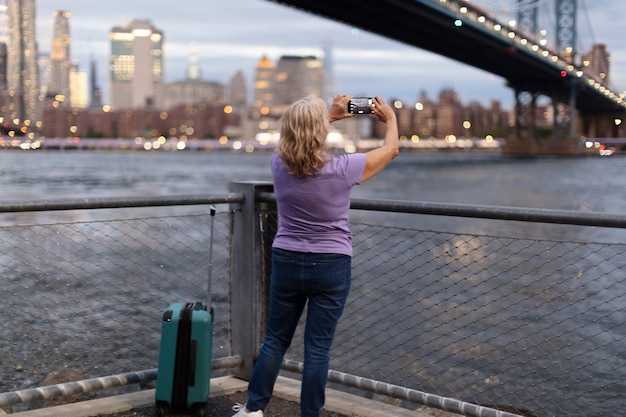
Prenota una navigazione nel tardo pomeriggio intorno all'ora d'oro (circa 45 minuti prima del tramonto) e scegli un posto a prua, sul lato sinistro del ponte scoperto. Questa luce viva fa brillare lo skyline di New York e l'acqua si trasforma in un bianco splendente, riflettendo magnificamente le sagome scure dei ponti. Ecco perché questo tempismo funziona per la fotografia personale; un fotografo itinerante può allineare la fotocamera per catturare i riflessi sulle isole, e la nave diventa un museo in movimento. Il источник conferma che la luce a questa angolazione rimane soffusa e lusinghiera, e prenotare tramite Omio aiuta a coordinare i tempi.
La disposizione dei posti a sedere conta più di quanto ti aspetti. Meglio sedie scoperte lungo la ringhiera, idealmente a centro barca dove puoi girarti seguendo la deriva verso Battery Park e Governors Island. Se desideri flessibilità, scegli una panchina con una rotazione rapida per passare a una posa soleggiata o a un angolo ombreggiato senza perdere un colpo. L'atmosfera del porto sembra un villaggio galleggiante e gli specchi sulle ringhiere possono far rimbalzare la luce in modi fantastici che rivaleggiano con qualsiasi museo cittadino.
Il tempo atmosferico domina la scena. Controlla le previsioni e vestiti a strati; un giubbotto antivento leggero e un cappello con visiera ti proteggono dagli spruzzi e dal riverbero. Nelle giornate luminose, gli scafi bianchi e l'acqua cristallina producono forti riflessi, quindi occhiali da sole e crema solare sono un must; le giacche più scure aiutano a ridurre il riverbero per il lavoro con la fotocamera. A volte una forte brezza laterale fa sembrare l'ambiente simile a Boston e potrebbe essere necessario modificare la propria posizione; continua a muoverti lentamente per stare comodo ed evitare scatti frettolosi.
Light and camera tips. Shoot with the sun behind you when possible to keep details sharp on the city’s towers; a longer lens helps isolate monuments while the boat drifts. Bring a compact camera or a phone with a good HDR mode; you can still grab crisp frames even as the vessel leans. Use the mirrors smartly to preview angles, and don’t be afraid to take a quick sequence to pick the best moment.
Five quick moves to maximize comfort and light. 1) arrive early to board before crowds; 2) layer for wind; 3) stay in seats that align with the sun angle; 4) keep a microfiber cloth handy for lens glare; 5) test exposure and white balance as you drift past a landmark. Always traveling with a buddy can give you idea-backed feedback and you can capture more personal shots that feel like a living memory.
With these steps, you stay comfortable and ready to frame iconic nycs vistas that rivals cannot match, turning a routine tour into an awesome, camera-friendly experience.