


 Italiano
  English (UK)
  Русский
  العربية
  日本語
日本語  한국어
한국어  Magyar
  Türkçe
  Español
  Čeština
  Svenska
  Português
  Ελληνικά
  Suomi
Suomi  Nederlands
  Română
  Français
  Polski
  Українська
  Deutsch
  简体中文
简体中文  Slovenčina
  Top 10 Lakes Every Boater Should Visit in the U.S.">

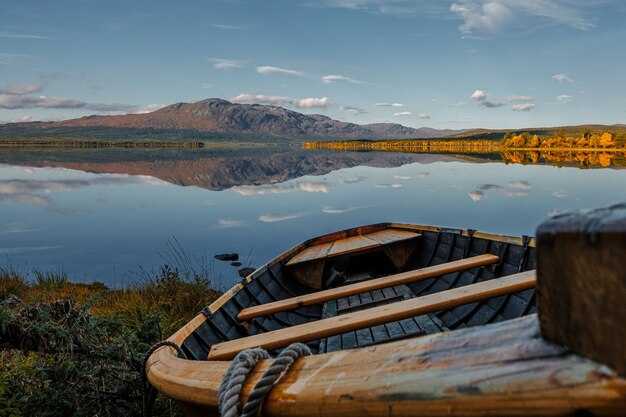
Start with Lake Superior as your first pick. This vast body of water offers dramatic horizons, steady breezes, and a scale that makes long routes feel achievable. Its west-facing shoreline and northern weather patterns create reliable windows for a day on the water or a weeklong cruise with family and fellow boats and boaters. For boats of all sizes, the calm bays and open lanes invite different styles of cruising.
Across the Great Lakes, each lake presents a distinct canvas. Together they cover nearly 95,000 square miles of surface and thousands of miles of shoreline. Lake Michigan lends long, sandy beaches and protected harbors; Lake Superior pushes toward open water with rugged headlands; Erie invites quick hops into shallow bays where watersports thrive during late spring and summer.
For fans of manmade water bodies, Lake Powell and Lake Mead show how reservoirs can deliver scenery and scale on demand. They offer long ramps, clear water, and weather windows that support wakeboarding, tubing, and cruises for fellow boaters who plan a big day on the surface.
In the West, Lake Tahoe stands out for alpine clarity and consistent wind patterns. With a surface near 191 square miles and depths well over 1,000 feet, Tahoe rewards careful planning with long stretches of glassy water and pine-lined shorelines–perfect for sun, shade, and wildlife watching. Forecasts can shift from calm to brisk faster than you expect, so check conditions before you head out.
To the Northeast, the Finger Lakes region offers a compact yet powerful boating corridor. Owasco, Cayuga, and Seneca lakes feature strong afternoon breezes, clear water, and accessible marinas that make day trips easy for families and clubs. This setup is a good fit for weekend trips and casual cruising. The seasonal schedule stays friendly for weekend launches and shore town dinners after a day on the water.
In Florida, Lake Okeechobee provides warm days, shallow bays, and ramps that invite weekend sailors and paddlers. In the West, Lake Shasta adds big water, reliable ramps, and nearby resorts for longer runs when you want to extend a loop from coast to inland country.
Below you’ll find a practical overview with launch spots, best seasons, and safety notes to help you visit these lakes with confidence.
Top Lakes for Boaters in the U.S. – Torch Lake, MI Feature
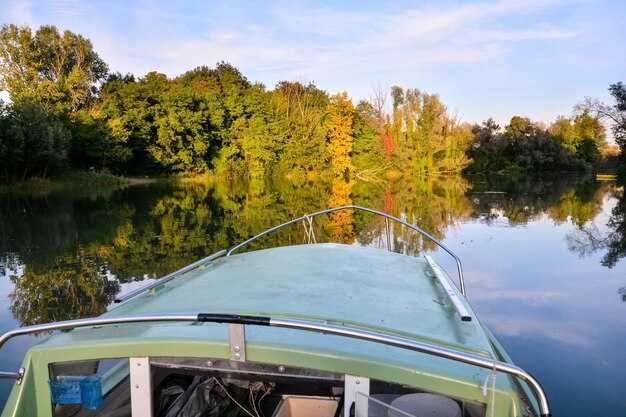
Begin with a morning motor cruise on Torch Lake to traverse its long waterway and park at a slip before heading for a lakeside dining option to fuel up.
The natural clarity and pristine waters around the Torch Lake sandbars create scenery that boaters remember. Torch Lake supports a range of craft, from compact kayaks to larger yachts, with careful routing along the main channels and the shallow coves ideal for family days during the summer. Bring enough fuel and a clean line of sight to keep you on the marked routes as you explore the inlets.
For a practical plan, start at Alden or M-88 access, then traverse across to Bellaire, dipping toward natural bays, with a stop for dining in one of the lake towns. If you own a yacht or rent a motorboat, you can run a circuit that covers across several coves and finishes back near the main entry before sunset. Features like a protected lee, easy anchorage, and calm mornings make Torch Lake easy to enjoy.
Public park launches and private slips cater to visitors; you can find a slip in marinas near Bellaire or Alden, with plenty of options for parking and gear storage. Consider a morning kayak session to enjoy the calm, then switch to motor for longer distances to cover more water across the eastern arm and back to your dock. texas and california visitors often bring stylish vessels, adding to the mix and keeping the vibe welcoming to all.
Nearby towns offer dining options, park-side picnics, and short routes to scenic overlooks that let you stretch your legs after time on the water. This bucket list-worthy setting makes Torch Lake a standout because of its natures and pristine shores, while nearby lakes in the chain provide enough variety to inspire another day on the water.
Whether you’re cruising in a small motorboat or renting a yacht, Torch Lake delivers clear depths, favorable winds, and a well-kept shoreline that invites you to traverse again. The name Torch Lake signals quality among U.S. boater favorites, and its features–sandbar access, protected coves, and easy slips–make it a reliable choice for a full day of relaxation, dining, and exploring across the waterway with friends and family.
Torch Lake, MI: Boating hotspots, coves, marinas, and access points
Launch from Torch Lake Marina near Alden and keep to the western shoreline to reach sheltered coves and easy access points.
Torch Lake is the second-largest natural lake in Michigan by surface area, spanning roughly 28 square miles and featuring about 40 miles of shoreline, making it a prime playground for boaters from Milwaukee and beyond.
Marinas along the coast – including Torch Lake Marina – and public access points on both ends provide fuel, slip space, and quick routes to coves. Never crowd busy docks, and keep a safe distance from anchored boats.
Hotspots along the north shore near Alden offer calm coves ideal for swimming and sunset shots; the blue water and shoreline views feel like a coastal resort, though the lake remains natural and welcoming.
Keep to the posted wake zones; conditions shift with the breeze, but blue water and open water cruising invite windsurfing and relaxed days on the water. Camping options nearby let you extend your stay without extra hassle.
Named bays are a part of Torch Lake’s appeal; unlike crowded inland lakes, Torch Lake provides a mix of recreation, scenery, and easy coast access for every type of boater.
For a stay that keeps your plans flexible, bring provisions, stay below crowded speeds in coves, and youll discover that the coastal atmosphere, several marinas, and public ramps offer a seamless loop from day trips to weekend getaways.
Launch ramps, docking, and nearby facilities: where to start on Torch Lake
Start at the Alden public launch on Torch Lake’s southern shore for fast access to the main waterway. The ramp handles standard trailers, parking is straightforward, and youll be on the surface within minutes. Nearby marinas offer rentals and quick-dock slips, so you can plan a short cruise and return for breakfast or a coffee in town. This setup is a perfect base for new boaters who want easy access and reliable facilities.
Boaters can dock at the Alden municipal dock or at private slips along the northern shore marina. If you need a longer stop, reserve a slip or use the day dock; mooring buoys mark the best approach to tie up without blocking the waterway. During peak season, arrive early to secure a slip. Nearby facilities include restrooms, potable water, a small museum, and a cafe that serves a quick breakfast. If you need to leave gear, secure lockers are available near the dock. Youre sure these options keep you comfortable while you explore.
Consider a paddling loop along Torch Lake’s northern shoreline to explore bays and surface features, with classic rock shelves and clear water offering great views for boaters during a morning cruise. Rentals for pontoons, kayaks, and SUPs are available at nearby marinas, so youll have flexible means to explore. The region hosts bass and other species that attract anglers, and a small museum on local lake history gives a quick, educational stop after your run.
For a smooth launch and docking, check wind conditions and plan your day around the northern arm’s calmer pockets. Use the designated parking areas and follow posted signs to avoid blocking the waterway. When docking, move slowly, secure lines short, and leave space for others to maneuver. These practices keep the lake accessible for boaters of all levels.
If youre new to Torch Lake, start with the public ramps near Alden, then search for york-area marinas that offer fuel, snacks, and fishing gear. The fort shoreline marker is a helpful landmark for adjusting your route, and the golf courses nearby give a pleasant post-cruise option. Once you have the means to plan, youll have confidence and never doubt where to begin and how to optimize a day on the lake.
Safety and navigation: local regulations, buoys, speed zones, and PFDs
Always verify local regulations before you depart and wear a USCG-approved PFD for every person on board. Ensure the vest fits properly and is readily accessible; children must wear PFDs while the boat is underway. Keep a whistle, flashlight, and a bailer bucket on deck, along with a spare PFD for emergencies.
Learn buoy colors and shapes before you launch. Red markers mark the right side of the channel when returning to shore, green markers the left; white buoys indicate channels, hazards, or regulatory information. Stay in the waterway and avoid tight turns near docks, shallow bars, or shorelines where wake can cause erosion.
Know the posted speed zones along your route. No-wake zones require 0 mph within the marked area; allow extra distance from shore, docks, and swimmers. In the second-largest waterway in the region, expect stricter enforcement and more regulatory signs; always obey posted limits and adjust for weather, visibility, and traffic.
PFDs require inspection and maintenance: check for tears, missing straps, or loss of buoyancy; replace damaged units. Store life jackets in a dry place, away from heat under seats; keep a spare on board and consider labeling gear locations to speed a rescue if needed. In california parks and marine areas, extra care helps you stay compliant and safe.
Following rules protects lives and preserves the heart of boater culture. When you love the water, you also protect the waterway and the people who search scenic coves and park areas. Nestled along every coast, communities share classic memories on the water, and safety today makes tomorrow’s bucket-list trips possible.
Best timing and conditions: wind, water clarity, crowds, and seasonal tips
Plan weekday dawn sessions for calm water, light crowds, and steady winds. Target late spring through early fall when conditions are stable and water is warm enough for comfortable cruising. Lake Michigan is the second-largest of the Great Lakes by surface area, and its long coastlines and sheltered bays provide good opportunities for early-morning launches. Look for facilities that border scenic routes and make note of small isle-friendly coves that offer protected water around busy shorelines.
Wind matters most for planning your course. A steady 5–15 mph breeze from the south or southwest yields smooth planing and confident handling, especially for bass boats, sailboats, and windsailers. If gusts rise above 20 mph, switch to sheltered coves or shorten the course to keep speed manageable and avoid chop that can rattle equipment. Windsurfing activity nearby can signal consistent wind, but also watch for crowded launch ramps that push you to adjust timing.
Water clarity affects navigation, anchoring, and spotting markers. In summer, visibility commonly sits around 10–20 ft, with improvements after frontal passages and reductions during algal blooms in heat. Clear water helps you read shoals and fish habitat–which means you can choose routes with fewer hazards and more direct access to shoreline features. If you see turbidity spiking, recalculate your course to stay away from surge-prone inlets and shallows that border rocky edges and reeds.
Crowds shape your plan as much as wind and water. Weekends and holidays draw a higher population of boaters around popular coastlines and bays, so leave early or target midweek launches to find good slip availability and fewer wake disruptions. If you encounter bassmaster or other tournament events, adjust your course away from crowded launches and follow posted advisories to keep the day running smoothly for fellow boaters and competitors alike.
Seasonal tips help you read the calendar and stay ahead. Spring brings cooler water and sometimes gusty fronts, so bring extra lines and a spare prop; plan for earlier departures to avoid late-morning crowds. Summer demands hydration, sun protection, and a flexible plan around local events and sunset schedules; consider inlets or bays with cooler water and calmer winds for a comfortable long run. Fall offers stable winds and higher clarity, ideal for longer treks along the scenic coast with a home base at a harbor that has good moorage. Winter boating exists in limited form on some lakes; check ice thickness, local rules, and safety torch-lane guidelines before you leave the dock, and keep to shorter, well-marked routes if ice conditions allow. Other lakes will have a different tempo, so map out a course that suits your boat type and the kinds of water you prefer.
| Season | Best wind window (mph) | Water clarity (ft) | Crowds | Seasonal tip |
|---|---|---|---|---|
| Spring | 5–12 | 6–14 | Low–Moderate | Book early May launches; expect variable fronts; use sheltered coves for calm starts. |
| Estate | 8–15 | 10–25 | In alto nei fine settimana | Giorni feriali target; pianificare per i tramonti d'ora d'oro; monitorare eventi come bassmaster nelle vicinanze. |
| Autunno | 10–20 | 15–30 | Moderate | Eccellente visibilità; usa le brezze per rinfrescare il vento; esplora baie con acque calme al mattino. |
| Inverno | 12–25 | Variabile (ghiaccio) | Low | Sicurezza sul ghiaccio prima di tutto; controllare gli avvisi; se consentito, pianificare percorsi brevi e ben segnalati e utilizzare una torcia per la visibilità. |
Pianificazione del viaggio: itinerari di esempio che collegano Torch Lake con altri laghi principali degli Stati Uniti
Pianifica un giro di 5–7 giorni sul Torch Lake: soggiorna per due notti sul Torch Lake, fai una crociera verso Grand Traverse Bay e, a differenza delle vacanze tropicali, goditi acque blu, riva immacolata e colazione sul ponte mentre tracci il percorso intorno all'area.
-
Itinerary A: Grande Lakes loop – Torch Lake, Lago Michigan, Lago Huron
- Giorno 1–2: Inizia a Torch Lake, lancia un'imbarcazione, soggiorna in un accogliente lodge chiamato Lakeside Haven; goditi la colazione sul molo con l'acqua blu ai tuoi piedi.
- Giorno 3: Viaggio verso Grand Traverse Bay lungo la costa, quindi getta l'ancora vicino a una marina o fai un'ancora per una notte a bordo di un comodo houseboat.
- Giorno 4–5: Attraversare gli Stretti di Mackinac nel Lago Huron; visitare la zona di Alpena per ammirare la natura, poi fare un giro verso Rogers City o Thunder Bay per un'escursione nell'entroterra.
- Giorno 6–7: Ritorno lungo lo stesso percorso o estensione verso Saginaw Bay, quindi dirigiti verso Torch Lake per completare il giro; saprai che queste acque offrono abbastanza varietà per una pausa tranquilla o un pomeriggio vivace dietro il vetro di una barca a vela.
- Consigli: prenotare in anticipo per i porti turistici intorno a Mackinac Island e considerare un lodge per un inizio rilassante basato sulla colazione ogni giorno.
-
Itinerario B: Avventura nel Canale del Nord – Torch Lake, Lake Michigan, Lake Superior
- Giorno 1–2: Torch Lake a Grand Traverse Bay (Lago Michigan); soggiornare in un lodge sul lago, quindi partire verso lo Stretto e nel Lago Huron per una notte vicino all'area del Blue Water Bridge.
- Giorno 3: Proseguire lungo il Canale Settentrionale verso il Lago Superiore; ancorare vicino a Sault Ste. Marie o agli approcci di Isle Royale per assaporare paesaggi aspri e mattine più tranquille.
- Giorno 4–5: Esplora la costa delle Apostle Islands con un'imbarcazione, con un breve soggiorno a bordo di una houseboat o in un lodge sulla riva; goditi la quiete della natura, poi fai una passeggiata sulla spiaggia al tramonto.
- Giorno 6–7: Ritorna verso Torch Lake o prosegui per un loop attraverso porti aggiuntivi; questo percorso si adatta a viaggiatori che cercano acque blu, anfratti riparati e chilometri di costa da esplorare al proprio ritmo.
-
Itinerario C: Collegamento Ontario – Lago Torch al Lago Erie e al Lago Ontario attraverso il Canale di Welland
- Giorno 1–2: Inizia Torch Lake, naviga verso il Lago Michigan per un soggiorno di due notti in un lodge di lusso con un menu della colazione che offre prodotti locali.
- Giorno 3–4: Dirigiti attraverso lo Stretto del Lago Michigan nel Lago Huron, quindi traccia un percorso verso il fiume Detroit e sul Lago Erie; con un natante, puoi fermarti nelle cittadine sulla costa per un boccone e una passeggiata intorno al porto turistico.
- Giorno 5–6: Percorri il Canale di Welland per raggiungere il Lago Ontario; getta l'ancora vicino a una cittadina portuale, visita una cantina vinicola e passeggia per le strade locali per sentire il vero fascino della regione del lago.
- Giorno 7: Concludere esplorando il fascino della regione di Toronto o Kingston, quindi pianificare un ritorno alla base; questi porti offrono ai turisti un assaggio di acqua dolce, variegati panorami e ampie opportunità di visitare un faro o un parco lungo il tragitto.