


 Italiano
  English (UK)
  Русский
  العربية
  日本語
日本語  한국어
한국어  Magyar
  Türkçe
  Español
  Čeština
  Svenska
  Português
  Ελληνικά
  Suomi
Suomi  Nederlands
  Română
  Français
  Polski
  Українська
  Deutsch
  简体中文
简体中文  Slovenčina
 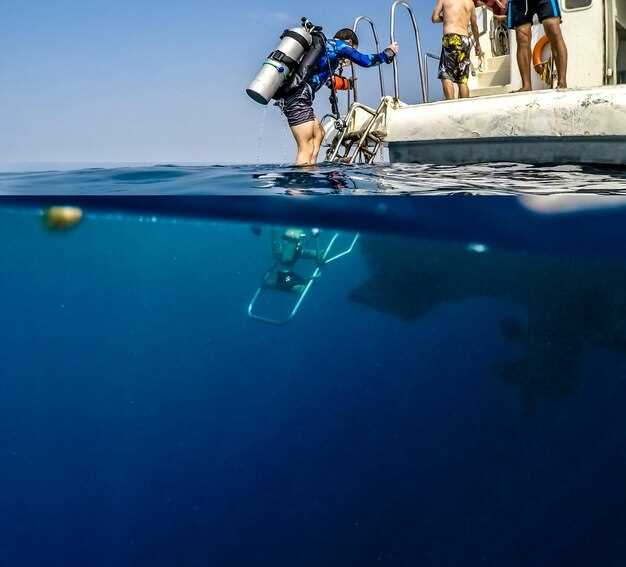 Top 10 Consigli per la Pesca in Profondità per Turisti">

Inizia con una mossa concreta: verifica le previsioni meteo e le condizioni dell'oceano prima di salire a bordo, quindi coordina con l'equipaggio per restare a tuo agio durante il primo viaggio.
Sulla scia dell'imbarcazione, resta con il tuo gruppo, ascolta i segnali di controllo del capitano e mantieni il peso in posizione tale da assorbire le forti mareggiate tra la terraferma e il mare aperto.
Delfino maculato Cavalcare l'onda di prua segnala un vero presagio; tratta la fauna selvatica con rispetto, mantieni le distanze e non inseguire o sporgerti mai dalla ringhiera.
Prepara un equipaggiamento speciale: strati traspiranti, protezione solare, calzature antiscivolo e un kit personale compatto; rimanere idratati e all'ombra è fondamentale per il comfort durante i lunghi viaggi.
Ecco un semplice benchmark: arrivare verso l'alba, registrare esattamente ciò che hai imparato dall'equipaggio su rigging e nodi, e applicarlo nei viaggi successivi per mantenere le cime stabili e ridurre l'affaticamento qui.
Impara la routine per la gestione dei rifiuti, mantieni le mani pulite e non gettare mai lenza o esca in acqua; questo approccio riduce i rischi per il gruppo e preserva l'ambiente.
Tra terra e mare aperto, porta con te una torcia compatta, un guscio antipioggia leggero e un fischietto; in condizioni difficili, prevedi un piano per rientrare in porto se le condizioni peggiorano.
Con questi segnali, hai plasmato il tuo viaggio e tornerai con storie reali e precise; hai imparato a gestire movimento, meteo e dinamiche di gruppo in un viaggio memorabile che rimane confortevole, di nuovo.
Guida alla pesca d'altura per turisti: 10 consigli e 8 tecniche di combattimento
1. Controllo dell'attrezzatura pre-partenza: ispezionare lenze e mulinelli; utilizzare lenze da 60–80 lb con terminali in fluorocarbonio da 80–120 lb; preparare 3–4 configurazioni e portare pinze, forbici per esche e un coltello affilato per migliorare la prontezza; verificare la resistenza della lenza in modo che ogni trazione risulti controllata.
2. Scelta dell'imbarcazione e posizione: opta per un'imbarcazione con ponte stabile e antiscivolo; una navigazione tranquilla aiuta a mantenere l'equilibrio quando arrivano le abboccate e aumenta la sicurezza sotto pressione.
3. Guardia al porto più vicino: controlla le previsioni del porto più vicino e tieni d'occhio i venti; scegli una finestra con brezza leggera e onde moderate, quindi rimani adattabile a bordo.
4. Pianificazione settimanale: per un viaggio più lungo, di una settimana, puntare a diverse specie per diversificare l'azione e accrescere l'esperienza durante tutta la durata del viaggio.
5. Spargimento e controllo dell'esca: spargere esche vive su diverse lenze; controllare le esche ogni 20–30 minuti aiuta ad adattarsi alle zone di alimentazione variabili e mantiene l'azione costante.
6. Preparazione dell'attrezzatura: scegli una classica configurazione da traina con un'esca di superficie e un terminale robusto; la regolazione dell'attrezzatura riduce i grovigli di filo e aumenta i pesci catturati, attirando al contempo creature più grandi.
7. Posizione di combattimento: stare a squadra, piedi alla larghezza delle spalle; quando una lenza si tende, applicare la vera forza con un movimento costante di spalle e fianchi, soprattutto quando il combattimento si fa più lungo.
8. Sicurezza e maneggevolezza: indossare un giubbotto di salvataggio, agganciarsi a un'imbracatura durante le trazioni lunghe e tenere le mani lontane da ami e da un possibile gancio per evitare incidenti.
9. Rilascia e rispetta: le prede sotto misura vanno rimesse in acqua velocemente; c'è una ragione per cui ci sono esemplari più grandi che meritano spazio, quindi rilascia senza indugio.
10. Note per la prossima settimana: profondità del fondale, tipo di esca, orario del primo abbocco e ogni osservazione utile; ogni annotazione guiderà la prossima uscita.
Tecnica 1: Trazione calibrata del mulinello: abbassare la punta della canna, bloccare la pressione costante e spingere con le gambe per mantenere il controllo del filo.
Tecnica 2: Gestione dell'angolo: mantenere l'angolo della linea intorno ai 30-45 gradi durante la corsa iniziale per bilanciare il carico.
Tecnica 3: Utilizzo dell'imbracatura: agganciati a un'imbracatura da cintura e resta saldo mentre il combattimento si fa più lungo.
Tecnica 4: Pompaggio stop-and-go: sollevamenti brevi, poi una pausa per recuperare il gioco e affaticare il bersaglio.
Tecnica 5: Tempistica della ferrata: quando si notano segni di un attacco, abbassare la punta della canna e recuperare con un ritmo uniforme.
Tecnica 6: Ottimizzazione del leader: passare al fluorocarbon da 100 lb se compare una creatura più grande; rimanere resistenti contro fili più duri e mantenere la tensione costante contro i cespugli.
Tecnica 7: Segnali della squadra: comunicazioni chiare sullo stato dei cavi, la tensione e la posizione vicino al compagno di squadra più vicino per evitare grovigli.
Tecnica 8: Atterraggio finale: guida verso il lato della barca, usa un guadino vicino alla linea di galleggiamento e ruota il corpo seguendo la trazione.
Scegli un charter autorizzato con attrezzatura inclusa
Scegli un charter autorizzato con attrezzatura inclusa; iniziare l'uscita con l'attrezzatura pronta fa risparmiare tempo ed evita corse dell'ultimo minuto al negozio. L'attrezzatura dovrebbe essere adatta alle loro acque e al tipo di specie che ti aspetti.
L'operatore autorizzato fornisce un equipaggio verificato e attrezzature di sicurezza certificate; questo può significare maggiore sicurezza e meno ritardi in acqua. Il briefing copre la gestione di base della barca, i controlli di sicurezza e la cura dell'attrezzatura, così puoi concentrarti sul momento e sulle dinamiche del gruppo.
Quando l'attrezzatura è inclusa, puoi discutere con il capitano i metodi adatti alle loro acque e ai tipi di prede; scegli tra tipologie come light-spin, traina o montature da fondo. Al mattino, le onde più calme ti permettono di osservare il movimento del filo e vedere i pesci esca radunarsi vicino al fondo, dove spesso arriva l'abboccata. A volte vedrai un attacco forte seguito da una tirata decisa all'amo, a dimostrazione che l'attrezzatura funziona. Per attirare le abboccate, assicurati che le esche corrispondano alla struttura del fondale e alla direzione della corrente.
Ecco come valutare un servizio: verificare lo stato della licenza, confermare l'attrezzatura inclusa, controllare la capacità dell'imbarcazione e chiedere informazioni sull'esperienza dell'equipaggio nelle loro acque. Se manca qualcosa, segnalalo qui e richiedi sostituzioni al negozio; pianifica tutto da solo. Un viaggiatore con gruppi può condividere le lenze e mantenere ogni lancio produttivo, permettendoti di coprire più acqua senza affollare.
Mantieni le aspettative realistiche: l'attrezzatura inclusa dovrebbe offrire opzioni sufficienti per gestire diverse condizioni; conferma la presenza di mulinelli di scorta e ami di ricambio e chiedi informazioni sulla politica di reso in caso di guasto dell'attrezzatura. In questo modo sarai pronto quando la tua lenza canterà all'amo e finalmente sarai preso, pronto a goderti il viaggio e il ritorno a casa.
Porta o Noleggia l'Attrezzatura Giusta per le Specie di Altomare
Prima cosa consigliata: noleggiare un kit da traina d'altura composto da una canna da 6’6″–7' con potenza di 60–100 libbre, un mulinello di taglia 4.000–6.000, una lenza madre trecciata da 50–80 libbre e un terminale in fluorocarbon da 60–100 libbre. Utilizzare pesi da 8–16 once per azioni a media profondità; portare pesi da 20–40 once per zone più profonde con correnti forti. Questa configurazione offre più controllo, ferrate più potenti e una tenuta affidabile quando le condizioni sono imprevedibili.
- Allineamento con la guida: consulta una guida o un equipaggio charter per adattare l'attrezzatura alle specie previste, il che consente di risparmiare tempo e aumenta il successo iniziale.
- Approccio da principiante: noleggiare un pacchetto completo da un negozio di fiducia riduce le discrepanze nella resistenza del filo e nell'azione della canna, aumentando la sicurezza nei viaggi inaugurali.
- Gruppi: quando i gruppi condividono l'attrezzatura, assicurarsi che i rating corrispondano per evitare grovigli; confermare che ogni membro utilizzi una resistenza del filo principale e una dimensione del mulinello simili.
Controlla le recensioni online dei punti di noleggio; cerca informazioni sulle scorte attuali, i pezzi di ricambio e quali esche sono incluse o consigliate. Quando selezioni le esche, preferisci opzioni naturali che innescano naturalmente risposte alimentari; pezzi di calamaro, sardine e ricciola tagliata tendono a funzionare bene, specialmente durante le finestre di alimentazione.
- Fluorocarbon: un leader nel range 27–45 kg resta invisibile in acque limpide, migliorando il tasso di allamatura.
- Pesi e armatura: portare una gamma da 225 g fino a 1,1 kg; regolare in base a profondità, corrente e specie bersaglio.
- Backup: porta con te ami extra, pinze e una bobina di ricambio; avere un backup riduce i tempi di inattività tra una calata e l'altra.
Durante il recupero, concentrati sulla tecnica: tieni la canna indietro per caricarla e mantieni la tensione; rimanere rilassato ti aiuta a reagire velocemente quando abbocca un pesce. Se un pesce tira forte, riprenditi, regola profondità ed esche come suggerito dalla guida o dall'equipaggio; adattare le tattiche porta a combattimenti più efficaci, aumentando le possibilità di catturare esemplari più grandi.
Informati sulle normative locali, permessi e limiti di cattura
Verifica le normative locali e prenota i permessi necessari online sul sito ufficiale dell'ente regolatore. Questo garantisce che l'attracco sia conforme ed evita sanzioni quando rientri al molo.
Conosci i tipi di autorizzazione necessari per le uscite in acqua salata: licenza giornaliera per la pesca sportiva, permesso per l'imbarcazione e pass specifici per eventi. Le regole variano a seconda del luogo, quindi se stai guidando un gruppo, ogni partecipante potrebbe aver bisogno di una licenza e l'imbarcazione potrebbe richiedere le credenziali del capitano. Raccogli i documenti, quindi mettili al sicuro prima di lasciare il porto turistico.
I limiti di cattura e le soglie di dimensione sono stabiliti per tipo di creatura e possono variare a seconda delle stagioni. Sono elencati nel foglio ufficiale e talvolta dietro un avvertenza sull'avviso del porto. Controlla sempre le linee guida di superficie pubblicate al molo o sul sito del regolatore; se una specie è protetta, quella creatura deve essere rilasciata immediatamente dietro di te. La non conformità può compromettere gli sbarchi consentiti e danneggiare il loro habitat.
I pescatori principianti dovrebbero concentrarsi sui limiti reali prima di avventurarsi in imprese offshore. Un approccio intelligente: conoscere i tipi di bersagli di acqua salata, il comportamento in superficie delle loro creature e le regole che le proteggono. I marinai esperti apprezzano una maggiore conformità perché preserva il luogo dietro ogni viaggio e mantiene il lavoro con i loro team senza intoppi. Rispettare i limiti è intelligente e un'ottima pratica che riduce i rischi e mantiene lo sport corretto.
Tenere una registrazione accurata: annota ogni atterraggio con data, luogo, tipi di creature, dimensioni e numero. In caso di dubbi su una regola, contatta l'ente regolatore o consulta la pagina ufficiale; rimanere aggiornato protegge il tuo equipaggio e la risorsa. Evita di far cadere attrezzatura in zone vietate e mantieni la tua lenza all'interno delle aree consentite. Quando ti concentri su questi passaggi, la tua spedizione in acqua salata diventa più in linea con le normative e i risultati sono piuttosto affidabili.
Pianifica il tuo viaggio: maree, meteo e condizioni del mare
Colpisci l'acqua 60 minuti prima della bassa marea per sfruttare una finestra di calma; le correnti si muovono con un moto costante, aumentando le probabilità di abboccata. Ecco una guida: rimani nella stessa zona per 20–40 minuti, quindi scivola giù con la corrente mentre la tua lenza rimane attiva. Dove le correnti erano più forti, regola la velocità per mantenere gli esca che scivolano nella zona di abboccata.
Previsione del vento: mirare a giorni con vento leggero o moderato inferiore a 6,4 km/h; raffiche superiori a 8 km/h creano increspature superficiali che ostacolano il lancio e il controllo della lenza. Preferire fasce orarie all'alba o nel tardo pomeriggio quando il vento si calma. Se la velocità media del vento prevista aumenta, saltare questo intervallo.
Condizioni attuali e mareggiate: mirare a un'ondina di breve periodo inferiore a 3 piedi o un moto ondoso guidato dal vento inferiore a 2 piedi; un'ondina di lungo periodo superiore a 4 piedi rende difficile la navigazione.
Configurazione dell'attrezzatura: mulinello a facciata aperta caricato con lenza da 60–80 lb; utilizzare un'attrezzatura robusta e una coppia di girelle; dispiegare una lenza robusta; annodare nodi affidabili; tenere una lenza di ricambio e ami extra dietro la scatola da esche.
Specie e esche: i tipi includono esche per il jigging, plastiche morbide, plug e popper di superficie; i pescatori principianti iniziano con esche luminose per aumentare la visibilità; esercitati a lanciare in gorghi e giunture correnti; osserva come il comportamento del gruppo di delfini indirizzi le scelte e adatta di conseguenza; impara dagli altri osservando i loro lanci e tattiche; i consigli della gente del posto aiutano.
Sicurezza e tecnica: ogni uscita costruisce abilità; radunatevi in gruppo per condividere i compiti; l'apprendimento accelera quando si guarda pescatori esperti; quando appare una lotta con un delfino, mantenete la tensione, recuperate in modo costante, evitate strappi; applicare gradualmente la pressione assicura un'abboccata pulita.
Piano di viaggio: aspettarsi 2–5 miglia di deriva, a seconda della corrente; registrare le miglia e le tattiche in un piccolo quaderno; rimanere dietro alla ringhiera durante il lancio; quando i delfini si avvicinano, rallentare il passo, osservare la lenza e gli swivel, e regolare al volo; una buona pratica fa crescere la sicurezza e l'abilità.
Otto tecniche di combattimento con pesci delle profondità per turisti
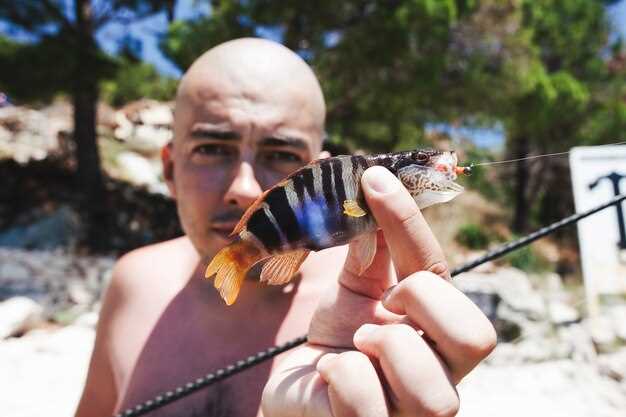
Tecnica 1: Risposta alla morso rapido. Imposta il recupero a un livello costante e moderato e recupera non appena il pesce abbocca. Stai in piedi con i piedi alla larghezza delle spalle, i fianchi contro la canna e mantieni la lenza tesa. Fai affidamento sulla conoscenza del luogo acquisita in molte uscite quando senti la tirata, ed evita di reagire in modo eccessivo a brevi fughe.
Tecnica 2: Postura e leva. Piantare i piedi, piegare le ginocchia e inclinare il corpo verso la canna in modo che la curvatura rimanga nel vuoto. Questa postura riduce l'affaticamento durante le tirate lunghe. Scegliere abiti con presa e guanti con una fodera robusta; vestirsi in modo appropriato durante i cambi di molo e l'esposizione al sole.
Tecnica 3: Controllo della lenza e taratura della frizione. Mantenere una tensione costante, avvolgere dolcemente per recuperare il gioco e regolare la frizione in base alle dimensioni del pesce. Se l'ull trasmette un sibilo, alleggerire leggermente mantenendo una pressione sufficiente per evitare che il pesce dia calci. Evitare che il filo scivoli e rimanere vigili ai cambiamenti nella dinamica dell'abboccata.
Tecnica 4: Disciplina dell'angolo della canna. Mantieni la punta della canna alta e la curvatura superficiale durante la prima corsa; inclina la canna ad un arco di 20–40 gradi e avanza con movimenti brevi e deliberati mentre il pesce si stanca. Pensa alla leva e alla direzione in cui sta andando il pesce, non solo alla trazione sulle tue braccia, e rimani consapevole del tuo appoggio per non cadere.
Tecnica 5: Utilizzo di imbracature e attrezzature. Per affrontare esemplari più grandi, collega una cintura da combattimento e, se disponibile, una sedia; questo riduce il carico da braccia e spalle. Porta con te l'attrezzatura adeguata, compresi guanti robusti e un'imbracatura, e agganciati con il corpo per trasferire il peso attraverso le gambe. Questa configurazione aiuta quando i capitani segnalano un cambio di rotta.
Tecnica 6: Gestione dell'esca e riconoscimento delle abboccate. Quando si utilizza un'esca, ferrate con uno scatto netto del polso ed evitate pompate eccessive. Osservate il filo per abboccate sottili e regolate il vostro tempismo in base all'azione dell'esca, tenendo conto di ogni movimento piuttosto che affrettarvi. Un buon approccio vi mantiene nella caccia e aumenta le probabilità di una presa solida quando l'obiettivo abbocca.
Tecnica 7: Consapevolezza del gruppo e comunicazione dell'equipaggio. Rimanere sincronizzati con gli altri nelle vicinanze, specialmente il gruppo vicino alla prua. Ascoltare i capitani, seguire la loro rotta e coordinarsi su quando mollare o dare la lenza. Segnali chiari riducono gli aggrovigliamenti e migliorano la possibilità che ogni ospite ritorni con un pesce all'amo.
Tecnica 8: Sbarco, rilascio e cura post-sbarco. Quando un pesce si avvicina al fianco della barca, passa a un sollevamento controllato con le gambe, porta la cattura a bordo e maneggiala con cura. In caso di rilascio, minimizza il contatto e lascia il pesce in acqua salata solo brevemente; in caso di conservazione, prepara un piano sicuro per abbatterlo e stoccarlo correttamente. Dopo il viaggio, ispeziona i tuoi vestiti e l'attrezzatura per usura e apporta modifiche per la prossima traversata.