


 Italiano
  English (UK)
  Русский
  العربية
  日本語
日本語  한국어
한국어  Magyar
  Türkçe
  Español
  Čeština
  Svenska
  Português
  Ελληνικά
  Suomi
Suomi  Nederlands
  Română
  Français
  Polski
  Українська
  Deutsch
  简体中文
简体中文  Slovenčina
 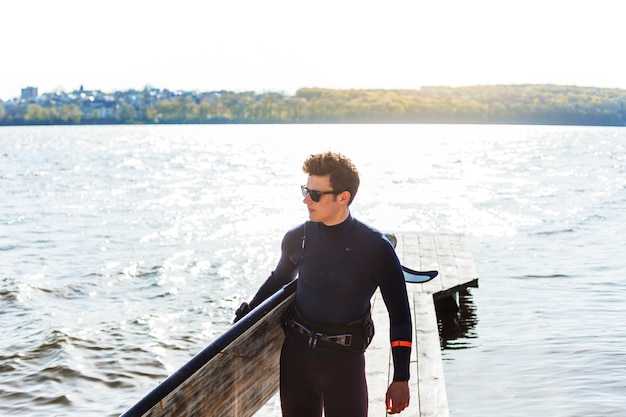 Tips to Become a Better Boater – Essential Boating Skills">

Begin with a quick, practical pre-trip checklist: verify fuel, test bilge pumps, secure loose gear, and put on life jackets. Practice a 10-second man-overboard drill while the boat is moving at idle so you can respond if someone goes overboard. This direct action helps you connect safety habits to real conditions and builds confidence for all your runs on the water.
Adopt a simple, repeatable set of consigli for each voyage: keep velocity steady in chop, anticipate wind shifts, and choose a heading that avoids crowded channels. For powerboats, tune trim and ballast to the load and fuel. When reading charts, compare distances to landmarks and read radar returns to verify the route, especially when operating under reduced visibility. Always considera backup options before you depart.
Develop muscle memory for docking by practicing short slips in calm water, then move to longer sessions in variable wind. This builds the need for precise lines, fender placement, and rope handling. Keep an emergency gear bag ready. operating in rough conditions requires breathing calmly, which keeps your crew engaged and your decisions sharp. The habit of reviewing weather forecasts often will keep you out of trouble before it starts.
Becoming a more capable boater means systems you can trust. Build a routine that connect engine gauges, steering feel, and lookout practice into every trip. When trouble seems near, you can switch from routine to task-specific actions; that clarity saves time and keeps your crew safer, faster than you expect. By treating safety as a daily discipline rather than a checkbox, you turn the water into a reliable classroom where every movement matters.
Tips to Become a Better Boater: 9 Learn Advanced Maneuvering Techniques

Begin with a hands-on docking drill in calm water to connect your control inputs with the boat’s response. Wear a life jacket, practice securing lines early, and keep crew clear of the stem and propeller.
Master slow-speed maneuvering by coordinating rudder and throttle; keep inputs deliberate to pivot around a fixed point. This advice helps most berthing tasks and builds confidence for every boater.
Practice controlled turns in tight spaces using small, sequential rudder taps and throttle adjustments to avoid propeller wash.
Propeller safety and securing lines: keep hands clear of the running area, shut down when securing lines, and verify everyone stays back.
Wind and current: adjust heading into the wind or current by 5–15 degrees, then hold a steady course with smooth trim and weight distribution.
Backing and pivoting: in reverse, apply gentle throttle and steer with the rudder to minimize bow rise and avoid prop-wash surprises.
Rivers and coast planning: plot routes through central channels, note eddies, and select safe launch and recovery points along the coast.
Systems and checks: run a marine pre-departure checklist covering safety gear, VHF, and engine gauges; involving everyone keeps risk minimal.
Events and ongoing practice: enroll in hands-on clinics led by professional instructors, make practice enjoyable, and dedicate time to master these maneuvers. heres a practical approach: practice with a friend, repeat the same drill, and record results to track progress.
Focused on practical on-water skills for frequent use
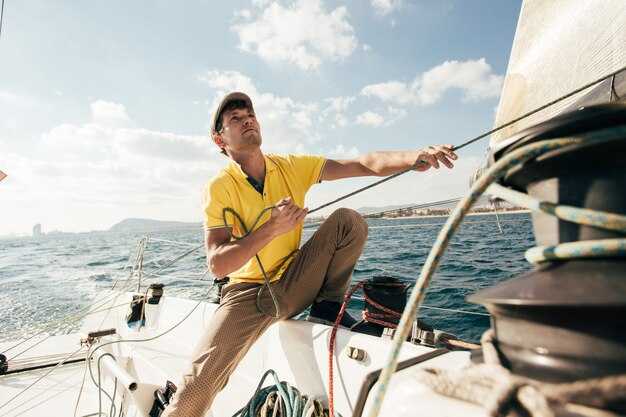
Practice controlled, low-speed boating and backward maneuvers in a sheltered florida cove to build muscle memory before tackling heavier traffic. They help you stay composed when conditions shift and keep your vessel stable as you learn to respond to minor changes in wind or current.
Document the basics with a dedicated page that outlines step-by-step drills. Master the basics of steering, trim, and throttle, then link each drill to specific vessels you operate. This approach covers core controls in a steady sequence while you explore different routes and handling scenarios.
Enrich practice with activities that mimic on-water tasks: docking in light wind, keeping a steady line of sight, and performing controlled stops. The program covers these skills and provides feedback you can apply during boating sessions with family or friends.
When emergencies arise, they rely on calm, practiced responses. Run through a checklist: keep to a stable speed, switch to appropriate routes, and use your controls to regain control. Practicing in calm water builds muscle memory you can apply in bigger seas or during crowded florida harbors.
Keep exploring new activities, but do so in a controlled sequence: try a backward approach, then a forward approach, then a stop, then a slow turn. This step-by-step cadence helps you master the timing of throttle, rudder, and trim. If you ride with other boats, discuss your plan and consider their perspectives to boost safety and enjoyment.
Boating cadence should include a routine you repeat on every trip: review routes, inspect gear, and keep the page of drills fresh in memory. By keeping these habits, you enjoy smoother outings and boost confidence every time you head out on florida waters.
Pre-trip safety checks and gear readiness
Do a full pre-trip safety check before you cast off today. Create a simple, repeatable checklist of procedures and assign one person to verify each item, so your boating crew stays focused as you depart and you enjoy a good, smooth ride.
Stock the safety components: PFDs for all riders, a throwable flotation device, a fire extinguisher, a first-aid kit, a horn or whistle, and a bright flashlight with spare batteries. Keep navigation devices powered and within reach, and verify the VHF radio or backup messaging is ready. Add a Columbia rain jacket or other weather gear for crew comfort, and ensure a dry bag keeps charts and a spare phone dry. This boost readiness and helps connect the crew to the plan.
Inspect the engine and hull: check fuel level, oil level, and coolant; ensure battery terminals are clean and tight; test the bilge pump and float switch. Look for hull damage and remove any lines or debris from the propeller shaft. Address loose hardware and inspect steering and throttle controls for smooth, controlled operation.
Plan the trip with tide and weather in mind. Check a reliable forecast, note wind and waves, and pick a safe, controlled speed. Review channel markers and marina procedures and choose a familiar route for your first legs. This approach reduces the chance of accidents and keeps everyone clear of hazards.
After checks, log the results and share them with your boating community. Keep a copy in the center and refer to it before every trip. This practice helps lead the crew, boosts confidence, and connects with fellow boaters in Florida and beyond–whether you’re on the west coast or a local bay.
Slow-speed maneuvering near docks and in tight spaces
Begin your approach at 2-3 knots, then ease to 1-2 knots as you reach the slip; keep the hull moving with a steady rudder and brief power adjustments to counter wind and current. Use shallow arcs, small steering inputs, and a plan for what to do if a gust shifts the boat toward pilings. This controlled tempo reduces the risk of contact and keeps you in control while maneuvering near docks.
Preparation is essential: theres a simple check you run before any close-quarters move. Ensure you have the right equipment: fenders positioned to protect the hull, spring lines and regular lines ready, chafing gear in place, and your engine, steering, and throttle controls tested. Determine your needs for the dock type, tide, and wind, and confirm that your crew understands duties. Ensuring fenders are positioned and lines managed reduces risk.
There are three common types of slow-speed maneuvers near docks: parallel docking along the edge of a pier and then turning to align with the slip; backing into a slip with a controlled reverse; and stern-first pivoting to rotate in place when space is tight. Practice each type at a calm harbor and use a deliberate sequence: look, plan, move, adjust, and maintain spacing from other boats and pilings. A deliberate approach lets you master the timing without rushing.
Wind and current management: assess wind direction relative to the dock and water depth. If wind is pushing toward pilings, use a short inbound path with a controlled arc and keep your moving momentum steady to avoid sudden turns. Tie a bow line and stern line to relieve pressure, and be ready to switch to backing a few feet to re-center. Knowledge of wind shifts helps you avoid contact and enjoy cruising with confidence. Observe and communicate with crew, and adjust pressure gradually rather than snapping the controls.
If you have doubts, rely on knowledge of the basics and seek tips from an experienced captain. Build dedication by repeating the same steps in different docks and conditions. Ask what details you need, check what types of docking you’ll face, and tailor your approach. Like any skill, slow-speed handling improves with deliberate practice and a plan you can repeat. With time you become a master of slow-speed handling and can adapt to most docks and conditions.
Leaving the dock safely starts with a plan and a clear line of sight. Before you depart, verify that fenders are stored or moved, lines are ready, and crew know where to stand. Maintain a moving but controlled motion while turning away, and keep watch for pedestrians, swimmers, or retrieving lines. If someone falls overboard, stop engine, throw a flotation device, and maintain visual contact until the person is rescued. After clearing the dock, recheck speed and steerage as you begin cruising away, gradually increasing distance from the slip while maintaining readiness to stop if needed. This routine protects crew and boat as you transition from dock to cruising.
Steering-throttle coordination for smooth turns and stops
Begin with a pre-launch check of controls and systems: verify current RPM range, ensure steering responds to light inputs, and inspect wear on linkages. This setup stays aligned with the boat’s standards and supports smooth maneuvers you’ll make today. If you need to adjust, this check helps reduce doubts about response. It doesnt rely on guesswork and uses measured inputs. This approach is designed to stay stable through turning and stopping.
Turning: approach the bend with awareness of nearby traffic and moving vessels, then execute a smooth helm-throttle sequence. Choose a small steering input first, then gradually add throttle to maintain the arc. For planing hulls, aim for 3–6 degrees of helm and a 5–15% throttle ramp through the first second of the turn. For displacement hulls, keep inputs gentler and extend the arc. If the boat starts to yaw, ease the throttle and adjust with the wheel; this keeps you in control through the current and wind.
Arresto: ridurre gradualmente l'acceleratore verso il minimo mantenendo un timone leggero per mantenere la barca dritta. Se ci si ferma vicino a un molo o in corrente incrociata, considerare una breve retromarcia per assicurare la distanza, quindi neutro mentre si entra. Questo metodo riduce i cambiamenti improvvisi e mantiene la nave allineata con il percorso di avvicinamento. Verificare sempre che l'equipaggio indossi giubbotti di salvataggio durante le operazioni a distanza ravvicinata e rimanga consapevole degli ostacoli che si avvicinano dai settori circostanti.
Avvicinamento al molo e ormeggio: decidere un piano in anticipo e confermare i controlli pre-lancio. Quando ci si avvicina a una banchina, ridurre la velocità in anticipo, applicare piccole correzioni alla guida e tenere le cime pronte per l'ormeggio. Mantenere il team informato e rimanere concentrati sulle condizioni attuali per migliorare la sicurezza e il controllo.
| Situazione | Input del volante | Azione acceleratore | Note |
|---|---|---|---|
| Curva a bassa velocità | 3–8° | 0–15% | Mantieni un arco costante e osserva le navi vicine |
| Avvicinamento al molo in corrente | 2–5° opposto alla deriva | -10% to idle | Siate pronti a invertire se necessario |
| Fermarsi in acque aperte | 0–5° | Ridurre dolcemente al minimo. | Mantenere fermo il trim per prevenire il sollevamento a effetto di lupo. |
Gestione in condizioni di vento, corrente e mare mosso
Fallo subito: fissa un sartiame con un nodo appropriato usando legature importanti e pratica le regolazioni in banchina per leggere correttamente e rispondere rapidamente man mano che le condizioni cambiano.
- Pianificazione pre-partenza
- Leggi le previsioni del tempo e controlla le normative per la tua zona; conferma di seguire le linee guida sulla sicurezza del club e un percorso progettato per ridurre al minimo l'esposizione alle raffiche; individua cosa aspettarti e un percorso di fuga; ispeziona cime, parabordi e giubbotti di salvataggio; questo piano include passaggi che ti mantengono preparato.
- Manovrabilità guidata dal vento
- Mantenere una rotta stabile utilizzando controlli deliberati, regolando l'acceleratore e il timone per compensare le raffiche; mantenere l'imbarcazione con la corretta assetto per ridurre la spinta laterale del vento; se necessario virare, eseguire un ampio arco fluido ed evitare virate improvvise; proteggere l'equipaggio da attrezzature e cime allentate.
- Gestione delle correnti e dei vortici
- Quando la corrente del Columbia è forte, leggi l'acqua davanti a te e scegli una linea che ti mantenga nei canali più profondi; riduci la velocità per mantenere la stabilità e impedire che la prua solchi l'acqua; usa il motore per contrastare la deriva, quindi regola lo sterzo per mantenere una rotta stabile; questo approccio aumenta il controllo e la sicurezza.
- Tecniche per acque agitate
- Avvicinarsi alle onde con un leggero angolo (circa 45 gradi) e mantenere il peso centrato; farsi forza sul sedile e usare le maniglie; fissare le cime ed evitare di reagire eccessivamente a ogni onda; regolare il trim e il peso per minimizzare il rollio; rimanere concentrati sull'orizzonte per leggere la prossima onda.
- Sviluppo delle competenze e azioni di sicurezza
- Unisciti a un club locale per accedere a esercitazioni strutturate in acqua; queste offerte ti aiutano a esercitarti con l'ormeggio, la gestione delle linee e le manovre in acque agitate; esercitati regolarmente con i nodi importanti e la maneggevolezza delle linee per migliorare i tuoi tempi di risposta e la tua sicurezza; l'apprendimento rafforza il tuo approccio alla sicurezza finale.
Conclusione: Questo ultimo accento sulla lettura dell'acqua, la pratica di controlli mirati e il mantenimento della guardia contro la perdita di attrezzature aumenterà la libertà di godere della navigazione anche quando vento, corrente e acque agitate vi mettono alla prova.
Procedure di emergenza, segnalazioni ed esercitazioni sulla comunicazione tra l'equipaggio.
Inizia ogni viaggio con un'esercitazione di emergenza di 5 minuti che copra la segnalazione, la riunione e i ruoli dell'equipaggio. Assegna un responsabile della segnalazione centrale ed esegui cosa deve fare ogni persona in caso di problemi. L'esercitazione include un rapido controllo di DPI, estintori e attrezzature lanciabili prima di lasciare i moli. Saprai chi chiama e chi si occupa dell'attrezzatura.
Le esercitazioni di segnalazione utilizzano segnali audio e visivi. Esercitati con i colpi di clacson per uomo a mare, soccorso e segnali di rientro al porto, oltre a bengali conservati in un contenitore sicuro vicino alla plancia. Tieni un kit di segnalazione che includa un clacson, un fischietto, uno specchio e dei bengali; testali in acque con diverse condizioni di vento e marea.
Crew communication drills assign roles: Captain, Bow, Stern, Engine, and Lookout. Use clear callouts, repeat messages, and confirm with a quick acknowledgment. Practice right-of-way decisions in calm lakes and when traffic increases near docks. teens can take practice turns with supervision; rotate roles to build confidence. This approach makes crew communication better in stressful moments.
Eseguire un controllo pratico di ingranaggi e sistemi prima di qualsiasi viaggio. Verificare i livelli di carburante, i coperchi della sentina e le procedure di interruzione del motore. Confermare che le luci di navigazione e i dispositivi di segnalazione acustica funzionino all'alba, al tramonto e in condizioni di scarsa visibilità. Esercitarsi nella manovra delle cime, nel posizionamento dei fender e nell'assicurare gli oggetti per prevenire ingranaggi allentati durante i cambi di velocità o quando si manovra vicino alle banchine.
Drill facili di esecuzione adatti a imbarcazioni di tutte le dimensioni. Per adolescenti e nuovi equipaggi, mantieni i compiti semplici: osservatore, operatore radio, manovratore delle cime. Utilizza un ritmo costante e un linguaggio chiaro, quindi cambia i ruoli per aumentare la fiducia. Condividi gli appunti con il tuo consiglio locale e l'associazione dei laghi per allineare le pratiche tra le imbarcazioni e migliorare la sicurezza sull'acqua.
Dopo ogni sessione, leggi gli appunti e aggiorna il briefing dell'equipaggio. Registra cosa ha funzionato, cosa ha suscitato dubbi e cosa necessita di chiarimenti. Per gli equipaggi avanzati, aggiungi congestione radio simulata e risposte cronometrate per testare la gestione della pressione rimanendo all'interno del piano di sicurezza centrale. Questa routine ti aiuta a rimanere preparato, mai sovraccarico di attrezzatura e pronto a reagire rapidamente in acque reali.