


 Italiano
  English (UK)
  Русский
  العربية
  日本語
日本語  한국어
한국어  Magyar
  Türkçe
  Español
  Čeština
  Svenska
  Português
  Ελληνικά
  Suomi
Suomi  Nederlands
  Română
  Français
  Polski
  Українська
  Deutsch
  简体中文
简体中文  Slovenčina
 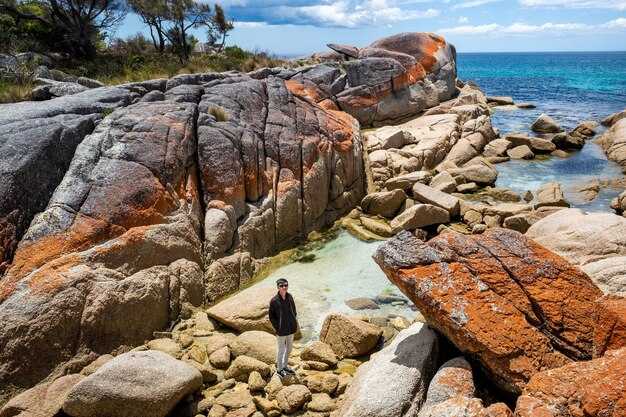 The Whitsundays Travel Information & Planning Guide | Australia">

Book your flights to Airlie Beach now and set aside at least two weeks for island-hopping along the Whitsundays. youll access coastal coves, isolato bays, and unreal horizons across these islands, with ferries, boats, or a scenic flight between hubs.
Base options: Airlie Beach is where most travelers start for budget-friendly guesthouses and ferries; Hamilton Island offers resort perks, or Bowen provides a quieter coastal vibe near the southern gateways. whats the best way to structure your route? Consider a mix of ferries and flights to save time over weeks of exploring. youll want to reserve a couple of island-hopping ferries in advance during peak months, especially on weekends when boats fill up fast.
Seamless travel options include a 15–25 minute seaplane to Heart Reef or Whitehaven Beach, or a helicopter transfer; you can use both options depending on your schedule. If you want to spot giant humpback whales, plan a July–September quest and join a dedicated boat or sail with a crew that monitors whale safety. english signage and guides are common, and youll find bilingual briefings on selected tours.
Pack list: shoes for rocky trails, a costume da bagno, reef-safe sunscreen, hat, a waterproof bag, and a small dry bag. Keep cash on hand for island markets, and bring a light rain jacket for tropical showers. On beaches, watch the flag and follow lifeguard instructions; some bays are near strong currents. also bring a compact reef map or offline map on your phone to stay aware of coastal paths and these routes.
These guidelines help you map a practical plan that balances coastal sailing, snorkeling, and island time. Always check updates from operators a day ahead, and stay aware of local conditions. The Whitsundays reward visitors who respect the environment and move with the tides, not against them, keeping your trip unreal from start to finish.
Whitsundays Travel Guide
Book a 3–4 day snorkel-and-sail plan from airlie beach, with at least one night aboard yachts to maximize calm coves, white-sand beaches, and reef view.
Note: prior to departure, check the official website for current jellyfish alerts and sea conditions. The waters around the Whitsundays can host jellyfish in certain months, so wear a stinger suit during peak season and follow safety flags in swim zones. note for travellers: pack reef-safe sunscreen and a lightweight rain jacket.
in september, warm days and clear waters create ideal conditions for snorkel sessions and island view from the deck. If you travel with kids, choose tours that include gentle snorkel stops, short hops between islands, and hands-on activities; these options feel different from party charters and often cost less for families, with special rates for kids. Your hands will stay busy with reef-safe tasks on the boat.
Access options include flying from cairns to the Whitsundays or taking a short road-and-ferry combo from airlie beach; compare operators and book ahead. Most day trips include snorkel gear, life jackets, and a safety briefing; cost often covers lunch and bottled water, with kids discounts widely offered. one thing to plan is your budget for gear and meals.
After your trip, debrief with the crew to capture what stood out and what to adjust down the line. Carry a compact checklist for kids and adults, including sun protection and hydration, and a small dry bag for phones so you can keep your view on the islands uninterrupted.
The Whitsundays Travel Information & Planning Guide Australia; – Go
Book accommodation in Airlie Beach four to six weeks ahead of your holiday to lock in famous stays and solid prices. Early planning gives you space to choose a comfortable base with easy access to the boats and reef tours.
Plan with an expert touch, using tips provided by local operators and backpackers who know the most reliable routes. generally, the best option is to base yourself in a marina-side accommodation or a warehouse-friendly hostel with full kitchen and social spaces. Just as important, stay flexible so you can switch plans if weather shifts.
- Base choices: most tours depart from Airlie Beach or Shute Harbour; staying nearby saves time and reduces daily transit; talk with your mate to pick a location that fits your vibe.
- Timing and sailing: weeks spent charting your route help you fit in sailing between islands, snorkeling with stingrays, and sunset sails; if youre short on time, consider last-minute group charters.
- Packing and gear: clothing should be light and quick-dry; bring enough sun protection, a lightweight layer for evenings, and a compact first-aid kit; you cannot rely on shop stock on every island.
- Budget and meals: stay flexible with meals, use hostel kitchens, and sample local wine during marina dinners; a few splurges are common but plan for a balanced budget.
- Wildlife and safety: follow flags and reef signage, keep distance from wildlife, and avoid touching stingrays or corals; always follow operator briefings for safety.
- Logistics: check international flight timings and visa requirements if hopping across countries; many operators provide equipment and safety debriefs included in the trip.
Reminders: forget last-minute packing chaos; youre better off packing light with room for souvenirs. With a well-planned itinerary spanning several weeks, you’ll enjoy sail days, beach time, and vibrant evenings before you head home. After each day, do a quick debrief to adjust plans for the next day.
Just remember to keep space in your bag for souvenirs, and you’ll leave with stories as famous as the scenery.
How to reach the Whitsundays: flight routes, airports, and ferry connections
Fly into Hamilton Island Airport (HTI) for the quickest entry into the reef region; this option can stand out for travellers aiming to stay on one island or do short transfers. From HTI, specialist transfers and charters connect you to the rest of the Whitsundays with minimal time in transit. If you stayed on hayman or plan to visit Daydream Island as well, hayman is a practical starting point; thats why many travellers choose HTI.
As an alternative, land at Whitsunday Coast Airport (PPP) near Proserpine and drive 45–60 minutes to Airlie Beach, then use ferries to reach the islands. PPP is listed as a practical gateway when you plan multi‑island stays, last-minute itineraries, or a wish to include less‑traveled routes.
International travelers usually fly into Brisbane (BNE) or Cairns (CNS) and then complete the journey with a domestic service to HTI or PPP. Check current schedules and prices by clicking the airline site or app, and confirm any tight connection times.
Air routes and durations vary by season, but you can expect direct services from Brisbane, Sydney, Melbourne, and Cairns to HTI; direct services to PPP run mainly from Brisbane and Cairns. Times range from about 1.5 hours to 3 hours depending on origin. Use a route planner to compare options and choose the best time that fits your schedule.
Ferry connections run from Airlie Beach to Hamilton Island and to other listed islands. Cruise Whitsundays and Whitsunday Transit offer frequent day sailings, with typical trips around 1.5–2.5 hours. Private charters also operate for special groups and can be arranged for hayman island visits or last-minute changes; this is called a private transfer option you can tailor.
For safety and convenience, carry AUD; most operators accept cards, and some smaller operators require cash on board. Pack drinking water and sunscreen, and keep your phone charged to confirm times throughout the day. If you stay on beaches or islands, respect reef guidelines and local rules; your trip can be incredible with careful planning, and your itinerary may include a few class upgrades.
| Entry route | Airport/Port | Transport | Typical duration | Note |
|---|---|---|---|---|
| Brisbane → Hamilton Island | HTI | Direct flight | ≈2 hours | Qantas, Jetstar, Virgin; reliable; last-minute seats vary; listed operators |
| Sydney → Hamilton Island | HTI | Direct flight | ≈2h 40m | Seasonal services; check current schedules |
| Cairns → Hamilton Island | HTI | Direct flight | ≈2 hours | Seasonal; connect via BNE/CNS if needed |
| Brisbane → Whitsunday Coast (Proserpine) | PPP | Direct flight | ≈1h 40m | Gateway to Airlie Beach; transfers to ferries |
| Cairns → Whitsunday Coast (Proserpine) | PPP | Direct flight | ≈1h 30m | Seasonal; ferries to islands listed |
| Airlie Beach → Hamilton Island | Airlie Beach port | Ferry | ≈1h 30m | Cruise Whitsundays; frequent; music on board |
| Hayman Island transfers | hayman | Private charter / shuttle | ≈30–60m | Special services called; suitable for last-minute plans |
Best time to visit: climate, seasons, and packing tips

Plan your Whitsundays trip between May and October to enjoy cooler days, a steady breeze, and calmer seas.
During the dry season, May through October, daytime temperatures sit around 22–28°C and sea temperatures run 23–27°C. Nights stay mild, so bring a light layer. The breeze stays reliable, often 15–25 knots, which makes sailing, boarding a charter, and island hopping comfortable for tourist groups. A little planning here goes a long way, and you’ll stand up to a perfect day on the water with minimal fuss.
Spring shoulder season (September to November) brings rising daytime temperatures, clear water, and excellent reef visibility. This period often offers favorable charter rates and fewer crowds, making it a great time to book a private board or small-group trip with a mate.
From November to April the wet season adds humidity, afternoon showers, and temperatures around 25–32°C. Sea conditions stay inviting, but rain can disrupt crossings and shore excursions. If you went during this period, keep a flexible itinerary and check the forecast daily; thats how you turn weather into opportunity for sunset sails and calm evenings on deck.
Packing tips: bring a swimsuit and quick-dry clothes, a wide-brim hat, UV sunglasses, reef-safe sunscreen, and a light rain jacket. Pack a little extra for onshore stops and boat days, including a dry bag for valuables, water shoes for kayaks or beach landings, and a change of clothes for after-water activities. If you plan to do some stand-up paddling or boarding, include a compact towel and slip-on shoes. For nights on a charter, a warm layer helps when you’re on deck. If you need a breeze-friendly setup, a small daypack keeps essentials within reach while you explore each island stop. Alcohol policies vary by operator, so check your charter’s rules before you plan a BYO setup; you cannot assume all boats permit alcohol aboard. Prepared travelers know that a reserve of plastics and non-glass containers is safer on board.
Money matters: have dollars on hand for small shore purchases, tips, and remote island stalls, but most operators and tourist hubs accept cards. The balance is simple: carry enough cash for those tiny, local buys and rely on cards for bigger payments.
Planning resources: use the link to our guide for a sample itinerary and practical tips. Reserve dates early to secure a place on popular sails or private charters. Based on climate patterns and operator schedules, May and late September often offer the best mix of price and reliability. If you went before, you know how quickly Whitsundays fill up, so start your planning now and tailor the plan to your sail style, whether a relaxed charter or a day on the water with kayaks and coastal stops.
Where to stay: Airlie Beach hotels, island resorts, and budget options
Start with a central Airlie Beach stay for instant access to ferries and tours, with rooms in sizes that fit couples or families.
Look for options with open views, easy access to the marina, and lounges that match your pace so you can move from the esplanade to day cruises without extra transit.
Listed mid-range properties usually balance comfort and value, leaving room in your plan for island trips and sunset sails along the iconic coastline.
To maximize value, book early for peak dates and watch for occasional promotions published by operators; reservations lock in the final price and help avoid last‑minute stress.
For a true island experience, consider island resorts on Hamilton Island, Daydream Island, or Hayman Island, offering a full range of services from pools and spas to guided snorkeling tours; rooms and villas come in larger sizes that suit families and groups.
Budget options in Airlie Beach town include hostels and guesthouses with dorm beds from AUD 25–40 and private rooms typically AUD 70–140; occasional left rooms appear during shoulder seasons, and many places offer free cancellation or flexible terms.
Island resorts command higher rates: expect mid-range rooms from about AUD 350–600 per night, with villas and premium suites climbing beyond AUD 1,000; this level pays back in convenience, tours, and world‑class scenery that feels truly iconic.
Booking tips: compare rates across platforms and check the operator’s site for reservations and space; some deals are published at salessunsailwhitsundayscomau, and booking newsletters can yield final price drops for early planners.
Travelers from zealand often value bundled packages that include ferry transfers and day trips, saving time and reducing price spikes when space is tight on popular days.
Getting around: ferries, shuttles, and on-island transport schedules
Reserve ferry seats and on-island shuttles 2–3 weeks ahead, especially in spring and peak months. This keeps your guests ready and reduces problems on arrival; it takes the guesswork out of the first hours here.
Ferries connect Airlie Beach with Hamilton Island, Daydream Island, and other spots around the archipelago. The operator publishes timetables with departures from roughly 07:00 to 18:00; during peak demand they run every 60–120 minutes, while quieter periods may show 2–3 hour gaps. Cost varies by distance and season; as a rough guide, expect 35–70 AUD per person one way for main routes, and consider a day-pass if you plan multiple hops.
From Hamilton Island Airport or Whitsunday Coast international services, transfers to resort hubs take about 20–30 minutes by shuttle or taxi; pre-booking with the operator ensures a confirmed time window. If you overnight on a yacht, coordinate a timely pickup to avoid delays and enjoy the evening here. If you looked at the timetable recently, you’ll see the same pattern across days.
On-island transport centers on golf buggies and small shuttles. Hotels and resorts run fixed pickup times–09:00, 12:00, and 16:00 for beach and snorkeling excursions–and maps mark pickup points with flag. If you plan an overnight on a yacht, arrange tender transfers to the marina in advance; this reduces waiting and gives you a smoother day.
Snorkeling trips are common, and operator-guided tours provide supervised snorkel sessions at popular spots. Bring your own snorkel gear if possible; otherwise rentals are affordable. Warmer months bring more stinger risk, so wear a suit or rash guard, check local conditions, and stay within supervised groups. Sharks are occasionally seen near outer reefs, but guided trips keep guests safe.
To keep your plan on track, share your itinerario with the operator and guests, and keep a backup plan for rough weather. In primavera and early summer, look at back-to-back ferries to maximize time at chosen spots; in winter, schedules tighten but reliability remains. If you arrive via international flights, book airport transfers early and align them with your first snorkeling session or caffè fermati sulla riva, così tu lo sei ready per le attività della giornata e time per godersi i mesi a venire. Questo approccio è valido sia per gli ospiti che viaggiano da soli sia con gruppi.
Itinerari di esempio: 2-4 giorni di navigazione rispetto a piani basati sulla terraferma
Opta per un blocco di navigazione di 3 notti, poi 2 notti a terra per bilanciare il tempo in mare con le scoperte sulla terraferma. Questo approccio mantiene i clienti impegnati e offre la possibilità di riposare tra una tappa e l'altra. Questi itinerari sono chiamati itinerari "prima la navigazione", e puoi esplorare le opzioni su salessunsailwhitsundayscomau. Se arrivi in volo, aggiungi un giorno di buffer per connetterti con la partenza. Organizza l'intero pacchetto in anticipo per garantire una vacanza senza intoppi ed eliminare lo stress per gli ospiti, senza lunghi ritardi. Stai sul ponte all'alba per ammirare la scia e le famose coste. Il piano rimane flessibile, e puoi avere tempo libero la sera per visite spontanee.
-
Itinerario incentrato sulla navigazione (2-4 giorni)
- Giorno 1: Partenza da Airlie Beach al mattino presto, prendi il timone e naviga verso Hook Island. Stai sul ponte per ammirare il panorama, quindi usa il dinghy per raggiungere una tranquilla insenatura per visitare punti panoramici. Notti a bordo.
- Giorno 2: Crociera verso l'area di Whitehaven, famosa per le sue spiagge incontaminate. Effettua un'escursione sulla costa di mezza giornata con un dinghy fino a un punto panoramico e una grotta costiera, quindi getta l'ancora in un porto sicuro per la notte. Gli ospiti possono rilassarsi sul ponte durante una navigazione al tramonto se il vento lo permette.
- Giorno 3: Dirigiti verso Hamilton Island o un tranquillo ancoraggio delle Whitsunday. Goditi un'intera giornata in acqua, quindi torna verso Airlie per una partenza tardiva. Notti a bordo o soggiorno in hotel a terra.
- Giorno 4 (opzionale): Completa una breve tappa mattutina e parti per la terraferma o prendi un volo di collegamento. L'esperienza nel complesso offre una solida base di navigazione con facili opzioni di terra.
- Ogni giorno offre un nuovo episodio di scenari e fauna selvatica, con opportunità di visitare calette e barriere coralline lungo il percorso.
-
Itinerario basato sulla terra (2-4 giorni)
- Giorno 1: Volare nella regione e base ad Airlie Beach. Accompagnamenti precedenti garantiscono un hotel, quindi fare un tour costiero di mezza giornata su strada e, quando possibile, un rapido trasferimento in dinghy verso una vicina isola per ammirare il panorama. Notti in città.
- Giorno 2: Esplora le cittadine costiere in auto con un pomeriggio libero per i mercati, il pranzo o l'osservazione delle barche nel porto turistico. Questa vacanza è progettata per enfatizzare comfort e flessibilità.
- Giorno 3: Utilizzare un'opzione di mezza giornata per visitare punti panoramici e riserve marine; il pomeriggio può essere trascorso visitando gallerie o musei. Partenza il mattino seguente con un volo da un aeroporto nelle vicinanze.
- Giorno 4 (opzionale): Prolungare con una passeggiata mattutina nella natura, quindi organizzare il viaggio di ritorno e saldare un pagamento finale dal conto bancario registrato.
Dove stabilirsi? Airlie Beach rimane il centro di partenza per le giornate in barca a vela e per i soggiorni a terra; Hamilton Island offre l'accesso ai resort per le giornate trascorse a terra. Per la pianificazione del viaggio, gli aeroporti di Proserpine o Whitsunday Coast sono comodi e puoi organizzare trasferimenti in base al tuo programma.
Esperienze e tour da non perdere: Whitehaven Beach, gite alla barriera corallina, snorkeling
Prenota un tour combinato Whitehaven Beach e barriera corallina per un'intera giornata per massimizzare il valore e il tempo sull'acqua. Avere accesso a più vessels with stable dinghy i trasferimenti tra gli ormeggi mantengono il viaggio fluido e consentono di ricevere briefing dettagliati da un esperto. Il ritmo è progettato per bilanciare il tempo in acqua e il tempo sulla spiaggia, con un'area sicura dal sole e un programma flessibile tra le soste mentre si gode del panorama.
Whitehaven Beach premia i primi mattinieri con sabbia di silice impalpabile e acque cristalline. La sabbia si sentiva ultra-fine sotto i piedi, e l'acqua sembrava invitante dopo la luce dell'alba. L'itinerario include una passeggiata guidata verso Hill Inlet, un sito importante per ammirare la costa; tempo per nuotare e scattare foto. Se viaggiate in gruppo, una sosta in spiaggia con una pausa di degustazione di vini tiene tutti impegnati mentre si gode il panorama.
Le escursioni alle barriere coralline si dirigono verso le barriere esterne dove la visibilità può raggiungere una grande chiarezza nelle giornate calme. L'attrezzatura da snorkeling, inclusi maschere e pinne, è fornita, e i giubbotti di salvataggio sono disponibili per aiutare i nuotatori inesperti a rimanere a galla. Una guida esperta offre consigli per trovare le prime formazioni coralline e i posti migliori per avvistare la vita sottomarina: tra i blocchi di corallo si vedono spesso pesci pappagallo, cicale di mare e piccole squali di barriera. Sia i principianti che gli esperti di snorkeling apprezzano il briefing sulla sicurezza e la possibilità di rimanere vicini a una guida.
La sicurezza è importante: prestare attenzione ai pericoli come l'esposizione al sole, le correnti e i cambiamenti climatici improvvisi. Indossare sempre un giubbotto se consigliato e rimanere con la guida sui punti di ormeggio; seguire attentamente i briefing. Portare crema solare, un cappello, una borraccia riutilizzabile e una borsa impermeabile. Se il vento aumenta, l'equipaggio può passare a un sito riparato altrimenti. Se si sta soggiornando per settimane, prenotare un alloggio vicino ad Airlie Beach e organizzare voli per Proserpine o Hamilton Island per mantenere brevi i trasferimenti. Se il tempo cambia, la maggior parte degli operatori offre un ultimo controllo delle piogge con opzioni rimborsabili o una riprogrammazione.
Quando scegli un tour, confronta gli ormeggi delle imbarcazioni, i rapporti equipaggio/passeggeri e il tempo trascorso sulla spiaggia di Whitehaven rispetto ai siti della barriera corallina. Abbiamo esaminato opzioni da operatori indipendenti; alcuni offrono itinerari multisport con uno chef a bordo e un abbinamento di vini dopo lo snorkeling. Se sei preoccupato per la folla, chiedi un'opzione privata o per piccoli gruppi; altrimenti condividerai il sito con altre persone. Per le migliori possibilità di avvistare le balene, pianifica i viaggi tra giugno e ottobre, quando i gruppi nuotano lungo la costa.