


 Italiano
  English (UK)
  Русский
  العربية
  日本語
日本語  한국어
한국어  Magyar
  Türkçe
  Español
  Čeština
  Svenska
  Português
  Ελληνικά
  Suomi
Suomi  Nederlands
  Română
  Français
  Polski
  Українська
  Deutsch
  简体中文
简体中文  Slovenčina
  St. Lucia Sailing Itinerary – The Ultimate 7-Day Caribbean Yacht Charter Guide">

Preparati per una settimana all'insegna di vento, vino e ristoranti sul lungomare: inizia a Castries e traccia un percorso verso i Pitons, per poi fare un giro ad anello fino a Rodney Bay. Questo piano di 7 giorni porta gli amanti della nautica nei migliori ancoraggi, bilanciando mari mossi con baie intime e uno scenario mozzafiato di cime vulcaniche.
Il primo giorno inizia al porto turistico di Castries verso le 08:30, poi si naviga per 18–22 miglia nautiche verso Soufrière, con una sosta per fare snorkeling in una caletta riparata dalla barriera corallina. Tieni pronto un cesto da picnic pieno per un pranzo sul ponte e prenota un formal tavolo da pranzo sul ponte mentre il sole tramonta dietro i Pitons. Avrai anche la possibilità di esercitarti in alcune manovre basate sulle carte nautiche con venti leggeri prima del tramonto.
Il secondo giorno scivola verso Marigot Bay, un parco giochi focalizzato sul porticciolo turistico dove gli amanti della nautica si mescolano tra barche galleggianti e coste riparate. L'ancora tiene bene e si può fare una breve escursione a un punto panoramico per una vista mozzafiato sulle dolci colline. La sera, lo chef prepara un menu gourmet con aragosta locale e callaloo piccante, servito con un tramonto sul ponte.
Il giorno 3 si sposta verso Pigeon Island, dove una baia solitaria orlata di palme invita a un picnic a riva e una breve pagaiata verso una spiaggia di sabbia bianca. Un piccione solitario vola in cerchio attorno alla prua mentre ti avvicini a Pigeon Island. L'equipaggio esegue un rapido chart lezione per gli ospiti, mentre il capitano mantiene salda la presa sul timone. Un tardo pomeriggio massage Sul ponte la giornata si fa più dolce, con le Pitons che si ergono sullo sfondo in lontananza.
Il quarto giorno si naviga verso l'area di Soufrière per un'escursione in cima alla montagna sopra le Sulphur Springs, per poi tornare in un ancoraggio riparato per un gourmet cena a base di pesce fresco e platani arrostiti. L'ancora è posizionata in un punto tranquillo, consentendoti di studiare il drammatico profilo dell'isola. backdrop al calar della notte.
Il giorno 5 prevede un dolce ritorno lungo la costa, passando per le spiagge di Gros Islet e i porti naturali che rendono St. Lucia un vero e proprio parco giochi per il noleggio di yacht. Segui un fota waypoint per una caletta remota, dove un picnic spiaggia vellutata è il momento clou del pomeriggio. La sera, rilassati con un massage sul ponte mentre le stelle fanno la loro comparsa.
Il giorno 6 si torna a Castries con una visita al mercato mattutino e un'ultima immersione con lo snorkel prima di una cena di arrivederci ancorati nel porto. Il giorno 7 offre una rilassante navigazione all'alba lungo la costa, concludendo l'itinerario con un brindisi a tavola e un'atmosfera serena mentre le luci della città brillano sull'acqua.
Itinerario giorno per giorno: Da La Pointe Marin a Soufrière e Pitons
Inizia il Giorno 1 salpando da La Pointe Marin alle prime luci dell'alba, regola le vele e spingi sull'acqua calma verso Marigot Bay. Previsti 12-18 nodi dagli alisei, un ritmo fresco sul ponte e la distensione di una rotta stabile sull'acqua. Supera tre piccoli isolotti a ovest mentre allarghi la vista sulla costa, poi infilati in Marigot Bay per una breve sosta per sgranchirti, riconfezionare l'attrezzatura e goderti una leggera scorpacciata a bordo. Se avvisti un mercato o delle vetrine a terra, acquista qualche accessorio prima della spinta pomeridiana verso Soufrière.
Il secondo giorno mantiene l'andatura verso la costa sud-ovest: tieni fermo il timone, facendo attenzione ai groppi di pioggia che si trasformano in sole, e punta al porto riparato di Soufrière. L'innalzarsi dei Pitons all'orizzonte segnala che ti stai avvicinando al famoso patrimonio dell'isola e alla sua iconica silhouette. Ancorati vicino a Jalousie o in una baia tranquilla e condividi frutta fresca con l'equipaggio mentre pianifichi una visita a terra al Diamond Falls Botanical Garden, un fresco sollievo dalla calura pomeridiana.
Giorno 1–2: La Pointe Marin – Baia di Marigot – Soufrière
Il terzo giorno è dedicato all'esplorazione di Soufrière dall'acqua. Scopri le scogliere in miniatura e l'acqua cristallina intorno a Petit Piton e Gros Piton mentre ti avvicini alla città. Nel pomeriggio, naviga in una zona più tranquilla per una passeggiata sulla riva, poi sorseggia una degustazione di rum Neisson in un locale per comprendere il patrimonio agricolo dell'isola. Ti aspetta una deliziosa miscela di panorami, profumi e ritmo mentre il sole tramonta verso la costa occidentale.
Giorno 4, un approccio mirato ai Pitons. Getta l'ancora vicino a Canaries o Jalousie per ridurre i tempi di escursione a terra, organizza una scalata guidata se te la senti e prenditi del tempo per scoprire la vita marina lungo le barriere coralline. Utilizza la serata per organizzare una piccola passeggiata nel giardino lungo la linea di galleggiamento e condividere una cena a base di pesce fresco con l'equipaggio, utilizzando crostacei pescati localmente per mantenere il ritmo costante.
Giorno 3–7: Soufrière e i Pitons

Il quinto giorno è dedicato ai Pitons. Ti alzerai presto per iniziare una scalata o una passeggiata guidata, immergendoti nel panorama di fama mondiale mentre i venti cambiano lungo la costa. Dopo la salita, tornerai allo yacht per rilassarti in stile resort, quindi vagherai per i sentieri sabbiosi vicino all'acqua, dove la brezza rinfresca la pelle e il profumo delle erbe riempie l'aria. Se ti senti socievole, condividi un semplice brindisi con l'equipaggio usando Neisson o un cocktail leggero a base di rum che hai preso durante una visita a terra; fai parte del ritmo in evoluzione dell'isola e della sua cultura accogliente e calorosa.
Il giorno 6 combina una giornata più tranquilla con un ritorno lungo la costa verso Soufrière. Passerete accanto a una serie di baie tranquille, guarderete il sole sorgere sull'acqua e raccoglierete alcune conchiglie come souvenir di una giornata trascorsa muovendosi con il mare. Nel pomeriggio, organizzate una breve sessione di snorkeling per ammirare pesci e coralli lungo il reef, quindi rilassatevi per un po' di shopping in un porto vicino mentre pianificate il tratto finale di ritorno verso La Pointe Marin.
Il giorno 7 chiude il cerchio con un rilassante ritorno a La Pointe Marin. Sfiorerai punti di riferimento familiari, sentirai la brezza attenuarsi mentre il motore gira a un ritmo costante e concluderai con un'ultima festa a bordo che celebra la tua settimana di scoperta, il patrimonio dell'isola e i bei ricordi che ti sei portato indietro attraverso l'acqua. Il ritmo della vela, il profumo di pioggia fresca sul ponte e la vista dei Pitons che incombono in lontananza portano un senso di sollievo e soddisfazione mentre ti prepari a sbarcare.
| Giorno | Ancoraggio / Stop | Sights & Activities | Venti / Condizioni | Note |
|---|---|---|---|---|
| Giorno 1 | La Pointe Marin → Baia di Marigot | Vista sulla costa, tre isolotti, porto turistico di Marigot Bay, frutta fresca, breve passeggiata sulla riva | 12–18 nodi, brezza ENE, mare leggermente mosso | Andatura rilassata, randa terzarolata in caso di raffiche |
| Giorno 2 | Baia di Marigot → Soufrière | Pitons emergenti all'orizzonte, zona di Jalousie, approdo a Soufrière, visita al giardino delle Diamond Falls | Venti moderati, possibili brevi acquazzoni | Organizza una degustazione di rum (Neisson) dopo la visita alla costa |
| Giorno 3 | Ancoraggio di Soufrière | Vista di Petit Piton/Gros Piton dall'acqua, passeggiata nel Giardino Botanico Diamond Falls | Venti da deboli a moderati, superficie calma | Buone opzioni di vetrine a terra |
| Giorno 4 | Soufrière → Canarie / area Jalousie | Avvicinamento ai Pitons, snorkeling sulla barriera corallina, passeggiata serale nel giardino | condizioni ventilate, 10–20 nodi | Prepararsi per un'escursione guidata facoltativa |
| Giorno 5 | Area dei Pitons | Opzione di salita assistita con chiodi da roccia, calma serale sulla spiaggia, raccolta di conchiglie | Vento 12–16 nodi, aria più fresca vicino alle scogliere | Degustazione Neisson se a terra |
| Giorno 6 | Anse Chastanet / Soufrière harbor | Marine life viewing, Garden stroll, light shore excursion | Moderate winds, smooth water | Fresh accessories for the crew bag |
| Giorno 7 | Soufrière → La Pointe Marin | Return pass, coastal sights, final feast aboard | Gentle breeze, tapering toward home | Pack, reflect on the rhythm of the voyage |
Anchorages and Mooring Strategy for 7 Days
Anchor on the outer edge of Rodney Bay in 8–12 m of sand, close to Pigeon Island, and use a local mooring if available to minimize bottom disturbance after arrival. After settling, review the anchor hold at first light and adjust if needed; this keeps earth-friendly practice and safety in check while you plan the next hops for travel along the region, with easy access to facilities and a few drinks ashore.
Day 1 – Rodney Bay / Pigeon Island: choose a protected swing anchor or a mooring in the northwest corner of the bay. Depths of 7–12 m work best, with the shore in your right-hand side as you face the open sea. The area offers closer access to small markets, a pearl-white beach, and a laid-back vibe that suits a first-night rest after the passage. Review maps to confirm the wind angle and aim to stay a safe distance from commercial traffic, especially ships entering and leaving the harbor. The nearby grounds feature greenery and views toward the shore where younger crews can scout easy hikes and photo stops.
Day 2 – Marigot Bay: switch to the inner harbor or its dedicated moorings to reduce swing radius in stronger trades. Moorings are ideal here, allowing you to step ashore for fresh bread and light refreshments, then return to the boat for a pearl-colored sunset. Depths of 8–14 m with the swing area toward the channel protect you from residual swell. If you anchor, keep a long anchor rode and avoid the main channel. Additional tip: carry maps that mark the marina facilities, fuel stops, and a nearby rum factory for a short cultural stop. The bay’s authentic charm and the smaller village atmosphere make it easy to unwind after a busy morning at sea.
Day 3 – Soufrière Bay (Gros Piton coast): prefer moorings offered by local operators to keep the bottom undisturbed and to maximize wind protection from the slopes of the Pitons. If you drop anchor, choose 12–18 m in clear sand away from coral heads and keep a watch for the wash from passing ships. The views of the piton slopes are stunning at dawn and dusk, with white sands and lush greenery framing the silhouettes. In the evening, venture ashore for a quick review of local facilities and a stroll along the shore road to catch a pearl sunset over the water. A short visit to a nearby craft shop or factory-style workshop can give you a taste of authentic island craft without leaving the coast.
Day 4 – Anse Chastanet / Anse Mamin area: anchor in 15 m on the lee side of the bay or pick a mooring if available to avoid seabed disturbance near the reef edge. The sheltered waters offer calm rest and have dramatic views of the green slopes above. If you anchor, keep well clear of the channel and watch for traffic from nearby resorts and tour boats. After your shore excursion, enjoy a few local drinks and observe the laid-back pace of a smaller fishing or tourist village. The region rewards with authentic encounters and opportunities to chat with friendly people about their island life and history.
Day 5 – Laborie Bay / southern approach: Laborie delivers a quieter, authentic experience away from the main routes. Anchor in 8–14 m or secure a shallow mooring if available, and stay off the seagrass beds. This is a great spot to rest midweek, with close access to a small quay, a couple of cafés, and a local rum factory for a tasting. The greenery rises behind the shore, and the views across the bay feel more intimate and rustic. Use a careful approach, especially if spring tides bring slight changes in depth and current direction. If the winds shift, consider an early move to a nearby deeper cove to maintain an undisturbed night on deck.
Day 6 – Savannes Bay / southern coast option: this area offers a more offbeat anchor or mooring with fewer crowds, ideal for an additional day of exploration. Anchor in 9–16 m of sand or use a mooring to keep the ground calm and free from churn. The coast features white beaches and uninterrupted greenery, with a laid-back community and small facilities ashore. Plan a short hike along the shore to enjoy fresh air and views of the open sea. This stop lets you focus on rest and reflection before the final leg back to the north coast.
Day 7 – Return to Rodney Bay: end with a protected spot in the northwest corner of the bay or near Pigeon Island on 6–10 m, giving you a quick exit for formalities in the morning. Do a final anchor check, tie off securely, and set lines for a captain’s review of the week’s holds and travel logs. Use the chance to revisit your maps and note favorite spots, then prepare for shore leave with friends and crew who shared the journey. The trip wraps with a calm night, a few white sails in the distance, and a sense of achievement from a week of authentic island travel and good company.
Key notes for the week:
- Keep closest to the shore for protection during the night; monitor spring tides and wind shifts for the safest approach.
- Prefer moorings in busy bays to reduce impact on reefs and seagrass habitats; always review anchor holds after settling in.
- Always factor in earth-friendly practices: minimize anchor drag, collect waste, and avoid disturbing wildlife and local fisheries.
- Plan shore visits around maps and local facilities to maximize rest time and social interaction with people who embody the region’s laid-back, authentic charm.
- Watch for ships in busy routes and stay alert to fishing boats and local ferries that share the same waters.
- Carry a small supply of drinks and snacks for the crew during longer passages, and keep a pearl of a sunset as a reward after a productive day.
Marina Le Marin Practicalities: Check-In, Fees, and Facilities
Check-in by 14:00 at the marina office; bring boat registration, captain’s license, proof of insurance, and a current crew list. Pierre, the dockmaster, will meet you at the harbor entrance and guide you to a comfortable berth toward the waterfront facing the main quay. If you arrive after hours, call ahead to arrange a late check-in and access to power connections and fresh water.
Arrivals aboard a yacht should anticipate a short initial walk from the pier to the reception, then a quick safety briefing on mooring procedures, waste management, and access to toilets. The shore area offers convenient paths to the beachfront, as well as a handy collage of services within a few minutes’ stroll, including markets, a boulangerie, and a small auberge for a quick bite after your day of sightseeings.
For night arrivals, security staff patrol the terminal and marina gates, ensuring safe access to your slip; the night shift can assist with berthing and power hookups. If you plan to visit nearby islets, set a morning departure so you can return before dusk and enjoy a sunset stroll along the pier and along the shoreline.
The waterfront vicinity features varied venues: a few cafes and markets where you can pick up fresh fruits and local snacks, plus flowers displayed along the quay to brighten the mood after your sail. A short walk toward the shore reveals additional attractions and a nearby auberge offering simple, comfortable lodging if you’re continuing your journey the next day.
Check-In Process
Recommended to complete registration before 15:00 to avoid delays; present crew manifests, vessel documents, and insurance certificates. If you’re traveling with guests, note their names at the desk to remove bottlenecks during the check-in sequence and ensure access to password-protected WiFi in the guest lounge.
Fees and Facilities
Dockage rates typically range per meter of LOA per night; electricity is metered at a modest surcharge per kWh, and fresh water is billed per use. Expect a small security deposit on arrival, refundable after checkout inspection. Basic services include clean toilets and hot showers, with optional laundry facilities and pump-out services available by appointment. WiFi access is offered at modest daily or multi-day rates, and fuel can be arranged at the adjacent quay for quick top-ups before heading toward your next destination.
Facilities near the marina cover all essentials: a seaworthy shore area for prep and maintenance, a few steps from the beachfront for post-sail relaxation, and several venues where you can visit markets and sample local fruits. If you’re planning a short visit to islets in the bay, map a route that keeps you on the main harbor path and centers on sightseeing highlights, such as the promenade, nearby auberges, and the small park with bursts of flowers along the quay. Five minutes’ walk from the dock, a Pierre-led mini-tour can showcase the best spots for a night cap and stroll toward the harbor’s edge.
Provisioning for a Week: Stores, Budget, and Onboard Food Plan
Stock pantry staples before departure from Castries, then top up fresh produce at markets near saint-louis after you cast off; the reason keeps meals reliable and reduces churn on board as you cruise seaward across the seas.
For a seven-day charter for two, target a base grocery budget of 480–780 USD. Plan 90–120 USD for produce, 120–180 USD for proteins, 40–60 USD for dairy and staples, 60–120 USD for drinks and beverages, and 80–160 USD for non-perishables and snacks. If you add wine or local spirits, add 60–180 USD more. This generally keeps you well supplied while preserving traditional flavors and quick meal options, without breaking the bank.
Provisions to support a balanced week include: eggs 2 dozen, milk 2–3 liters, bread 2–3 loaves, chicken breasts 3–4 pounds, fresh fish or shrimp 2–3 pounds, rice 2–3 kg, pasta 1–2 kg, canned beans 4–6 cans, canned tomatoes 4 cans, olive oil 1 liter, butter 1 pound, yogurt 4 cups, oats or cereal for 7 breakfasts, fresh fruit 4–6 kg (mango, banana, papaya, pineapple), leafy greens and vegetables 3–4 kg, snacks like crackers or nuts, and a spice set for traditional Caribbean dishes. Reserve 6–8 cases of water and 12–24 cans of beer or 2–4 bottles of wine for relaxed sunbathing sessions.
Onboard meals plan: breakfasts lean on eggs, yogurt, oats, and fruit; lunches use wraps or salads with leftovers; dinners rotate between grilled fish with vegetables, chicken curry, pasta with sauce, and vegetarian stews to keep flavor interesting. Use a sturdy lining in the cooler and vacuum-sealed containers to extend freshness, then label items with dates for quick rotation–this makes the galley feel organized rather than chaotic during long passages.
Procurement strategy centers on Castries for bulk items and soufrière-area markets for native produce. Massy Stores and PriceSmart cover most staples, while local markets offer greens, plantains, Callaloo, and tropical fruits. Use maps to plan rests at popular attractions and refuelings along the seaward route; tag anchorages with admiralty charts so you can shop without drifting off course. This approach makes your saint-louis charter feel like a wonderland on calm balmy days, with tranquility along the coast and opportunities for sunbathing between stops.
During hurricane season, favor shelf-stable items, frozen proteins, and quick meals. Keep perishables in the cooler with ample lining, and plan to adjust menus if wind ticks up or a storm warning appears. Quick restocks at sheltered harbors let you keep the chiller inventory healthy without risking the seas or your morale.
Must-Do Shore Excursions and Scenic Highlights
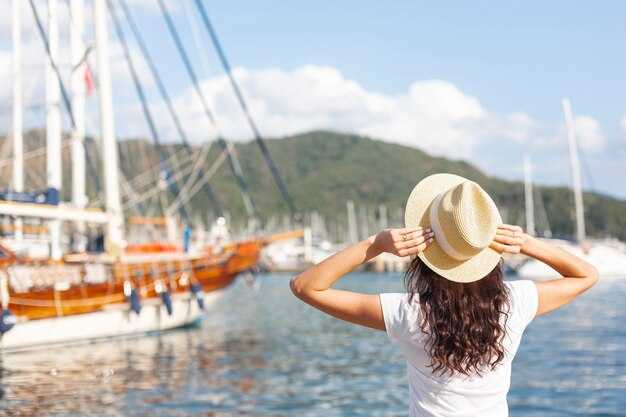
Begin with a half-day Soufrière shore excursion that typically runs 3–4 hours and pairs Tet Paul Nature Trail viewpoints with a Diamond Falls stop and a tropical picnic. Your catamaran will moor at a designated pier, and guide pierre leads a gentle ascent up the slopes to viewpoints reaching across the windward coast toward the twin Pitons. The basic picnic basket purchased on board features fresh fruit and local bread for golden-hour bites that feel comfortable and easy.
Next, head to Pigeon Island National Landmark for a 40–60 minute loop along designated trails, past fascinating fortress ruins, with a picturesque panorama over Rodney Bay. The winds offshore keep the sea lively and the air refreshing, and the built paths are constructed to be easy and accessible. Within this short stop you can capture dramatic angles over the turquoise water and avoid delays that squash time.
Finish with a Castries market stroll to experience everyday life within a few blocks of the harbor. Sample roasted coffee, local pastries, and spice blends, and purchase a few locally made keepsakes–shawls, baskets, and rum-soaked fruits–so your souvenirs are authentic. This compact stop is comfortable and satisfying, tying your morning into a friendly taste of St. Lucia’s culture.
Practical tips: book shore excursions in advance, wear comfortable shoes, bring sun protection and water, and choose a sequence that keeps you within the cruise’s time window. For a smoother day, aim to combine activities in a way that you reach the ship with time to spare before departure.