


 Italiano
  English (UK)
  Русский
  العربية
  日本語
日本語  한국어
한국어  Magyar
  Türkçe
  Español
  Čeština
  Svenska
  Português
  Ελληνικά
  Suomi
Suomi  Nederlands
  Română
  Français
  Polski
  Українська
  Deutsch
  简体中文
简体中文  Slovenčina
  Sardinia Yacht Charter Guide – Top Routes & Marinas">

Inizia con un giro di quattro-sei giorni: Olbia → Arcipelago de La Maddalena → Costa Smeralda (Porto Cervo) → Cala Gonone. Questo programma sfrutta al meglio i venti affidabili della Sardegna, ti porta in porti turistici riparati e includerà historical posizioni, spiaggia momenti, e frutti di mare porti lungo la costa.
Per un equilibrio itinerario, iniziate con una veleggiata mattutina da Olbia a La Maddalena, ancorate vicino a Cala Spalmatore o Cala Granara, quindi trascorrete il pomeriggio exploring le calette gioiello in tenero. Il winds privilegiare questa tratta verso la fine della primavera e l'inizio dell'estate, con pomeriggi calmi per una dedicated il team per mostrarti spiagge nascoste e spiaggia tramonti. Dopo La Maddalena, scivola verso Porto Cervo per sontuoso cena e passeggiata attraverso historical strade, per poi terminare con un tratto costiero verso Cala Gonone, famosa per la sua costa spettacolare e un'eccellente location sulla costa orientale della Sardegna.
Scegliete marina con servizi affidabili: Olbia Marina, Golfo Aranci, Porto Cervo Marina e La Maddalena Marina. Il vostro piano può includere rentals di attrezzatura per snorkeling, paddleboard e di base scuba kit, mentre i tuoi crew gestisce le verifiche meteorologiche e gli scali portuali. Un dedicated il capitano può modificare le rotte per rimanere in calette protette quando il vento si alza, mantenendo la tua navigazione confortevole e senza intoppi.
Per gli amanti della gastronomia, la Sardegna offre un menù a base di pesce in ogni porto. A Olbia, Palau e Cala Gonone troverai scampi freschi, pesce alla griglia e ragù di granchio nelle taverne sul lungomare vicino al spiaggia bordi. Questo location offre una serie di oasi dove potrai godere di un sontuoso pasto e un dedicated Momento del tramonto sul ponte.
Porto Pollo come punto di partenza per la vela in Sardegna
Inizia la tua navigazione in Sardegna da Porto Pollo prenotando un charter con equipaggio che salpa all'alba, lasciando che il capitano si occupi della rotta mentre tu ti rilassi sul ponte. Una tipica tratta verso l'arcipelago de La Maddalena copre circa 20-30 miglia nautiche, ovvero 4-6 ore a velocità costiere e con una brezza costante lungo la costa. Questa configurazione ti offre flessibilità, con l'approvvigionamento e gli adeguamenti meteorologici gestiti dall'equipaggio, garantendo un inizio agevole della tua settimana.
Una volta superato lo stretto, un arcipelago di rifugi e calette vi aspetta attorno a Spargi e Budelli. La vicinanza di Porto Pollo vi permette di combinare giornate di sport velici con la navigazione a vela, così potrete passare da una rilassante crociera all'ancoraggio vicino alla Spiaggia Rosa di Budelli (soggetta a regole di accesso) per poi rifugiarvi in baie riparate vicino a Caprera. In un piano tipico, potete rimanere 3-4 notti nei siti della Maddalena, con brevi spostamenti e tanto tempo per snorkeling, tramonti e tranquille passeggiate costiere.
Lungo la costa si trova un mix cosmopolita di opzioni di ristorazione. La Maddalena ospita una manciata di ristoranti con frutti di mare e pasta, mentre Caprera offre ambienti più intimi per una cena rilassante. I loro menu enfatizzano il pesce fresco, i vini locali e i piatti costieri creativi. Dopo una cena rilassante, puoi passeggiare sulla sabbia e poi pianificare una serata romantica in una caletta tranquilla con vista sul mare. I siti storici lungo Caprera e la costa interna fanno eco alla lunga storia marittima delle isole, comprese le note delle rotte commerciali dell'epoca romana.
La stagionalità definisce ogni charter da Porto Pollo. Durante tutto l'anno, Porto Pollo attrae un mix cosmopolita di velisti da tutta Europa, con una domanda crescente che mantiene i porti turistici affollati, ma offre comunque giornate tranquille e folle gestibili. Un charter con equipaggio qui è adatto a chi cerca flessibilità, affidabilità nell'approvvigionamento e un itinerario che favorisca i siti dell'arcipelago della Maddalena. Per massimizzare la tua esperienza, ancora in piccoli rifugi intorno alla Maddalena, prenota Spiaggia Rosa e altre spiagge per le visite mattutine quando i permessi lo consentono e pianifica tratte costiere più lunghe per assaporare la costa in un'atmosfera rilassata.
Porto Pollo Docking: Ormeggi, Tariffe e Servizi Locali
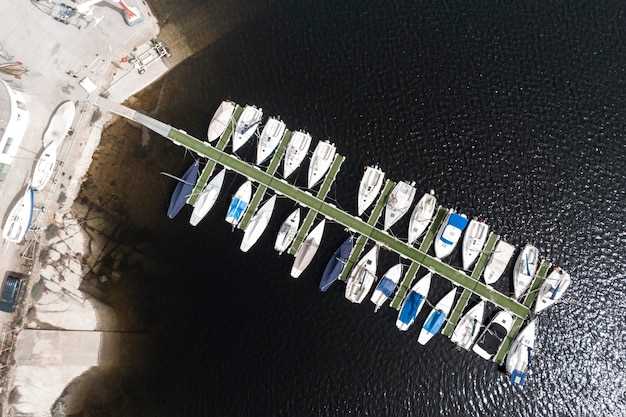
Prenota subito un ormeggio per l'alta stagione per assicurarti un posto; il porto turistico di Porto Pollo offre circa 60 ormeggi lungo la banchina occidentale, con acque cristalline e uno sfondo pittoresco. Le profondità variano approssimativamente da 2,5 a 3,5 metri con la bassa marea, adatte a imbarcazioni da 7 a 20 metri. Gli ormeggi sono assegnati dal club e dal comandante del porto e la disponibilità in tempo reale è pubblicata nella guida; prenota in anticipo per evitare stress e trascorrere un soggiorno indimenticabile. I velisti tornano sempre, attratti dall'equipaggio cordiale e dalla vicinanza alle opzioni di noleggio.
I posti barca possono ospitare yacht dai 7 ai 20 metri, con un mix di pontili a pettine e un piccolo bacino esterno. Le profondità variano dai 2,5 ai 3,5 metri con la bassa marea, garantendo un ormeggio sicuro per la maggior parte delle imbarcazioni da crociera. Il comandante del porto, supportato dal club, assegna gli scivoli e gestisce gli ormeggi per gli ospiti; recenti aggiornamenti hanno migliorato l'illuminazione, le colonnine e i punti d'acqua. Il sito ha ospitato regate e giornate del club, costruendo una storia di marinai che ritornano sempre.
Tariffe e pacchetti: l'ormeggio giornaliero varia in genere da 1,8 € a 3 € al metro, con pacchetti settimanali e mensili che offrono sconti. L'elettricità è disponibile con prese da 16A o 32A; l'acqua è inclusa nei soggiorni più lunghi o viene addebitata al metro per le brevi visite. Si applica una piccola tassa per il servizio del porto turistico. Per le visite più lunghe, richiedete un posto barca stagionale che includa elettricità, acqua e Wi-Fi per semplificare i pagamenti. Il porto è in grado di ospitare imbarcazioni di diverso tipo, sia cruiser classici che racer moderni. La configurazione è molto comoda per gli skipper che hanno in programma una sosta veloce, e in alternativa è possibile ancorare nel bacino esterno se gli ormeggi sono al completo.
Servizi e collegamenti locali: il porto ospita un nucleo compatto di servizi con una fornita rivendita di articoli nautici, un piccolo cantiere di riparazioni e opzioni di noleggio per scooter, auto e derive. Le strutture a terra includono docce, lavanderia e Wi-Fi affidabile; una serie di negozi e caffè fiancheggia le pittoresche strade che conducono a spiagge sabbiose e calette. Lo staff del Porto Pollo Club può organizzare gite guidate, crociere giornaliere ed escursioni di snorkeling, collegandoti a un ventaglio di infinite attività sulla costa occidentale. La zona è un insieme di paradisi della vela ricchi di storia, comunità e volti cordiali; da qui si ha facile accesso alla terraferma tramite traghetti e strade costiere. Creando un senso di connessione, il porticciolo turistico invita gli ospiti a esplorare ancora e a scoprire i suoi stili unici, dal classico al contemporaneo.
Da Porto Pollo a La Maddalena: Brevi Itinerari Costieri

Inizia con un piano in due tappe: salpa da Porto Pollo a Capo d’Orso per un pranzo al riparo, poi prosegui per La Maddalena per arrivare al tramonto. La prima tappa copre all'incirca 10-12 nm lungo la costa azzurra e una costa di roccia, in genere 1,5-2 ore a una velocità costante di 6 nodi. A Capo d'Orso puoi ancorare in una caletta riparata o attraccare in un piccolo porticciolo per fare rifornimento e sgranchirti le gambe.
La tappa 2 si snoda per 14–18 nm da Capo d'Orso a La Maddalena attraverso acque libere, con tempi di percorrenza tipici di 2,5–3 ore a 6 nodi. Lungo il percorso si costeggia la Costa Smeralda in alcuni punti; si consiglia una deviazione per pranzo a Cala Capra se le condizioni lo permettono. Una volta a La Maddalena, il porto turistico vi pone a portata di mano di scenari di mare aperto e di una selezione di locali che spaziano da ristoranti stellati Michelin a ristoranti di pesce informali, perfetti per una serata sontuosa.
Consigli per questa breve escursione costiera: scegliete i mesi tra maggio e settembre per godere di una luce migliore e di mari più calmi; gli ancoraggi in calette isolate intorno a Capo d'Orso e all'arcipelago della Maddalena offrono un silenzio senza pari, mentre i porti turistici più frequentati vi tengono connessi. Il percorso si snoda tra isolotti a forma di fagiolo e si apre su un panorama blu intenso; La Maddalena si trova al largo della punta nord-orientale della Sardegna, rendendo facile concludere qui con una giornata dedicata all'esplorazione delle vie acciottolate della città e a una navigazione al tramonto. Un tempo i Romani solcavano queste acque; oggi la stagione delle regate aggiunge energia al porto. Per un tocco gastronomico, potete assaggiare un mix di taverne informali e ristoranti stellati Michelin nei resort vicini.
Se desideri estendere leggermente la crociera, Tharros è una gita secondaria fattibile lungo la costa occidentale, offrendo un arco in contrasto con lo scenario dell'arcipelago calcareo e un assaggio diverso del patrimonio marittimo della Sardegna; in questo breve percorso, però, rimani principalmente all'interno delle corsie blu e riparate che rendono questo tratto uno dei mezzi più piacevoli e moderni per esplorare la costa sarda senza lasciare gli angoli più spettacolari dell'isola.
Marina del Nord Sardegna: Panoramica di Olbia, Palau e La Maddalena

Scegli Olbia come punto di partenza per una rilassante settimana in yacht, grazie ai rapidi collegamenti di trasporto, alla facile accessibilità all'aeroporto e ai servizi costieri che semplificano la logistica.
La zona del porto turistico di Olbia unisce un vivace centro costiero con scorciatoie interne verso il paesaggio della regione. Le strutture includono alimentazione da terra, acqua, svuotamento delle acque nere, Wi-Fi affidabile e un negozio di articoli nautici ben fornito, rendendo facile prendersi cura delle esigenze di routine della barca senza deviazioni. Il complesso offre anche zone rifornimento carburante, sicurezza 24 ore su 24, 7 giorni su 7 e un comodo approvvigionamento in città, così puoi rimanere concentrato sul goderti l'acqua. Per le uscite giornaliere o le tratte più lunghe, puoi partire tardi e raggiungere comunque le baie riparate prima del tramonto.
Palau si distingue per un'atmosfera più personale e accogliente, adatta a brevi traversate e tratte tra isole. Il porticciolo di Palau offre un accesso diretto all'arcipelago de La Maddalena e alle sue acque turchesi vicine, perfette per nuotate rilassanti e ancoraggi in calette isolate. I collegamenti di trasporto da Palau al centro de La Maddalena e i traghetti per l'arcipelago sono diretti, offrendoti la possibilità di cambiare programma al volo se il tempo o l'umore cambiano. Dedica una giornata a esplorare una caletta nascosta. La traversata per La Maddalena è solo un breve tragitto in barca.
Una gita giornaliera nell'entroterra a Sassari offre cultura e architettura, un piacevole contrasto con la vita isolana. La Maddalena offre un finale spettacolare con numerosi porti turistici e ampie acque protette vicino all'arcipelago. Puoi tenere la tua barca vicino al centro della città o propendere per ormeggi più appartati a Caprera o nelle isole esterne. Lontano dalla banchina, l'acqua è cristallina e la luce del tardo pomeriggio crea scenari indimenticabili. Oltre alle opzioni di navigazione, questa zona offre ormeggi che supportano gli appassionati di yachting che desiderano soffermarsi, incluse escursioni a terra in ristoranti locali e la possibilità di assaggiare le specialità regionali dalle loro flotte.
Consigli pratici: scegliete Olbia per il miglior equilibrio tra accesso ai trasporti e servizi, poi scivolate a Palau per giornate tranquille e rapidi salti a La Maddalena. Se desiderate un circuito costiero, prenotate una settimana per circolare tra questi porti turistici, con una sosta finale a La Maddalena per coronare l'itinerario. Durante la pianificazione, considerate gli aggiornamenti dell'alimentazione da terra e le maggiori opzioni di approvvigionamento durante l'alta stagione, e ricordate che una programmazione flessibile vi aiuta a massimizzare le finestre meteorologiche. Ogni membro del vostro equipaggio apprezzerà i fluidi collegamenti di trasporto - via traghetto, strada o barca - e l'atmosfera accogliente e costiera di ogni porto, assicurando che il vostro viaggio sia indimenticabile.
Charter Options: Bareboat, Crewed, and Vessel Sizes
Per la maggior parte dei gruppi, una charter con equipaggio è il punto di partenza ideale in Sardegna, offrendo un viaggio cristallino e senza problemi, con un equipaggio dedicato che si occupa di navigazione, rifornimenti e ormeggio, mentre voi vi concentrate sulla bellezza della stagione e sul fascino delle destinazioni vicine.
- Bareboat charter
Definition: Tu comandi lo yacht e navighi da solo, scegliendo rotte tra destinazioni rinomate come Costa Smeralda, La Maddalena e Alghero. Dimensioni ideali dell'imbarcazione: monotipi da 30-40 piedi o catamarani da 38-45 piedi, tipicamente 2-4 cabine, adatti per 2-6 ospiti. Considerazioni pratiche: forti capacità di navigazione, consapevolezza del tempo e sicurezza nelle manovre di ormeggio sono essenziali. I costi variano a seconda della stagione: approssimativamente €5.000-€9.000 a settimana in bassa stagione per una barca a vela di medie dimensioni, che sale a €8.000-€15.000 in alta stagione; i catamarani aggiungono circa €1.000-€4.000 a seconda del livello di comfort. Pro: controllo diretto, percorso flessibile, potenziale risparmio. Contro: gestisci l'approvvigionamento, le maree e la sicurezza lungo i porti turistici affollati.
- Charter con equipaggio
Definizione: Un capitano e un equipaggio dedicato si occupano della navigazione, dell'ormeggio, della provvista e della pianificazione del percorso, offrendo un'esperienza senza interruzioni. Più adatto a visitatori occasionali o a gruppi che danno la priorità al tempo a terra. Dimensioni tipiche dello yacht: imbarcazioni da 40-60 piedi con 3-4 cabine sono adatte per 6-8 ospiti; imbarcazioni più grandi (60-100 piedi) ampliano le opzioni di cabina e i servizi a bordo. In Sardegna, un equipaggio di livello mondiale può personalizzare gli itinerari da Olbia e Porto Cervo a La Maddalena e alla costa corsa, mentre voi godete del panorama e dei porti culturali tra le tappe. I costi settimanali variano comunemente tra €12.000-€25.000 per imbarcazioni da 40-50 piedi, €25.000-€60.000 per imbarcazioni da 60-80 piedi e €60.000+ per imbarcazioni da 80-100 piedi o superiori, con servizi inclusi variabili a seconda del charter.
- Dimensioni e configurazioni delle imbarcazioni
Panoramica: le dimensioni influenzano il numero di cabine, lo spazio abitativo e la velocità di crociera. Yacht piccoli (30-40 piedi) si adattano a coppie o due famiglie, solitamente 1-2 cabine; di medie dimensioni (40-60 piedi) ospitano 3-5 cabine per 6-10 ospiti; grandi (60-80 piedi) e superyacht (80+ piedi) offrono 4-8+ cabine e ampi saloni. I catamarani offrono più spazio sul ponte e una manovrabilità più stabile, ideali per le baie intorno a Cala di Volpe o La Maddalena; i monoscafi sono più sportivi e veloci sotto vela. In Sardegna, le opzioni variano da 38-50 piedi per itinerari flessibili a 60-100 piedi per soggiorni esclusivi in resort e hub di marina. Quando si pianifica tra Olbia, Golfo Aranci e Porto Cervo, abbinate le esigenze di cabina del vostro gruppo all'area lounge preferita e al ritmo di navigazione. Gli interni possono presentare uno stile ispirato a loro e finiture di pregio, migliorando il senso di lusso a bordo del vostro yacht.
Stagionalità e Pianificazione: Venti, Meteo e Periodi di Picco
Pianifica la tua vacanza in barca a vela in Sardegna per May o September per godere di vento costante, acque calde e periodi meno affollati. In questi mesi di spalla, le mattine rimangono abbastanza calme per brevi spostamenti lungo la costa da Stintino a La Maddalena, con albe rosa e serate idilliache sulle acque del mediterraneo.
I venti tipici del Mediterraneo provengono dal Maestrale in primavera, portando raffiche di 15–25 nodi verso la tarda mattinata; lo Scirocco aumenta le temperature e le raffiche a 20–30 nodi nelle giornate calde. L'autunno può portare fronti Grecale o Tramontana che rendono il mare agitato in acque libere. Controlla con esperti per le ultime previsioni, quindi pianifica un percorso attraverso several porti dove puoi ripararti se arriva un acquazzone.
La stagione di punta va da luglio ad agosto; i porti turistici di Olbia, Golfo Aranci, Cagliari e La Maddalena si riempiono fino a capienza, quindi prenotate le banchine con settimane di anticipo. I porti trafficati offrono un'atmosfera cosmopolita city vibes and easy access to fresh seafood. For them, a traditional Champagne moment on deck becomes the highlight of a long day, while having several porti nelle vicinanze mantiene gli itinerari flessibili.
Le rotte della spalla ti permettono di scoprire le coste idilliache di Stintino, la lussuosa costa di Cala di Volpe e l'arcipelago de La Maddalena attraverso insenature selvagge e naturali. Un tipico breve salto da Stintino a una cala a forma di fagiolo nelle vicinanze, poi a Cala Corsara, ti dà un senso del paesaggio, con formazioni rocciose accattivanti e acque turchesi. Pianifica attraverso acque per raggiungere porti più tranquilli quando il vento si alza.
Per gli appassionati di acqua, programmare scuba experiences in protected bays when wind sits down. In these idyll ic spots you glimpse native life and treasure-laden reefs, while mornings offer the clearest glance at wildlife. The mediterranean’s palette shifts from pink dawns to deep blue afternoons, a pattern typical of Sardinia’s spring and autumn transitions.
Per pianificare con sicurezza, monitora le previsioni fornite da enti locali esperti, mantenete itinerari flessibili e prenotate i posti più importanti con sei o otto mesi di anticipo in alta stagione. Portate con voi strati di abbigliamento, protezione solare e un piano per spostarvi in porti riparati quando si avvicinano acquazzoni. Con questi suggerimenti, potrete godervi il meglio dei venti e delle acque del Mediterraneo, con un senso di avventura e un ritmo che si adatti sia ai porti vivaci che al silenzio idilliaco.