


 Italiano
  English (UK)
  Русский
  العربية
  日本語
日本語  한국어
한국어  Magyar
  Türkçe
  Español
  Čeština
  Svenska
  Português
  Ελληνικά
  Suomi
Suomi  Nederlands
  Română
  Français
  Polski
  Українська
  Deutsch
  简体中文
简体中文  Slovenčina
  San Diego Whale Watching Tours – Top Guided Tours & Whale Sightings">

Book an early-morning excursion with a reputable operator to maximize your odds of close cetacean encounters. The calm dawn sea paints the bay in silver, with a band of seabirds circling above feeding grounds. If you’re seeking an all-in experience, pair this with a sunset dinner at a grill-side restaurant along the waterfront.
For those staying near the harbor, lodging along the waterfront offers rooms with front-row views. The balboa vibe in the area adds a relaxed rhythm, and a short ferry ride to an adjacent island or a quick tram hop between piers lets you compare currents and water color from the side of the bay. Those who want a faster pace can choose a fast catamaran that preserves stability and cuts travel time. These options offer a flexible schedule for families and solo travelers. Locals strongly endorse this approach.
The oldest operators on the bay deliver two- to three-hour itineraries designed for families, couples, and solo travelers. Their crews stay loyal to a safety-first philosophy and offer expert narration about migration patterns and local habitats. isnt it clear that an ideal timing comes from pairing a morning cruise with a harbor-side walk? Those who want a broader view can add a stroll to a nearby island outpost and explore the waterfront attractions.
After the ride, plan a quick dinner at a nearby grill to sample seafood caught that day. For lodging, choose a property with rooms that open to a canal or promenade–this makes the golden hour a theme that elevates photos and memories, inspired by the coast’s rugged beauty. The lineup offers a fast, efficient rhythm, with dining options that feel ideal for families and inspire couples, thanks to hard-working chefs who decide to focus on fresh, local ingredients.
Comprehensive Guide to San Diego Whale Watching & Coronado Dolphin Encounters
Recommendation: Book the 7:00–9:00 a.m. on-site charter from the Coronado Ferry Landing; this two-hour window offers the largest chance of cetacean encounters.
Opt for a vessel with a knowledgeable host who shares recent data on pods; these on-site naturalists run sessions that explain behavior, tell you how to identify families, and highlight favorites with original commentary between feeding bouts and breezy breaches.
On-water expectations: most programs last 2–3 hours, with routes circling the Coronado area and nearby shelf breaks. You’ll most often see bottlenose dolphins, common dolphins, and occasional large cetaceans when recent data signals migration or feeding hotspots. Those observations depend on tides, wind, and water clarity; adjust your plan to the latest data before heading out.
Coronado Dolphin Encounters delivers a one-of-a-kind experience aboard a mid-size vessel, with both exposed decks and an on-site indoor, climate-controlled area. Visitors can choose between close-quarters viewing and zoomed-out panoramas; between the harbor entrance and the outer sea, you’ll get the perfect point for photos. The host will explain origin and behavior, to paint a clear picture of the animals’ life in this coastal ecosystem.
Practical tips: check the latest schedules, confirm hours, and book with an operator that has on-site staff; bring water and a light drink; note the smell of sea air and sunscreen; these are things to remember. For best visibility, sit by the square windows on the starboard side; those seats offer the clearest views. If you want a calmer experience, choose indoor seating when seas are choppy. Those who learn fast can capture data and paint a mental map of where pods gather. Between coves, observe the point where dolphins typically converge near the harbor. This is part of the learning journey for visitors; ask the host to describe attractions and share favorites. fiesta. yoru
Best Seasons and Sighting Windows for Whale Watching from San Diego
Recommendation: Target late January through February for the most reliable cetacean encounters along the thriving coastline within the seaport area of America.
December through April concentrates southbound gray cetaceans within 5–15 miles of the coast; encounters peak on calm, clear days when cold water upwelling brings nutrient-rich currents to the surface. Each excursion benefits from light winds, improving visibility; seals often land on offshore rocks away from the busy piers.
May through July shifts toward offshore feeding giants such as blue and fin cetaceans; visibility improves with longer daylight and warmer air, increasing opportunities for close approaches near the channel’s edge. For best odds, pick a tour when seas are mild and winds are light, often in the early morning hours.
July–September brings peak counts of blue cetaceans, with occasional encounters of other large mammals along the coastline. Calm mornings boost the likelihood of close views from protected bays; after the viewing, guests can stroll the waterfront, enjoy indoor galleries, or browse broadway-adjacent shops. Nearby beaches provide a quick shoreline option, and the on-site staff serves hot coffee and binoculars; the area’s shopping district offers additional options, including a ghirardelli stop.
October through November still yields opportunities as migrating activity slows; available excursions may focus on late-season pods lingering near offshore ledges. Guests from america and india can enjoy the chance to observe these fantastic mammals without long trips. The seaport area, located along the coastline, offers shack-style eateries and easy access to broadway-inspired venues for post-tour relaxation.
Practical tips: dress in layers to handle cold water; bring a compact camera; many vessels carry inflatables as safety aids in calm conditions. Lodging in the vicinity includes suites with harbor views, and trendy hotels with on-site amenities and parking. After a tour, guests can explore beaches, browse shopping outlets, and savor chocolate at a ghirardelli shop; the coastline serves as a fantastic hub for families in america. If events happen, the crew is ready to assist with interpreting behavior and securing a good view.
Coronado Tour Options: Vessel Types, Itineraries, and Dolphin Encounters
Recommendation: Start with a mid-morning catamaran cruise for fine stability, expansive spaces, and optimal location-based viewing; it’s considered the best setup for vacationers who don’t want to miss key dolphin moments.
Tipi di imbarcazioni
- Catamaran cruisers: stable platforms, broad spaces, shaded lounges, and heads onboard; good-griping rails keep heads steady during light swells. Typical capacities range around 40–70 guests, making them ideal for vacationers seeking comfort and clear sightlines.
- Monohull motor yachts: intimate viewing from the bow, tighter spaces, and single-level decks; better for small groups seeking a focused experience and closer encounters without feeling crowded.
- Rigid-hulled inflatable boats (RHIBs): fast and agile, placing you closer to pods; closed cabins on some models offer wind relief, while non-slip decks improve traction for quick, active sessions.
- Electric-hybrid harbor launches: quiet operation minimizes disturbance to wildlife; preserve the ambience of coastal locations and suit guests prioritizing a low-emission option.
Itinerari
- Classic Coastal Voyage (90 minutes): depart near the Ferry Landing, glide along the main shoreline, and pass naval hotspots with onboard narration delivering insights into local ecosystems; sessions run throughout the day. Baja-inspired bites and fries from miguels and jollas pop-ups may be offered on select sessions for a light indulgence while sightseeing.
- Afternoon Exploration (120 minutes): extended window for dolphin activity and seabird chatter, with golden-hour lighting improving photography chances; targets main vantage points and hotspots for steady, level viewing; includes a casual onboard tasting and kid-friendly games for families.
- Coastal & Cultural Combo (150 minutes): longer glide with a brief shore stop at a nearby attraction, plus on-board micro-classes about marine life; the blog and insights boards add context for museum-lovers who want deeper learning before or after visits to area museums.
Dolphin Encounters
- Observing tips: maintain a respectful distance, avoid feeds, and preserve the animals’ spaces to keep the interaction safe and sustainable; crews monitor distance and designate viewing zones to protect the soul of the watching experience.
- Best timing: afternoon sessions often yield richer light and more frequent pod activity; aim for calmer conditions and avoid restricted or closed zones to maximize opportunities at hotspots around the coast.
- Educator moments: onboard talks (classes) cover dolphin behavior, conservation efforts, and regional history; these insights help you level up your understanding and enrich your visit to local attractions, blogs, and events.
- Practical notes: expect a few moments when you miss a pod and then witness another group; use the main deck spaces for optimal viewing, and keep loose items secured for smoother rides.
What You’ll Likely See: Whales, Bottlenose Dolphins, and Other Marine Life
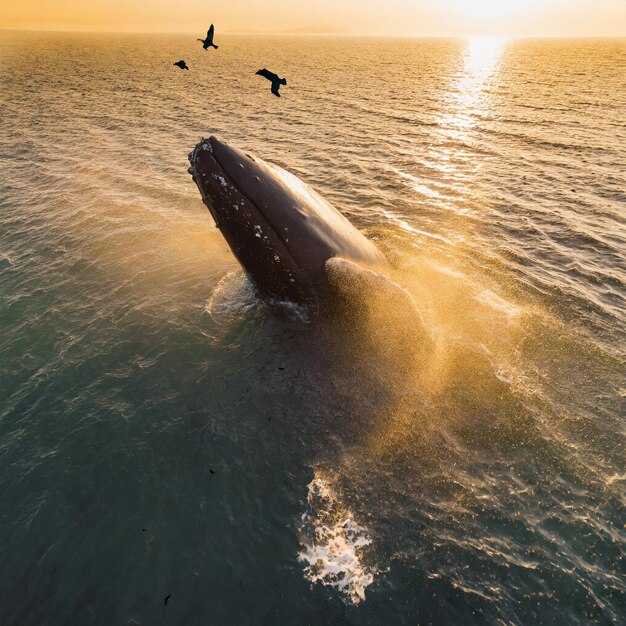
Book a small-boat sunrise departure to maximize close-up views; calm winds and clear light improve sight lines within the first hour after leaving the harbor.
Dolphin pods are the most reliable presence, often surrounding the bow with acrobatic jumps and playful behavior that makes for unforgettable moments.
Across the city shoreline you’ll also spot California sea lions hauled out on platforms and a chorus of seabirds skimming the surface; occasional jellyfish glints add color above the water.
Seasonal patterns vary: in calmer seasons, large cetaceans may be seen offshore during migration windows, while rough days can be challenging but still productive with a patient captain and flexible route.
Per ottimizzare l'esperienza al massimo, scegli un'opzione personalizzabile e di lusso con uno skipper esperto: questo ti permette di adattare il percorso ai tuoi interessi e massimizzare le possibilità di incontrare vita attiva sopra e sotto la superficie. Avere un piano e conoscere gli schemi del vento ti aiuta a stare comodo negli spazi con sedute riparate.
Se hai intenzione di abbinare la tua visita costiera con attrazioni correlate, alcuni itinerari si estendono verso percorsi del Pacifico più ampi (comprese connessioni simili alla costa messicana) per ampliare le prospettive e i sapori della scoperta; porta con te uno zaino minimal con acqua fresca e un cappello, e valuta di portare libri o guide per migliorare la tua comprensione delle specie che stai osservando.
Valuta seriamente una partenza anticipata e tranquilla per massimizzare il comfort e le opportunità di vedere da vicino. Lungo la costa della città, noterai l'acqua circondata da viste sullo skyline, e l'esperienza si abbina bene a spiagge, aria fresca e una rapida fuga dal ritmo quotidiano.
Facilmente raggiungibili spiagge e ristoranti urbani, la giornata può fondersi con i sapori della città: note urbane, accenti italiani e bocconi svizzeri, creando un'uscita completa che puoi personalizzare in base al tuo umore e ai tuoi impegni.
| Group | Cosa aspettarsi | Tips |
|---|---|---|
| Tursiopi | Molto comuni, gruppi di 5-20 individui spesso circondano la prua; salti e colpi di coda sono frequenti. | Posizionarsi vicino alla parte anteriore; mantenere la voce bassa; meglio nelle prime ore del mattino o dopo l'alba. |
| Grandi cetacei | Occasionali impulsi al largo durante le finestre di migrazione; soffi e pinne dorsali visibili nei giorni calmi. | Usa un obiettivo zoom; la pazienza aiuta; le prossime stagioni potrebbero offrire maggiori opportunità. |
| Uccelli marini e leoni marini | Pellicani e gabbiani volteggiano sopra i banchi di pesci; leoni marini riposano su scogli e boe. | Scansiona gli eddy per eventi di alimentazione; evita di affollarti vicino alla fauna selvatica. |
Cosa portare, come vestirsi in base al meteo e come stare comodi a bordo
Vestiti a strati e porta con te solo l'essenziale: uno strato base traspirante, aggiungi uno strato intermedio caldo e completa con un guscio impermeabile compatto per la brezza sul ponte. Usa una piccola borsa con tasche ad accesso rapido per crema solare, balsamo per le labbra e uno strato antipioggia. Pianifica le giornate in mare mettendo in valigia un cambio di calze e una maglietta extra.
Cosa portare: crema solare, un cappello a tesa larga, occhiali da sole e una sciarpa leggera; una giacca antivento e pile; calzini di ricambio; rimedi per il mal di mare; una borraccia riutilizzabile; e una piccola scorta di snack (pane, noci, frutta). Avere contanti a portata di mano per mangiare a bordo o per acquisti dai venditori; assicurarsi di portare eventuali farmaci necessari e una borsa etichettata. Se sei registrato, puoi accedere ai posti a sedere prima; scegli una borsa compatta che non blocchi i corridoi. Imballa gli oggetti in una borsa leggera che poggi piatta sul palco durante il movimento. Questa configurazione può aiutare a massimizzare le possibilità di una visuale ottimale.
Vestiti in modo adeguato al meteo: le mattine possono sembrare come una nebbia vittoriana sopra un mare immenso, quindi vestirsi a strati è essenziale. Uno strato di base traspirante, uno strato intermedio caldo e un guscio che blocca gli spruzzi saranno sufficienti per la maggior parte dei giorni; guanti e cappello aiutano all'alba o al tramonto. Scarpe con suole piatte o antiscivolo forniscono trazione su un ponte scivoloso e il personale di bordo che parla spagnolo può assisterti con domande su taglie o vestibilità.
Comfort a bordo: idratarsi spesso, evitare pasti pesanti prima della partenza e scegliere snack leggeri; scegliere posti a sedere con vista sull'acqua per ammirare il panorama migliore; quando l'imbarcazione incontra un'onda, rimanere seduti e tenersi al corrimano. In caso di nausea, concentrarsi sull'orizzonte, sedersi a metà nave e considerare rimedi a base di zenzero o per il mal di movimento. Niente batte una routine costante: piccoli riposi, movimenti delicati e dispositivi sempre carichi. In caso di esigenze particolari, comunicarle nuovamente all'equipaggio in modo che possa predisporre posti a sedere accessibili. La disposizione del traghetto è progettata per bilanciare sole e ombra, con ponti aperti e angoli tranquilli per godersi momenti infiniti con spunti eco-compatibili. Scoprire la cultura e gli habitat locali e considerare una sosta da Miguel per un caffè o uno snack; è possibile pagare in contanti o utilizzare la connessione Wi-Fi gratuita e riflettere sulla giornata nel proprio blog. Le località lungo il percorso variano, quindi è bene avere un piano flessibile e accesso a servizi igienici e aree ristoro. I ristoranti vicini al porto possono offrire spuntini veloci. L'equipaggio esperto può offrire consigli per una visione ottimale e affrontare ogni giorno con attenzione per l'intero gruppo.
Come Scegliere un Tour Guidato: Consigli per Famiglie, Fotografi e Viaggiatori Soli
Inizia scegliendo un fornitore con prezzi trasparenti e due sessioni: un'opzione diurna adatta alle famiglie e una corsa più lunga, incentrata sulla fotografia, in grado di accogliere famiglie, coppie e viaggiatori singoli. Primi passi: verifica la politica di cancellazione e il piano di emergenza in caso di maltempo.
Per le famiglie, la sicurezza, una narrazione chiara e ampi spazi sul ponte sono gli aspetti più importanti. Cercate equipaggi che accolgano i bambini con temi adatti a loro, posti a sedere ombreggiati, pause facili e dessert offerti a bordo, contribuendo a mantenere alti i livelli di energia e desta l'attenzione. Il giusto capitano e un servizio attento fanno la differenza.
Per i fotografi, date priorità a finestre di osservazione più lunghe e al permesso esplicito di installare treppiedi. Chiedete informazioni sui percorsi che toccano punti strategici in diverse posizioni, con la possibilità di riposizionarvi durante il tragitto per inquadrare uccelli marini e soggetti in movimento.
Per i viaggiatori singoli, preferite piccoli gruppi e un equipaggio accogliente che possa aiutarvi a entrare in contatto con gli altri. Assicuratevi un check-in rapido, chiare istruzioni di sicurezza e uno staff orientato al servizio che supporti i vostri obiettivi – scelte che si adatterebbero al vostro stile, mentre altre no.
Equipaggiamento e tempismo pratici: porta con te indumenti caldi per il vento freddo e l'aria notturna, una fotocamera affidabile con un teleobiettivo, batterie di ricambio e una copertura antipioggia. Se il giro è più lungo, porta con te tè d'orzo per aiutarti a stare al caldo. Mantieni le impostazioni corrette per i soggetti in movimento e considera un treppiede se prevedi di scattare sequenze stabili.
Logistica e atmosfera locale: chiedi informazioni sui luoghi di imbarco e sulle vie limitrofe per un facile accesso, se l'operatore parte dai moli della zona di Belmont o da punti sul lungomare e qual è il momento migliore della stagione. Se la fauna selvatica locale è un tema, otterrai un contesto significativo sul suo habitat e comportamento; alcuni programmi collaborano con un acquario per arricchire le tue conoscenze sulla regione e sui suoi sforzi di conservazione.
Prospettiva per l'avvistamento delle balene: le stagioni determinano dove si svolge l'azione; pianifica uscite all'alba o nel tardo pomeriggio per massimizzare la visibilità e richiedi aggiornamenti sull'attività in modo da poter modificare i piani di conseguenza. Un tramonto color fuoco può concludere la giornata e chi cerca ricordi indelebili dovrebbe scegliere un percorso con una sosta significativa sulla terraferma, un commento coinvolgente sulla scienza e una conclusione soddisfacente con bevande per celebrare la giornata.