


 Italiano
  English (UK)
  Русский
  العربية
  日本語
日本語  한국어
한국어  Magyar
  Türkçe
  Español
  Čeština
  Svenska
  Português
  Ελληνικά
  Suomi
Suomi  Nederlands
  Română
  Français
  Polski
  Українська
  Deutsch
  简体中文
简体中文  Slovenčina
  Sailing the Seychelles – A Practical Island-Hopping Guide">

Book a 7–10 day sailing itinerary with a local skipper to reach the core islands and a handful of sheltered bays. This option fits a couple or a small crew, and also offers steady progress and flexible daily plans when winds shift.
Begin near Mahé with a protected anchorage in Sainte Anne Marine Park, then reach Baie Ternay for shelter, before moving to Praslin’s Vallee de Mai National Park and La Digue’s white-sand beaches. On the way you’ll cover much water, and you’ll discover coves that reward patient sailors with clear seas and coral gardens.
Each stop reveals gems in the archipelago, from Praslin’s palm-fringed coves to La Digue’s traffic-free lanes; the island chain is a destination built for nature lovers and curious travelers alike.
For adventurers, shorter hops keep you close to shore while you log easy miles between anchorages. In protected bays around Mahé and Praslin, you’ll have fast reach to reefs, snorkel sites, and short hikes that reveal the region’s flora and fauna.
White sands glow at sunset, and photos of turquoise lagoons frame your days. In island towns you’ll find restaurants serving Creole-influenced dishes with fresh seafood, coconut, and curry, perfect for refueling after a day on the water.
International airways connect major hubs to Seychelles, with the main gateway near Victoria; from there, yacht bases arrange charters for the first leg of your island cruises. This plan is a key part of a relaxed, well-paced itinerary.
Keep the crew small and nimble, because island hops require careful timing, weather, and provisioning. For couples and friends, a balanced route across Mahé, Praslin, La Digue, and a few offshore bays makes a practical template that minimizes longer passages and maximizes photo opportunities.
Day 4 – Grand Soeur
Book a guided morning tour to Grand Soeur and return by noon to enjoy calm waters and soft light for photos.
Exploring this tiny islet reveals a close habitat that supports much flora and fauna. Cocos palms fringe secluded coves while the reef hosts a variety of reef fish. Truly, the scene feels dream-like at first light, inviting adventurers to move gently and respect the habitat. Last light paints the lagoon amber, creating a moment you’ll want to capture.
Chez launay, a sheltered landing point nearby, serves as a practical starting spot where your crew can regroup before you begin the walk inland. Here’s a practical plan for your day on Grand Soeur:
- 7:30–11:00 AM: snorkel along the shallow reef to spot parrotfish, clownfish, and small rays; stay close to the surface to minimize disturbance to fauna.
- Take a short, tiny trail through cocos groves to a lookout with views across the lagoon; each turn offers a different perspective and photo opportunity.
- Indulge in a brief fishing session with a licensed guide if you want to try a traditional catch, and release anything undersized to protect the habitat.
- Observe shorebirds and native flora along the coastline; this spot highlights how flora and fauna coexist in this sheltered habitat.
- Night option: a quiet beach stroll under the stars, a peaceful end to your trip and a chance to reflect on the day.
Approach and anchorage: best spots and mooring options
Anchor on a buoy off desroches outer reef and approach from the east at slack, then drift in with the current to settle in calm water; this keeps the boat steady and puts you in position for incredible snorkelling and easy access to beaches right away. The spots along the reef offer a short swim to turtle‑strewn flats, and the maneuver is smoother when the crew coordinates a clean line of sight to the buoy.
If you prefer to anchor, look for sandy patches downwind from the reef, located behind mangroves or near small sand spits; use a longer scope to reduce swing and stay clear of the shallow flats. A gentle mane of spray as you approach the lee helps you judge depth and wind, then secure the boat and enjoy the view from the deck during the evening glow. In these areas you’ll find bird-watching opportunities and access to reserves that protect the habitat for hundreds of species.
Spots to consider include desroches outer reef for snorkelling and calm nights, Curieuse Reserve’s mangroves for a sheltered swim and easy kayak or paddleboard access, and Sainte Anne Marine Park for close‑in moorings near beaches and easy shore visits. Located around these zones are official mooring buoys and private moorings that crew members can guide you to; when buoyed, you stay off the coral and still have quick access to shore for hiking, swimming, or a late‑day stroll. If you anchor, always keep a safe distance from washover channels and drop a stern line to hold you down in stronger currents.
For longer hops, you may plan a sequence: desroches first, then move again toward Praslin and Curieuse to maximise sun‑up and evening activity; however, check current charts and tide tables, and respect protected reserves and local rules. The favourite approach is to use a mix of moorings and sand‑bottom anchors, keeping in mind that desroches remains a reliable source of easy access and stable entry, while the surrounding reserves offer incredible wildlife experiences for bird-watching, swim sessions, and snorkelling adventures that feel truly effortless for the crew and guests alike. istotn: источник guidance from local captains confirms these as reliable options for safe, enjoyable island hopping.
Transit timing: wind, currents, and daylight windows
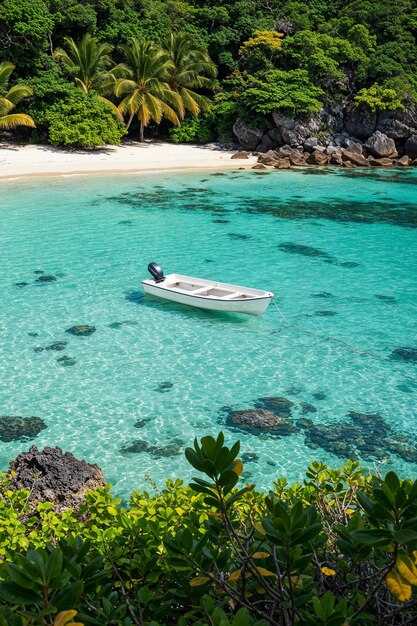
Start the leg between 09:00 and 14:00 local time to maximize daylight and capitalize on steadier winds. An array of forecast sources exists, but pick one reliable source and check a 48-hour window before departure. For legs around desroches and toward pierre, this window gives a little margin to adjust for breeze shifts and currents. A seychellois skipper can guide you to the best place to ride a calm swell, turning a transit into part of your larger dream and adventure.
Wind and current patterns shape five common transit windows along the archipelago. In the typical NE trades of the dry season, winds run 12–22 knots on a steady course; in transition months they drop to 8–15 knots with gusts. Currents move along the main lanes at 1–3 knots, sometimes reaching 4 knots near offshore shelves. volbert, a seasoned navigator, stresses keeping the boat on a track slightly above the direct line so you can catch favorable shifts without losing headway. When you pass above key shoals and near the desroches group, choose routes that stay in sheltered corridors and overlooking the reef edges for safer arrivals.
Daylight windows stay generous year-round, offering about 11–12 hours of usable light. Start by late morning for longer legs, and reach a safe anchor before dusk. If a next leg runs late, keep a prepared back-up route and stay equipped with GPS, tide charts, and a reliable VHF. This approach opens opportunities like island hopping worth pursuing and keeps the dream of adventure alive beyond the reef. Respect the ecosystem around sanctuaries overlooking desroches, and take care of little reefs that sustain seabirds and seychellois habitats, so the next generation of sailors shares that same world, full of opportunities.
Landing protocol: approved landing areas and dinghy handling
Always land at approved landing areas and follow the dinghy handling steps posted at each anchorage; the protocol is designed to protect reefs and sanctuary habitats while keeping your crew safe. Approach with the engine off, keep passengers inside, and have a crew member ready to take the painter and guide the dinghy to shore.
There is an array of designated spots around Mahe, Praslin, and smaller islets such as pierre; these zones are marked on charts and by park staff. Reach shore only at these permitted points and avoid makeshift landings that could disturb endemic species or delicate reef systems. In calm weather, landings can be brief and well organized, while in strong tidal streams you may need to wait for a safe window.
When preparing to land, assign a crew member to assist with the painter, secure bags in the dinghy, and keep the craft close to shore on approach. In wind, head for a designated slip or buoy and land with the bow toward the beach. Never run engines near the reef edge; instead, step off slowly and maintain clear lines between your craft and the shore while taking turns disembarking your party.
Onshore conduct respects wildlife and reef health. Do not touch corals, photograph without crowding sensitive zones, and carry out all trash. Endemic species deserve space; remind your crew to avoid stepping on seagrass beds or nest sites. Restaurants and small barbecue setups exist near some landing points, but use only licensed areas and keep noise to a minimum. If you plan a brief shore break, a glass of Veuve can fit into your schedule only at permitted venues and after you’ve cleared the landing area. источник
| Area | Approved landing area | Dinghy handling highlights | Restrictions |
|---|---|---|---|
| Mahe – South Coast Sanctuary | Shore pad with buoy access | Engine off, two crew to assist, painter to bow | Reefs nearby; stay above high-tide line |
| Praslin – Curieuse Landing Zone | Designated beach marked on chart | Disembark in small groups; keep gear compact | Limit group size; avoid nesting areas |
| Saint pierre Islet | Windward cove with brief access | Use short painter; shore crew receive | Secure craft; no camping beyond shore |
| La Digue – Anse Gauquette | Flagged slip near shore | Speak softly; return dinghy promptly | Respect protected zones |
Snorkeling and reef etiquette: gear, access, and safety tips

Put on reef-safe sunscreen and a properly fitted mask, snorkel, and fins before entering the water. Here is a practical gear guide to help explore the jade reef while protecting the ecosystem and wildlife you came to witness. Much value comes from careful preparation.
Choose a light wetsuit or rash guard to limit sun exposure. Pair it with a buoyant snorkel vest if you are new to exploring, and bring a small dry bag for valuables. Test your mask for a clear view and adjust your fins for a comfortable stride in shallow water. Longer fins provide more glide; shorter fins give better control near reefs.
Access to reefs relies on careful boat handling. Use mooringswith when available to minimize bottom contact. Enter from a stable platform and step gently onto the water, avoiding any contact with living coral while you reach the reef edge. Follow crew signals and keep a close eye on the currents and winds so you stay in calm zones as you begin exploring. If you are caught in a current, signal the boat and rejoin promptly.
Safety first: snorkel with a buddy, discuss your planned route, and have a plan to rejoin the boat. Check the forecast, sea state, and tide; avoid exposure when winds rise or squalls approach. Stay in water shallow enough to see the bottom and maintain a slow, relaxed pace so you can spot wildlife without startling it. Carry a whistle or signaling device and always stay hydrated and sun-protected.
Etiquette and reef care: never touch corals or bottom-dwelling life, keep hands at your sides, and avoid kicking or grabbing with fins. Do not feed or chase wildlife; observe from a respectful distance and let turtles, reef fish, and rays carry on with their routines. If you catch a glimpse of a pretty scene, pause briefly to admire it without blocking others’ access to the best view.
After snorkeling, enjoy a supper on deck and reflect on the long view as you are sailing away. This favourite moment for exploring Seychelles happens when the jade reef glows under a latesail sky and the winds soften. Here, the ecosystem thrives, and so does the wildlife, reminding you to protect these waters for future voyages. Plan your next stop with a mindful approach, using mooringswith to minimize impact and keep the reef healthy for all who sail here.
Supply planning and on-island logistics: water, provisions, and waste management
Plan and execute a concrete water and provisions map for the first two destinations, then refresh stock at each stop, and give yourself confidence to adapt on the move. For a 5–7 day trip with four sailors, target 180–220 liters of potable water and 40–60 liters for cooking and hygiene. Onboard, store drinking water in 2–3 x 20 liter jerry cans and reserve a separate 60–80 liter tank if possible. Use a simple daily ration: 6–8 liters of drinking water per person per day, plus 1–2 liters for cooking and sanitation. This keeps your crew comfortable while sailing between pretty anchorages overlooking sandy bays and turquoise lagoons.
Provisions should mix shelf-stable staples with fresh items from destinations such as mahé and Praslin. Buy rice, pasta, pulses, canned fish, oil, salt, and spices in advance, then top up on landing days at local markets or small grocery stores. Opt for locally caught fish when available to enrich your trip with a native touch and reduce transport; keep a small cooler for fillets after snorkelling sessions. Include soft fruit varieties and bananas for quick snacks during long sails, and stock a few ready-to-eat meals for busy days.
Waste handling requires clear separation: keep recyclables, organic waste, and general waste in separate waterproof bags. Bring back all non-biodegradable items to main ports; use reef-safe soaps for washing; avoid dumping greywater into protected waters. In unesco-protected zones, follow local rules, use designated waste points, and never leave litter or feed wildlife. This approach protects turtles and seabirds, enhances bird-watching experiences, and preserves the wonder of these islands for future sailors, today and tomorrow.
Before departure, confirm water fill access at each anchorage; some harbors provide municipal taps or tanker deliveries, so plan to top up after long sails. When possible, anchor near markets and friendly restaurants that offer take-away provisions or fresh catch. For island-hopping, choose destinations with reliable supply chains: mahé, Praslin, La Digue, and other unesco-protected sites where visitors can restock without long gaps. Carry a spare soft cooler to keep perishable items cold during crossings between destinations.
On-board routines help: assign a waste station, schedule daily checks of tank levels, and keep a log of fill points and market visits. This keeps your trip running smoothly and allows yourself and your crew to enjoy the scenery–sailing past emerald coves, bird-watching points, and tranquil beaches–without last-minute scrambles for provisions.