


 Italiano
  English (UK)
  Русский
  العربية
  日本語
日本語  한국어
한국어  Magyar
  Türkçe
  Español
  Čeština
  Svenska
  Português
  Ελληνικά
  Suomi
Suomi  Nederlands
  Română
  Français
  Polski
  Українська
  Deutsch
  简体中文
简体中文  Slovenčina
 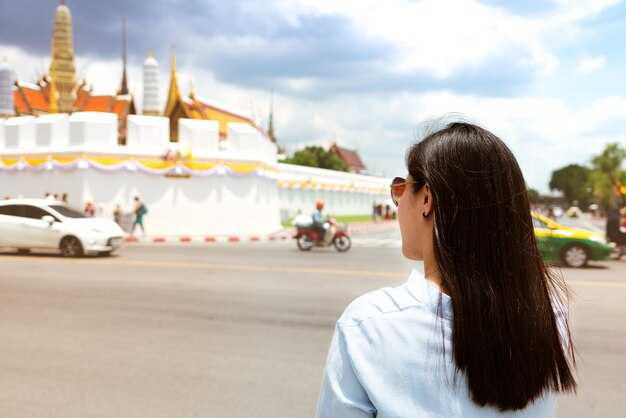 Pros and Cons of Visiting Thailand – Tips and What to Expect">

Begin with a 10‑day route across Bangkok, Chiang Mai, and the southern coast to balance urban energy with downtime and unforgettable esperienze. Start by reserving three to four nights in each base, then leave room for spontaneous meals and temple visits. This structure minimizes long road legs and helps you adjust to Thailand’s pace.
Thailand offers a cuisine scene that ranges from fiery curries to delicate soups, with options for all budgets. For many nationalities, visa-free entry allows stays up to 30 days; longer visits can be arranged through a visa at a Thai embassy or consulate or an extension at a local immigration office. Use reliable transport like trains or licensed drivers to reduce stress on busy roads.
Be aware of shady operators offering illegal tours or overpriced experiences. Always choose licensed guides and check reviews. If asked for extra collateral or deposits, confirm the price in writing and beware of hidden charges. Having scanned copies of your passport saved digitally can help in case of loss, but never hand over original documents to unknown vendors. Repeated offenses or ignoring visa rules can lead to deported status and removal from the country.
Respect local customs and gender norms, especially at sacred sites. Women should cover shoulders and knees in temples, and everyone should dress modestly in rural villages. Public drinking laws vary by province; be aware of restrictions around alcohol sales times and religious holidays to avoid fines or misunderstandings.
Carry a compact medical kit and arrange travel insurance that covers medical costs and potential evacuation. A quick consult with your doctor about vaccines and any chronic conditions helps keep you safe in hot climates and during outdoor activities.
Experience Thai cooking with a hands-on training class that teaches technique and flavor balance. Many programs offer training certificates, adding value to your trip and giving you practical skills you can use back home.
Protection for travelers goes beyond medical coverage; be mindful of personal belongings and use hotel safes. In busy areas, keep your valuables on your person, and use anti-theft bags. If you are ever challenged by authorities, stay calm and answer questions clearly; Thai authorities have powers to enforce rules and can conduct checks at airports and border crossings.
Experiences on the ground include night markets, street food stalls, and cultural performances that showcase the country’s diversity. Ask locals for recommendations on regional dishes–every province offers distinct specialties and a chance to sample new flavors.
Finally, consider the flexibility of transport; domestic flights save time between Bangkok, Chiang Mai, and southern islands, while trains offer scenic routes along the coast. For a balanced trip, reserve major bookings in advance but keep a couple of flexible days for weather changes or new offers from hotels and hostels.
Thailand Travel Guide
Pack sunscreen, a reusable water bottle, and a lightweight rain shell; planning a relaxed itinerary helps you enjoy temples and beaches while taking breaks in nice cafés between activities.
From November through February, Bangkok cools into the low 30s during the day and nights around 20°C, while Chiang Mai stays 17–28°C; the Andaman coast often sees dry days, and Phuket averages 28–32°C with occasional brief showers in February; for the Gulf coast, expect rain from October to December. This plan extends across central, northern, and southern experiences, so pack for a mix of indoor and outdoor activities.
Public safety: shootings are rare in tourist zones, but petty crime exists in crowded markets; keep valuables secure, use hotel safes, and avoid flashing valuables at night. This risk is part of travel planning, so stay alert.
Respect guidelines at sacred sites: shoulders and knees should be covered, shoes removed when required, and flash photography may be restricted in temples; carry a light scarf for air-conditioned spaces and to adapt to cooler evenings.
Thai gastrodiplomacy shines in street stalls and family-run eateries; sample various regional dishes–khao soi in the north, som tam in the central plains, and southern curries–by joining licensed food tours that explain ingredients and safety practices. When ordering, pace yourself to keep body hydrated in the heat.
Night markets offer local crafts and foods; plan to visit two or three markets in different regions to diversify experiences. Wear comfortable footwear, keep bags secure, and choose rides from registered taxis or apps after dark; bargaining is common but polite, and tipping is modest in upscale places.
Transportation options include trains, buses, ferries, and budget airlines; Bangkok to Chiang Mai by night train saves time, while daytime trains let you view scenery; book early for seats, especially on weekends; for island hops, ferries run between the mainland and destinations like Phuket, Koh Samui, and Krabi, with schedules changing during monsoon months. Ensure domestic hops leave room for potential delays so your return flight stays on schedule.
Coastal travelers should heed tsunami guidelines and weather alerts; if a quake or siren signals danger, move inland and to higher ground; monitor local advisories and hotel staff instructions; have a simple plan for evacuation and a quick way to contact friends or family back home.
Practical health tips: stay hydrated, wear breathable fabrics, reapply sunscreen regularly, and take shade breaks during midday heat; carry a small first-aid kit, insect repellent, and any prescription meds; if you have dietary restrictions, ask about ingredients and cross-contamination when dining; many seafood and street foods are safe if cooked hot and fresh.
Seasonal air quality patterns by region to plan outdoor activities
Verify the latest air quality forecast for your region each morning and plan outdoor adventures around days with low pollution. If the AQI rises, switch to indoor activities, choose a hotel with strong filtration, and wear an approved mask when you must be outside to prevent exposure. This approach helps you enjoy good-weather days and stay prepared for future trips.
- Northern Thailand (Chiang Mai, Chiang Rai)
- Pattern: Burning season drives PM2.5 up from October through April, with peaks in March and April. Air readings can be inflated and visibility could be threatened; case by case, haze affects outdoor time and photos near grand monuments.
- Advice: Use an approved mask (N95/KF94), limit strenuous hikes to dawn, verify forecasts from health and environmental agencies using the latest data, and book a hotel with reliable air filtration. For measles prevention, follow travel health advice and keep vaccines up to date as part of your planning.
- Notes: Plenty of outdoor adventures await on clear days; avoid heavily smoky areas and be aware that illegal burning can lead to jail penalties for violators.
- Central Thailand and Bangkok
- Pattern: Cool-season stagnation (November–February) can raise PM2.5, while the rainy season often lowers pollution. Haze days occur when winds are light and traffic emissions accumulate; tropical humidity can intensify discomfort on poor-air days.
- Advice: Schedule outdoor activity for mornings on good-air days, stay in a hotel with filtration, and verify forecasts from the latest guidelines and local agencies. Carry a mask for excursions and keep hydration handy.
- Notes: There are plenty of urban adventures around rivers and parks when air is clear; on hazy days, indoors–museums, temples interiors–offer reliable alternatives. Protect belongings in crowded areas to avoid stolen items.
- Northeast Isan
- Pattern: Agricultural burning nearby raises PM2.5 on several months, overlapping with the north’s season. Expect multiple days with elevated pollution during peak periods.
- Advice: Check forecasts from local agencies, plan outdoor activities on lower-pollution days, and opt for a hotel with filtration. In tropical heat, dress light but cover up to reduce exposure and bites from insects.
- Notes: In case of persistent haze, switch to indoor adventures; keep valuables secure to avoid stolen items while exploring crowded markets.
- Southern Thailand (Andaman coast and Gulf coast)
- Pattern: Air quality tends to be better year-round, with occasional dusty or smoky days during dry spells or regional fires; humidity can affect comfort during outdoor activity.
- Advice: Favor dry-season mornings for outdoor plans, choose hotels with filtration, and verify health advisories using the latest guidelines from health agencies. Use sun protection and insect repellent as needed.
- Notes: Grand beaches and island outings shine on clean-air days; stay aware of measles vaccination reminders as part of travel health checks; remain vigilant for any shifts in air quality that could impact plans.
How to monitor AQI and air quality during your trip
Check a real-time AQI source before outdoor outings and refresh every few hours while you explore; use multiple reliable apps and official portals to confirm numbers, then plan your day accordingly.
Multiple options includes IQAir’s Air Quality Index, BreezoMeter, Plume Labs Flow, and local dashboards such as Air4Thai. Each source includes PM2.5 and PM10 values, O3 and NO2, plus a color-coded scale and hourly forecasts. The size of data varies by hub and city, but most platforms update hourly and offer location alerts; travelthru features help you compare readings across hubs and neighborhoods.
Interpreting the numbers is practical. An AQI in the green or yellow range signals comfortable outdoor time, while orange to red prompts caution for strenuous activity. For PM2.5, values around 12 µg/m³ correspond to better air, while 35 µg/m³ or higher often means you should limit outdoor efforts for a short period and shift to indoor options. In busy corridors–road traffic or industrial hubs–the left bank districts or transport hubs can show sharper spikes, especially during peak traffic periods.
Option for action: if readings rise, switch to an indoor visit, such as museums, markets, or indoor attractions, and keep outdoor plans flexible. On such days, swimming in indoor pools or shaded walking in parks with natural tree cover can be very refreshing while pollution eases later in the day.
Protection and preparation matter. Carry a properly fitted mask (N95 or KF94), avoid heavy exertion when AQI surpasses moderate levels, and drink water to stay hydrated. If you have respiratory or heart conditions, follow caution and choose lighter activities; vaccination and routine health measures also support overall well-being while abroad.
Tips to keep money in your pocket: set up app alerts for your hotel or hostel location, use public transit during cleaner periods, and plan city strolls or sightseeing around times when readings improve. Then, visit natural spaces away from heavy traffic when possible, and combine outdoor time with swimming or indoor exhibits on higher-pollution days.
Instructions for setup: enable location sharing in your chosen apps, create an alert radius around your hotel, and save offline maps for areas with spotty data. Develop a simple routine: check readings at wake-up, plan morning activities first, and adjust the afternoon schedule if numbers rise. General guidance stays useful across destinations, so you can travel abroad with confidence, then adapt to local hubs and road patterns as needed.
Practical protection against pollution: masks, eyewear, and hydration
Put on a certified respirator (N95 or KF94) outdoors on days when PM2.5 spikes, and replace the filter after 8–12 hours of use. In everyday travel across the southeast, a properly fitted mask makes air safer for women and men alike. This approach is useful for residents and visitors, and it is easily adopted with a little practice.
Choose smaller sizes or models with adjustable nose bridges to achieve an impassable seal. For smaller faces, select pediatric or small-size options and perform a fit check every time you put it on. Filtration remains around 95% for PM2.5 particles when the seal is tight.
Wear wraparound eyewear or goggles to shield eyes from dust and pollen. Look for an eyewear with a snug seal and anti-fog coating, and use it during peak traffic hours in places with heavy exhaust. Illustrating how fine particles reach the eye, this setup reduces irritation and the need to rub eyes.
Hydration supports mucous membranes, reducing throat dryness and the risk of diseases. It helps prevent pathogens from infecting you. If you cough, cover with a tissue to prevent others from being exposed and to reduce how readily you infect others. Carry 1–2 liters of water and sip regularly, especially during outdoor visits to busy places or during the period of haze. Pollution hotspots located near busy roads illustrate why planning routes away from heavy traffic matters.
Options include masks, eyewear, hydration, and indoor air purifiers. When travelling between northern and southern regions, check real-time AQI and choose quieter routes away from traffic. At sanctuaries and in places tied to gastrodiplomacy, take a break and sample food defensively by wearing a mask near crowded stalls. Avoid feeding animals near sanctuaries to minimize exposure to dust and pathogens.
| Protection item | Why it helps | How to use |
|---|---|---|
| N95 or KF94 respirator | Filters ~95% of PM2.5 when sealed correctly | Test fit; ensure full coverage over nose and chin; replace filter every 8–12 hours of use; carry spare |
| Wraparound eyewear | Shields eyes from dust and pollen; reduces irritation | Choose snug seal and anti-fog coating; wipe with microfiber; wear during high-traffic periods |
| Hydration | Maintains mucous membranes; lowers infection risk | Carry 1–2 L water; sip regularly; avoid excess caffeine or alcohol |
| Indoor air purifier (HEPA) | Cleans indoor air; reduces particle concentration | Run in hotel rooms or apartments during haze; replace filters per manufacturer guidance |
Health-aware planning: when to shift outdoor plans and seek indoor options
If the heat index exceeds 32°C and humidity stays above 70%, shift outdoor plans to indoor options. Schedule main activities before 10:00 or after 16:00, especially in samui’s humid months. Build a flexible plan that allows quick moves to places with climate control, such as malls, museums, or hotel conference rooms.
Hydration and sanitation go hand in hand. Plan to drink water regularly; offer 2–3 liters per adult per day during exposure, and for groups provide electrolyte drinks. Plan sanitation measures for shared spaces and carry wipes; remind everyone to wash hands before meals and after outdoor activities. Ensure ventilation in indoor venues and avoid crowded spaces when possible.
Watch for heat illness signs: mind the symptoms–headache, dizziness, nausea, or confusion. These signs are relatively common in tropical heat. Limit physical exertion during peak sun. If any appear, retreat to shade or an air-conditioned place and hydrate. Correctly following these steps minimizes risk and keeps the plan on track.
Leadership matters: designate a right point of contact among personnel and workers to guide the group and coordinate with local medical personnel. Keep a line of communication open with the hotel, guides, and drivers. Build a shared planning framework and assign responsibilities so nobody feels left out.
Outdoor activity tips: prefer swimming in the morning or late afternoon; choose places with shade, frequent rest stops, and easy access to drinking water. For jungles experiences, vary routes to avoid prolonged sun exposure and offer a variety of trails. When you line up transitions, make sure everyone knows the plan and stays together.
In samui, inflated humidity levels during peak season intensify discomfort; adjust planning by swapping long treks for short, shaded walks and indoor activities. This balance helps traveler life stay enjoyable even when the schedule moves fast.
Sanitation and health protection: in crowded places, maintain good sanitation and avoid illness assaults by spacing groups and using well-ventilated spaces. Use lines of sight to monitor crowding and rotate activities to reduce spreads. Remember to keep the mind focused on safety and enjoy the experience.
Smart itinerary and packing list for high-pollution days
Plan indoor-first days: check the AQI forecast and reserve outdoor plans for times when pollution drops to lower levels. If you must go out, limit outdoor time and have a quick exit plan ready.
- Morning: Start at an indoor museum or gallery with robust air filtration. Aim to reach the first site within 20 minutes by taxi to minimize exposure to traffic emissions.
- Mid-morning: Schedule a cooking class or demonstration in an air-conditioned space. Use chopsticks for meals and bring bottled water. Take short breaks in shaded, ventilated areas.
- Lunch: Choose a well-ventilated food hall or mall rather than outdoor stalls; prefer options that minimize waiting times and reduce bite-sized exposure to heat or fumes.
- Afternoon: Move to indoor shops or a market wing with air purification; if outdoors is unavoidable, pick tree-lined routes and keep sessions brief. Expect pollution spikes late in the day, then adjust.
- Evening: If the air improves, a brief outdoor stroll is possible; otherwise exit to your hotel and rest. Visiting thailand? Be mindful that thais cultures place value on outdoor life, but your health comes first and you can connect with locals abroad through messages and quoted tips from health authorities.
Notes for planning:
- In countrys with limited data, rely on credible sources and real-time AQI apps. Viral updates can spread quickly, but verify against official numbers.
- When using rides, choose reputable operators; avoid forced detours or sudden route changes; know the exit options at each stop.
- For Canadian travelers visiting Thailand, carry medical insurance details and local emergency numbers; hospitals nearby are prepared to assist foreigners.
- Chopsticks are common; bring a small travel set to reduce disposables.
- Bite-sized snacks help you stay nourished during longer waits or queues.
- Prefer smaller, well-ventilated venues to reduce exposure and crowding.
- Late-afternoon spikes are common; plan indoor activities around that window and leave extra time to return to a safe space.
- Exit planning: know closest exits at major venues in case air quality suddenly worsens.
- Canadians visiting abroad should keep a backup plan and trusted contacts in case plans change quickly.
- Again, carry an extra mask and swap it after prolonged outdoor exposure.
Packing list
- bottled water and electrolyte sachets
- medical mask (N95 or equivalent) plus extra surgical masks
- sunglasses, scarf or light face covering
- medications, inhaler, and a small first-aid kit
- nasal saline spray and tissues
- hand sanitizer and wet wipes
- lip balm and sunscreen
- compact umbrella or rain poncho
- portable charger and power bank
- hotel and local hospitals information card
- bite-sized snacks for long queues
- foldable tote bag for goods purchased
- travel chopsticks or a compact utensil set
- air-quality app on your phone to track changes
- emergency contact card, including canadian ties and local numbers
- exit plan: note the closest exits at major venues