


 Italiano
  English (UK)
  Русский
  العربية
  日本語
日本語  한국어
한국어  Magyar
  Türkçe
  Español
  Čeština
  Svenska
  Português
  Ελληνικά
  Suomi
Suomi  Nederlands
  Română
  Français
  Polski
  Українська
  Deutsch
  简体中文
简体中文  Slovenčina
 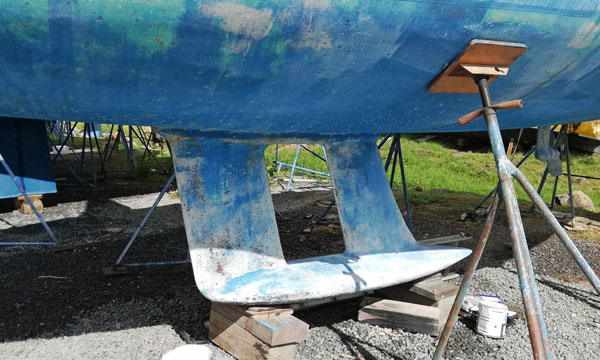 The Core of Stability: what is a keel and How Does It Affect boat performance?">

La componente più critica, eppure spesso invisibile, di qualsiasi barca a vela è la chiglia. Quando ci si chiede cos'è una chiglia, la risposta spazia tra ambiti tecnici, strutturali e idrodinamici. Essenzialmente, la chiglia è la lama sommersa, simile a una pinna, che si estende dal fondo dello scafo dell'imbarcazione, correndo longitudinalmente dalla prua verso la poppa. Il suo scopo principale è fornire stabilità e resistere alla forza laterale del vento sulla vela, un elemento cruciale per le prestazioni della barca a vela. Capire cos'è una chiglia è fondamentale per apprezzare come una barca a vela si muove nell'acqua.
La duplice funzione della chiglia.
L'importanza della chiglia deriva dal suo duplice e fondamentale ruolo per ogni barca a vela. Ogni barca a vela dipende fortemente dalla sua chiglia.
1. Stabilità e zavorra
La chiglia funge da contrappeso alle potenti forze esercitate dal vento sulla vela. È zavorrata internamente con pesante materiale di ballast, tipicamente piombo o ferro, che abbassa il centro di gravità dell'imbarcazione. Questo ballast è ciò che fornisce il momento raddrizzante primario, garantendo la stabilità della barca a vela e impedendole di capovolgersi. Più la chiglia è pesante e profonda, maggiore è la stabilità che impartisce, un fattore chiave nelle prestazioni complessive. Questo è il motivo per cui la quantità di ballast in una chiglia è una considerazione progettuale importante.
2. Prevenire lo Spostamento Laterale (Movimento Laterale)
La seconda funzione cruciale della chiglia è idrodinamica: resistere alla deriva laterale, nota come scarroccio. Senza il piano laterale della chiglia, la barca a vela sarebbe semplicemente spinta lateralmente dal vento. La chiglia converte la spinta laterale del vento in movimento in avanti, ottimizzando le prestazioni della barca. La forma e la profondità della chiglia dell'imbarcazione influenzano notevolmente la sua efficienza in questo ruolo. Le prestazioni della barca a vela sono direttamente collegate al design della sua chiglia. La chiglia è un componente strutturale vitale dell'imbarcazione.
Progetto deriva principale
Nel corso dei secoli di progettazione di barche a vela, si sono evoluti diversi design di chiglia distinti, ognuno dei quali rappresenta un diverso compromesso tra stabilità, pescaggio e prestazioni idrodinamiche. La scelta della chiglia di una barca è determinata dall'uso previsto dell'imbarcazione, sia che si tratti di regata, crociera in acque profonde o navigazione in acque poco profonde.
Chiglia lunga
La chiglia lunga è un design tradizionale che si estende quasi per tutta la lunghezza dello scafo dell'imbarcazione, spesso integrandosi perfettamente con il timone. È nota per la sua eccezionale stabilità direzionale, che la rende ideale per la navigazione d'altura. La chiglia lunga offre la massima stabilità.
- Advantages: Eccellente stabilità direzionale, robusta resistenza e protegge timone ed elica. La chiglia integrale offre una protezione significativa contro l'arenamento.
- Disadvantages: Ha un'ampia superficie bagnata, il che riduce la velocità e le prestazioni complessive dell'imbarcazione. La chiglia lunga è meno manovrabile rispetto ad altri tipi di chiglia. Le barche da crociera spesso utilizzano questo tipo di chiglia. Molte barche a vela da crociera d'altura sono dotate di chiglia lunga. La chiglia lunga è parte integrante dell'imbarcazione. Questo particolare design di chiglia è apprezzato da alcuni proprietari di barche. La chiglia lunga è un tipo di chiglia molto resistente.
La chiglia a pinna
La pinna di deriva è il tipo di deriva più comune sulle barche a vela moderne, specialmente quelle da regata e da crociera contemporanee. È una lama profonda e stretta, spesso zavorrata con un bulbo pesante nel punto più basso. Questa deriva massimizza il momento raddrizzante e minimizza la superficie bagnata, portando a prestazioni eccellenti.
- Advantages: Portanza elevata, resistenza minima e prestazioni superiori dell'imbarcazione in condizioni di regata. La deriva a pinna consente una posizione della zavorra più profonda, migliorando la stabilità. Una deriva a pinna è eccellente per la velocità. Questo tipo di deriva è utilizzato su barche a vela ad alte prestazioni. La deriva a pinna è efficiente. Il design della deriva a pinna è altamente efficace. Molte barche a vela moderne sono dotate di una deriva a pinna. La deriva a pinna è la deriva più popolare. La deriva a pinna offre una grande velocità all'imbarcazione.
- Disadvantages: La sua immersione profonda limita l'accesso alle acque poco profonde. La chiglia a pinna è più vulnerabile ai danni in caso di incaglio. L'alta performance dell'imbarcazione dipende dall'integrità della chiglia a pinna.
Variazioni della Chiglia della Barca
Oltre ai due tipi principali, esistono diverse varianti di chiglie per imbarcazioni che soddisfano esigenze specifiche.
- Chiglia alare: Chiglia a pinna più corta con alette o bulbi che si estendono orizzontalmente nella parte inferiore. Ciò riduce il pescaggio pur mantenendo un buon grado di stabilità. Questa particolare chiglia è ideale per le imbarcazioni che navigano frequentemente in acque poco profonde.
- Bulbo di deriva: Una chiglia a pinna profonda e stretta sormontata da un bulbo grande e pesante, che massimizza la stabilità della barca a vela. Questo design migliora significativamente le prestazioni della barca a vela.
- Deriva mobile e deriva a baionetta: Queste sono derive retrattili. Permettono all'imbarcazione di ridurre il pescaggio a quasi zero in acque basse. Possono essere abbassate quando si naviga di bolina per migliorare le prestazioni. L'imbarcazione le usa per l'equilibrio. La deriva è essenziale. Questa imbarcazione può adattare il suo pescaggio. Il guadagno in termini di prestazioni è significativo.
Il Fattore Critico: bozza
L'immersione di un'imbarcazione è la distanza verticale tra la linea di galleggiamento e il fondo della chiglia. È un fattore critico influenzato direttamente dalla chiglia. Una chiglia profonda richiede un'immersione profonda, che offre prestazioni e stabilità superiori, ma limita l'accesso a porti turistici poco profondi, ancoraggi e sentine. I naviganti devono essere sempre consapevoli dell'immersione della propria imbarcazione. Più l'immersione è ridotta, più luoghi l'imbarcazione può visitare. Comprendere l'immersione della propria imbarcazione è fondamentale per una navigazione sicura. Questa misurazione, l'immersione, determina dove la tua imbarcazione può andare in sicurezza.
Manutenzione e problemi della chiglia
Una corretta manutenzione della chiglia è essenziale per la sicurezza, l'integrità strutturale e le prestazioni a lungo termine dell'imbarcazione. La chiglia è un componente strutturale critico dell'imbarcazione.
Manutenzione e Integrità della Chiglia
La preoccupazione più comune riguarda la giunzione tra la chiglia e lo scafo dell'imbarcazione. La manutenzione ordinaria prevede il controllo della corrosione, soprattutto dove è contenuto il ballast, e l'ispezione dei bulloni della chiglia che la fissano all'imbarcazione. Eventuali problemi con i bulloni della chiglia possono compromettere gravemente la stabilità dell'imbarcazione. Un'adeguata manutenzione protegge l'imbarcazione. L'imbarcazione deve essere sottoposta a una buona manutenzione.
Grounding
L'incaglio è l'evento più dannoso per una chiglia. Una chiglia a pinna è particolarmente vulnerabile ai danni da impatto. Anche un impatto apparentemente minore richiede un'attenta ispezione e manutenzione della struttura della chiglia. La robustezza di una chiglia lunga offre una migliore protezione durante un evento di incaglio. Questo livello di manutenzione è cruciale per la barca a vela. Le prestazioni dipendono dalla struttura della chiglia. L'imbarcazione richiede una manutenzione regolare.
Conclusione: cos'è una chiglia per un marinaio?
Per un marinaio, la chiglia è molto più di un semplice pezzo di metallo o legno. È il componente strutturale fondamentale che definisce l'intera personalità e capacità della barca a vela. Fornisce il contrappeso necessario e la resistenza laterale richiesta per una navigazione di bolina efficiente. Che tu possieda una classica barca a chiglia lunga per una crociera sicura o una barca a vela ad alte prestazioni con una chiglia a pinna profonda, il design della tua chiglia determina le prestazioni, la stabilità e il tipo di acque in cui puoi navigare in sicurezza. L'importanza della chiglia non può essere sopravvalutata: è l'eroe silenzioso che mantiene la barca in posizione verticale e si muove efficacemente nell'acqua. Ogni barca dipende dalla sua chiglia. La chiglia è fondamentale per la sicurezza della barca. L'intera struttura della barca è costruita attorno alla chiglia. La chiglia aiuta a controllare la barca nel vento. La chiglia è il componente strutturale definitivo. Il design della barca è fortemente influenzato dalla chiglia. Le prestazioni finali sono impostate dalla chiglia. La chiglia contribuisce in modo significativo all'esperienza di navigazione. La barca è bilanciata dalla sua chiglia.