


 Italiano
  English (UK)
  Русский
  العربية
  日本語
日本語  한국어
한국어  Magyar
  Türkçe
  Español
  Čeština
  Svenska
  Português
  Ελληνικά
  Suomi
Suomi  Nederlands
  Română
  Français
  Polski
  Українська
  Deutsch
  简体中文
简体中文  Slovenčina
  Weather, Boats and the No-Whining Rule">

Winter storm systems in New England and persistent Atlantic lows in Ireland have directly affected port logistics: closed marinas, suspended ferry and charter schedules, increased haul-outs for repairs, and a spike in demand for berthing and tow services during the Blizzard of 2026 and the accompanying Irish deluge.
Glandore’s chalkboard decree and the culture of weather
On the front door of a family cottage in Glandore hangs a simple rule: No Whining About The Weather! That edict—more cultural than textual—has long been a behavioral nudge to visitors and sailors alike. The message is practical: plan for rain, wind, and changing seas rather than allowing weather to derail plans.
Despite the mandate, the recent patch of relentless wet and wind has pushed even local stoicism to its limits. Reports from Ireland describe daily rain in January in parts of the country, and in Northern Ireland the totals produced the wettest January in 149 years. February kept the pressure on, and bookmakers have been quoting odds that this could be the wettest February ever recorded there. When it rains, it pours—and sometimes it just keeps on pouring.
Operational ripple effects for boating and charters
These prolonged conditions create real headaches for the boating industry: marina managers juggling berth allocations, charter companies canceling or postponing trips, captains rerouting itineraries, and owners deciding whether to keep a yacht afloat or haul it out. For renters and charter clients, the result is schedule uncertainty and potential refund or rebooking logistics.
| Region | Operational impacts | Typical mitigation |
|---|---|---|
| New England (Blizzard 2026) | Harbor ice, snow-blocked slips, towing demand | Pre-winter haul-outs, snow-clearing contracts, flexible charter policies |
| Ireland (West Cork & Northern Ireland) | Continuous rain, flooded shore roads, extended survey delays | Raised fendering, reinforced moorings, buffer days in itineraries |
Practical steps for charter operators and captains
- Communicate early: Notify clients of potential delays and weather-based contingencies as soon as forecasts tighten.
- Build buffer days: Schedule extra lay days to absorb disruption without cascading cancellations.
- Pre-position spares: Keep common replacement parts and extra fenders in marinas that frequently see bad weather.
- Flexible contracts: Offer reschedules and credit options to maintain customer goodwill.
Mental habits that matter aboard
Living aboard or spending extended time on a yacht teaches a certain mindset: acceptance, quick adaptation, and low-energy problem solving. That’s not passive resignation — it’s tactical awareness. Sailors know the truth behind Carleton Mitchell’s old line relayed by a Bahamian fisherman: “You eats what the cook serves.” In plain terms, adapt and make the best of what’s delivered by the sea and sky.
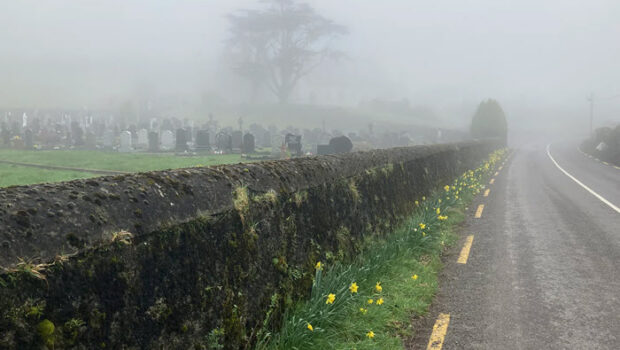
The author’s own experiment of wintering in West Cork revealed that prolonged exposure to damp, windy months can shift perspective. What used to feel like a nagging inconvenience became, on occasion, peaceful or even joyful—short bursts of sun, the unexpected cheer of butter-yellow daffodils, and quiet harbor mornings reframed the narrative from complaint to acceptance.
Checklist for boat owners during prolonged wet weather
- Inspect moorings and cleats weekly
- Ensure bilge pumps and batteries are fully serviceable
- Secure electronics and sensitive gear below
- Coordinate with local marinas on surge plans and tow services
- Review insurance coverages for flood and storm damage
On the logistics side, the storm season demonstrates how close the ties are between weather patterns and supply-chain realities for marine services: parts shipments delayed, haul-out slots booked out, and crew movements constrained by road or ferry closures. For rental platforms and charter brokers, this means building resilient operational buffers and evening-out demand with dynamic scheduling.
A final note on attitude and adaptation
If you spend enough time on the water—whether it’s a yacht, un piccolo barca on a lago, or a chartered vessel in a gulf or open oceano—you learn that complaining rarely improves anchor holding or changes a forecast. Better to react, adapt, and sometimes appreciate the show. That’s useful both philosophically and commercially: clients remember how calmly and competently a captain handled a blown itinerary, and owners remember which marinas and crews stepped up.
Summary: prolonged storms in New England and Ireland disrupted marinas, charters, and shore logistics, forcing operators to adopt buffer schedules, stronger mooring protocols, and flexible booking policies. Cultural rules like “No Whining About The Weather!” reflect a broader seafaring ethic of acceptance and adaptation. For anyone in the yachting and boating world—owners, captains, renters, and marinas—the takeaway is to prepare, communicate, and keep a steady hand when the weather throws its worst at slips, charter plans, or maintenance schedules. In short: whether you’re planning a charter or thinking of a yachtsale o rent, remember that good planning keeps trips on the water—be it clearwater bays, beaches, marinas, or open sea—enjoyable, and that skilled captains and crews turn rough weather into managed activities rather than disasters.