


 Italiano
  English (UK)
  Русский
  العربية
  日本語
日本語  한국어
한국어  Magyar
  Türkçe
  Español
  Čeština
  Svenska
  Português
  Ελληνικά
  Suomi
Suomi  Nederlands
  Română
  Français
  Polski
  Українська
  Deutsch
  简体中文
简体中文  Slovenčina
 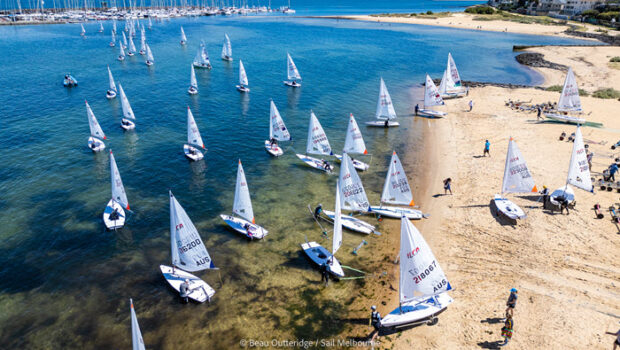 Growing Sailing Participation in Australia">

Australia, with a population of about 28 million, has aligned its national strategy to increase on-water engagement through SAILING 2032 and the new Partecipazione Plan for Sailing in Australia, targeting clearer entry pathways via Clubs, Class Associations and Discover Sailing Centers to expand fleet access and regular sessions across harbors and inland waterways.
How the plan structures access and delivery
The Participation Plan sets out operational levers rather than lofty slogans: coordinating national federation resources, standardizing Discover Sailing Center curricula, and creating shared metrics for annual review and end-of-horizon evaluation. These actions are designed to reduce friction at three logistical bottlenecks—equipment availability, coaching capacity, and venue scheduling—so more people can get afloat, more often.
Key stakeholders and responsibilities
Responsibility is distributed across four main groups:
- Australian Sailing — strategy alignment, funding priorities, and measurement frameworks.
- Clubs — fleet management, volunteer activation, and local outreach.
- Class Associations — class-specific pathways and regatta calendars.
- Scopri Sailing Centers — beginner experiences and conversion to ongoing participation.
Operational levers: what changes on the water
Practical measures include centralized equipment sharing programs, coach accreditation expansion, and open scheduling platforms for marinas and clubs to promote available sessions. The plan emphasizes positive first experiences: shorter, simpler taster sessions at marinas and beaches to avoid overwhelming newcomers.
Practical initiatives and examples
Concrete initiatives outlined aim at three targets: broaden access, improve retention, and diversify participation. Examples include rotating loan fleets for coastal clubs, pop-up sailing events at popular beaches and lakes, and partnerships with school and community groups to run after-school sailing programs.
Sample rollout timeline
| Phase | Concentrati | Primary Output |
|---|---|---|
| Year 1–2 | Access & Awareness | Discover Sailing pop-ups, equipment grants |
| Year 3–5 | Pathways & Coaching | Coach accreditation, junior to adult transition plans |
| Year 6–10 | Retention & Evaluation | National KPIs, investment in marinas and club infrastructure |
Barriers and realistic constraints
Scaling participation means wrestling with transport and storage logistics, insurance and regulatory compliance at regional marinas, and the seasonal nature of sailing in many parts of the country. Clubs often face volunteer shortages and aging fleets; Discover Sailing Centers need reliable access to sheltered water and backup boats. The plan proposes targeted grants and shared-service models to ease these constraints, but implementation depends on local buy-in.
Common pitfalls to avoid
- Overcomplicating beginner programs — keep taster sessions short and intuitive.
- Centralizing everything — local clubs must retain autonomy to adapt offerings.
- Under-investing in maintenance — neglected boats turn new sailors away quicker than bad weather.
Why measurement matters
Australian Sailing has committed to annual reviews and end-of-horizon evaluations to ensure accountability and continuous improvement. Metrics focus on session counts, conversion from taster to regular participation, and demographic spread across regions and age groups. Clear data allows fleetsharing and charter schemes to be scaled where demand is proven.
How this links to charter and rental markets
From a boating-rent perspective, expanding access feeds the demand pipeline for yacht and small-boat charter. As more people experience sailing through Discover Sailing Centers or club taster days, a percentage will look to rent o charter boats for holidays, fishing trips, or weekend cruising. Rental operators and marinas can partner with clubs to offer trial-to-charter conversion offers—think discounted day hires for first-time participants.
There’s a bit of truth in the old salt’s saying: “once you sniff the sea, you’re hooked.” A volunteer-run junior program that started with a ramshackle fleet can become a local hub, feeding both club membership and commercial charter interest. Anecdotally, regions that invested in shared dinghy pools saw quicker uptake and better retention than those that subsidized one-off events only.
Action checklist for clubs and operators
- Map out local venues (marinas, beaches, lakes) and their seasonal capacity.
- Create a shared inventory system for boats and safety kit.
- Partner with Discover Sailing Centers to run regular taster sessions.
- Develop simple conversion offers with nearby charter/rental services.
- Collect basic KPIs: number of tasters, repeat participants, and pathway progression.
In summary, the Partecipazione Plan for Sailing in Australia aligned with SAILING 2032 is a structured attempt to get more people on the water by tackling equipment logistics, coaching supply, and venue coordination. Success will depend on shared governance between Australian Sailing, Clubs, Class Associations and Discover Sailing Centers, backed by targeted investment and measurable outcomes. For the boating and charter community, this creates opportunities: more interest in yacht and boat charter e rent options, healthier marinas, and growth in activities like fishing, yachting and recreational sailing across beach, gulf and open ocean destinations. Ultimately, better pathways mean more captains, more boats on the water, and more happy days under the sunseeker sky — be it on a lake, in clearwater bays or out on the big sea.