


 Italiano
  English (UK)
  Русский
  العربية
  日本語
日本語  한국어
한국어  Magyar
  Türkçe
  Español
  Čeština
  Svenska
  Português
  Ελληνικά
  Suomi
Suomi  Nederlands
  Română
  Français
  Polski
  Українська
  Deutsch
  简体中文
简体中文  Slovenčina
 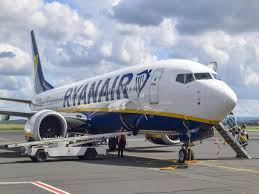 Ryanair Reports Strong H1 Profit and Raises Annual Passenger Forecast">

Risultati finanziari di Ryanair superiori alle previsioni
Ryanair ha annunciato un impressionante utile al netto delle imposte di 2,54 miliardi di euro per la prima metà del suo anno finanziario, segnando un robusto Aumento 42% anno su anno e superando le aspettative degli analisti. Questo significativo aumento degli utili è in gran parte attribuito alla forte domanda di passeggeri e alla consegna anticipata dei nuovi aeromobili Boeing MAX 8, che hanno potenziato la capacità operativa di Ryanair.
La compagnia aerea, nota per essere la più grande compagnia low-cost d'Europa in termini di volume di passeggeri, ha successivamente ritoccato verso l'alto le sue previsioni per il traffico passeggeri nell'anno fiscale corrente che termina il 31 marzo, prevedendo di trasportare 207 milioni di passeggeri—rispetto alla precedente stima di 206 milioni.
Le consegne anticipate di Boeing e la domanda dei passeggeri trainano la crescita
La capacità di Ryanair di aumentare la capacità tramite la ricezione 23 nuovi aeromobili Boeing 737 MAX 8 in anticipo rispetto alle previsioni ha svolto un ruolo cruciale nel soddisfare l'aumento della domanda di viaggi durante l'intensa stagione estiva delle vacanze dell'emisfero settentrionale, quando la compagnia aerea di solito realizza la maggior parte dei suoi profitti. Questa spinta operativa ha permesso all'azienda di mantenere una traiettoria positiva nonostante le sfide all'interno del settore aereo.
Nel primo semestre, le tariffe medie sono aumentate del 13% rispetto all'anno precedente, aiutando la compagnia aerea a pianificare il recupero del calo medio delle tariffe del 7% subito l'anno precedente. La leadership della società ha descritto la crescita dell'utile netto prevista per l'intero anno come “ragionevole”, riconoscendo che, sebbene le prenotazioni future rimangano leggermente superiori all'anno precedente, in particolare per i periodi di punta da ottobre a Natale, l'aumento della concorrenza tariffaria potrebbe rendere più impegnativa la crescita delle tariffe medie nella seconda metà dell'anno.
Il ruolo di Ryanair nel plasmare le tendenze del trasporto aereo europeo
La revisione al rialzo delle previsioni di traffico da parte della compagnia aerea riflette tendenze più ampie all'interno del mercato europeo dei viaggi aerei, dove le compagnie low-cost come Ryanair hanno svolto un ruolo di trasformazione. Hanno ampliato l'accesso a viaggi aerei a prezzi accessibili, stimolando il turismo in uscita da vari paesi europei, compresa l'Europa orientale. Le dinamiche di mercato influenzate dai voli a prezzi competitivi sono in linea con un numero crescente di viaggiatori alla ricerca di opzioni economiche per vacanze, affari e visite ad amici e parenti.
La capacità di Ryanair di impiegare aeromobili più grandi e efficienti nei consumi evidenzia anche i continui sforzi di modernizzazione delle flotte aeree che contribuiscono a un trasporto aereo più sostenibile e competitivo. Questi sviluppi hanno implicazioni che vanno oltre il settore aereo, incrementando la connettività per il turismo internazionale, comprese le famose destinazioni costiere e insulari rinomate per le attività di vela e nautica.
Tabella: Punti salienti del primo semestre di Ryanair e impatto sul mercato dei viaggi
| Metric | Value | Year-on-Year Change |
|---|---|---|
| Utile al netto delle imposte | 2,54 miliardi di euro | +42% |
| Previsioni del traffico passeggeri | 207 Milioni di Passeggeri | +1 Milione rispetto alla Previsione Precedente |
| Nuove consegne di Boeing MAX 8 | 23 Aeromobili | Prima del previsto |
| Crescita media delle tariffe | 13% (H1) | Ripresa dal precedente calo del 7% |
Prospettiva storica sui vettori low-cost e la crescita del turismo
L'ascesa delle compagnie aeree low-cost negli ultimi due decenni ha rivoluzionato il panorama dei viaggi europei. Ryanair è stata una pioniera nello sviluppo del modello di business delle compagnie aeree a basso costo, aprendo aeroporti regionali e rendendo i viaggi internazionali accessibili a molti che in precedenza si affidavano a compagnie aeree tradizionali più costose.
Storicamente, le compagnie aeree low-cost hanno contribuito in modo significativo alla crescita del turismo outbound in Europa e non solo. Ciò include la promozione di viaggi più spontanei e la fornitura di maggiori opzioni per turisti, viaggiatori d'affari e persone in visita a familiari. Il loro impatto si estende alle regioni rinomate per lo yachting e la nautica da diporto, dove una maggiore connettività aerea supporta l'afflusso di turisti desiderosi di intraprendere attività marittime.
L'efficienza operativa e l'attenzione all'elevato utilizzo degli aeromobili, caratteristiche di Ryanair e dei suoi concorrenti, facilitano prezzi competitivi senza sacrificare la redditività. Questo modello ha anche incoraggiato l'espansione delle destinazioni collegate agli aeroporti vicino alle zone costiere, facilitando l'accesso per gli appassionati di vela e i clienti di charter nautici.
Broader Implications for International Tourism
Guardando al futuro, le tendenze rappresentate dai risultati finanziari di Ryanair e dall'espansione strategica della flotta suggeriscono una domanda continua di opzioni di viaggio aereo a prezzi accessibili, che a sua volta supporta la crescita del turismo internazionale. Ciò è particolarmente rilevante in quanto i viaggiatori ricercano esperienze di vacanza più diversificate e attive, tra cui charter nautici, esplorazione costiera e attività ricreative acquatiche come la pesca e la nautica.
Nonostante le potenziali sfide come la volatilità dei prezzi del carburante e le pressioni competitive sulle tariffe, le prospettive generali indicano una crescita sostenuta del volume dei passeggeri, il che è di buon auspicio per le destinazioni che dipendono dagli afflussi turistici resi possibili da rotte aeree convenienti ed economiche.
Punti chiave per viaggiatori e operatori del settore turistico
- Maggiore Connettività Aerea: Le consegne anticipate degli aeromobili aumentano la capacità, migliorando l'accesso a diverse destinazioni, tra cui centri marittimi e costieri.
- Domanda positiva di passeggeri: L'aumento delle tariffe e del numero di passeggeri riflettono una forte domanda di viaggi, favorendo l'attività economica legata al turismo.
- Impatto sulle destinazioni marine: Servizi aerei potenziati supportano l'aumento della domanda di charter nautico e noleggio imbarcazioni in rinomate località marittime, golfi e oceani.
- Sfide future: Gli ambienti tariffari competitivi possono limitare gli aumenti medi delle tariffe, richiedendo alle compagnie aeree e ai fornitori di servizi turistici di innovare e aggiungere valore.
Summary and Outlook
In sintesi, l'eccezionale performance finanziaria semestrale di Ryanair e la revisione al rialzo delle previsioni sul numero di passeggeri sottolineano la resilienza e il dinamismo del modello di compagnia aerea low-cost. Ciò non solo plasma il settore dei viaggi aerei, ma si ripercuote anche sui settori del turismo e del tempo libero più ampi, tra cui la vela e il noleggio di barche nei porti turistici e nelle località costiere di destinazione.
Con la crescente accessibilità e competitività del trasporto aereo, i turisti interessati a vacanze in barca a vela e attività marittime possono aspettarsi una migliore connettività con le ambite località balneari, rendendo i noleggi di yacht e le avventure in barca ancora più attraenti.
Per i viaggiatori e gli appassionati che desiderano sfruttare al meglio queste tendenze, GetBoat.com offers an extensive international marketplace for renting sailing boats and yachts. Whether seeking a superyacht cruise or a simple boat rental by the beach or on a clear lake, GetBoat provides options tailored to various tastes and budgets, perfectly complementing the growing travel opportunities opened by airlines like Ryanair.