


 Italiano
  English (UK)
  Русский
  العربية
  日本語
日本語  한국어
한국어  Magyar
  Türkçe
  Español
  Čeština
  Svenska
  Português
  Ελληνικά
  Suomi
Suomi  Nederlands
  Română
  Français
  Polski
  Українська
  Deutsch
  简体中文
简体中文  Slovenčina
 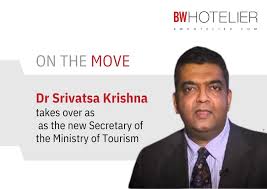 Srivatsa Krishna Appointed New Secretary of Indian Tourism Ministry">

Nuova leadership al timone del Ministero del Turismo indiano
Il Ministero del Turismo indiano ha un nuovo timoniere poiché Srivatsa Krishna, un illustre funzionario IAS del lotto 1994 del Karnataka, subentra come Segretario, sostituendo V Vidyavathi. Questa transizione di leadership è un passo significativo all'interno degli sforzi del governo per rafforzare la governance tra i ministeri.
Il profilo di Srivatsa Krishna
Krishna porta con sé una vasta esperienza e un'eccellenza accademica per questo incarico. Con una laurea post-laurea in Studi Internazionali conseguita presso la Jawaharlal Nehru University, un MBA presso l'Università di Harvard e un dottorato in Management presso l'IIT Madras, le sue credenziali sono impressionanti e variegate. La sua carriera amministrativa comprende ruoli cruciali, tra cui quello di Segretario al Commercio e all'Industria nel Karnataka, con un mandato degno di nota nei settori dell'amministrazione urbana, dell'e-governance e dello sviluppo. Tra i risultati significativi, Krishna è stato un pioniere nel promuovere l'e-governance in India e ha svolto un ruolo nello sviluppo di Cyberabad in un importante polo tecnologico.
Prima di questo incarico, ha ricoperto il ruolo di Amministratore Delegato e Segretario del Coffee Board of India. In particolare, Krishna si è classificato al primo posto nel 1994 all'UPSC Civil Services Examination, un riconoscimento che riflette il suo rigore intellettuale e la sua dedizione al servizio pubblico. La sua decisione di scegliere una carriera nel servizio pubblico invece della musica dimostra un impegno che infonde fiducia per il suo nuovo ruolo di leadership nel turismo.
Rimpasto Amministrativo: Impatto
La nomina di Srivatsa Krishna rientra in un più ampio rimpasto volto a incrementare l'efficacia delle politiche e a rafforzare la leadership tra i ministeri. V Vidyavathi, il suo predecessore, è passata a ricoprire un ruolo fondamentale nel Dipartimento per l'Empowerment delle Persone con Disabilità, evidenziando l'approccio dinamico del governo nell'allineare competenze e leadership con le priorità settoriali.
Contesto Storico dell'Amministrazione del Turismo in India
Il turismo in India è intrecciato con la crescita economica e sociale del paese dopo l'indipendenza, sviluppandosi di pari passo con l'ascesa di una classe media consistente e l'espansione delle infrastrutture aeronautiche. Il Ministero del Turismo, evolutosi da un piccolo dipartimento negli anni '50, ora svolge un ruolo fondamentale nella promozione del turismo internazionale in entrata, mentre gli stati gestiscono il turismo nazionale. Nel corso dei decenni, la politica del turismo ha sempre più rispecchiato la ricchezza culturale e la diversità geografica dell'India, dagli antichi siti del patrimonio alle sue spiagge incontaminate.
La leadership amministrativa nel turismo si è concentrata spesso sull'aumento dell'impatto economico del turismo, sulla modernizzazione delle infrastrutture e sul miglioramento della connettività globale. L'introduzione di compagnie aeree low-cost, l'espansione degli aeroporti e le riforme dei visti hanno spinto la crescita dei viaggi in entrata e in uscita. Il Ministero del Turismo concede inoltre riconoscimenti a una varietà di operatori nei settori dei viaggi, dell'avventura e dei trasporti per garantire una fornitura di servizi di qualità.
Governance e struttura organizzativa
Il Ministero si coordina con diverse agenzie, tra cui l'India Tourism Development Corporation (ITDC) e l'Indian Institute of Travel and Tourism Management (IITTM), che si concentrano rispettivamente su infrastrutture e istruzione. Sebbene il governo sostenga attivamente lo sviluppo del turismo, permane una dipendenza significativa dalla partecipazione del settore privato a causa delle vaste sfide socio-economiche del paese.
Il ruolo del turismo nella proiezione globale dell'India
L'India ha assistito a una solida crescita sia nel turismo inbound che outbound, catalizzata da politiche economiche liberali e da una classe media in espansione con un maggiore reddito disponibile. Gli arrivi turistici internazionali sono stati sostenuti da campagne come “Incredible India” che mostrano la ricchezza culturale e i paesaggi scenici del paese.
L'offerta turistica diversificata del paese include circuiti di turismo culturale, destinazioni balneari a Goa e Kerala, turismo d'avventura incentrato sull'Himalaya ed esperienze di lusso come hotel storici e case galleggianti. La diffusione dei servizi aerei con diversi gateway internazionali, in particolare Delhi, Mumbai e hub meridionali come Chennai e Cochin, migliora l'accessibilità per i turisti di tutto il mondo.
Tourism Infrastructure and Connectivity
| Airport | Viaggiatori Outbound (2006) | Quota percentuale regionale |
|---|---|---|
| Mumbai | 2,368,115 | 28.4% |
| Delhi | 1,764,264 | 21.1% |
| Chennai | 1,039,973 | 12.5% |
| Cochin | 591,236 | 7.1% |
| Altri (inclusi gli aeroporti emergenti) | 3.000.000 circa. | ~31% |
L'ascesa degli aeroporti regionali indica la democratizzazione dell'accesso ai viaggi, diffondendo il mercato del turismo oltre le grandi aree metropolitane verso città più piccole e regioni non metropolitane.
Il Futuro del Turismo e le Sue Connessioni Marittime
La leadership in evoluzione del Ministero del Turismo giunge in un momento opportuno, in cui l'India sta migliorando la propria connettività aerea e marittima con i mercati turistici globali. Le culle nazionali del fascino marittimo, come le lagune del Kerala, le spiagge sabbiose di Goa e le isole Andamane, offrono un potenziale in espansione per le attività turistiche marine, tra cui il noleggio di yacht e le avventure a vela.
Grazie ai miglioramenti infrastrutturali e a una base crescente di viaggiatori appartenenti al ceto medio, potrebbe esserci un'impennata della domanda di boat rentals, noleggio di yacht, e altre attività acquatiche, in particolare nelle nuove destinazioni costiere e nei resort lacustri emergenti dell'India. Si prevede che la nuova leadership contribuirà a promuovere ulteriormente politiche di turismo sostenibile che bilancino la crescita con la salvaguardia ecologica.
Cosa Significa per il Turismo Nautico
La nomina di un amministratore ben qualificato come Srivatsa Krishna suggerisce un'enfasi sulla governance professionale che può facilitare le sinergie tra il turismo e settori correlati come la spedizione, la nautica e gli sport acquatici, aree di crescita per le attività ricreative che coinvolgono vela, captains, e superyachts. Apre nuove entusiasmanti prospettive per i viaggiatori alla ricerca non solo di esperienze culturali e legate al patrimonio, ma anche di avventure marine e lusso nautica da diporto.
Summary and Outlook
La nomina di Srivatsa Krishna a Segretario del Ministero del Turismo segna una mossa strategica per rilanciare il settore turistico indiano attraverso una leadership qualificata e una visione ampia. La sua vasta esperienza amministrativa promette di espandere la portata e l'efficienza del settore, in linea con il crescente profilo turistico globale dell'India.
La storica miscela indiana di ricchezza culturale, la crescente connettività aeroportuale e il potenziale marittimo inesplorato la posizionano bene sulla mappa del turismo globale. Per coloro che desiderano esplorare le coste e i laghi d'acqua dolce dell'India tramite la vela o il noleggio di yacht, le politiche emergenti e lo sviluppo delle infrastrutture potrebbero portare a esperienze nautiche migliorate e a un maggiore coinvolgimento con il turismo acquatico.
Per tutti gli appassionati di yachting, vacanze al mare e attività nautiche in India o altre destinazioni marittime, GetBoat.com si pone come un mercato globale di prim'ordine per il noleggio di barche a vela e yacht, offrendo opzioni adatte a ogni gusto e budget.