


 Italiano
  English (UK)
  Русский
  العربية
  日本語
日本語  한국어
한국어  Magyar
  Türkçe
  Español
  Čeština
  Svenska
  Português
  Ελληνικά
  Suomi
Suomi  Nederlands
  Română
  Français
  Polski
  Українська
  Deutsch
  简体中文
简体中文  Slovenčina
 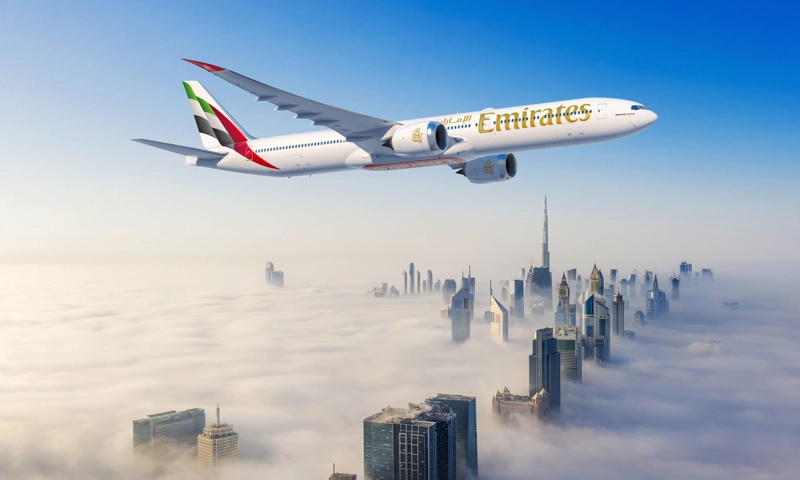 Middle East Airlines to Expand Fleet Dramatically by 2044">

Si prevede una significativa espansione della flotta nel settore dell'aviazione in Medio Oriente
Le compagnie aeree del Medio Oriente prevedono di più che raddoppiare le loro flotte nei prossimi due decenni, segnalando un notevole periodo di crescita trainato da vantaggi geografici strategici e dalla forte domanda di servizi aerei sia per passeggeri che per merci. Questa impennata, rivelata dal Commercial Market Outlook 2025 di Boeing, evidenzia come la regione sia destinata a diventare un attore dominante nell'aviazione globale, gestendo oltre il 10% del traffico passeggeri internazionale entro il 2044.
Fattori di crescita e composizione della flotta
La forte espansione è in gran parte attribuita alla posizione del Medio Oriente come hub fondamentale che collega Europa, Africa e Asia entro un raggio di volo di otto ore per l'80% della popolazione mondiale. Le compagnie aeree nella regione avranno bisogno di quasi 1.400 nuovi aeromobili widebody per passeggeri per soddisfare l'aumento della domanda, posizionandole come i maggiori destinatari globali di nuove consegne di jet widebody. Inoltre, la capacità di trasporto merci è destinata a crescere con 185 consegne di cargo previste, per lo più costituite da grandi jet bimotore ottimizzati per merci di alto valore e urgenti.
Tabella: Previsioni di consegne di aeromobili in Medio Oriente (2025-2044)
| Aircraft Type | Numero di nuove consegne |
|---|---|
| Aerei di linea regionali | 30 |
| Aerei a corridoio singolo | 1,430 |
| Aerei wide-body | 1,370 |
| Cargo | 120 |
| Total | 2,950 |
Vettori a basso costo e segmenti di mercato
Le previsioni includono un notevole aumento della quota di vettori low-cost, che si prevede raggiungerà quasi il 25% della capacità totale di posti del Medio Oriente. Questa tendenza mira a sfruttare la domanda di viaggi e turismo della classe media sia all'interno della regione che in connessione con l'Asia meridionale e parti dell'Europa. La flotta di aeromobili a corridoio singolo — che è già quadruplicata negli ultimi 25 anni — continuerà a crescere vigorosamente, con i due terzi delle nuove consegne di aeromobili a corridoio singolo destinati a servire gli sforzi di espansione.
Infrastrutture di supporto e richieste di personale
Per facilitare questa crescita, sarà necessario un investimento significativo nelle infrastrutture e personale qualificato. Le previsioni di Boeing stimano che saranno necessari quasi 1,455 miliardi di dollari per i servizi di aviazione commerciale, insieme all'assunzione di circa 234.000 nuovi professionisti del settore. Le consolidate capacità di manutenzione, riparazione e revisione (MRO) della regione sono riconosciute come essenziali per sostenere questi piani di sviluppo e supportare sia le flotte regionali che globali.
Una breve prospettiva storica sull'aviazione in Medio Oriente
Il settore dell'aviazione in Medio Oriente si è evoluto notevolmente negli ultimi decenni. Un tempo utilizzato principalmente come punto di scalo tra i continenti, gli aeroporti della regione si sono trasformati in importanti hub, con compagnie aeree come Emirates, Etihad e Qatar Airways che sono emerse come player globali di alto profilo. Questa crescita è stata resa possibile da politiche liberali nel settore dell'aviazione, investimenti strategici in aeroporti e modernizzazione delle flotte e dallo sfruttamento dei vantaggi geografici per la connettività delle rotte.
L'ascesa delle compagnie aeree low-cost nella regione è in linea con il trend globale che ha iniziato ad attrarre viaggiatori più sensibili al prezzo, mentre le compagnie consolidate si sono concentrate sui mercati dei voli a lungo raggio e dei servizi premium. Il settore si è dimostrato resiliente di fronte a varie sfide e ha continuato a capitalizzare sul crescente turismo, commercio e viaggi d'affari, alimentando l'espansione degli aeroporti e la crescita delle flotte.
Impact on International Tourism and Future Outlook
Il previsto raddoppio delle dimensioni della flotta entro il 2044 avrà implicazioni significative per i flussi turistici globali, in particolare attraverso una maggiore connettività. Gli hub mediorientali fungeranno da porte d'accesso fondamentali, collegando regioni distanti e migliorando l'accessibilità delle destinazioni turistiche emergenti. È probabile che la regione tragga vantaggio dall'aumento dei volumi di passeggeri, il che si tradurrà in maggiori opportunità per le attività turistiche, tra cui viaggi di piacere, viaggi d'affari e spedizioni di merci.
L'aumento della capacità e della frequenza degli aeromobili promette miglioramenti in termini di comodità e convenienza economica dei viaggi, soprattutto con l'espansione dei servizi passeggeri a basso costo. Ciò potrebbe stimolare una maggiore domanda di charter, soggiorni di breve durata e itinerari multi-destinazione, attirando viaggiatori avventurosi e appassionati di vela desiderosi di esplorare le destinazioni costiere servite da queste reti aeree.
Rilevanza per il turismo velico e del noleggio barche
Sebbene queste previsioni per l'aviazione riguardino principalmente il settore del trasporto aereo, è probabile che i suoi effetti a catena tocchino anche il turismo marittimo. Con l'aumento del traffico passeggeri internazionale, le città costiere del Medio Oriente e non solo potrebbero assistere a un aumento dei visitatori alla ricerca di diverse esperienze marittime, tra cui noleggio di yacht, escursioni in barca a vela e attività sul lungomare. Una migliore connettività aerea può facilitare l'accesso a porti turistici, resort sul lago e destinazioni balneari, favorendo un'economia vivace della nautica e dello yachting.
Con investimenti che affluiscono nelle infrastrutture aeroportuali e nei servizi di aviazione, i settori turistici alleati potrebbero assistere a una crescita, accogliendo appassionati di attività ricreative marine — dai superyacht che solcano il Golfo ai pescherecci nei porti del Mediterraneo. Man mano che un numero maggiore di viaggiatori scopre queste gemme costiere, è probabile che la domanda di servizi di noleggio barche e capitani esperti aumenti, offrendo esperienze più ricche in mare e sui laghi.
Summary and Conclusion
Il settore dell'aviazione in Medio Oriente è alle soglie di una crescita senza precedenti, con le previsioni di Boeing che indicano un quasi triplicamento delle consegne di nuovi aeromobili entro il 2044, a dimostrazione dell'ascesa della regione verso una posizione di rilievo globale nel trasporto aereo di passeggeri e merci. Questa solida espansione sfrutta un posizionamento geografico favorevole, lo sviluppo strategico di hub e un mercato in crescita per i vettori low-cost.
Tale evoluzione sottolinea sia le opportunità commerciali che le sfide logistiche, dal finanziamento di ingenti spese in conto capitale allo sviluppo di una forza lavoro qualificata e al mantenimento di un'infrastruttura di manutenzione di alto livello. Le implicazioni vanno oltre il trasporto aereo, intersecandosi con il più ampio ecosistema del turismo e presentando prospettive entusiasmanti per le attività acquatiche come yachting, vela e noleggio di imbarcazioni.
Per coloro che desiderano esplorare le coste assolate e i porti turistici vivaci del Medio Oriente — dove aeroporti affollati si collegano a spiagge incontaminate e noleggi di yacht di lusso — servizi come GetBoat.com offrono un punto di accesso per trovare l'imbarcazione perfetta da noleggiare, che sia per una crociera rilassante o un'avventurosa traversata. Mentre l'aviazione sblocca nuovi orizzonti, le acque chiamano sempre più forte.