


 Italiano
  English (UK)
  Русский
  العربية
  日本語
日本語  한국어
한국어  Magyar
  Türkçe
  Español
  Čeština
  Svenska
  Português
  Ελληνικά
  Suomi
Suomi  Nederlands
  Română
  Français
  Polski
  Українська
  Deutsch
  简体中文
简体中文  Slovenčina
 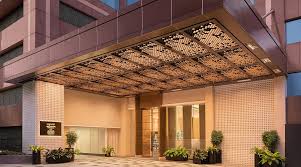 Marriott Executive Apartments Bengaluru Enhances Spa & Recreation Management">

Enhancing Wellness at Marriott Executive Apartments Bengaluru
The Marriott Executive Apartments in Bengaluru’s UB City has recently taken a significant step forward in luxury wellness by appointing Ashok Rawat as the new Spa & Recreation Manager. This strategic move underscores a growing trend toward holistic well-being in premium hospitality settings, promising an elevated leisure experience for guests seeking both relaxation and rejuvenation.
Elevating Guest Experience Through Expert Wellness Management
In his new capacity, Ashok Rawat brings a wealth of expertise aimed at broadening the scope and quality of the spa and recreational facilities within the apartment complex. This appointment is not merely about operational management but a focused intent to blend luxury living with wellness lifestyles, creating spaces that promote mental and physical renewal.
Key Features of Wellness Enhancement
- Integration of modern therapeutic spa treatments
- Expansion of fitness and recreation programs
- Focus on customized wellness packages catering to diverse guest needs
- Implementation of holistic approaches combining physical activity with stress relief
Understanding the Evolution of Spa and Wellness Tourism
The concept of spa tourism, a niche within the broader wellness tourism sector, has evolved far beyond its origins tied to natural springs and hydrotherapy. Today, it encompasses a vast array of practices designed to promote overall mind, body, and spirit wellness. Traditionally, spas were associated with mineral waters known for healing properties, but the modern wellness landscape now embraces massage therapies, yoga, and sensory experiences that foster relaxation and personal balance.
Historical Roots and Development
The term “spa” likely originates from the Belgian town of Spa, famous since the Middle Ages for its therapeutic thermal springs. Over centuries, European resorts such as the City of Bath in the UK developed as centers of health tourism, integrating these water-based treatments with hospitality services. The 19th and 20th centuries saw the proliferation of hotels and resorts around such springs, transforming spa visits into valued leisure activities.
Contemporary Spa Classifications
| Type of Spa | Description |
|---|---|
| Mineral Springs Spa | Utilizes natural mineral, thermal, or seawater springs on site |
| Club Spa | Offers fitness-focused programs and day spa services on a membership basis |
| Destination Spa | Centers on developing healthy habits with immersive wellness experiences |
| Hotel and Resort Spa | Located within lodging establishments providing varied spa amenities |
| Medical Spa | Features licensed healthcare professionals offering medical and wellness care |
Wellness Tourism in the Broader Tourism Industry
Wellness tourism represents a dynamic and rapidly growing sector driven by an aging global population, increased health awareness, and the desire for luxurious yet restorative travel experiences. Spas and wellness facilities contribute significantly to tourism revenues in many destinations, combining relaxation with health promotion.
Despite challenges such as inconsistent data collection and definitional variability, the spa and wellness industry is projected to continue expanding. A blend of traditional therapies and innovative wellness programs enhances destination appeal, particularly in urban luxury accommodations like those found in Bengaluru’s UB City.
Impact on Hospitality and Tourism
- Increased demand for personalized wellness services within premium accommodations
- Integration of spa and recreational offerings as essential components of luxury stays
- Potential to attract high-value tourists looking for authentic well-being experiences alongside cultural and leisure travel
- Promotion of sustainable tourism practices that respect both health and environmental concerns
Future Outlook and Significance for International Tourism
The wellness sector, including spa tourism, is anticipated to be a cornerstone of future travel trends as tourists increasingly seek escapes that rejuvenate both body and soul while offering memorable and immersive experiences. Cities hosting luxury accommodations that emphasize wellness, such as the Marriott Executive Apartments in Bengaluru, are well-positioned to meet evolving visitor expectations.
As international tourism continues to expand, destinations that successfully integrate spa and wellness amenities with local cultural and natural assets will likely attract broader segments of the market, enhancing their global competitiveness.
Conclusione
The appointment of Ashok Rawat as Spa & Recreation Manager at Marriott Executive Apartments Bengaluru represents a clear commitment to elevating luxury wellness offerings in a bustling urban environment. This move aligns with growing global trends in tourism where health, relaxation, and recreation are fused to create exceptional guest experiences.
For those exploring vibrant cities and seeking activities that balance bustling urban life with moments of tranquility, spa and wellness services serve as a sanctuary. Such developments also resonate well with broader marine and coastal leisure tourism trends, where relaxation and physical wellbeing are integral to enjoying sailing, yachting, and coastal activities.
Reflecting these trends, GetBoat.com continues to monitor key tourism updates and serves as an international marketplace for renting yachts, sailing boats, and more—to perfectly complement travelers’ pursuits of both adventure and relaxation across beautiful water destinations worldwide.