


 Italiano
  English (UK)
  Русский
  العربية
  日本語
日本語  한국어
한국어  Magyar
  Türkçe
  Español
  Čeština
  Svenska
  Português
  Ελληνικά
  Suomi
Suomi  Nederlands
  Română
  Français
  Polski
  Українська
  Deutsch
  简体中文
简体中文  Slovenčina
 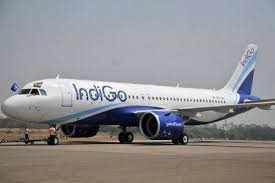 Il CEO di IndiGo si scusa per i disagi mentre le operazioni di volo tornano alla normalità">

IndiGo Resumes Stable Operations After Turmoil
Following a significant period of operational challenges, IndiGo has announced that its flight operations are now stable and functioning normally. The airline’s CEO Pieter Elbers extended a heartfelt apology to passengers affected by the widespread flight cancellations and delays, acknowledging the distress caused during the disruption.
Elbers emphasized the value of air travel as a way of connecting people with their goals and aspirations, recognizing the frustration of those who could not travel as planned. The airline has focused its efforts on safely returning stranded passengers to their destinations and has prioritized customer service relief amid the chaos.
Apologies and Passenger Support Measures
The airline made efforts to compensate passengers by issuing full refunds and addressing other customer grievances. While cancellations could not be reversed, IndiGo ensured that refunds were processed promptly without any questions asked. Additional efforts were dedicated to returning passengers’ baggage efficiently, with most luggage already delivered back to their owners.
| Date | Number of Flights Operated | Operational Notes |
|---|---|---|
| December 5 | 700 | Initial recovery phase after disruptions |
| December 6 | 1,500 | Significant increase in flights |
| December 7 | 1,650 | Steady operational improvement |
| December 8 | 1,800+ | Near-normal operations resumed |
Operational Recovery and Regulatory Actions
The pace of flights has steadily increased, allowing IndiGo to cover all 138 destinations in its network. On-time performance levels have also normalized, signaling a full operational turnaround earlier than initially projected. The CEO encouraged travelers to continue monitoring official channels for updated flight schedules.
In response to the disruptions, the Directorate General of Civil Aviation (DGCA) initially mandated a 5% reduction in IndiGo’s flight operations to ensure manageable service levels and mitigate further cancellations. The Ministry of Civil Aviation escalated this requirement to a 10% reduction. IndiGo has been instructed to submit a revised schedule reflecting these changes.
Historical Context of Air Travel Disruptions and Airline Stability
Incidents of airline operational disruption are not entirely uncommon globally, often stemming from factors such as staff shortages, weather challenges, or technology failures. Over the past decades, the aviation industry has evolved strategies to recover swiftly from such setbacks, emphasizing customer communication, rapid rebooking, and maintenance of safety standards.
In India, the rapid expansion of air travel infrastructure following liberalization policies since the early 2000s has led to increased passenger volumes — sometimes straining airport capacity and airline operations. The rise of low-cost carriers, including IndiGo, has transformed domestic travel, making flying accessible to larger population segments but also introducing new challenges in managing operational scale and network complexity.
India’s Aviation Growth and Reform
The country’s aviation sector transitioned from a restrictive model to a more open and competitive environment, encouraging private investments and expansion of airport infrastructure. Low-cost carriers became instrumental in boosting air travel demand, contributing to doubled passenger traffic in some years. Such rapid growth occasionally results in operational bottlenecks, as seen in the earlier chaos which affected IndiGo.
Forecast: The Role of Airline Stability in Tourism and Maritime Travel
Looking ahead, efficient and reliable airline services are fundamental components of global tourism connectivity. Destinations relying on air travel as a gateway must emphasize operational excellence to sustain visitor flows. This stability is especially critical for regions intertwined with coastal tourism and sailing activities, where timely arrivals and departures impact the schedules of yacht and boat charters.
The interplay between air travel and maritime leisure sectors is evident; seamless transport promotes more dynamic tourism experiences, such as combining flight arrival with sailing trips in popular coastal regions. Airlines and airports that invest in resilience and service quality contribute positively to the broader travel ecosystem, including yacht rental and water-based tourism.
How Flight Disruptions Affect Marine Tourism
- Delays in arrival can cause missed bookings for yacht and boat rentals, impacting both tourists and operators.
- Unpredictable schedules reduce traveler confidence in planning multi-modal trips involving aircraft and boat charters.
- Improved collaboration between airlines and local tourism services can boost overall destination appeal.
Conclusione
IndiGo’s journey from disruption back to stable operations highlights both the challenges and resilience present in modern aviation. As the airline steadily ramped up flights and managed passenger needs, regulatory oversight ensured service quality and safety. This episode serves as a reminder of the importance of robust operational planning in aviation, with direct consequences on international tourism flows.
For travelers heading to coastal and marine destinations, reliable air service forms the backbone of seamless travel experiences, impacting yacht charters, boating activities, and waterfront tourism. For those seeking to explore sailing opportunities or rent a yacht in popular binges, platforms like GetBoat.com represent leading marketplaces, offering a wide range of boats to match every preference and budget. Ensuring smooth air travel remains a key part of this connected network of sea and sky.