


 Italiano
  English (UK)
  Русский
  العربية
  日本語
日本語  한국어
한국어  Magyar
  Türkçe
  Español
  Čeština
  Svenska
  Português
  Ελληνικά
  Suomi
Suomi  Nederlands
  Română
  Français
  Polski
  Українська
  Deutsch
  简体中文
简体中文  Slovenčina
  Contemporary Native Makers at Penn Museum">

The Penn Museum received seven contemporary Indigenous works via climate-controlled crate shipments from the Pacific Northwest, Alaska, the Southeast, and the Pueblo Southwest, each accompanied by condition reports, customs declarations, and installation protocols to meet gallery conservation and loans logistics standards.
Emerging from Raven
Preston Singletary (Lingít)
Emerging from Raven sits in the gallery as an example of how 20th-century studio glass techniques can carry Indigenous narratives. Singletary, working out of the Seattle area and trained under Dale Chihuly, merges Lingít formline with blown glass traditions. The piece features a central Raven figure common in Northwest myth—an icon the artist has revisited in over 60 works—produced with careful temperature control during transit and display to prevent thermal shock.
Materials & display notes
Blown glass; installed in a low-vibration case with controlled humidity to protect both glass and pigments.
I Am More Than Fluff
Holly Wilson (Delaware Nation/Lenape)
I Am More Than Fluff (2022) is a patchwork bronze, glass, brass, patina, and feather construction that asserts presence beyond stereotype. The museum label quotes the artist’s refusal to be frozen in romanticized narratives: “I am not this fluff; I am here; I am loud and larger than life.” For conservators, the mixed media required separate packing accents and a written handling plan to preserve delicate feathers and metal surfaces.
Halibut Hook
Jonathan Rowan (Lingít)
Jonathan Rowan, a tribal leader and fisherman, carved the Halibut Hook from Alaskan yellow cedar and Pacific yew. These wooden hooks remain functional and effective—Rowan still fishes with them. In the gallery the hook sits near interpretive text about fishing technology and maritime practices, linking the object directly to coastal livelihoods and small-boat techniques familiar to charter captains and anglers.
Why it matters for boating
- Demonstrates continuity of fishing tools used aboard small boats and skiffs.
- Ties craft to local maritime knowledge valuable for charters and fishing excursions.
- Suggests conservation of wooden gear parallels care taken with traditional small-craft timber maintenance.
Parceled Space #2
Brenda Mallory (Cherokee Nation)
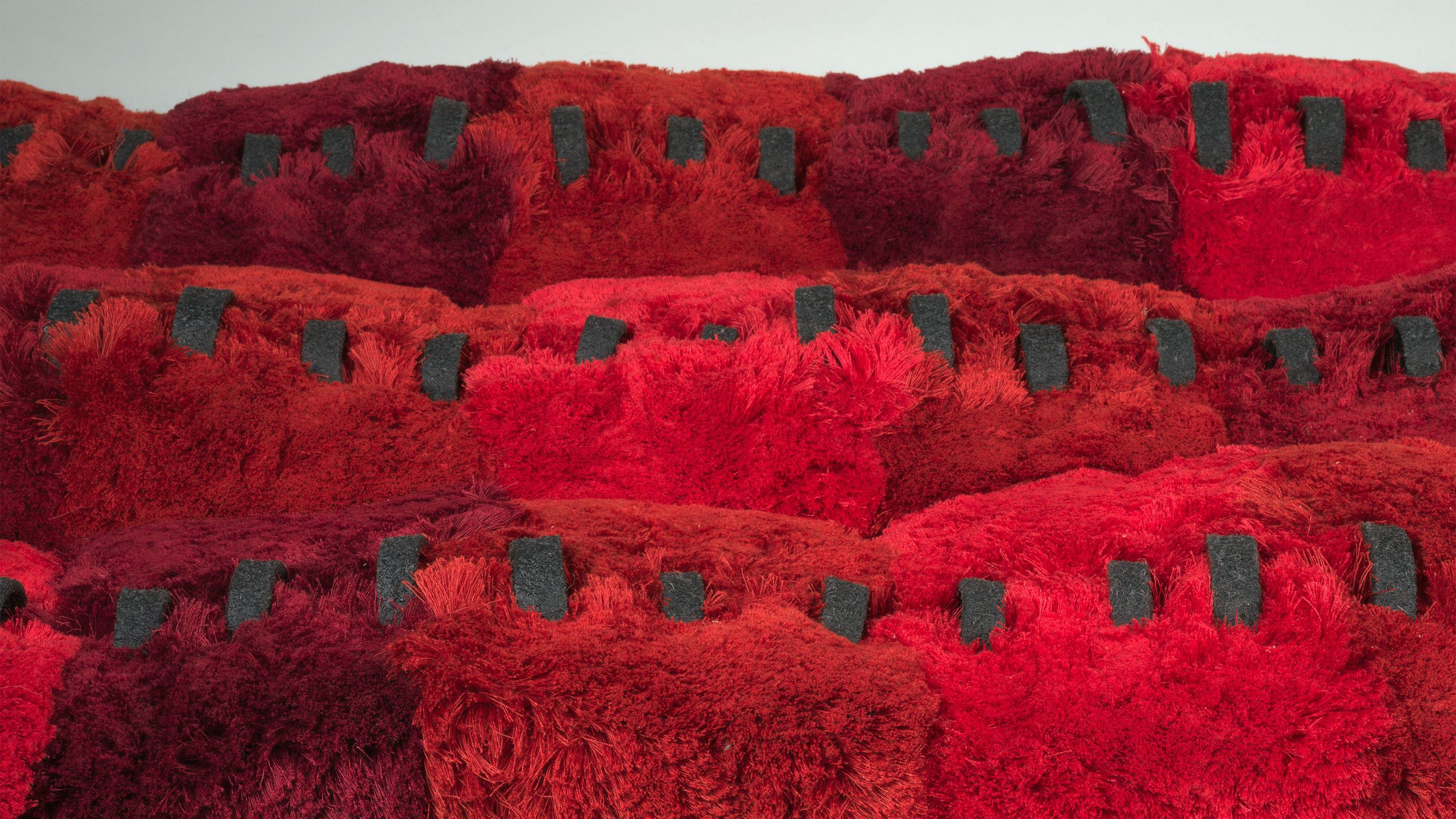
Parceled Space #2 mixes felt, thread spools, staples, and wax to address allotment and blood quantum. Mallory’s work was installed with explanatory wall text pointing to land division history and cartographic fragmentation—maps and parcels arranged like crate inventories or berth plans, a reminder that logistical planning often shapes human movement as powerfully as freight manifests do.
Pot Ring
Christopher Lewis (Zuni Pueblo)
Il Pot Ring by Christopher Lewis uses yucca and willow in a ring-basket form traditionally used to cushion and stabilize jars on heads or floors. Lewis’s ring is part of a “Learning from Our Ancestors” case that includes notes on rotational storage and display strategies. Pot rings are a quiet example of functional craft meeting museum object care: cradle supports in the case mirror the ring’s original stabilizing purpose.
Ovoid Earrings
Vina Brown (Haíłzaqv Nation, Nuučaan̓uɫ)
Beader and weaver Vina Brown’s Ovoid Earrings are displayed alongside early 20th-century Lingít silver bracelets. Jewelry in the display functions as identity and continuity—big earrings as modern emblems of heritage, which might catch an eye on a sunny deck at marina-side festivals or on passengers boarding a charter for a coastal cruise.
Dancing Bears Wood Carving
Charlie Watty (Eastern Band Cherokee)
Charlie Watty carved two walnut bears performing a balancing act—furniture-smooth forms that read as both playful and meditative. Watty’s path from high-school class with Amanda Crowe to decades of carving mirrors many artisans’ trajectories: a mix of mentorship, interrupted practice (military service in his case), and eventual mastery. These carvings are small-scale but rich in tactile storytelling; they travel well when packed with foam cradles and humidity buffering.
Quick Reference Table
| Work | Artist (Nation) | Material | Display notes |
|---|---|---|---|
| Emerging from Raven | Preston Singletary (Lingít) | Blown glass | Low-vibration case |
| I Am More Than Fluff | Holly Wilson (Delaware Nation/Lenape) | Bronze, glass, feathers | Mixed-media handling plan |
| Halibut Hook | Jonathan Rowan (Lingít) | Yellow cedar, Pacific yew | Maritime interpretive label |
| Parceled Space #2 | Brenda Mallory (Cherokee Nation) | Felt, thread, staples | Map/allotment context |
| Pot Ring | Christopher Lewis (Zuni Pueblo) | Yucca, willow | “Learning from Our Ancestors” case |
| Ovoid Earrings | Vina Brown (Haíłzaqv/Nuučaan̓uɫ) | Beadwork, silver | Jewelry identity display |
| Dancing Bears | Charlie Watty (Eastern Band Cherokee) | Walnut | Foam cradle packing |
Seeing these works together reveals threads of continuity—material care, movement of objects, and community stories—that museums must manage as meticulously as a marina schedules berths. From carved Halibut Hooks that still fish to glass Raven forms that bridge traditions, the collection offers both sensory detail and ethical display practices. Smooth sailing, as they say: the museum’s logistics kept the art safe and the stories loud.
In summary, the seven contemporary works—by Preston Singletary, Holly Wilson, Jonathan Rowan, Brenda Mallory, Christopher Lewis, Vina Brown, and Charlie Watty—tie craft to history and everyday practices. Whether you’re thinking of a yacht owner spotting beadwork at a shore-side market, a charter captain hearing fishing-tech stories, or someone planning a boat rent near marinas and beaches, these pieces remind us that art, like a good barca, carries culture across water. Destinations and activities converge: yachting, vela, fishing, and beachside viewing are all part of the same current that connects superyacht decks to clearwater porti turistici and tribal shores.