


 Italiano
  English (UK)
  Русский
  العربية
  日本語
日本語  한국어
한국어  Magyar
  Türkçe
  Español
  Čeština
  Svenska
  Português
  Ελληνικά
  Suomi
Suomi  Nederlands
  Română
  Français
  Polski
  Українська
  Deutsch
  简体中文
简体中文  Slovenčina
 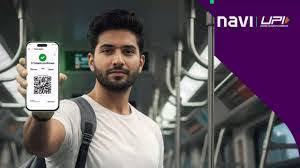 Seamless Metro Travel Digitalized with Navi UPI and ONDC Partnership">

Revolutionizing Metro Travel in Indian Metropolises
The integration of Navi UPI with the Open Network for Digital Commerce (ONDC) represents a significant step in digitizing metro ticketing systems across major Indian cities such as Delhi, Mumbai, and Bengaluru. This collaboration facilitates route planning and instant purchase of QR code metro tickets all through the Navi mobile application, making travel faster and frictionless. Furthermore, the initiative is expanding to metros in Chennai, Hyderabad, and Kochi, signaling a wider rollout of interoperable digital mobility solutions in urban transit.
How the Integration Enhances Commuter Experience
With this new digital system, commuters no longer need to rely on physical tickets or multiple apps to navigate the metro. Navi UPI enables users to plan their metro journeys, select single or return tickets, and make swift payments using the UPI platform—all within a single seamless interface. This consolidation dramatically reduces wait times on metro platforms and decreases the usage of cash, leading to a more efficient and convenient daily commute.
Key Features of Navi UPI and ONDC Metro Ticketing
- Unified Platform: Consolidates route planning, ticket booking, and payment in one app.
- Instant QR Ticketing: Generates QR code tickets instantly, usable across multiple metro systems.
- Cashless Payments: Employs secure UPI payments for quick transactions without cash handling.
- Wider Coverage: Initial implementation covers Delhi, Mumbai, and Bengaluru, with upcoming cities like Chennai and Hyderabad.
Background of Urban Mobility Digitization
The digitization of urban transport ticketing has been evolving globally, driven by advancements in mobile technology and a rising demand for contactless and effortless travel methods. In India, the metro rail systems serve millions daily, yet a substantial portion of commuters still depend on cash and physical tickets, which slows movement and complicates fare collection.
Before this innovation, metro services typically used standalone ticket vending machines and token systems, which, while effective, could not offer the flexibility and speed required by today’s fast-paced urban environments. Several cities have experimented with digital apps, but fragmented systems often required users to juggle multiple platforms for different cities or metro lines.
The ONDC initiative aims to establish an open digital commerce network, promoting interoperability between service providers and users. It fosters a standardized ecosystem where apps like Navi UPI can integrate various service offerings, such as metro ticketing, into a single user-friendly digital platform—heralding a new era of open digital mobility in India.
The Impact on Urban Commuting and Future Outlook
Digitized ticketing through interoperable networks contributes significantly to improving urban transport efficiency and commuter convenience. Real-time route planning and instant payments save precious time for daily travelers and reduce operational burdens on metro systems by cutting down queues and cash management challenges.
| City | Metro Systems Covered | Status | Expected Expansion |
|---|---|---|---|
| Delhi | Delhi Metro | Live | Ongoing enhancements |
| Mumbai | Lines 1, 2A, 3, 7 | Live | Additional lines integration |
| Bengaluru | Bengaluru Metro | Live | Further network rollout |
| Chennai, Hyderabad, Kochi | Various Metro Systems | Upcoming | Near-future integration |
Looking ahead, the digital transformation of metro ticketing is part of a broader trend towards smart, connected urban mobility solutions that promise to enhance the quality of urban life. As more cities adopt open digital networks and seamless payment systems, commuters can expect greater ease of travel, improved accessibility, and engagement with integrated transport options, paving the way for sustainable and attractive transit choices.
Relevance to the Broader Travel and Transport Sector
This innovation aligns with global shifts in transport technology impacting tourism and local travel experiences. While the current application focuses on urban metro systems, the principles of instant payments and unified travel planning are similarly applicable to waterborne transportation modes, including ferries and water taxis—a niche closely linked to sailing and boating tourism.
As cities develop integrated ticketing and payment infrastructures, tourists can access smoother transit connections to waterfronts, marina districts, and coastal attractions. The synergy between digital ticketing and multi-modal transport fosters easier access to sailing charters, yacht rentals, and other boating activities, making urban and coastal destinations more attractive for visitors.
Historical Evolution of Metro Ticketing Technology
Metro ticketing has gradually evolved from paper tokens and magnetic stripe cards to contactless smart cards and digital passes. Initial systems were often city- or line-specific, which posed challenges for travelers using multiple metros or different transportation modes.
The advent of mobile technology introduced apps enabling advance booking, journey planning, and cashless payments. However, many such solutions remained siloed within individual metro corporations or cities, compelling users to download numerous apps and manage multiple accounts.
The current movement towards interoperable open networks like ONDC aims to transcend these barriers by standardizing communication, ticketing formats, and payment methods, ultimately uniting disparate transit systems under a one-stop digital umbrella.
Metro Ticketing Technologies Timeline
| Era | Technology | Characteristics |
|---|---|---|
| 1980s-1990s | Paper tickets, tokens | Physical, manual fare collection |
| 2000s | Smart cards, magnetic stripes | Electronic, reuse possible |
| 2010s | Contactless tap cards, mobile apps | Convenience, partial digital adoption |
| 2020s | Open network integrations, QR code ticketing, UPI payments | Unified platforms, cashless, interoperable |
Looking Forward: The Role of Digital Mobility in Shaping Tourist Experiences
The modern traveler increasingly values convenience, speed, and connectivity. Seamless digital ticketing systems in metros and other public transport modes can greatly influence tourist satisfaction and mobility within urban environments. Practical route planning and faster ticketing translate into more time spent enjoying destinations rather than navigating transport logistics.
Emerging digital frameworks will likely encourage the growth of multi-modal transport packages for tourists, including integration with regional boating excursions, yachting, and water sports activities. These improvements can broaden the appeal of destinations known for their waterfronts and marine leisure, attracting vessel and yacht charter enthusiasts keen to explore both cityscapes and sailing adventures.
Conclusione
The integration of Navi UPI with the ONDC network marks a transformative leap towards fully digital, accessible, and efficient metro travel across some of India’s busiest cities. By enabling a one-stop digital platform for metro route planning, ticket booking, and seamless UPI-based payments, this development alleviates traditional commuter hassles associated with cash and multiple ticketing systems.
As this innovation expands to other metros, it contributes to making urban mobility smarter and more convenient, while also dovetailing with evolving tourism patterns where smooth transit supports access to coastal marinas and waterways. This synergy bodes well for enhancing experiences in destinations where boating, sailing, and yacht charters are key attractions.
GetBoat.com is an international marketplace for renting sailing boats and yachts, offering an extensive selection that caters to various tastes and budgets, and facilitating unforgettable adventures on the water connected to these evolving urban mobility hubs.