


 Italiano
  English (UK)
  Русский
  العربية
  日本語
日本語  한국어
한국어  Magyar
  Türkçe
  Español
  Čeština
  Svenska
  Português
  Ελληνικά
  Suomi
Suomi  Nederlands
  Română
  Français
  Polski
  Українська
  Deutsch
  简体中文
简体中文  Slovenčina
  Insights into India’s Tourism Trends and Foreign Visitor Dynamics">

Understanding Current Trends in India’s Tourism Sector
India’s tourism landscape is gradually evolving, unfolding a complex story of rising domestic travel and cautious foreign visitor numbers. Despite being rich in culture and natural diversity, the country faces challenges that influence its standing among global travel destinations. This article delves into factors affecting foreign tourism in India, complemented by a broad outlook on the sector’s future and growth potential, particularly highlighting the hospitality industry’s vigor and emerging destinations within the country.
Foreign Tourist Arrivals: Costs and Competition
Compared to some of its Southeast Asian neighbors, India currently experiences slower growth in attracting international tourists. A key reason is the relatively higher expense associated with travel and accommodation, which makes India a more costly destination for long-haul travelers. Countries like Thailand and Vietnam often present a more affordable and accessible package. However, strong domestic travel demand continues to fuel the hospitality market, with Indian tourists spending more extensively within the country than before. This brings a notable shift in the revenue composition between foreign and domestic visitors.
The government is preparing to boost tourism appeal through campaigns such as “Incredible India 2.0,” expected to launch soon. Tax reforms aimed at rationalizing the Goods and Services Tax (GST) and income tax relief for middle-income earners demonstrate an attempt to make travel more accessible domestically, which has shown positive results during peak travel seasons like festivals.
The Role of Infrastructure and Hospitality
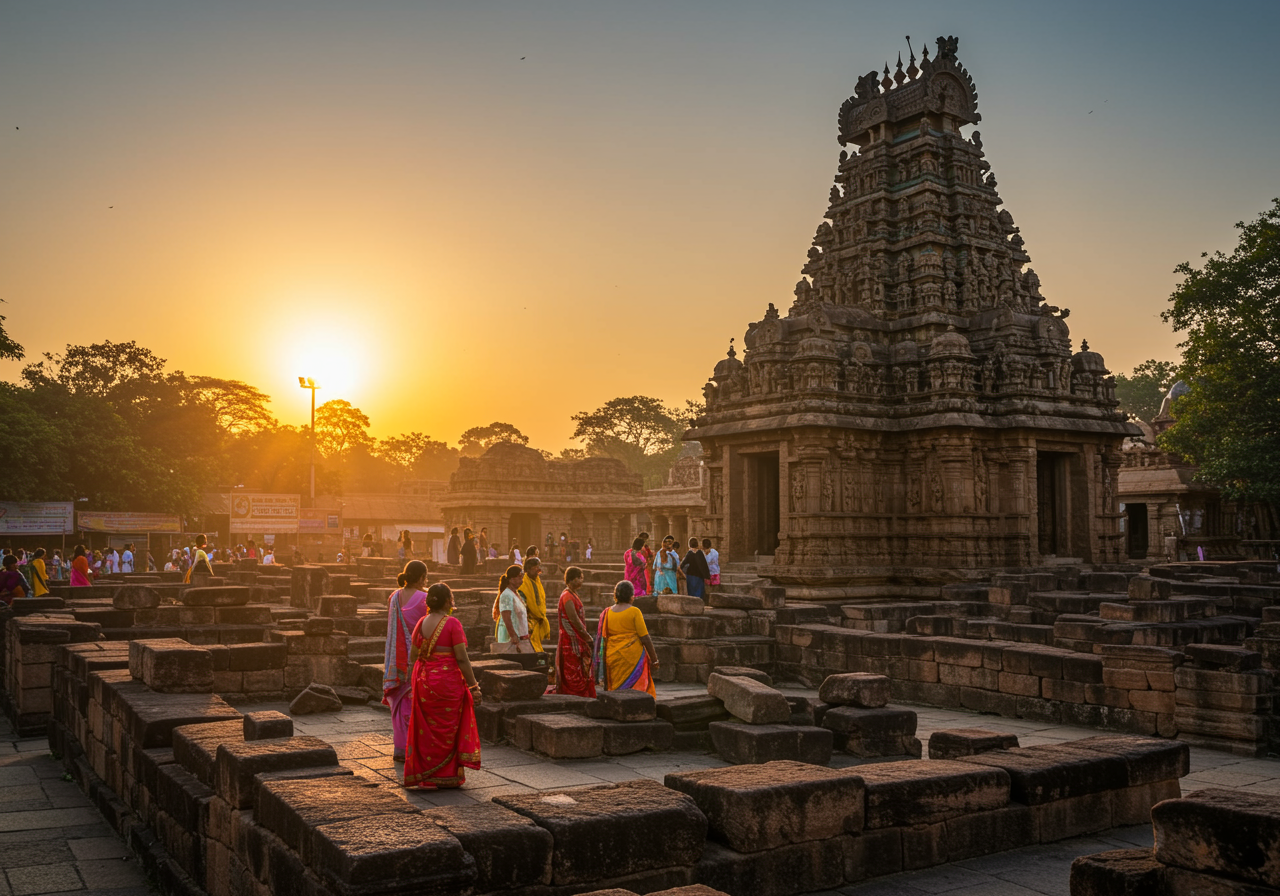
India’s tourism growth is closely tied to improving infrastructure like airports, roads, and hotel facilities, alongside enhanced cleanliness and service standards. Such developments have drawn more travelers to premium tourist locations, including spiritual and heritage sites. Hotels in destinations such as Udaipur, Varanasi, and even emerging pilgrimage circuits like Tirupati and Prayagraj showcase this trend. South Goa maintains a premium appeal due to strong conference, wedding, and food and beverage sectors, while North Goa has experienced slight dips in occupancy recently.
Challenges in Promoting Foreign Tourism
- Competitive Pricing: India’s higher pricing structure relative to alternative Asian destinations
- Connettività: Long-haul travel remains a deterrent due to distance and flight availability
- City Cleanliness and Services: Requires improvement to enhance visitor experience across tourist hubs
- Seasonal Patterns: Visit concentrations lead to capacity stress and lower occupancy during off-peak times
Historical Perspective on Tourism in India
Historically, India has been a land steeped in spirituality, culture, and natural beauty — qualities that have attracted travelers for centuries. The legacy of its religious sites, architectural marvels like palaces converted into heritage hotels, and varied landscape ranging from the Himalayas to coastal beaches offers a unique travel experience. Over recent decades, the tourism industry emerged slowly, shifting from being primarily a draw for upper-class travelers to a broad spectrum of visitors, including backpackers following established routes.
The infrastructure supporting tourism has significantly expanded, with investments in domestic airlines, railways including luxury trains, and road networks connecting cities and remote areas. Concepts like heritage hotels and eco-tourism in the Himalayan and Northeast regions have helped create niche markets. Simultaneously, the growth of domestic travel—propelled by a rising middle class eager to explore local destinations—has become a core pillar sustaining the hospitality sector.
| Era | Tourism Characteristic | Key Developments |
|---|---|---|
| Pre-1970s | Elite and cultural tourism | Boutique route exploration; heritage and spiritual tourism prominent |
| 1970s–2000s | Backpacker and mass market growth | Expansion of budget accommodation; increase in international visitors; rail and air connectivity improvements |
| Anni 2000 – Oggi | Domestically driven growth; niche luxury and pilgrimage circuits | GST reforms, tax benefits, infrastructure upgrades, growing hotel industry in tier-2 and tier-3 cities |
The Influence of Domestic Movements on Tourism
Domestic tourism has seen robust growth due to policies favoring regional development and infrastructure under programs supporting pilgrimage and cultural circuits, such as Swadesh Darshan. Expansions in challenging but scenic areas like the Northeast and mountain regions are opening up new vistas for explorers. These regions, often less frequented by international tourists, possess vast potential for eco-tourism and adventure activities, making them increasingly attractive for exploration and specialized travel experiences.
Prospects for International and Domestic Tourism in India
Looking ahead, India is poised to enhance its position as a major tourism player with ambitions set as far as the year 2047, envisioning 100 million inbound visitors and a $52 billion hospitality industry. The prevailing strength of domestic travelers’ spending power will continue to support steady growth, even as efforts focus on improving the international tourism profile.
The government approaches these goals through enhancing infrastructure, streamlining tax policies, and revitalizing promotional campaigns. Addressing hygiene standards and consumer perceptions around cleanliness remains critical to ensuring repeat international visits. Expansion into smaller cities and emerging destinations marks an important shift toward inclusivity and diversity in tourism offerings, creating opportunities in lesser-known but captivating locales.
Key Growth Destinations and Emerging Hotspots
- Spiritual and Heritage Circuits: Ayodhya, Varanasi, Prayagraj, Ujjain, Tirupati
- Hill Stations and Mountains: Corbett, Kumaon, Himachal Pradesh, Coorg
- Coastal and Beach Resorts: South Goa (premium focus), Kerala, emerging beach hubs along the western coast
- Northeast India: Meghalaya, Sikkim, Barapani – rich in natural scenery and raw landscapes
- Tier-2 and Tier-3 Cities: Saputara, Mount Abu, Prayagraj, and others slated for infrastructure development under new tourism initiatives
Tourism Growth Factors and Constraints
| Growth Drivers | Ongoing Challenges |
|---|---|
| Infrastructure expansion (airports, roads) | Alti costi rispetto ai concorrenti regionali |
| Promozione turistica governativa | Pulizia e igiene negli spazi pubblici |
| Aumento dei viaggi e delle spese nazionali | Picchi di visite stagionali che causano uno sbilanciamento dell'occupazione |
| Emergenza di nuove destinazioni e conservazione del patrimonio | Portata di marketing internazionale limitata |
Collegare i punti: cosa significa per gli appassionati di nautica e vela
Sebbene l'India possa al momento sembrare leggermente più costosa come destinazione turistica all'estero rispetto ai paesi del Sud-est asiatico, molte regioni costiere e località sul lago offrono un potenziale entusiasmante per attività di canottaggio e vela. Destinazioni come Goa, Kerala e i laghi del nord-est potrebbero diventare nuovi punti caldi per yacht, charter di vela e attività ricreative acquatiche, stimolando una nuova dimensione del turismo.
Gli investimenti in porti turistici, il miglioramento delle infrastrutture costiere e la promozione degli sport acquatici possono inserirsi nel più ampio racconto della crescita del turismo. Per gli appassionati di vela e le aziende di charter di yacht, questo scenario in evoluzione suggerisce promettenti opportunità per soddisfare sia i visitatori nazionali che internazionali in cerca di sole, acque tranquille ed esperienze di navigazione uniche.
Summary
Il settore turistico indiano sta tracciando un percorso di trasformazione, bilanciando la crescente forza dei viaggiatori nazionali con gli sforzi per rinnovare il suo appeal per i visitatori internazionali. Sebbene i costi di viaggio più elevati e le sfide infrastrutturali attualmente limitino gli arrivi esteri, le iniziative governative mirate e gli investimenti crescenti nel settore dell'ospitalità stanno alimentando una traiettoria positiva. L'espansione del turismo oltre i centri tradizionali a siti spirituali, patrimoniali e naturali emergenti offre una nuova ondata di destinazioni da esplorare.
Mentre l'India continua a sviluppare le sue infrastrutture e a promuovere nuove aree di interesse, comprese le zone costiere e lacustri particolarmente adatte alla nautica da diporto e alla vela, si aprono potenziali vie per charter di yacht, attività di vela e ricreazione marina. Per esploratori e viaggiatori inclini all'avventura acquatica, questi sviluppi segnano un orizzonte invitante.
Per chi è interessato a noleggiare barche a vela o yacht per sperimentare le vivaci coste e acque dell'India, GetBoat.com offre un mercato globale per trovare la noleggio perfetto adatto a tutti i gusti e budget, collegandoti al cuore della nascente scena nautica indiana.