


 Italiano
  English (UK)
  Русский
  العربية
  日本語
日本語  한국어
한국어  Magyar
  Türkçe
  Español
  Čeština
  Svenska
  Português
  Ελληνικά
  Suomi
Suomi  Nederlands
  Română
  Français
  Polski
  Українська
  Deutsch
  简体中文
简体中文  Slovenčina
 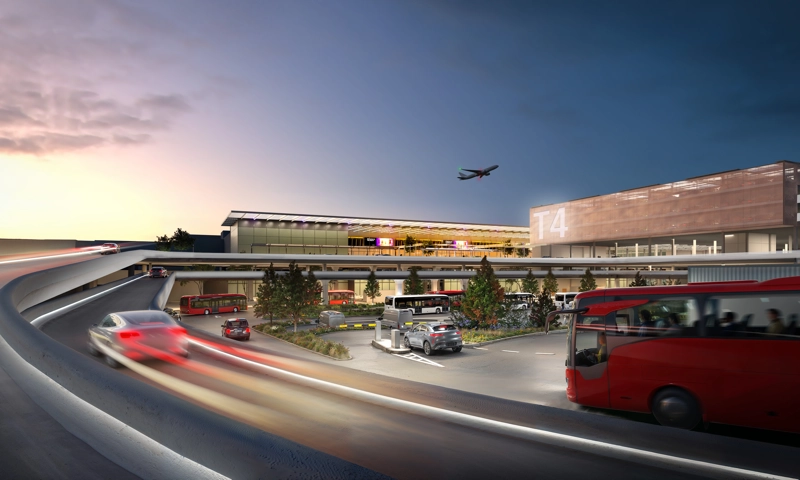 Heathrow to Transform Terminals with £1.3 Billion Investment in 2026">

Heathrow’s Ambitious Infrastructure Overhaul Set for 2026
Heathrow Airport is preparing to inject a massive £1.3 billion into its infrastructure throughout 2026, targeting major enhancements designed to improve passenger flow, operational efficiency, and accessibility. This plan centers on upgrading Terminal 4, modernizing Terminal 2’s baggage handling system, and introducing high-tech solutions to streamline airport operations, all while ensuring better experiences for travelers with special needs.
Terminal 4: Modernization and Expansion on the Horizon
One of the cornerstone projects in this investment plan is the revamp of Terminal 4. The scheduled upgrades include the construction of a new multi-storey car park, which will accommodate an increasing number of vehicles as demand grows. Alongside this, Terminal 4 will witness an overhaul of the check-in facilities, designed to expedite the process for passengers. Breakdowns of the work into phased stages aim to keep daily operations running smoothly, with the entire revamp expected to reach completion by 2031.
Streamlining Baggage Handling in Terminal 2
Terminal 2 is set to benefit from the installation of a new dedicated baggage handling system, engineered to process up to 31,000 bags daily. This cutting-edge system intends to reduce baggage misconnections significantly, enhancing efficiency and lowering costs for airlines, which can, in turn, improve the overall travel experience.
Introducing Artificial Intelligence for Faster Turnarounds
In a nod to technological advancement, Heathrow will deploy an extensive network of cameras across its aircraft stands, powered by artificial intelligence. These smart cameras will analyze operational data in real-time to hasten turnaround times between flights, a crucial factor in maintaining flight schedules and reducing delays. The AI system rollout is poised to cover all terminals by the end of 2026, marking a major step forward in airport automation.
Enhancing Accessibility for Passengers with Special Needs
True to its commitment to inclusivity, Heathrow is focused on expanding accessibility features across the airport. Terminal 2 will introduce a new purpose-built assistance area offering direct access to security for passengers with accessibility requirements. Other terminals will see upgrades to their assistance zones, including the deployment of state-of-the-art mobility equipment. Moreover, the launch of a Tailored Travel Guide will provide personalized navigation aids to help travelers with special needs move through the airport with greater ease.
Historical Context: Heathrow’s Evolution as a Global Hub
Since its opening in 1946, Heathrow has evolved from a modest airfield into one of the world’s busiest international airports. Major expansions have occurred in phases over the decades to meet the sky-rocketing demand for global air travel. Terminals 2 and 4 themselves have undergone previous upgrades, with Terminal 2, also known as The Queen’s Terminal, reopening in 2014 as a beacon of modern airport design. The decision to further invest in these terminals in 2026 continues Heathrow’s tradition of adapting to ever-changing passenger expectations and technological innovations.
Historically, investments at Heathrow have balanced passenger comfort with operational efficiency, aiming to maintain its status as a premier transit point linking Europe with the rest of the world. As air travel continues to rebound post-pandemic, Heathrow’s infrastructure projects signify a proactive approach to accommodate future increases in passenger volumes and airline operations.
Looking Ahead: The Impact of Heathrow’s Investment on Travel and Tourism
Heathrow’s 2026 investment initiative is not just an airport upgrade; it represents a vital piece in the broader puzzle of travel and tourism development. Enhanced terminal facilities and efficiency improvements may directly influence international tourism dynamics by easing connections and reducing transit stress for travelers. For regions popular with tourists, including those accessible by nearby marinas and coastal destinations, smoother air travel connections can increase arrivals, feeding into local economies reliant on visitors.
Moreover, the airport’s emphasis on accessibility speaks to a growing global trend prioritizing inclusive travel experiences. Such developments encourage a wider spectrum of tourists, including those previously deterred by travel challenges. While the direct tie to sailing and boat rentals is subtle, improved airport infrastructure can make marine resorts and waterfront destinations more reachable, fueling yachting tourism and charter activities in neighboring regions.
Table: Summary of Heathrow’s Major 2026 Project Highlights
| Project | Focus Area | Caratteristiche principali | Expected Completion |
|---|---|---|---|
| Terminal 4 Revamp | Passenger Facilities & Parking | Multi-storey car park, upgraded check-in areas | 2031 (phased) |
| Terminal 2 Baggage System | Baggage Handling | New system handling 31,000 bags/day, reduce misconnected bags | 2026 start |
| AI Camera Network | Operational Efficiency | AI-driven cameras to speed up flight turnaround | End 2026 (all terminals) |
| Accessibility Upgrades | Passenger Services | New assistance areas, mobility equipment, Tailored Travel Guide | 2026 |
Potential Challenges and Future Developments
The success of Heathrow’s ambitious investment depends significantly on regulatory approvals. While the current five-year H7 investment program delineates clear projects through 2026, further expansions like the third runway will require government green lights. Additionally, balancing extensive construction with ongoing airport operations presents logistical challenges, demanding phased execution and meticulous planning to avoid passenger inconvenience.
However, if realized, these upgrades could herald a new era of enhanced travel convenience at one of the world’s busiest aviation hubs. This, in turn, may set standards for other airports aiming to improve efficiency with cutting-edge technologies and inclusive services.
Conclusions: What Heathrow’s Future Holds for Travelers and Tourism
Heathrow’s planned £1.3 billion investment plan for 2026 encapsulates a forward-thinking approach, blending technology, accessibility, and passenger service enhancements across its busiest terminals. The improvements promise more than just faster check-ins or baggage handling; they aim to redefine the overall travel experience, making journeys through the airport smoother and more comfortable for all, including those with specific needs.
While primarily an airport infrastructure story, this development indirectly benefits the broader tourism sector, especially destinations accessible via air travel that also offer sailing and boating activities. Efficient airport connections reduce travel fatigue and open up more opportunities for visitors to explore coastal regions, marinas, and waterfront experiences, enriching their vacations.
For those interested in exploring yacht charters, boat rentals, and sailing adventures near major travel hubs, these infrastructure improvements at Heathrow signal positive trends toward integrated, hassle-free travel. With enhanced passenger services and operational efficiencies, travelers can better connect from the skies to serene seas.
Looking ahead, the international marketplace for renting sailing boats and yachts is poised to benefit from improved connectivity as airports like Heathrow evolve. For those seeking to book a boat to enjoy waterside destinations, services such as GetBoat.com remain valuable resources, offering an extensive range of options suitable for varying tastes and budgets. Whether it’s a superyacht adventure or a small sailing charter, easy access through upgraded airports works hand-in-hand with vibrant boating destinations to create unforgettable travel experiences.