


 Italiano
  English (UK)
  Русский
  العربية
  日本語
日本語  한국어
한국어  Magyar
  Türkçe
  Español
  Čeština
  Svenska
  Português
  Ελληνικά
  Suomi
Suomi  Nederlands
  Română
  Français
  Polski
  Українська
  Deutsch
  简体中文
简体中文  Slovenčina
 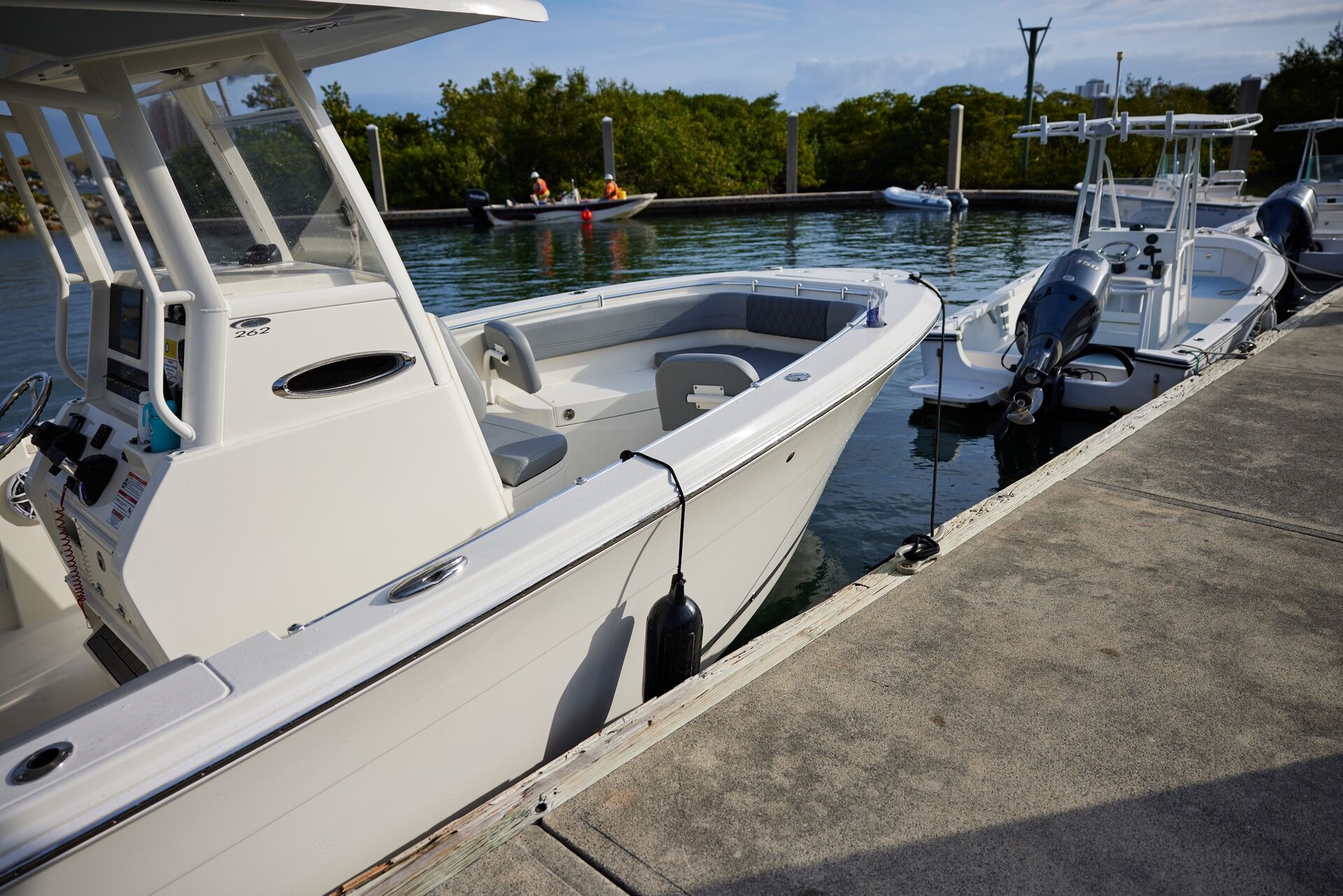 Mastering the Bowline for Safe Mooring">

At busy marinas and charter docks, planners account for a bowline’s typical retention of 60–70% rope strength, so provisioning and line selection must factor a 30–40% efficiency loss when relying on bowlines for short-term mooring, towing, or rescue operations.
Overview of the Bowline Knot
Il bowline (paalsteek) forms a fixed loop that resists slipping under load and unties easily after strain. That combination of reliability and serviceability is why marina crews, charter captains, and recreational renters rely on it for everyday tasks like cleating off, creating rescue loops, or forming towing attachments.
Vantaggi chiave
- Non-slipping loop: Holds shape under a steady pull.
- Easy to untie: Remains manageable after heavy loading.
- Versatilità: Useful across docking, towing, anchoring, and emergency scenarios.
Strength and Limitations
Measured conservatively, a bowline reduces raw rope strength by roughly 30–40%. That makes it adequate for most small-boat and dock tasks but not the absolute best for high-stakes, continuous-tension use on larger vessels or superyachts. The knot can also work loose if the load direction varies or if it’s left undisturbed for long periods.
Practical Safety Notes
- Always vestito and set the knot neatly and leave a sufficient tail.
- Under variable or cyclic loading, add a stopper knot or use a double bowline or figure-eight loop.
- Inspect knots periodically during extended trips or in rough weather.
Where Boaters Use the Bowline
From rental fleets to private yachts, the bowline shows up in predictable places because it’s simple, fast, and dependable for specific tasks.
| Use Case | Why It’s Used | Operational Tip |
|---|---|---|
| Securing to posts/cleats | Creates fixed loop to attach to rings or cleats | Dress the knot and tuck a short tail under a turn |
| Towing small vessels | Loop won’t jam tight under tension | Adjust loop size quick for different tow eyes |
| Rescue and lifting | Safe around life jackets or harnesses, non-constricting | Use a captain-trained crew member to secure and check |
| Attaching sails/sheets | Strong, releasable connection to clews | Not ideal for continuous standing rigging under constant load |
Common Applications — Quick List
- Docking a charter boat at a crowded marina
- Forming a towing bridle for a smaller craft
- Creating a rescue loop around a life jacket
- Temporary attachment to anchors or chain end
How to Tie and Untie a Bowline
Learning to tie the bowline is a core qualification for rental crews and day-sail captains. Below is a concise step set that fits a training checklist.
Step-by-step (quick)
- Make a small overhand loop in the standing part of the line.
- Pass the working end up through the loop (the “rabbit comes out of the hole”).
- Wrap the working end around the standing part (the “rabbit goes around the tree”).
- Return the working end down through the loop and snug everything up, dressing the knot neatly.
To untie after heavy loading, pull the standing part away from the loop to loosen, then work the tail through the knot—easy compared to many other loop knots that jam permanently.
When Not to Use a Bowline
Don’t rely on a standard bowline for long-term standing loads like forestays, halyards under constant tension, or critical load-bearing on larger vessels. For these, consider alternatives such as the figure-eight loop, double bowline, or sewn/metal fittings appropriate for superyacht or commercial applications.
Fleet and Charter Considerations
For GetBoat.com listings and rental operations, train charter crews to check that bowlines are tied correctly before departure and to swap to more secure variations when guests or captains expect continuous strain. A small habit—like tucking a tail or adding a stopper—can prevent incidents and save reputations.
Wrap-up and Key Takeaways
The bowline is a must-know knot for any boater: it gives a secure, non-slipping loop that’s easy to tie and untie, retains roughly 60–70% of rope strength, and is ideal for docking, towing, and rescue tasks. It’s not the best choice for continuous tension or where absolute strength matters—add a stopper knot or use an alternative in those cases. For charter operators, marinas, and rental crews, regular inspection and proper dressing of the knot are essential. Whether fitting out a yacht or renting a boat for a day at the beach or on a lake, mastering the bowline improves safety, speeds operations, and makes both captain and guest lives easier. In short: know the knot, respect its limits, and you’ll keep people and gear safe on the sea, ocean, gulf, or any water destination—perfect for charter, rent, yachting activities, marinas, fishing trips, or superyacht work in Clearwater or beyond.