


 Italiano
  English (UK)
  Русский
  العربية
  日本語
日本語  한국어
한국어  Magyar
  Türkçe
  Español
  Čeština
  Svenska
  Português
  Ελληνικά
  Suomi
Suomi  Nederlands
  Română
  Français
  Polski
  Українська
  Deutsch
  简体中文
简体中文  Slovenčina
 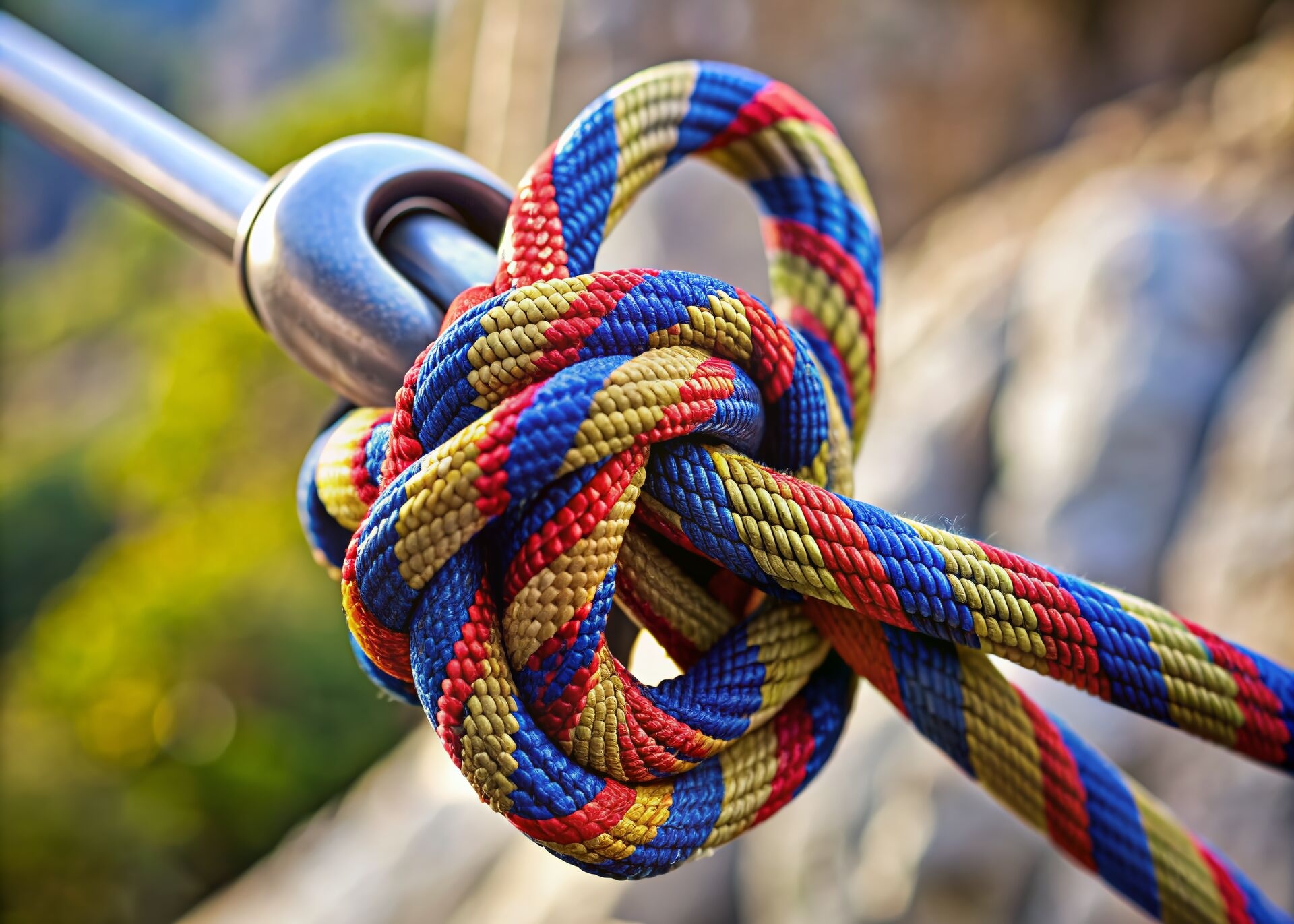 Mastering the Bowline for Boat Use">

Marinas operating charter fleets often schedule mooring rotations every 20–30 minutes during peak season, so quick-to-tie, dependable knots like the bowline are logistical necessities to speed turnarounds and keep booking schedules on track.
A concise picture of the bowline
Il bowline (also known as paalsteek) forms a fixed, non-slipping loop at a rope’s end. It’s favored in boating because it’s easy to tie and untie, even after heavy loads — a real boon when crews need to move fast between charters.
Why charter operators and rental crews rely on it
The bowline gives a predictable loop that won’t jam under tension, which is handy when attaching lines to cleats, posts, or rings. In short: it’s quick, inspectable, and unties without theatrics — exactly what busy marinas want.
Performance metrics
| Characteristic | Typical Value / Note |
|---|---|
| Retained rope strength | ≈60–70% of original, depending on rope and dressing |
| Best use | Fixed loops for docking, towing, rescue |
| Weakness | Can loosen under cyclic or variable loading |
Common applications on board
Think of the bowline as the multi-tool of knots. It shows up across everyday tasks on charter yachts and rental boats:
- Securing to fixed objects — posts, rings, or pilings when tying off at a marina.
- Towing — forming a towing loop that won’t constrict the towed craft.
- Rescue and safety — a loop around a life jacket or waist that will not tighten dangerously.
- Attaching sails — fixing sheets to the clew for temporary connections.
Step-by-step use and checks
Tie it well, dress it right, and leave enough tail. Here’s a quick checklist rental crews love before they cast off:
- Make the loop and follow the “rabbit comes out, around the tree, back down the hole” trick if you like the rhyme.
- Dress the knot so all parts run parallel — no crossing or twists.
- Set the knot by pulling the standing part and loop hard.
- Leave a sensible tail (rule of thumb: at least a few inches) or add a stopper knot for extra security.
Limitations and when to choose alternatives
Don’t take the bowline as a one-size-fits-all. It performs poorly under constant bidirectional or cyclic loading and can work loose if left slack. For continuous tension scenarios (like long-term sail trim or permanent mooring lines), consider alternatives such as the double bowline or a figure-eight loop, or add a backup stopper knot.
Safety considerations
Always inspect knots during checklists, especially on longer charters or rough-weather passages. If you’re handling passengers who might be unfamiliar with deck procedures, pick knots that are both secure and simple to explain — bowlines tick both boxes.
Tying and untying in real-world charter work
I once watched a charter captain calmly swap a jammed cleat hitch for a neat bowline after a sudden gust — folks on deck breathed easier. That’s the charm: the bowline stays manageable even after heavy strain, so downtime is minimized and the schedule keeps moving.
Quick tips for crew training
- Practice under load so crews know how the knot behaves.
- Teach the bowline and one stronger variant (double bowline) in the same session.
- Include knot checks in pre-departure briefs for renters and captains.
Final checks before you cast off
Before putting a bowline under load, double-check the dressing and tail length. In rentals, a short pre-sail demo for renters can prevent a lot of facepalms later. As the saying goes: an ounce of prevention is worth a pound of cure.
Wrap-up and takeaways
To sum up, the bowline is a versatile, easy-to-inspect knot that retains roughly 60–70% of rope strength and serves many needs on yachts and charter boats: docking, towing, rescue, and temporary sail attachments. It’s not ideal for constant or shifting loads, so back it up with a stopper knot or use stronger alternatives when necessary. For anyone involved in yacht charter, boat rental, or everyday boating, learning the bowline and its variations pays off in safety and efficiency — whether you’re running marinas, captaining a superyacht, or booking a weekend rent on a lake or gulf. From marinas to open ocean, the bowline keeps things tied together: yacht, charter, boat, beach, rent, lake, sailing, captain, sale, Destinations, superyacht, activities, yachting, sea, ocean, boating, gulf, water, sunseeker, marinas, clearwater, fishing.