


 Italiano
  English (UK)
  Русский
  العربية
  日本語
日本語  한국어
한국어  Magyar
  Türkçe
  Español
  Čeština
  Svenska
  Português
  Ελληνικά
  Suomi
Suomi  Nederlands
  Română
  Français
  Polski
  Українська
  Deutsch
  简体中文
简体中文  Slovenčina
 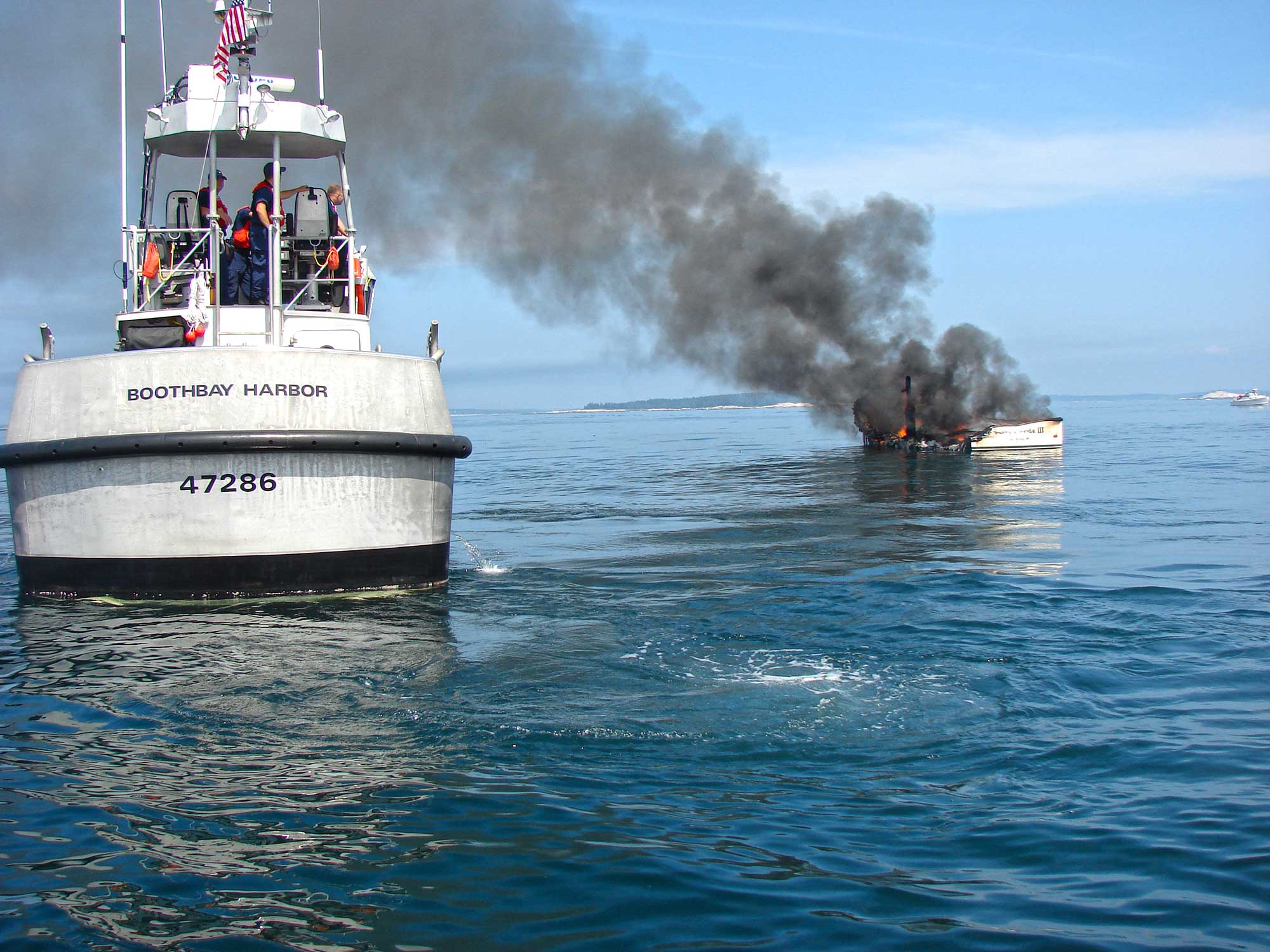 The Essential Guide to Handling Boating Emergencies">

When taking to the water, awareness and preparation for emergencies are essential to ensure a safe and enjoyable experience. This guide highlights key response strategies for various boating emergencies, providing insight into how to effectively handle unexpected situations.
Understanding the Importance of Safety at Sea
Before embarking on a boating adventure, it is crucial to equip your vessel with necessary safety gear including life jackets for all passengers, distress signals, a reliable VHF radio, and other vital equipment. Familiarizing yourself with your cruising area and monitoring weather conditions are also fundamental aspects of safe boating. As sailors know, the ocean can be unpredictably beautiful, and knowing how to react in emergencies can make the difference between a thrilling trip and a dangerous situation.
Common Boating Emergencies and Responses
Emergencies on the water can arise unexpectedly. Here are five critical types of emergencies and recommended actions.
1. Sudden Storm Conditions
- Don life jackets immediately.
- Secure any loose gear onboard to prevent hazards.
- Close hatches and windows to minimize water entry.
- Reduce boat speed while maintaining course and steerage.
- Seek immediate shelter and turn on navigation lights.
- Ensure crew members position themselves low and centered for stability.
- In the event of lightning, remain low and away from metallic objects.
2. Fire Onboard
Should a fire ignite aboard:
- Steer the boat into the wind to keep flames from spreading.
- Don your life jackets.
- Shut off the fuel supply to prevent further ignition.
- Utilize VHF Channel 16, press the DSC-VHF distress button, or dial 911 for cellphone assistance, ensuring to relay your vessel’s location and the number of passengers onboard.
- Employ a fire extinguisher using the PASS method: Pull the pin, Aim at the base of the fire, Squeeze the handle, and Sweep side to side.
- Avoid using water on gas or electrical fires, and if safe, discard any burning items overboard.
3. Medical Emergencies
When facing a medical situation:
- Determine the severity: Is it life-threatening or manageable?
- For serious cases, call for help using the methods mentioned earlier.
- Control bleeding with pressure and elevate the affected limb to heart level.
- If the patient is in shock, keep them warm and lying down with their legs elevated.
4. Collision Situations
Following a collision:
- Shut down engines and assess injuries onboard.
- Ensure all crew members wear life jackets.
- Evaluate for flooding; activate bilge pumps, shut sea cocks, and use gear to cover leaks if necessary.
- Seek help and check on the other vessel if safely possible.
- Document the incident with photos and videos if conditions allow.
5. Sinking Incidents
In the unfortunate event of sinking:
- First and foremost, put on life jackets.
- Make a distress call via VHF or cellphone.
- Identify the source of the leak and turn on the bilge pumps.
- Make temporary repairs if feasible, like closing seacocks.
- Head towards the nearest shore to beach the vessel.
- Gather essentials: A tether line, hats, jackets, water, and a handheld VHF.
- Rimani vicino al relitto per garantire visibilità ai soccorritori.
Emergenza aggiuntiva: dighe o cascate
Pericoli come le dighe possono portare a situazioni pericolose:
- Rimani con la barca e assicurati che tutti indossino life jackets.
- Getta l'ancora prima di raggiungere la diga per sicurezza.
- Mantieni un baricentro basso per evitare il ribaltamento.
- Effettua una chiamata di soccorso come precedentemente menzionato.
- Se si entra in acqua, raggomitolarsi in posizione protettiva per mitigare i rischi.
Gli Aspetti Unici della Sicurezza in Barca
Sperimentare la bellezza della natura dall'acqua può essere profondo, ma è essenziale riconoscere le molteplici sfide della sicurezza in barca. Ogni spedizione offre opportunità per conoscere culture locali, ambienti acquatici e le sfumature della navigazione in diverse vie d'acqua. Possono verificarsi eventi imprevisti, ma essendo preparati, i marinai possono abbracciare l'emozione dell'avventura garantendo la sicurezza di se stessi e dei loro compagni.
Per chi pianifica avventure sulla costa, noleggiare una barca o uno yacht offre un accesso impareggiabile a baie, lagune e insenature uniche. Ogni località mette in mostra l'essenza della regione, condividendo storie ricche quanto la cucina e l'architettura locali. GetBoat.com offre opzioni eccezionali per il noleggio di barche che soddisfano gusti e budget diversi, consentendo agli esploratori di tracciare il proprio percorso.
L'interazione tra sfide inaspettate e le gioie dell'acqua aperta crea una narrazione avvincente nel mondo della nautica. La consapevolezza e la preparazione alle emergenze plasmano le avventure per migliorare l'esperienza. Indipendentemente dal fatto che tu stia cercando tempo libero o avventura, GetBoat offre una piattaforma fluida e intuitiva per scoprire opportunità straordinarie sull'acqua, a testimonianza del nostro impegno per la trasparenza e la soddisfazione. Preparati per la tua prossima spedizione assicurandoti di avere l'attrezzatura e le informazioni giuste a portata di mano! Un viaggio di successo è quello che conserva la sicurezza, la gioia e i ricordi come punti salienti fondamentali.
L'esplorazione dell'oceano, dei laghi e di varie destinazioni costiere invita a una connessione ulteriore con la natura. I noleggi di imbarcazioni permettono a singoli o gruppi di accedere a panorami e attività notevoli, ognuno creato dalle caratteristiche uniche dell'acqua e della terra circostante. Abbraccia la diversità delle esperienze offerte e affronta il tuo prossimo viaggio con fiducia.