


 Italiano
  English (UK)
  Русский
  العربية
  日本語
日本語  한국어
한국어  Magyar
  Türkçe
  Español
  Čeština
  Svenska
  Português
  Ελληνικά
  Suomi
Suomi  Nederlands
  Română
  Français
  Polski
  Українська
  Deutsch
  简体中文
简体中文  Slovenčina
  Le Baleari si apprestano ad introdurre una tassa giornaliera per i turisti per gestire l'eccesso di visitatori">

Proposed Tourist Tax on Balearic Islands
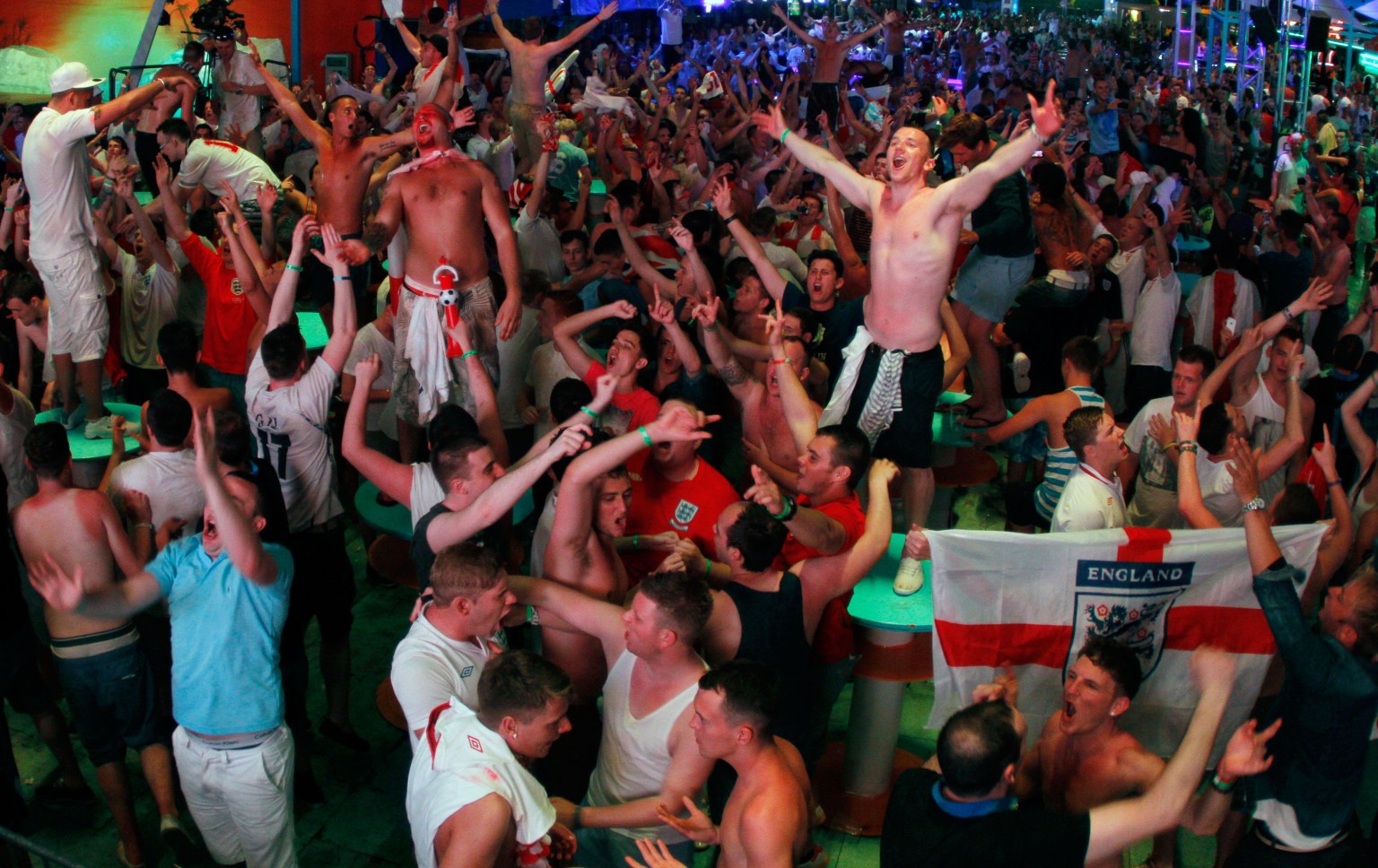
The Balearic Islands, a prominent Spanish holiday destination known for their vibrant beaches and lively nightlife, may soon introduce a new daily tourist tax of 15 euros during peak summer months. This initiative, strongly backed by militant unions, aims to tackle the ongoing issue of overcrowding and over-tourism that has put considerable pressure on the islands’ infrastructure and natural resources.
Rather than merely serving as a revenue-generating tool, the tax is viewed as a deterrent, aiming to reduce the number of holidaymakers flocking to Mallorca, Ibiza, and Menorca, especially during July and August. The unions argue that the overwhelming influx of visitors during these peak months saturates the islands, stretching public services and the environment beyond sustainable levels.
Details of the Tax Proposal
| Aspect | Details |
|---|---|
| Daily Tax Amount | 15 euros per day |
| Target Period | Summer months – July & August |
| Objective | Dissuade mass tourism to reduce overcrowding |
| Implementation Earliest Date | Possibly 2026 |
| Tourist Volume Threshold | If yearly visitors drop below 14-15 million, tax may be waived |
The catalysts behind this move originate from persistent frustrations expressed by union leaders about the perceived slow response from the Balearic government despite prior commitments to address the issue of excessive tourism.
Broader Anti-Tourism Measures Under Discussion
Alongside the tax, unions have proposed a suite of 52 measures under the umbrella of a ‘Pact for Sustainability.’ These include controls on new tourism development, housing, public transport, and labor policies. The aim is to develop a more balanced and sustainable tourism economy that benefits residents and respects environmental limits.
Some of the notable proposals include:
- Temporary bans on new tourist accommodations until consensus is reached
- Regulation of cruise ship arrivals and flight schedules during high season
- Measures to address housing affordability by repurposing empty flats and restricting property hoarding by large owners
- Allocation of additional tax revenues to labor welfare, vocational training, and housing programs
These policies reflect a growing trend across several European coastal hotspots, where overcrowding has led to various anti-tourism initiatives, including visitor caps, entry fees, and restricted operating hours of key tourist infrastructure.
Similar Actions in Other Destinations
| Location | Anti-Tourism Action |
|---|---|
| Venice, Italy | Introduced entry fee for day-trippers |
| Barcelona, Spain | Removed popular bus routes from maps to discourage overcrowding |
| San Sebastián, Spain | Limited guided tour group sizes and banned new hotel construction |
| Benidorm, Spain | Restricted nighttime swimming with heavy fines |
| Canary Islands, Spain | Considering visitor caps and daily tourist tax |
Historical Context of Tourism in the Balearic Islands
The Balearic Islands—primarily Mallorca, Ibiza, Menorca, and Formentera—have long been favored destinations for sun-and-sand tourism, attracting millions from across Europe, especially the UK. Tourism constitutes a significant portion of their economy, accounting for nearly 60 percent of the regional GDP in Mallorca alone.
Initially discovered by alternative travelers in the 1960s drawn to their relaxed lifestyles and natural beauty, these islands underwent rapid transformation fueled by the advent of direct charter flights. By the 1980s, Ibiza had established a reputation for its vibrant nightlife and youth-oriented party scene, while Mallorca balanced mass tourism with areas of more selective appeal.
The islands browse between two tourism archetypes: intense, seasonal mass tourism concentrated in hotspots known for parties and beach clubs, and more laid-back, scenic visitor experiences that include yachting and cultural tourism. This duality has led to challenges related to environmental strain, water supply limitations, and concerns over the erosion of traditional lifestyles.
Tourism Challenges Specific to the Islands
- Overcrowding during summer peaks overwhelms infrastructure and local services.
- Environmental pressures, especially water scarcity due to tourism and agriculture competing for resources.
- Social imbalance with rising rental prices and housing shortages impacting residents.
- Seasonal economic fluctuations causing unstable employment and business operations.
Future Perspectives and Tourism Sustainability
As the Balearic Islands navigate growth and sustainability, the proposed tax and accompanying measures signal a pivot toward managing visitor numbers and preserving the islands’ natural and cultural assets. Sustainable tourism is crucial for maintaining the quality of visitor experiences and the well-being of local communities in such sensitive island ecosystems.
Should these policies be implemented, they will likely serve as a catalyst for shifts in the tourism profile, possibly encouraging visitors seeking less crowded, more authentic experiences. This could influence boating and yachting activities, as some travelers might choose to explore the islands by sea, valuing marinas and coastal waters less affected by the crowds.
Summary and Implications for Sailing Enthusiasts
La tassa giornaliera di 15 euro proposta per i mesi di punta nelle Isole Baleari rappresenta una mossa significativa per frenare il sovraffollamento turistico e promuovere la sostenibilità. Combinata con restrizioni su nuove costruzioni, arrivi di navi da crociera e regolamenti sui trasporti, queste azioni mirano a proteggere l'ambiente dell'isola e il modo di vivere locale.
Considerato il ruolo storico delle isole come vivaci destinazioni per la nautica a vela e lo yachting, queste misure potrebbero ricalibrare l'equilibrio tra turismo di massa e attività marine più di nicchia. Gli appassionati di vela potrebbero trovare un fascino maggiore in marina più tranquille e acque più limpide, con una possibile infrastruttura potenziata sostenuta dai ricavi turistici reinvestiti.
Per chi sta considerando una charter o renting a yacht nelle Baleari, monitorare tali sviluppi è saggio, poiché il panorama turistico in evoluzione potrebbe influire sulla disponibilità, i prezzi e l'esperienza complessiva. Queste isole continuano a offrire spettacolari rotte di navigazione e attività nautiche, ma con un occhio di riguardo alla sostenibilità che ne assicuri il fascino.
Prendi la barca è un mercato internazionale per il noleggio di barche a vela e yacht, fornendo opzioni che soddisfano varie preferenze e budget. Man mano che queste isole si adattano a nuove politiche di gestione del turismo, servizi come GetBoat.com possono offrire un accesso ideale alle spettacolari coste della regione, ai vivaci porti turistici e alle acque cristalline, consentendo avventure di navigazione memorabili e responsabili. GetBoat.com